Wife entitled to reside in shared household even if husband disowned by parents: Delhi HC
_vb_58.jpeg)
New Delhi (PTI): The Delhi High Court has held that a wife residing in the house immediately after her marriage constitutes "shared household" and is entitled to reside there despite the husband being disowned by his parents later.
Justice Sanjeev Narula made the observation while dismissing an application filed by the woman's mother-in-law and late father-in-law. In an order passed on October 16, the judge held that the daughter-in-law cannot be dispossessed except through due legal process.
Advocate Samvedna Verma represented the daughter-in-law, while the parents-in-law were represented by advocate Kajal Chandra.
According to the petition, the dispute, spanning over a decade, arose after the daughter-in-law's marriage to the petitioner's son in 2010 and her subsequent residence with her in-laws at the property.
The matrimonial relationship soured in 2011, leading to multiple civil and criminal proceedings between the parties.
The petitioners contended that the property was the self-acquired estate of the late Daljit Singh and, therefore, could not be deemed a shared household under the Protection of Women from Domestic Violence Act.
The court, however, maintained that the existing arrangement -- where the mother-in-law resides on the first floor and the daughter-in-law on the ground floor -- adequately balances both parties' interests.
Let the Truth be known. If you read VB and like VB, please be a VB Supporter and Help us deliver the Truth to one and all.
Trump says he ‘hasn’t even thought about’ continuing Iran ceasefire
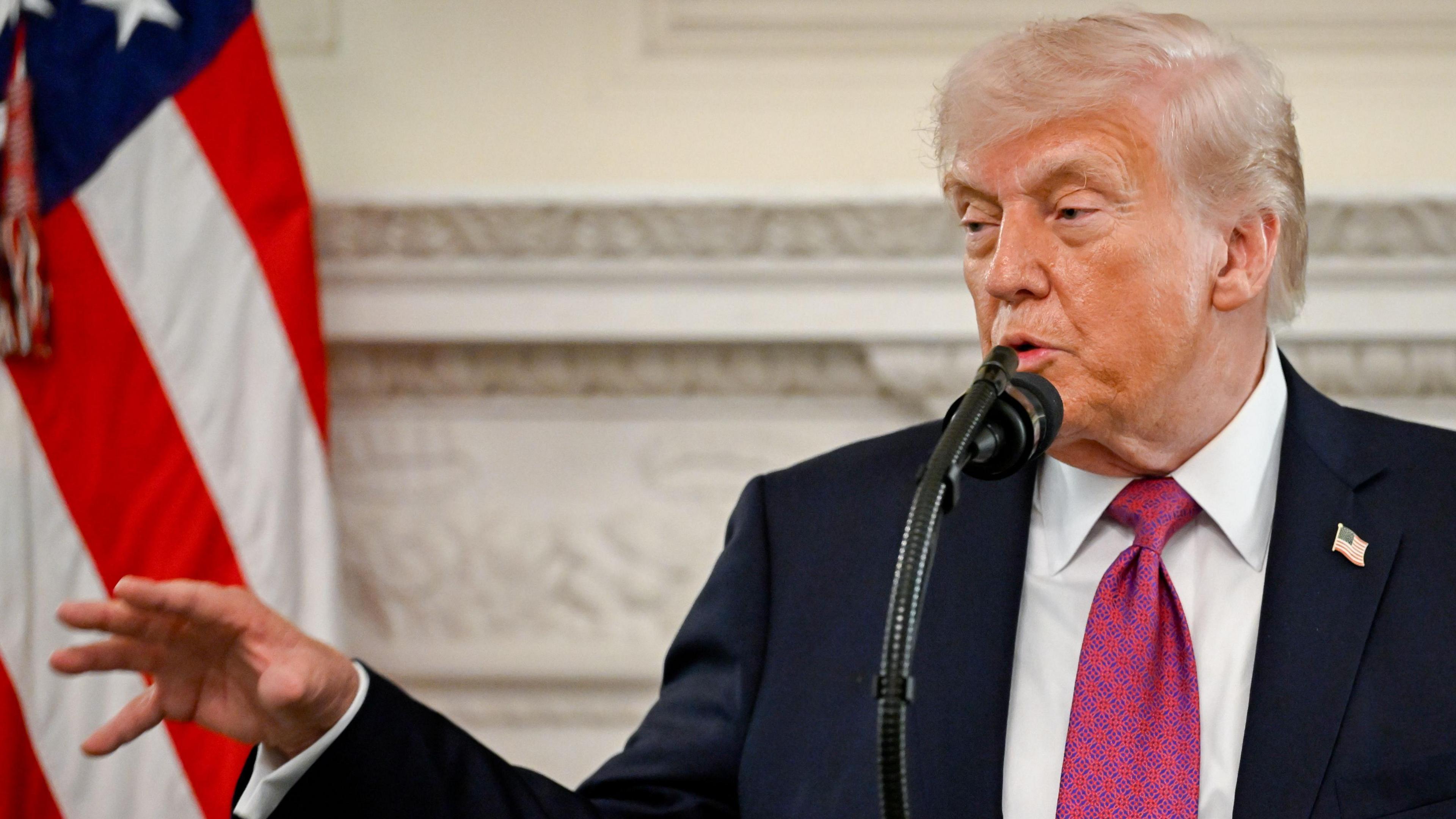
Washington: US President Donald Trump has said he has not yet considered whether he would continue the ceasefire involving Iran, while also claiming the United States holds the advantage in negotiations.
Speaking to reporters, Trump said he was prepared to make a deal with “whoever is running the show” in Iran.
“They are fighting with each other, there’s tremendous infighting. They’re probably fighting for leadership in many cases. I think they’re fighting not to be leader because we knocked out two levels of leaders,” he said.
Trump added, “When they want they can call me. We have all the cards, we’ve won everything.”
Referring to ongoing negotiations, he said, “They gave us a paper that should’ve been better. And, interestingly, immediately when I cancelled it [envoy trip to Pakistan], within 10 minutes we got a new paper that was much better.”
“We talked about they will not have a nuclear weapon, very simple … They offered a lot, but not enough,” he added.
When asked whether he would continue the ceasefire, Trump replied, “I haven’t even thought about it.”
The remarks come as uncertainty remains over the future of the temporary truce and broader negotiations between Washington and Tehran.