Will not accept abrogation of Article 370 in Kashmir: Pak
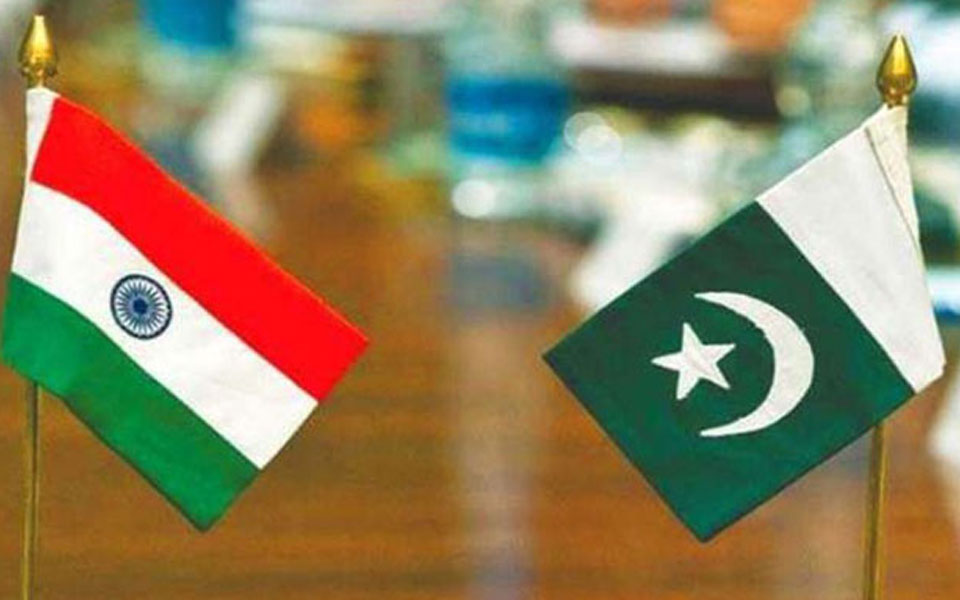
Islamabad: Pakistan has said that it will not accept the abrogation of Article 370 of the Indian Constitution in Kashmir, saying it would be a violation of UN resolutions.
The Article 370 is a "temporary provision" with respect to Jammu and Kashmir and restricts the applicability of various provisions of the Constitution by "curtailing" the power of Parliament to make laws on subjects which fall under the Union and Concurrent lists.
Pakistan's Foreign Office Spokesman Mohammad Faisal, while addressing the media in Islamabad on Friday, made the comments on the issue of abrogation of Article 370 in Kashmir, saying it will be in violation of the UN resolutions.
"The abrogation of Article 370 of Indian constitution is violation of UN resolutions. We will not accept it under any circumstances and the Kashmiris will also not accept it, he said.
Senior BJP leaders have repeatedly emphasised the party's commitment to abrogate Article 370 from the state.
According to media reports, BJP President Amit Shah said it remains committal to remove the Article from the state but their lack of majority in Rajya Sabha is the reason why it has not been done so far.
Shah's comments were met with some sharp criticism from political leaders in Jammu and Kashmir.
National Conference leader and former Jammu and Kashmir chief minister Omar Abdullah said when the country got independence, a Constitution was created in which certain provisions were kept by which the state's identity could be safeguarded.
"It included Article 370 and Article 35A. Unfortunately, some of our leaders made Article 370 hollow for their personal gains," he said.
His father and National Conference President Farooq Abdullah had said that the relationship between New Delhi and the state will be over if Article 370 is repealed.
Let the Truth be known. If you read VB and like VB, please be a VB Supporter and Help us deliver the Truth to one and all.
“Goli maro…” slogan raised as ABVP-linked group disrupts play at University of Hyderabad
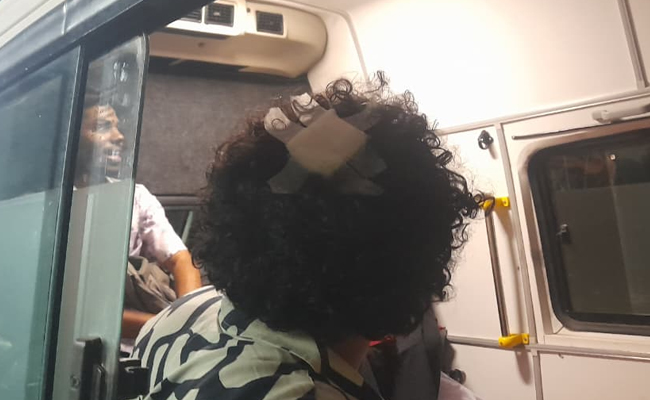
Hyderabad: A group allegedly linked to the Akhil Bharatiya Vidyarthi Parishad (ABVP) disrupted a theatre performance at the University of Hyderabad on Sunday evening. The group is also accused of vandalising property and assaulting students.
Slogans such as “Desh ke gaddaron ko, goli maro…” were raised during the incident, according to eyewitnesses.
According to the Observer Post, the disruption happened as Mahesh Elkunchwar's play Holi was being staged at the Department of Theatre Arts' GB Hall. The group reportedly objected to certain portions of the play, claiming that some phrases hurt religious sentiments.
According to accounts from those present, the situation escalated when individuals forced their way into the venue after damaging fixtures and breaking glass panels outside the auditorium. Students attempting to intervene were reportedly assaulted, and a guest faculty member was allegedly threatened.
Several students sustained injuries and were provided initial treatment at the campus health centre before being shifted to a nearby hospital.
Police later arrived at the scene, brought the situation under control, and escorted those inside the hall to safety. Witnesses said tensions remained high, with some members of the group continuing to raise slogans during the evacuation.