Woman found chained to tree in Maharashtra's Sindhudurg; cops recover US passport photocopy
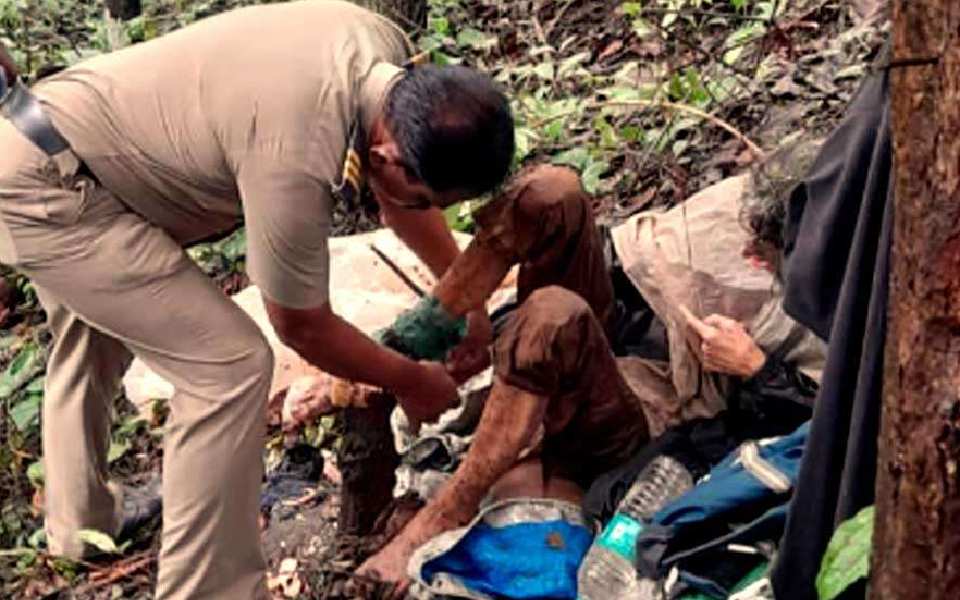
Mumbai, Jul 29: A 50-year-old woman was found tied to a tree with an iron chain in a forest in Maharashtra's Sindhudurg district, and a photocopy of her US passport as well as other documents, including an Aadhaar card with a Tamil Nadu address, were recovered from her, a police official said on Monday.
A shepherd heard her cries on Saturday evening in Sonurli village, some 450 kilometres from here, and alerted police after finding her chained and in distress, the official said.
"The woman was rushed to a hospital in Sawantwadi (in the state's Konkan region) and then Oros in Sindhudurg. Considering her mental and health condition, she was shifted to Goa Medical College for advanced treatment. She is out of danger. Doctors treating her said she suffers from psychiatric problems. We have found medical prescriptions in her possession," the official informed.
"We found her Aadhaar card with a Tamil Nadu address and a photocopy of her United States of America passport. She has been identified as Lalita Kayi. Her visa has expired. We are getting all these documents verified to ascertain her nationality. Police is also in touch with the Foreigners Regional Registration office," he said.
As per initial information obtained by police, the woman has been in India for the past 10 years, the official said.
"The woman is not in a position to give her statement. The woman is weak as she has not eaten anything for a couple of days and also as the area experienced heavy rains. We don't know for how long she was tied to that tree. We believe her husband, who hails from Tamil Nadu, tied her there and fled," he said.
The official said police teams have left for Tamil Nadu, Goa and some other places to trace her relatives etc as part of the probe.
Let the Truth be known. If you read VB and like VB, please be a VB Supporter and Help us deliver the Truth to one and all.
Centre launches national childhood diabetes screening, treatment framework
New Delhi (PTI): The Union Health Ministry on Sunday released a guidance document providing a framework for screening, diagnosis, treatment and long-term management of childhood diabetes.
According to the ministry, the document, for the first time, establishes a structured and standardised national framework, positioning India among a select group of countries that have integrated childhood diabetes care into the public health system.
The "Guidance Document on Diabetes Mellitus in Children" was released at the National Summit on Best Practices in Public Healthcare Service Delivery, concluded on May 1-2.
According to a statement by the ministry, the framework aims to ensure universal screening of all children from birth to 18 years through community and school-based platforms for early identification of diabetes.
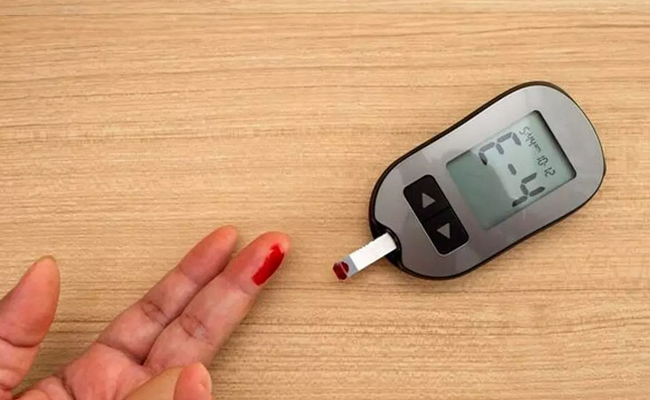
Suspected cases will undergo immediate blood glucose testing and be referred to district-level health facilities for confirmatory diagnosis and treatment, it said.
A key feature of the initiative is the provision of a comprehensive free-of-cost care package at public health facilities, including screening, diagnostic services, lifelong insulin therapy, glucometers, test strips and regular follow-up care.
The initiative seeks to reduce the financial burden on families and ensure uninterrupted treatment for children diagnosed with diabetes.
The document also lays down an integrated continuum of care linking community-level screening with district hospital-based management and advanced care at medical colleges to ensure seamless follow-up and treatment.
To strengthen early detection, the guidance promotes the "4Ts" awareness framework -- Toilet, Thirsty, Tired and Thinner -- to help parents, teachers and caregivers recognise early warning signs of type 1 Diabetes.
Besides clinical protocols, the document focuses on family and caregiver empowerment through structured training on insulin administration, blood glucose monitoring, emergency response and daily disease management.
The statement stated the initiative is expected to reduce mortality through early detection, prevent complications and improve the quality of life of affected children while strengthening the public health system's capacity to manage non-communicable diseases among children.