38 arrested for disrupting Christian religious event in Udupi
_vb_55.jpeg)
Udupi: Police arrested 38 protesters on Friday evening for allegedly attempting to disrupt a religious programme despite security arrangements in place.
According to a complaint filed by Police Inspector Mahesh Prasad of Manipal Police Station, also holding additional charge of Udupi Town Police Station, a three-day event titled “Samadhana Mahotsava” was organised at the Udupi Christian PU College grounds from March 20 to 22 by the Fellowship of Udupi District Churches after obtaining permission.
The organisers had invited Christian preacher Mohan C Lazarus to the event. Anticipating protests from Hindu organisations, the organisers had secured protection orders from the Karnataka High Court, following which police deployed adequate security at the venue.
Police said that on March 20 around 5 pm, a group of 38 protesters led by Shrikant Shetty of Hindu Jagarana Vedike allegedly assembled unlawfully and marched from Govinda Kalyana Mantapa towards the venue, raising slogans.
The protesters claimed the event could involve religious conversion and attempted to proceed to the venue despite being informed by police about the High Court order and restrictions.
Police personnel detained and arrested all 38 individuals at the spot.
A case has been registered at Udupi Town Police Station under Section 189(2) of the Bharatiya Nyaya Sanhita (BNS) and Section 112 of the Karnataka Police Act, and further investigation is underway.
Let the Truth be known. If you read VB and like VB, please be a VB Supporter and Help us deliver the Truth to one and all.
Lebanon appoints new representative for talks with Israel, rejects linkage to Iran
Beirut: Lebanon’s has moved to underline its independent position in ongoing regional developments, amid attempts to link the country to the broader conflict involving Iran, the United States and Israel.
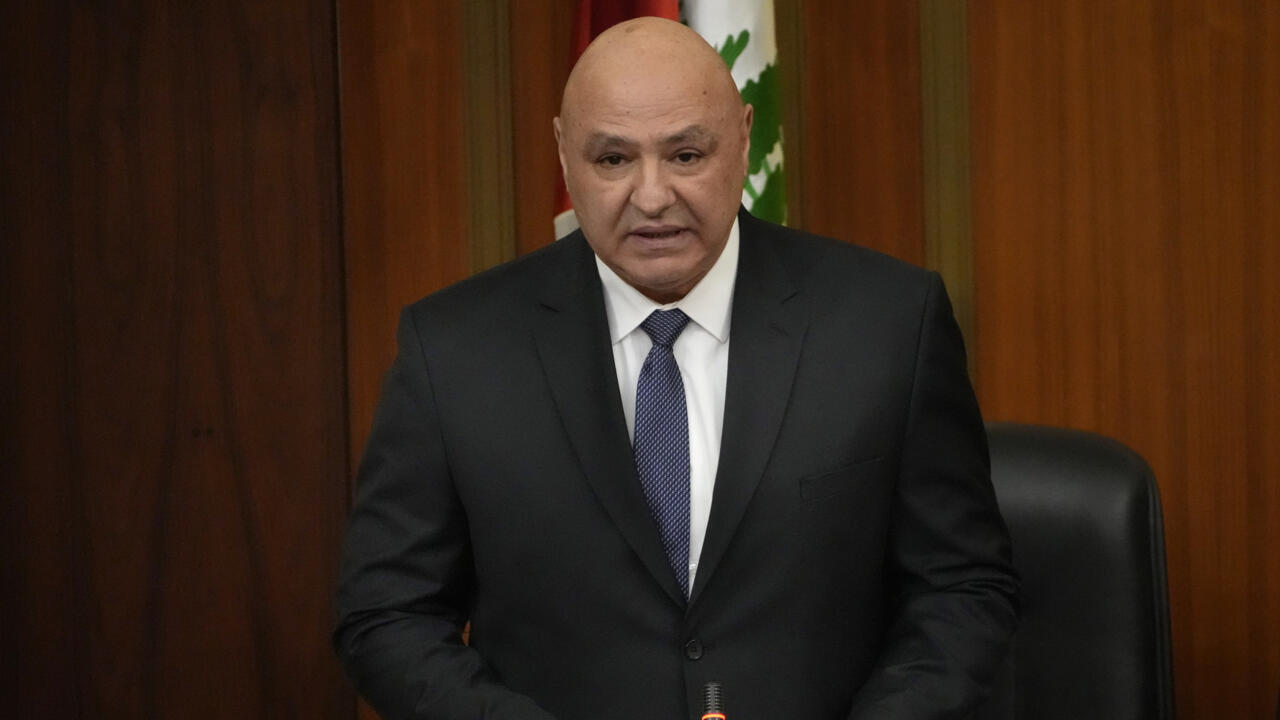
President Joseph Aoun, while announcing the appointment of former US ambassador Simon Karam as Lebanon’s representative in talks with Israel, made it clear that Karam would be the sole representative for Lebanon and that there would be no substitute.
The move comes in response to what the Lebanese officials see as efforts by Iran to tie Lebanon’s situation to the wider regional conflict. Iran had indicated that there would be no ceasefire involving the US, Israel and Iran unless it also included a ceasefire in Lebanon.
Some groups, including Hezbollah and its supporters, had expressed support for linking the situations, citing concerns that the Lebanese government has limited leverage in negotiations with Israel. Lebanon is not formally a party to the conflict, and its army is considered weak.
However, others, including Prime Minister Nawaf Salam, have opposed this approach. They view Iran’s stance as an attempt to influence Lebanon’s internal affairs and see it as undermining the country’s sovereignty.
Officials backing the government’s position say the move is aimed at reaffirming Lebanon’s sovereignty and ensuring that decisions about peace and ceasefire within the country are not dictated externally.
They also see it as a safeguard, so that any breakdown in talks between the US, Israel and Iran does not automatically lead to renewed conflict in Lebanon.