Actress fined for traffic rule violation in tv serial scene: Viewer complaint leads to police action

Mangaluru: An actress has been fined by the police for a traffic rule violation depicted in a TV serial scene. The incident came to light after a viewer named Jayaprakash Ekkur from Mangaluru lodged a complaint regarding a scene in the 14th episode of the serial 'Sitaram', where a character was seen riding a two-wheeler without wearing a helmet.
The complaint, addressed to the Mangaloruru City Police Commissioner, dealt with the potential negative impact of such scenes on the audience, as they may promote disregard for traffic rules. Consequently, the Commissioner assigned the case to the Mangaluru Traffic East Station for further investigation.
Following inquiries, it was revealed that the scene in question was shot in Nandini Layout, Bengaluru. On May 10, the Rajajinagar police station issued a fine of Rs 500 to both the actress and the owner of the vehicle involved in the scene.
Additionally, the production manager of the serial assured authorities that future episodes would adhere to traffic regulations.
This incident underscores the importance of raising awareness about road safety measures, particularly the mandatory use of helmets. Jayaprakash Ekkur, the viewer who filed the complaint, spoke to Vartha Bharati on the need for comprehensive awareness programs to prevent road accidents and fatalities especially in colleges.
Let the Truth be known. If you read VB and like VB, please be a VB Supporter and Help us deliver the Truth to one and all.
Lebanon appoints new representative for talks with Israel, rejects linkage to Iran
Beirut: Lebanon’s has moved to underline its independent position in ongoing regional developments, amid attempts to link the country to the broader conflict involving Iran, the United States and Israel.
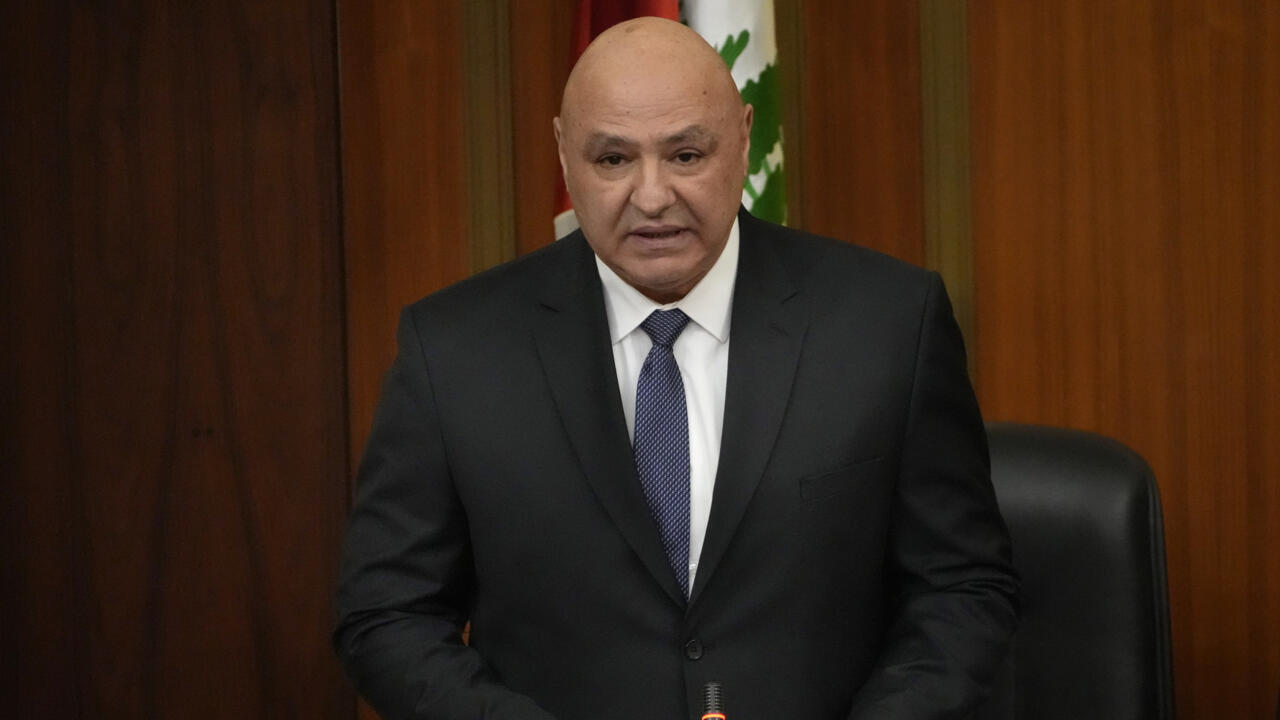
President Joseph Aoun, while announcing the appointment of former US ambassador Simon Karam as Lebanon’s representative in talks with Israel, made it clear that Karam would be the sole representative for Lebanon and that there would be no substitute.
The move comes in response to what the Lebanese officials see as efforts by Iran to tie Lebanon’s situation to the wider regional conflict. Iran had indicated that there would be no ceasefire involving the US, Israel and Iran unless it also included a ceasefire in Lebanon.
Some groups, including Hezbollah and its supporters, had expressed support for linking the situations, citing concerns that the Lebanese government has limited leverage in negotiations with Israel. Lebanon is not formally a party to the conflict, and its army is considered weak.
However, others, including Prime Minister Nawaf Salam, have opposed this approach. They view Iran’s stance as an attempt to influence Lebanon’s internal affairs and see it as undermining the country’s sovereignty.
Officials backing the government’s position say the move is aimed at reaffirming Lebanon’s sovereignty and ensuring that decisions about peace and ceasefire within the country are not dictated externally.
They also see it as a safeguard, so that any breakdown in talks between the US, Israel and Iran does not automatically lead to renewed conflict in Lebanon.