Adani-owned Mangaluru International Airport seeks hike in user development fee
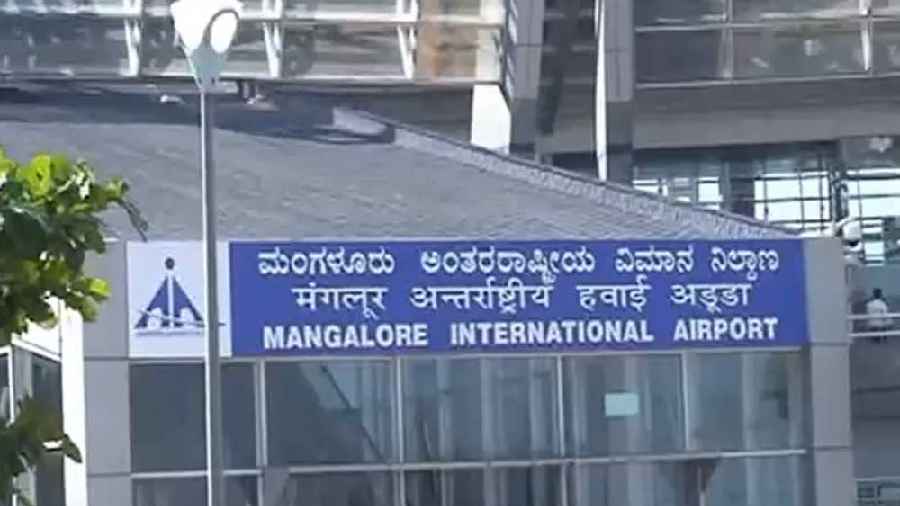
Mangaluru, Aug 22: The Adani Airports-owned Mangaluru International Airport (MIA) has sought an immediate increase of Rs 100 in user development fee (UDF) on domestic passengers to facilitate development activities.
It has also requested permission to levy the fee on both arriving and departing passengers.
The airport, in its latest tariff filing, has sought to levy a UDF of Rs 250 on domestic passengers starting this October, and gradually increasing it to Rs 725 by March 31, 2026.
The Airports Economic Regulatory Authority of India (AERA), the tariff-fixing body, is in the process of fixing tariff for Mangaluru airport for the period of April 1, 2021 to March 31, 2026.
For international passengers, it has sought to levy UDF of Rs 525 and increase it to Rs 1,200 by March 2026.
The users fee will be charged on both departing and arriving passengers if the AERA agrees to it. Currently, the UDF is Rs 150 for domestic and Rs 825 for international passengers, but is charged only on departing passengers.
The Adani Group took over the operations of the international airport in the Karnataka port city on October 31, 2020.
In its filing with the pricing regulator, the airport said no tariff revision had taken place since 2010. The modernisation plan of the airport is also underway. The cumulative impact of these considerations will have a consequential impact on the tariff, it said.
The proposed developmental projects, including recarpeting of the runway, and construction of a new terminal building and cargo terminal, is estimated to cost about Rs 5,200 crore. The airport said it will fund these through debt and equity from parent Adani Enterprise.
The airport has also sought increase in landing and parking charges for airlines. The AERA has sought comment from airlines, passenger associations and business jet operators.
Let the Truth be known. If you read VB and like VB, please be a VB Supporter and Help us deliver the Truth to one and all.
Fire erupts at plastic factory in Ahmedabad; no casualties

Ahmedabad (PTI): A fire broke out at a plastic granules and mould manufacturing factory in Gujarat's Ahmedabad on Sunday morning, an official said.
No casualties were reported in the incident, he said.
The blaze erupted around 8 am at Processo Plast Enterprise in the Bapunagar area, Ahmedabad Municipal Corporation's Additional Chief Officer (fire) Mihir Rana told PTI.
Thick plumes of smoke were seen billowing into the sky, visible from a considerable distance in the area.
"The unit closed after the night shift and the fire broke out in the morning in the ground floor's storage facility section due to unidentified reasons," Rana said.
Nine fire tenders and several other firefighting vehicles were rushed to the spot, and the blaze was brought under control by 11 am, he said.
Firefighters prevented the blaze from spreading to the first floor. However, machinery and plastic materials were damaged on the ground floor, he said, adding that the exact cause of the blaze was under investigation.