ADC visits MRPL gas leak site, orders high-level probe, enhanced safety measures
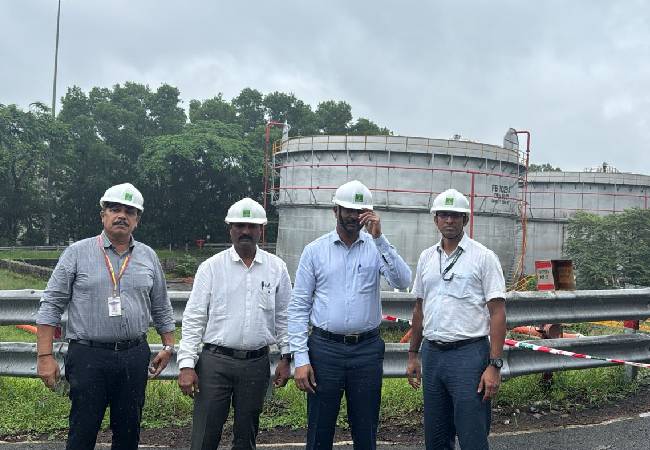
Surathkal: Following the tragic gas leak incident at Mangalore Refinery and Petrochemicals Limited (MRPL) that claimed two lives and left one worker critically injured, Dakshina Kannada Additional Deputy Commissioner (ADC) Dr. Santosh Kumar visited the accident site on Saturday on behalf of the district administration.
The leak occurred in the storage section of the refinery’s hydrogen sulfide (H2S) production unit under the OM&S (Oil Movement and Storage) division. The deceased have been identified as contract workers from Kerala and Uttar Pradesh, while the critically injured worker, also from Uttar Pradesh, is receiving treatment at AJ Hospital in Mangaluru.
After inspecting the site, Dr. Santosh Kumar held discussions with the MRPL Managing Director and directed that a high-level investigation be conducted into the cause of the incident. He emphasized the need to tighten safety protocols and ensure such lapses do not recur. He also stated that the affected families would receive maximum possible compensation.
Mangaluru Tahsildar Prashanth Patil and Surathkal Deputy Tahsildar Naveen Kumar accompanied the ADC during the visit.
Let the Truth be known. If you read VB and like VB, please be a VB Supporter and Help us deliver the Truth to one and all.
Compromised PM didn't sign trade deal with US, but a bargain for Adani's release: Rahul
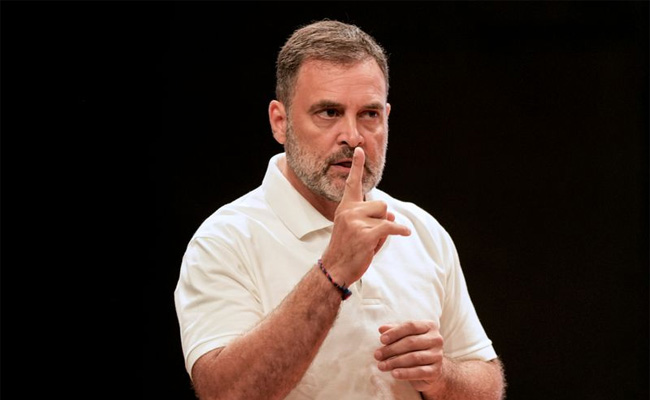
New Delhi (PTI): Congress leader Rahul Gandhi on Friday accused Prime Minister Narendra Modi of signing a trade deal with the US only to secure the "release" of billionaire businessman Gautam Adani.
"Compromised PM did not strike a trade deal, but a bargain for Adani's release," Gandhi said in a post in Hindi on X, after reports that the US has agreed to settle the lawsuit that accused Adani of hiding alleged bribery.
The US government has agreed to settle the lawsuit filed against Adani, who is accused of duping investors by concealing that his company's huge solar energy project in India was being facilitated by an alleged bribery scheme, according to court filings published Thursday.
Reacting to the reports, Congress general secretary in-charge communications Jairam Ramesh said it was now clear why the PM agreed to the "hopelessly one-sided Indo-US trade deal that was really a steal by the US".
"And it is also clear why he abruptly halted Operation Sindoor on May 10, 2025, acting on President Trump's threats rather than on our national interest. Reportedly, the Trump Administration is about to drop all charges of corruption against Modani," he said on X.
"How much more compromised can the PM get?" Ramesh asked.
In the lawsuit filed in late 2024, the Securities and Exchange Commission accused Adani Group Chairman Gautam Adani and his nephew Sagar Adani, who is a director at the group's renewable energy unit Adani Green Energy Ltd, of agreeing to pay about USD 265 million in bribes to Indian government officials between approximately 2020 and 2024 to obtain lucrative solar energy supply contracts on terms that expected to yield USD 2 billion of profit over 20 years.
It was alleged in the lawsuit that Adani Group raised USD 2 billion in loans and bonds, including from US firms, on the backs of false and misleading statements related to the firm's anti-bribery practices and policies.
The ports-to-energy conglomerate had denied the allegations.