Air India Express introduces late-night Bengaluru–Mangaluru service
International services at M’luru cancelled on March 7

Mangaluru: Air India Express will introduce a late-night daily flight service on the Bengaluru–Mangaluru–Bengaluru sector starting March 10, 2026.
According to the sources, flight IX 5971 will depart from Bengaluru at 9.25 pm and arrive in Mangaluru at 10.40 pm. The return flight, IX 5972, will depart from Mangaluru at 11.10 pm and reach Kempegowda International Airport, Bengaluru, at 12.20 am.
The additional service will operate daily and will remain in effect until March 28, 2026.
Meanwhile, Air India Express has cancelled all its scheduled international flights from Mangaluru International Airport (IXE) on March 7 due to the ongoing crisis in the Middle East.
The Bengaluru–Mangaluru sector already has multiple daily services. Apart from Air India Express, IndiGo also operates flights on this route.
Let the Truth be known. If you read VB and like VB, please be a VB Supporter and Help us deliver the Truth to one and all.
ED raids in case against former Punjab Police DIG Bhullar, linked entities
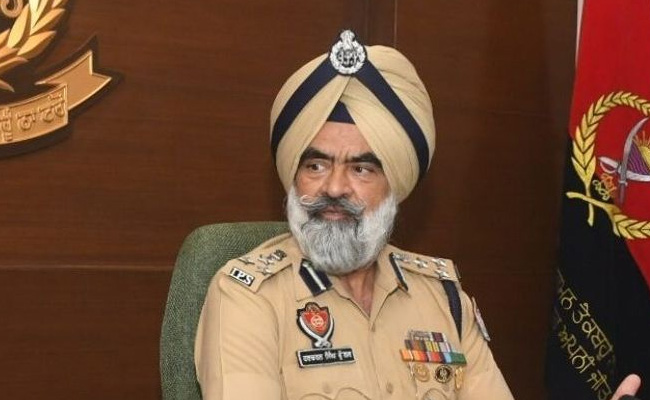
Chandigarh (PTI): The Enforcement Directorate on Monday conducted searches at multiple locations in Punjab as part of a money laundering probe against former state police DIG Harcharan Singh Bhullar and entities linked to him, officials said.
They said about 11 premises in Chandigarh, Ludhiana, Patiala, Nabha and Jalandhar linked to the accused, his associates and suspected benamidars (the owner in whose name a benami property is held) are being covered under the Prevention of Money Laundering Act (PMLA).
The Enforcement Directorate (ED) probe stems from a Central Bureau of Investigation (CBI) case registered against Bhullar on allegations that he sought illegal gratification through a middleman for settlement of a criminal case, along with detection of assets disproportionate to known sources of income.
The searches aim to trace further proceeds of the alleged crime, identify benami assets and gather evidence related to money laundering, ED officials said.
Bhullar, who was serving as the deputy inspector general (DIG) of police (Ropar Range), was arrested by the CBI in October 2025 after a scrap dealer alleged that bribe was demanded from him through an intermediary to settle a case.