AJ Hospital to hold cancer screening camp from Feb 4-9
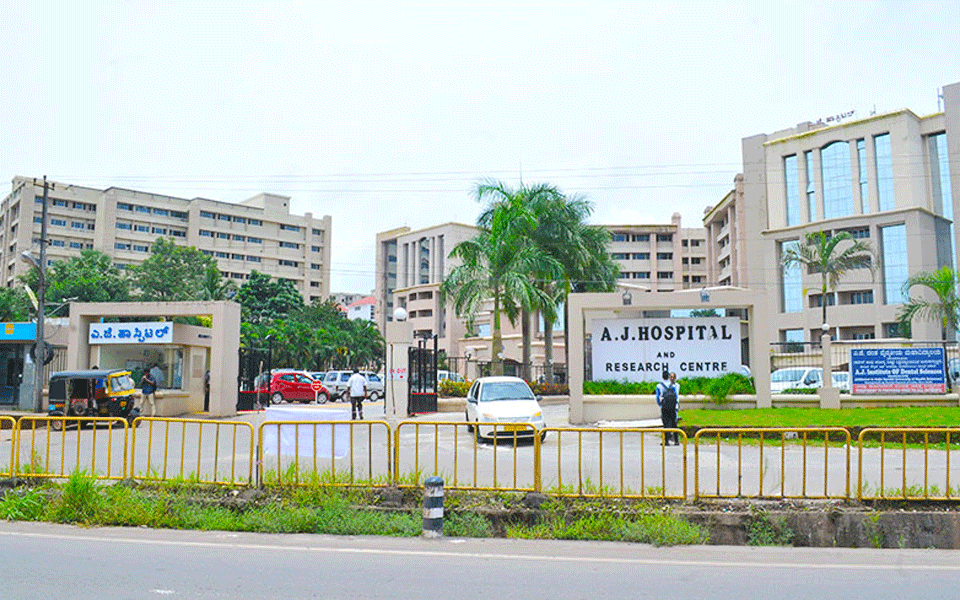
Mangaluru, Jan 31: On account of World Cancer Day (4th February), the AJ Hospital is organizing a cancer screening camp on its premises from Monday, February 4 to 9.
Dr. Prashanth Marla, Medical Director & Transplant Surgeon at AJ HOSPITAL & RESEARCH CENTRE, in a release, said "people are suffering from lump in the breast or mass in the abdomen, post-menopausal bleeding, and white discharge, recurrent cough, hoarseness of voice, difficulty in swallowing, Ulcer/growth in cheek/tongue or swelling in the neck can take benefit of this opportunity."
He further said the people who have complaints of indigestion, altered bowel habits, loss of appetite and rapid loss of weight, bleeding/mass per rectum, severe anemia, recurrent infection, bone pain, bleeding tendencies; could visit the hospital during the above said period.
"AJ Hospital has state of the art, Comprehensive Cancer Care Centre with all the specialties such as Medical Oncology, Radiation Oncology, Surgical Oncology, Cancer Pain Management, Nuclear Medicine including PET-CT, which is first of its kind in the entire district of Dakshina Kannada," he added.
The hospital will be offering free registration, consultation, head & neck and oral examination. Besides, the camp participants will be getting 25% discount on OP investigations and further treatment at a Concessional rate.
For further information, call on 0824-6613635 or email: ajccentre@gmail.com between 9.00am and 5.00pm.
Let the Truth be known. If you read VB and like VB, please be a VB Supporter and Help us deliver the Truth to one and all.
Udhayanidhi accuses BJP of not releasing funds for TN
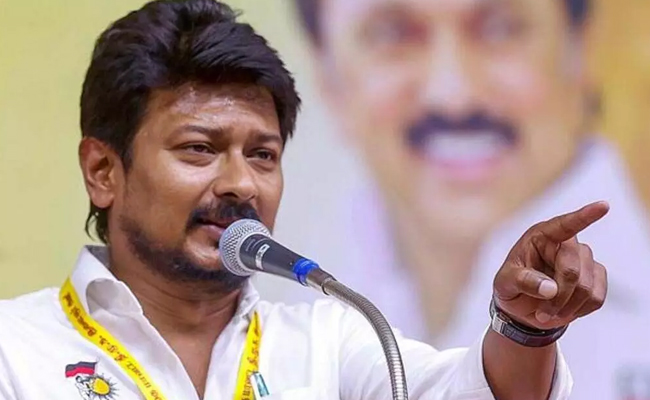
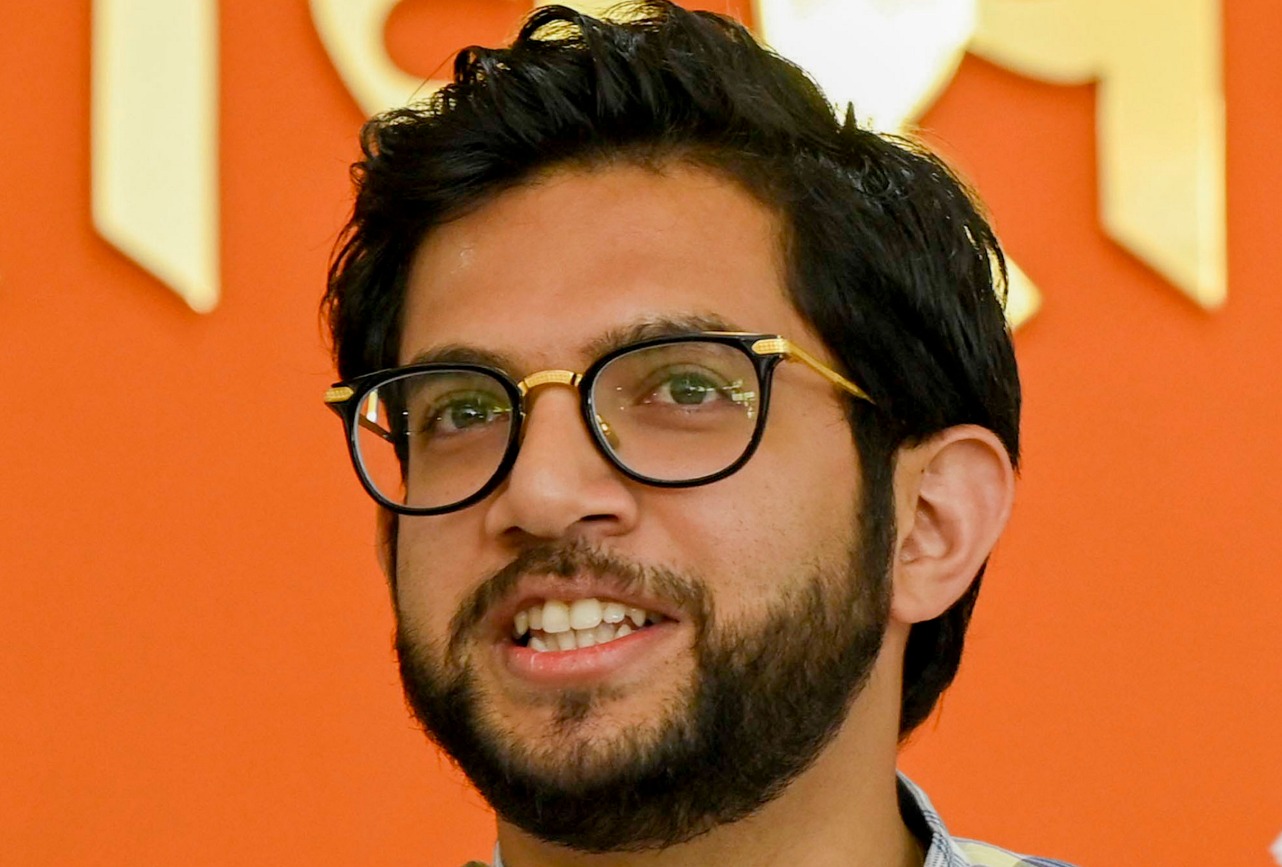
Gobichettipalayam (PTI): Tamil Nadu deputy chief minister Udhayanidhi Stalin on Saturday charged the BJP government at the Centre with not releasing funds to the state and accused it of "snatching" TN's rights.
Addressing a poll rally at Gobichettipalayam in the western Erode district, the DMK youth wing chief claimed the Centre has not released funds to the tune of Rs 3,000 crore for education.
"They (union government) have snatched all our rights," he charged.
With regard to the Centre's proposal for delimitation, he said chief minister M K Stalin was the first person in the country to raise the voice against the union government's move. He claimed that it was a "huge victory" for the INDIA alliance, as the bill was defeated for lack of majority after the opposition voted against it in the Lok Sabha.
Listing out various welfare measures implemented by the DMK government, he said the existing "Kalaignar Magalir Urimai Thogai" (monthly financial assistance for women) will be doubled to Rs 2,000 if DMK was voted to power again.
The deputy chief minister charged that the BJP and AIADMK have tried to stall it by moving the court. "At present more than 1.3 crore women have benefited from the scheme", he said.
"Similarly, the breakfast scheme for the government school students will be extended till Class VIII", he said adding "more than 35 lakh college students across the state will be getting free laptops once the DMK government is formed".
Udhayanidhi also pointed out at the "Illatharasi" poll promise, providing Rs 8,000 worth of coupons to non-income tax paying women where they could buy or replace any household appliances of their choice.
Elections to 234 Assembly seats in Tamil Nadu will be held on April 23 and the results declared on May 4 following counting of polled votes.