Audio clip of BJP Yuva Morcha leader Suhas Shetty harassing student surfaces; Complaints filed
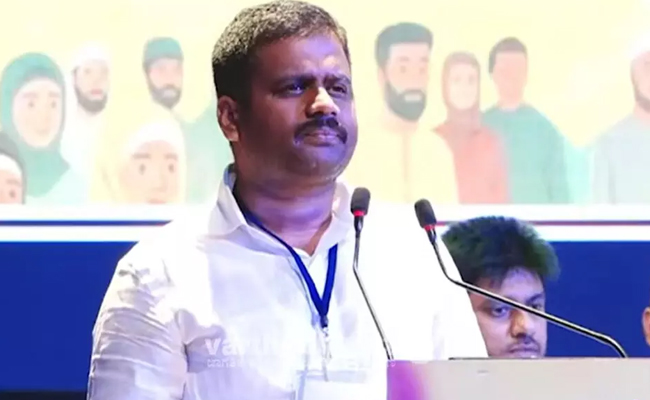
Karkala: A controversial audio clip allegedly featuring BJP Yuva Morcha leader and teacher Suhas Shetty from Mutlupadi has gone viral on social media, where he is heard sexually harassing a student from his own college.
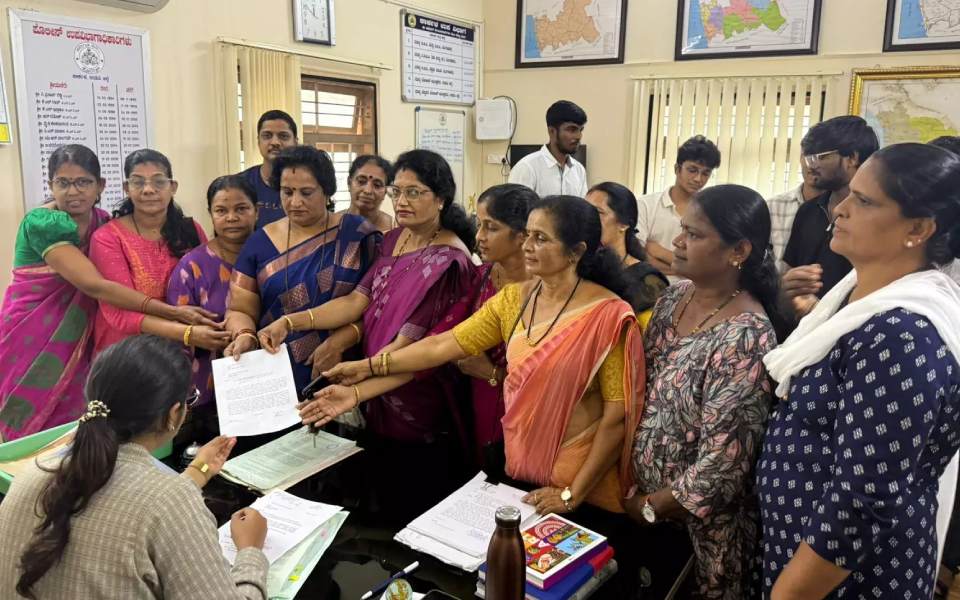
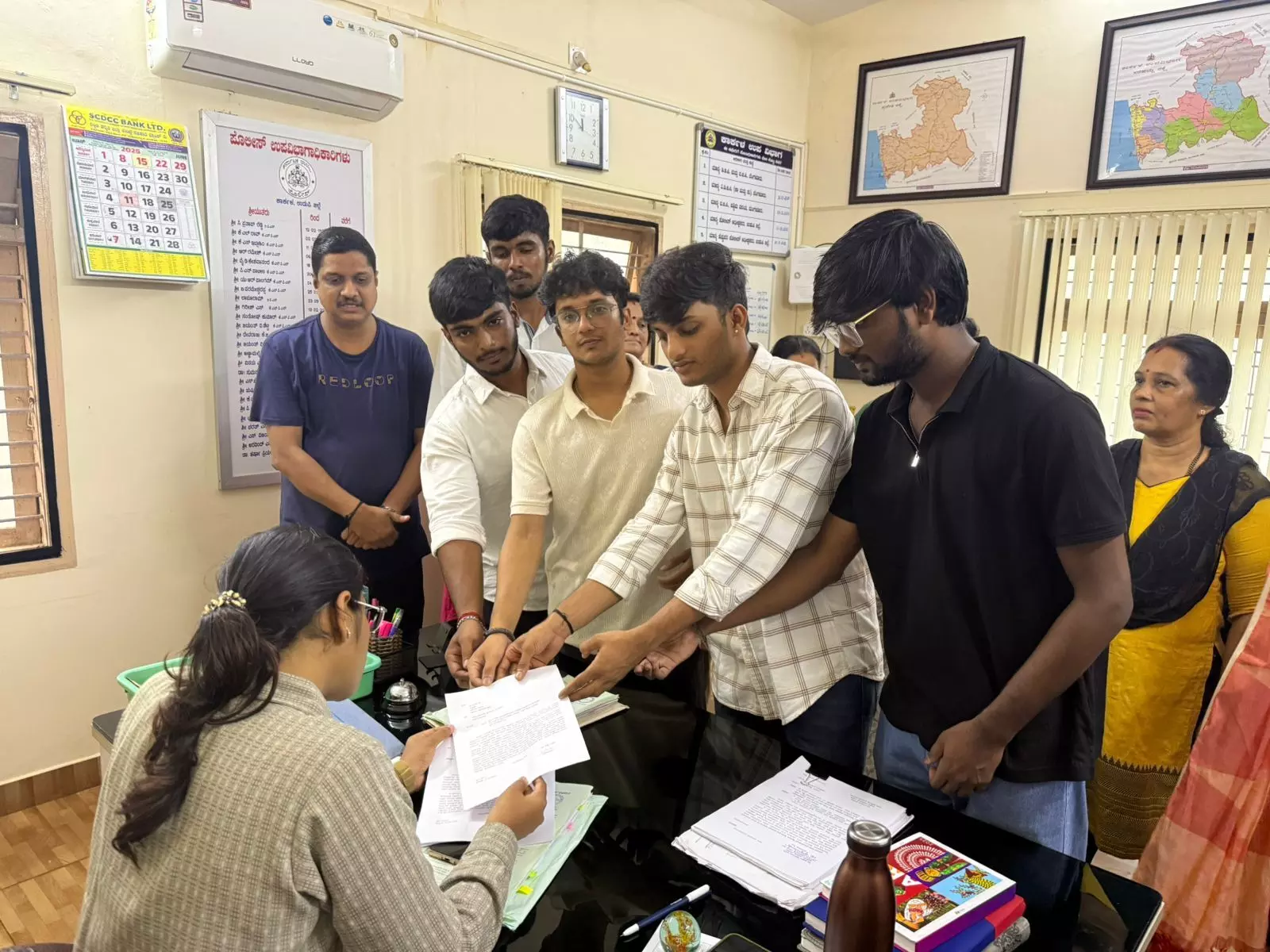
Following this, the Women’s Congress and the National Students’ Union of India (NSUI) have filed separate complaints with the Deputy Superintendent of Police, demanding strict action.
In the circulating audio, Suhas Shetty is allegedly heard coercing an underage student to accompany him, reportedly using forceful and inappropriate language. Sources claim that this is not the first time Shetty has been accused of such misconduct. He was previously removed from a teaching post at another college after facing similar allegations of sexual harassment against a student.
Activists say that many students fear filing formal complaints due to possible intimidation, which emboldens repeat offenders like Shetty. In their complaint, the organizations urged police to immediately arrest him and seize his mobile phone, suggesting that it may contain further evidence of harassment against other students. They also requested the police to take suo motu cognizance of the incident and initiate legal proceedings without waiting for individual complaints from victims.
The delegation that submitted the complaint included Women’s Congress leaders Banu Bhaskar Poojary, Reena Juliet, municipal councillor Pratima Rane, Prabha Kishore, Rehmat, Sunitha Shetty, Asha Bailur, Shobha Prasad, Shobha Rane, Rajeshwari Sanuru, and Charitra. NSUI leaders present included president Gurudeep Nitte, Udit Shettigar, and office bearers Sanskrit N.R., Evans, Nithish, and Sunil Bhandari.
Let the Truth be known. If you read VB and like VB, please be a VB Supporter and Help us deliver the Truth to one and all.
Shivakumar opposes ‘One Nation One Election’, calls it ‘unworkable’
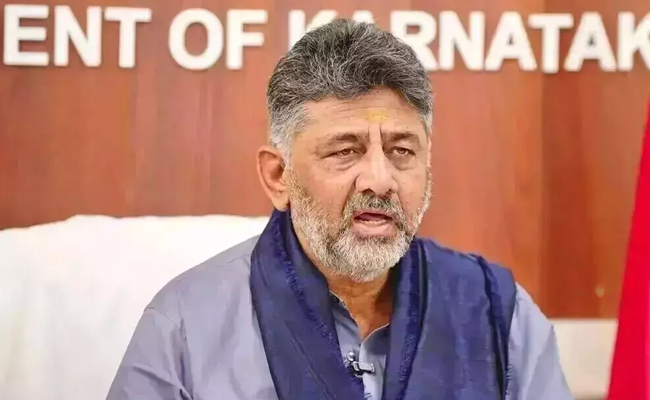
Bengaluru (PTI): Karnataka Deputy Chief Minister D K Shivakumar on Saturday strongly opposed the central government’s proposed ‘One Nation One Election’ initiative.
Shivakumar expressed his views at a dialogue on ‘One Nation One Election’ organised by the Joint Parliamentary Study Committee.
He said the plan is a politically motivated, power-centralising scheme that would seriously damage India’s federal structure by weakening states and poses a threat to the democratic system, according to a statement from his office.
As KPCC president and deputy CM of Karnataka, he categorically rejected the proposal, stating that it is being crafted to suit the convenience of those in power at the Centre.
Shivakumar said that the Karnataka Legislative Assembly had already passed a resolution opposing ‘One Nation One Election’ and read out the resolution at the meeting.
He firmly stated that it is “not a workable plan” and added that it is “practically impossible.”
“If a government falls midterm due to political instability, a no-confidence motion, or loss of majority, what is the solution?” he asked.
“Elections are held at different times in different states for different terms. Karnataka had its election in 2023, while Tamil Nadu and Kerala had theirs in 2021, and Punjab and Telangana in 2022 and 2023, respectively. How can these elections with varying schedules be synchronised?” he asked.
He added that the proposal is a ploy to suppress the voices of regional and Opposition parties.
He also said the Karnataka government does not agree with the proposal and remains committed to the position of the Congress party’s national leadership.