Bannanje Raja comes to Udupi to see his mother in police security
Night stay at city station lock-up
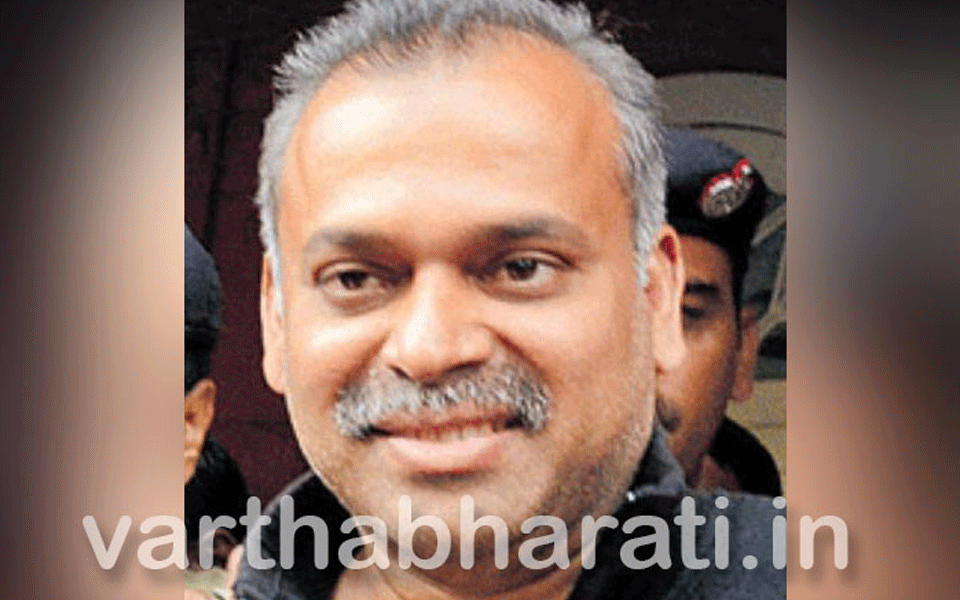
Udupi, July 08: The police have brought underworld fugitive don Bannanje Raja who is in Belagavi jail, to Udupi to see his mother who is suffering from illness, following the permission from the Principal District and Sessions Court of Udupi on Sunday.
As of now, Raja was kept in Udupi city police station lock-up. The police have allowed him to stay with his mother at Kalmadi on Monday from 6am to 6pm.
Court permission
During the hearing at the court, Bannanje Raja who was in Belagavi Hindalga jail had appealed Judge Venkatesh Nayak through video conference to allow him to see his mother as she was ill. His advocate Shantaram Shetty filed an appeal before the court.
Following his appeal, the judge had given permission on July 5 to see his mother and stay with her from 6 am to 6 pm. The court also directed him to bear the expenses of his travel and security and pay it to the police department. Based on that, the DAR police team led by Udupi city police inspector Sunil Kumar went to Belagavi on July 7 and brought him to Udupi on Sunday morning with tight police security. Meanwhile, Raja was subjected to medical check-up at the Kundapura government hospital and brought him to Udupi police station at 6.45 pm.
Tight security around police station
Tight police security was arranged around the city police station where Raja was kept in the lock-up. Armed police personnel were deputed for the security. Before Raja was brought to the station, sufficient police force was deputed around the police station under the leadership of Udupi circle inspector Manjunath. Soon after he was taken inside the police station, the gate was closed and no one was allowed inside.
The police station was equipped with three CCTV cameras to keep a vigil on his movement inside the station where he would stay till July 10 morning. Today, Udupi SP Lakshman Nimbargi and ASP Kumarachandra visited the police station and reviewed the police security. Kundapura DySP Dinesh Nayak was present.
Police security to his house at Kalmadi
Police sources said that Bannanje Raja would be taken to his house at Kalmadi at 7 am with tight police security. The police force has already checked the entire house and inspected it and provided tight police security around the house. Raja was allowed to stay only with his mother from morning to evening. No others would be allowed inside the house. The police would bring him back to the city police station in the evening and keep him till July 10 morning. Later, he would be subjected to medical check-up at the district government hospital and taken to the Belagavi jail, sources said.


Let the Truth be known. If you read VB and like VB, please be a VB Supporter and Help us deliver the Truth to one and all.
Vice president embarks on two-day visit to Sri Lanka
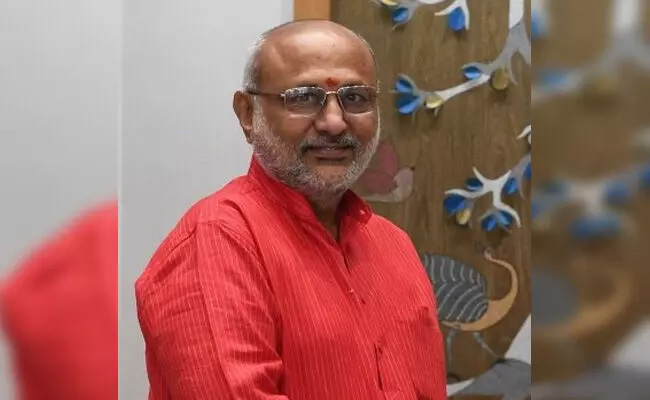
New Delhi (PTI): Vice President of India C P Radhakrishnan on Sunday left for Sri Lanka on a two-day official visit.
This marks the first bilateral visit by an Indian vice president to Sri Lanka, his office said.
During the visit, Radhakrishnan will call on the President of Sri Lanka Anura Kumara Disanayaka.
He will also meet the Prime Minister of Sri Lanka Harini Amarasuriya, along with other dignitaries on April 19, an official statement said.
Radhakrishnan will interact with leaders of the Indian-origin Tamil community and Tamil leaders from the Northern and Eastern regions of Sri Lanka.
Later in the day, the vice president will address the Indian diaspora at a community event in Colombo, where he will virtually hand over houses to beneficiaries from Tamil communities, built with assistance from the Indian government as part of the third phase of the Indian Housing Project.
With this, the total number of houses for Tamil communities will reach 50,000, and 10,000 more houses are being built in the fourth phase of the project, the statement mentioned.
On April 20, the vice president will travel to Nuwara Eliya, visit the Indian Housing Projects, and interact with the local Tamil community.
This visit, which follows recent high-level engagements between the two countries, is expected to further strengthen the millennia-old civilisational and people-to-people ties between India and Sri Lanka, the statement said.