Bantwal: Ex-soldier dies after casting vote at home
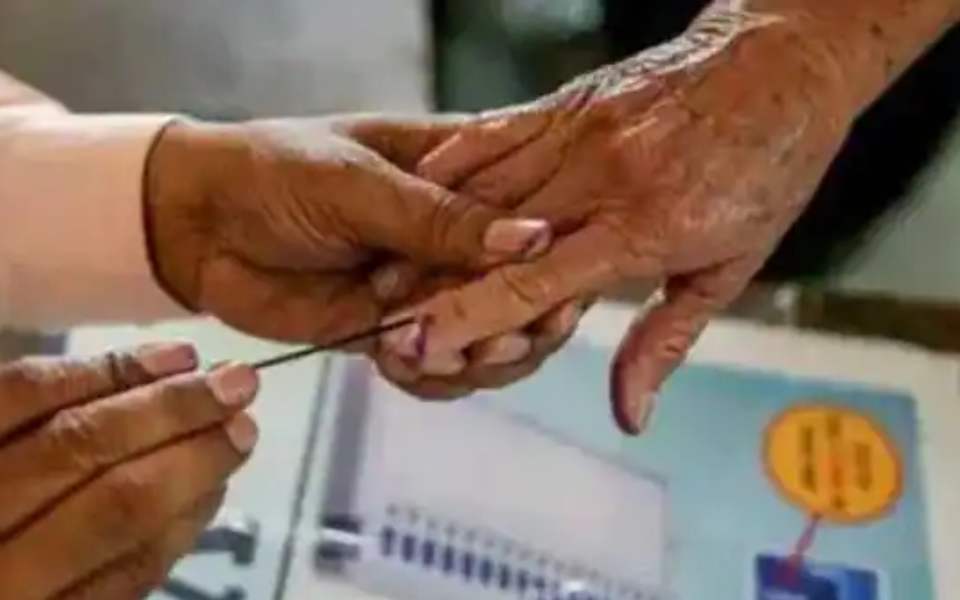
Bantwal, Apr 24: Madhava Prabhu, an 85-year-old resident of Wagga in Bantwal, exemplified unwavering commitment to his civic duty even in the face of illness.
Admitted to a private hospital here owing to his ailment, Prabhu, a former army officer and inspector of Malaria Eradication department, died without responding to treatment on Wednesday.
Amidst his illness, Prabhu was determined to exercise his right to vote, especially with the provision for home voting for those aged 85 and above.
With the doctor's permission, he left the hospital briefly to fulfil his sacred duty on Tuesday. However, fate had a cruel twist in store as Prabhu's condition worsened upon his return to the hospital.
ALSO READ: Railways to run special trains for elections in Karnataka
Tragically, he passed away today, leaving behind his wife, two daughters, and sons.
Prabhu's life epitomizes dedication and service, from his tenure in the army to his role in the Malaria Eradication Department and his involvement in community affairs as vice president of the Multi-Purpose Co-operative Society.
His commitment to duty and his final act of voting serve as a poignant reminder of the importance of civic engagement, even in the most challenging circumstances.
Let the Truth be known. If you read VB and like VB, please be a VB Supporter and Help us deliver the Truth to one and all.
Lebanon appoints new representative for talks with Israel, rejects linkage to Iran
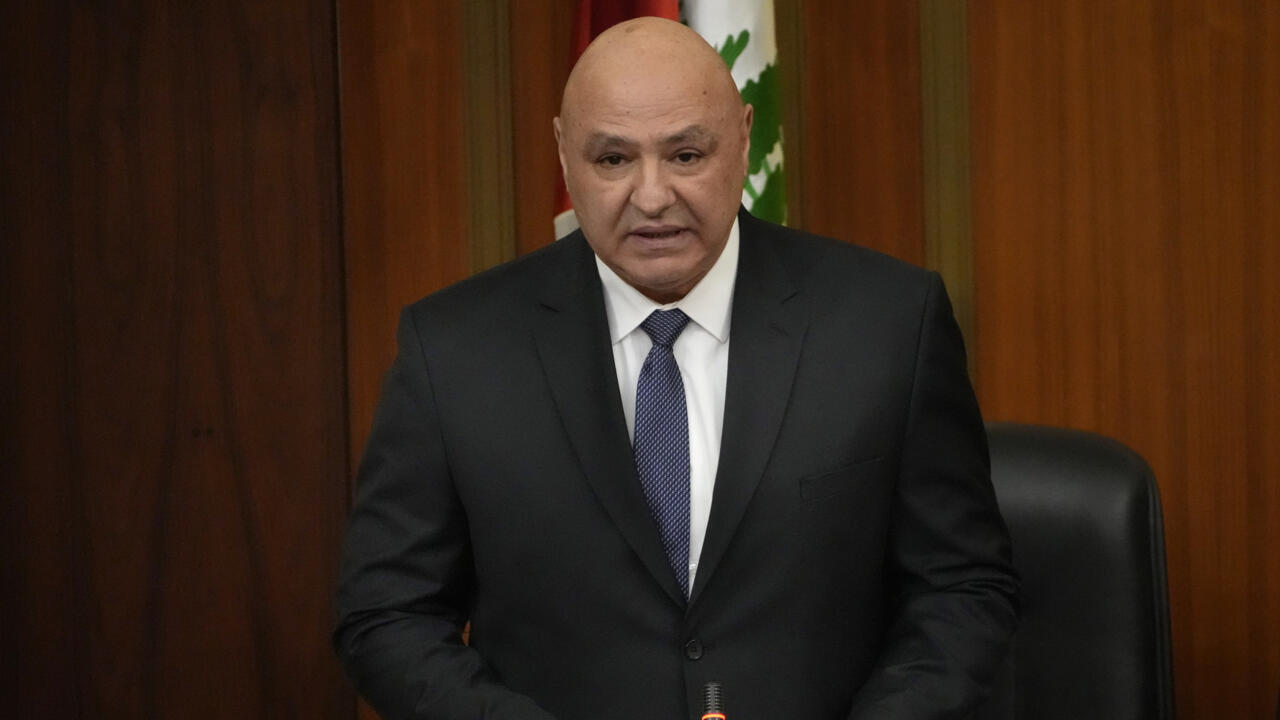
Beirut: Lebanon’s has moved to underline its independent position in ongoing regional developments, amid attempts to link the country to the broader conflict involving Iran, the United States and Israel.
President Joseph Aoun, while announcing the appointment of former US ambassador Simon Karam as Lebanon’s representative in talks with Israel, made it clear that Karam would be the sole representative for Lebanon and that there would be no substitute.
The move comes in response to what the Lebanese officials see as efforts by Iran to tie Lebanon’s situation to the wider regional conflict. Iran had indicated that there would be no ceasefire involving the US, Israel and Iran unless it also included a ceasefire in Lebanon.
Some groups, including Hezbollah and its supporters, had expressed support for linking the situations, citing concerns that the Lebanese government has limited leverage in negotiations with Israel. Lebanon is not formally a party to the conflict, and its army is considered weak.
However, others, including Prime Minister Nawaf Salam, have opposed this approach. They view Iran’s stance as an attempt to influence Lebanon’s internal affairs and see it as undermining the country’s sovereignty.
Officials backing the government’s position say the move is aimed at reaffirming Lebanon’s sovereignty and ensuring that decisions about peace and ceasefire within the country are not dictated externally.
They also see it as a safeguard, so that any breakdown in talks between the US, Israel and Iran does not automatically lead to renewed conflict in Lebanon.