Bearys Institute of Technology chosen as Nodal Center for "Virtual Labs" initiative
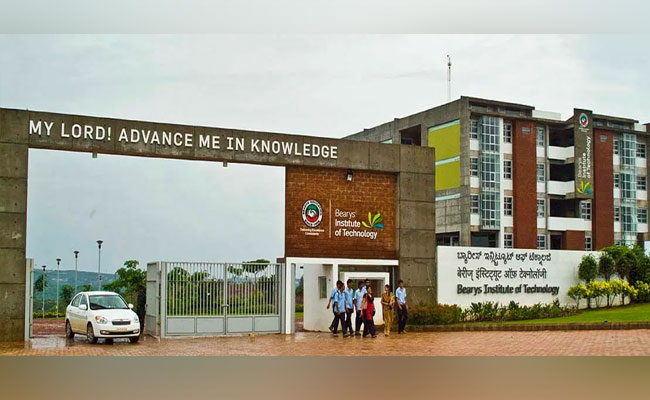
Mangaluru: Bearys Institute of Technology (BIT) has been honored with the designation of a Nodal Center for the "Virtual Labs" initiative, a pioneering project coordinated by the Ministry of Education in partnership with IIT Delhi. This initiative falls under the National Mission on Education through ICT, aimed at revolutionizing educational paradigms.
Virtual Labs provides students with unparalleled access to simulation-based laboratories for the scientific and Engineering disciplines. Embracing the spirit of inclusivity, these labs cater to students at both the undergraduate and postgraduate levels, as well as to aspiring researchers. Students will equipped with learning aids to enrich their educational experiences.
BIT's appointment as a Nodal Center for the Virtual Labs initiative represent a new chapter in the institution's commitment to academic excellence and innovation.
BIT aims to help students become skilled and resourceful leaders, ready to face the challenges of the future with confidence and creativity.
Let the Truth be known. If you read VB and like VB, please be a VB Supporter and Help us deliver the Truth to one and all.
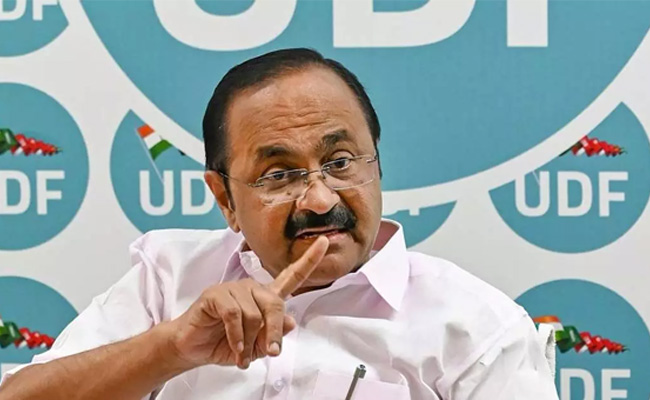
Accept Congress decision appointing V D Satheesan as Kerala CM: K C Venugopal
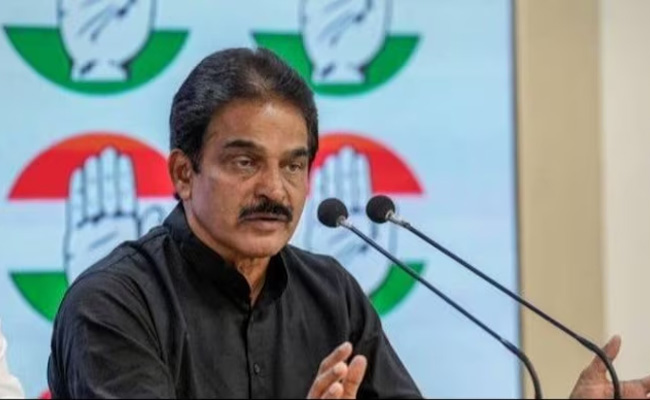
Thiruvananthapuram/New Delhi (PTI): Congress general secretary (organisation) K C Venugopal on Thursday accepted the party decision to select V D Satheesan as the chief minister of Kerala and congratulated him.
Speaking to reporters in New Delhi, Venugopal, who was one of the three persons being considered for the post, said he will provide all support to the CM and the UDF government in Kerala.
The decision comes more than 10 days after the results of the April Assembly polls in Kerala were declared.
The Congress-led UDF secured a more than two-thirds majority in the Kerala Assembly elections, but the party has been unable to decide its chief ministerial face due to lobbying by different camps and protests by workers at the ground level.
Besides, Satheesan and Venugopal, senior Congress leader Ramesh Chennithala was also in the race for the CM post.