Bearys is an educational institution that raises children as national assets: Dr. P.L. Dharma

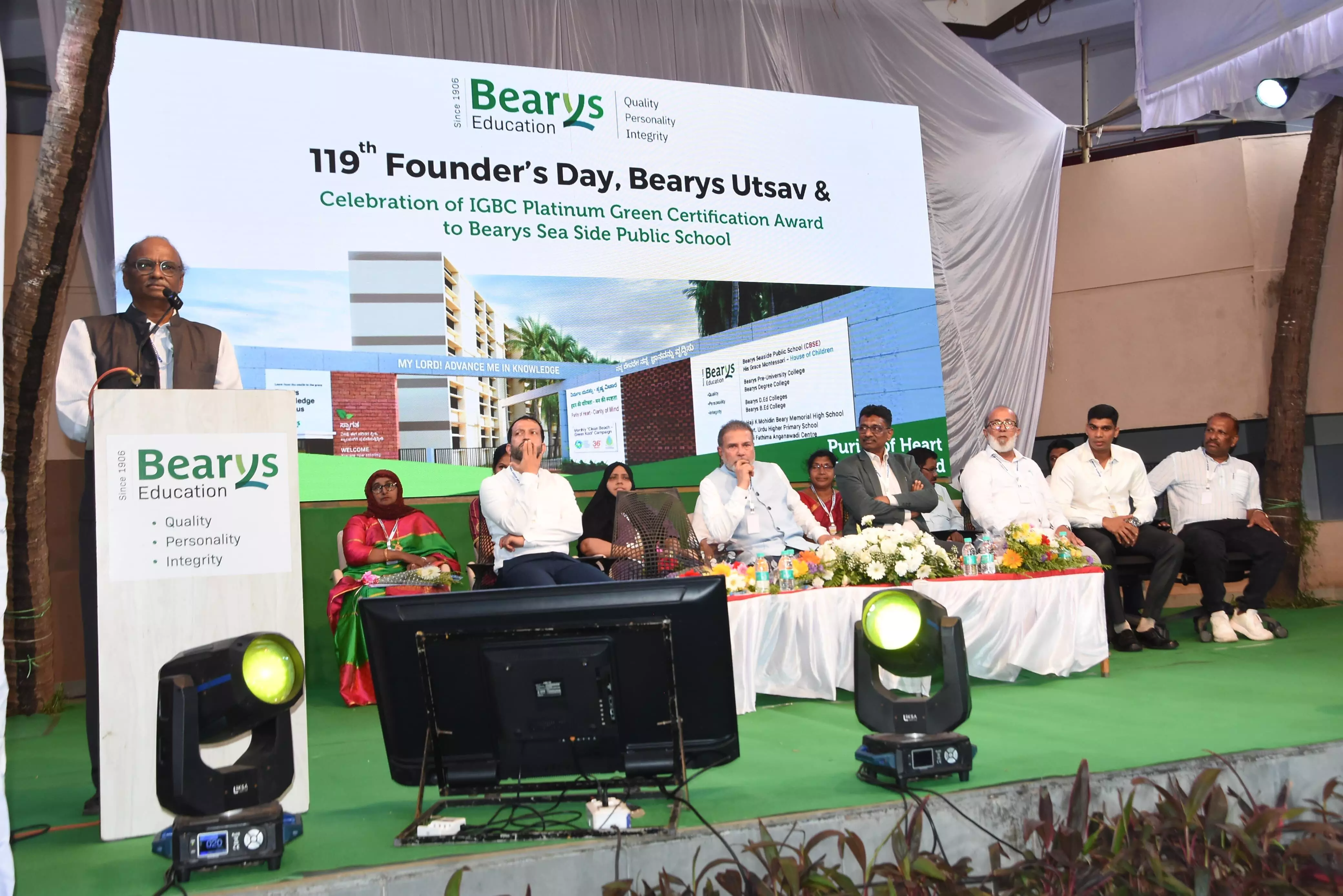
Kundapura: "Children who receive valuable education grow up to be virtuous citizens. Syed Mohamed Beary, who has made a remarkable contribution through his educational initiatives, is akin to a soldier safeguarding the nation. While others may quarrel over property, the Beary brothers have envisioned providing quality education to the children of their village. Their family’s contribution to education is immense," stated Prof. Dr. P.L. Dharma, Vice-Chancellor of Mangalore University.
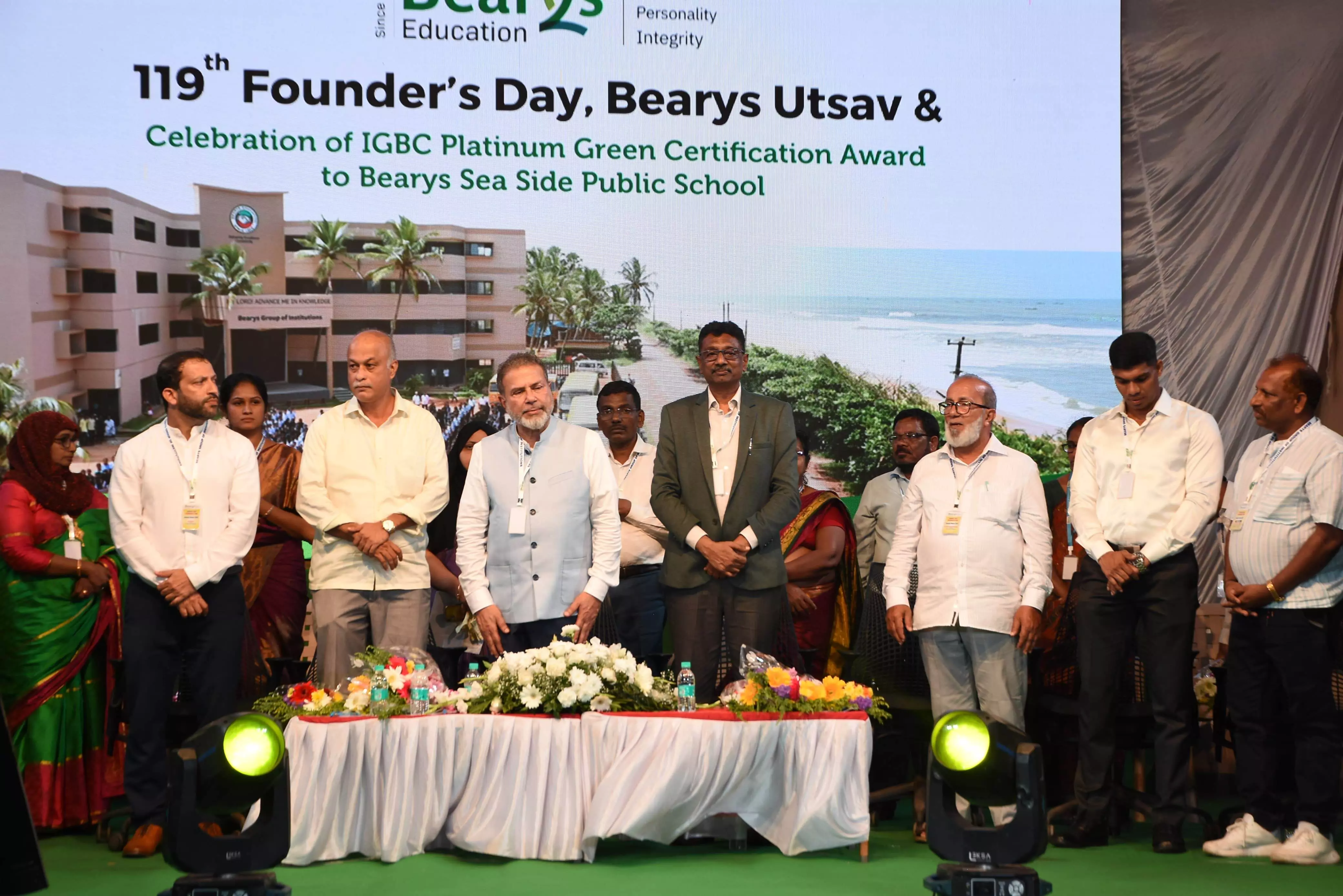
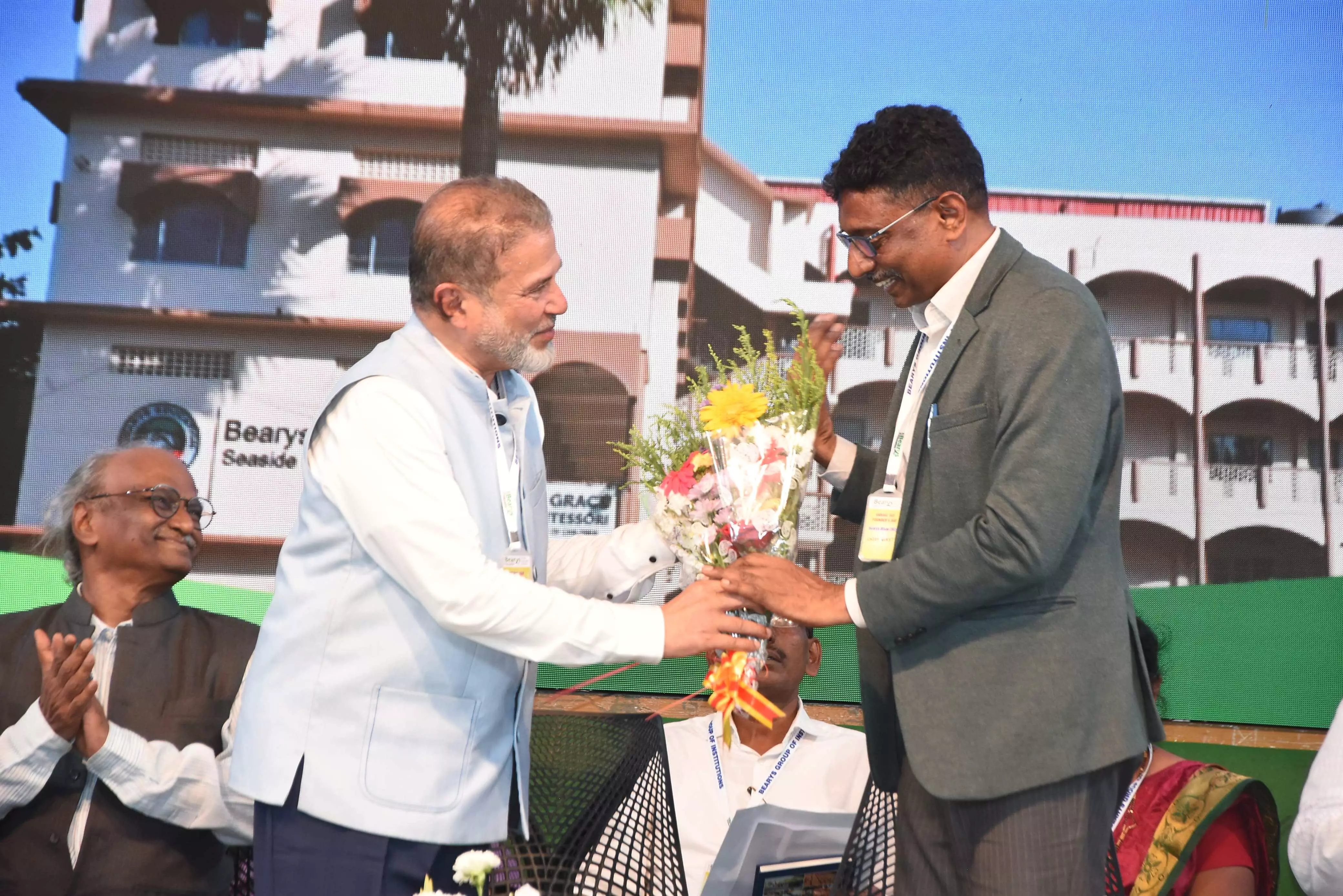
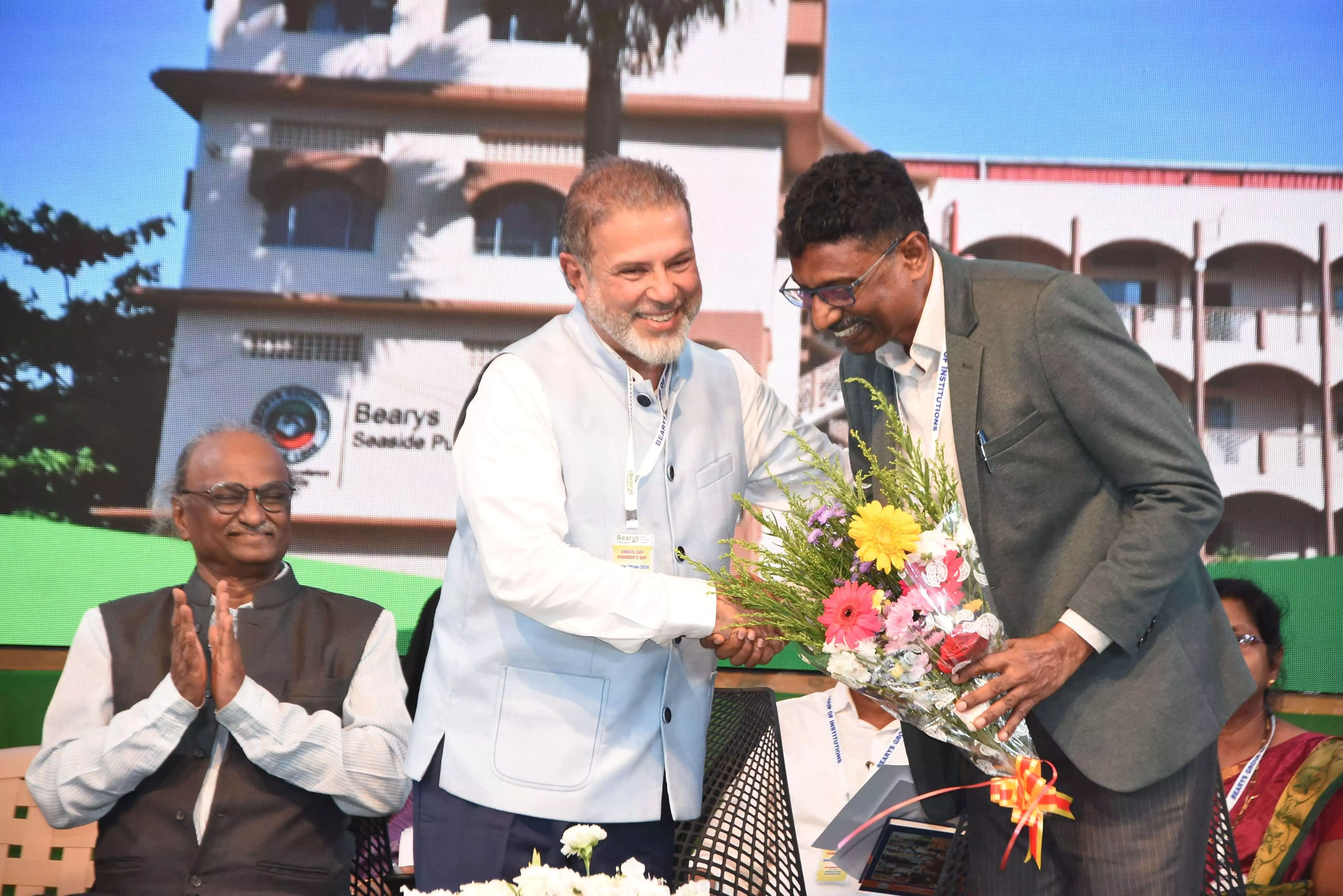
He was speaking after participating in the 119th Founder's Day celebration and school anniversary 'Bearys Utsav-2024' program of Bearys Knowledge Campus at Kodi on Saturday. Dr. P.L. Dharma also unveiled the new logo of Bearys Educational institutions.
Furthermore commending educational initiatives of Syed Mohamed Beary, Dr. Dharma stated, "This is an educational institution built to raise children as national assets. Syed Beary is a emotional person. The contribution of teachers and staff is also important for the growth of Bearys educational institution. Syed Beary recognizes those who work for the community and the country. Providing valuable education to so many children is no small task."
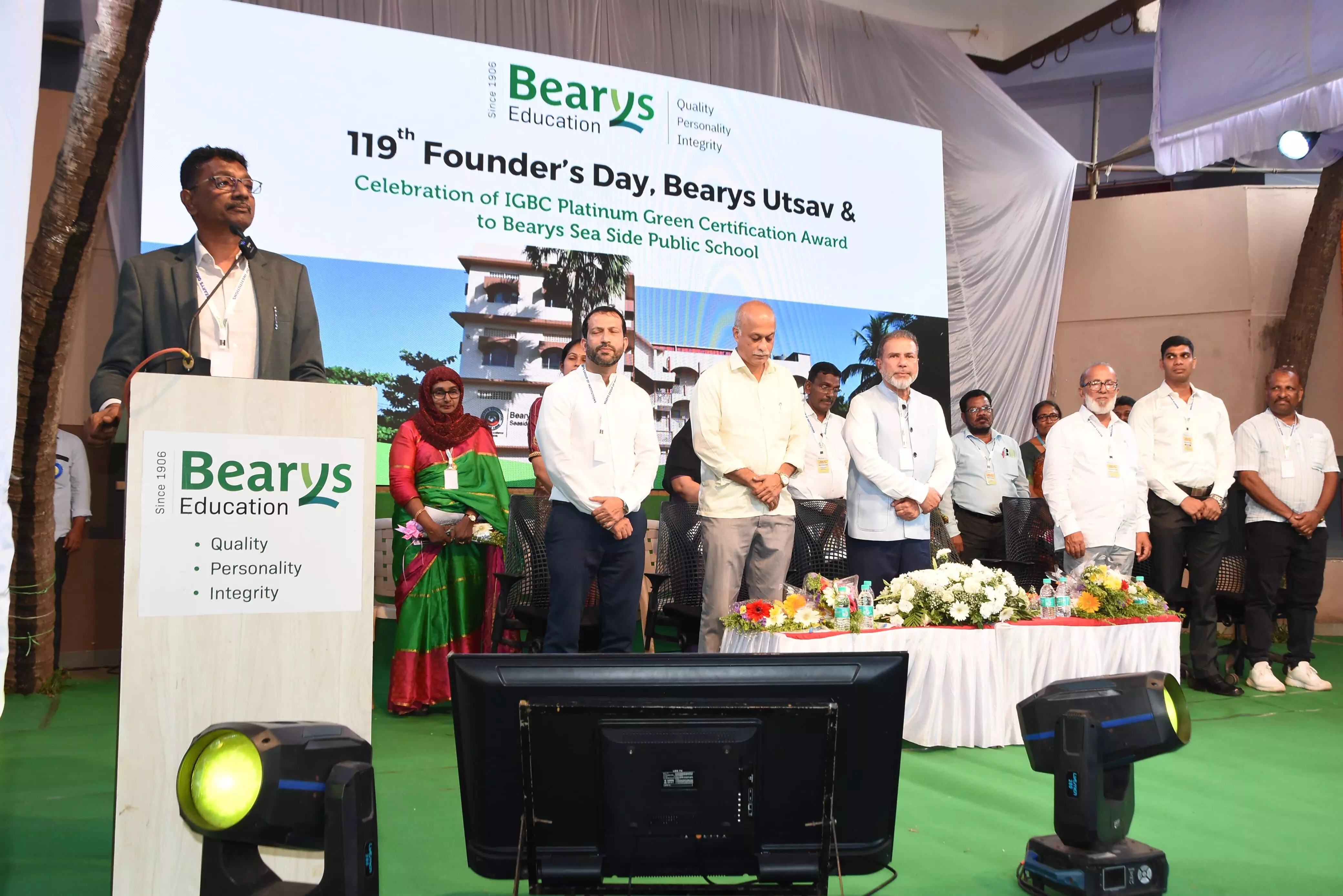
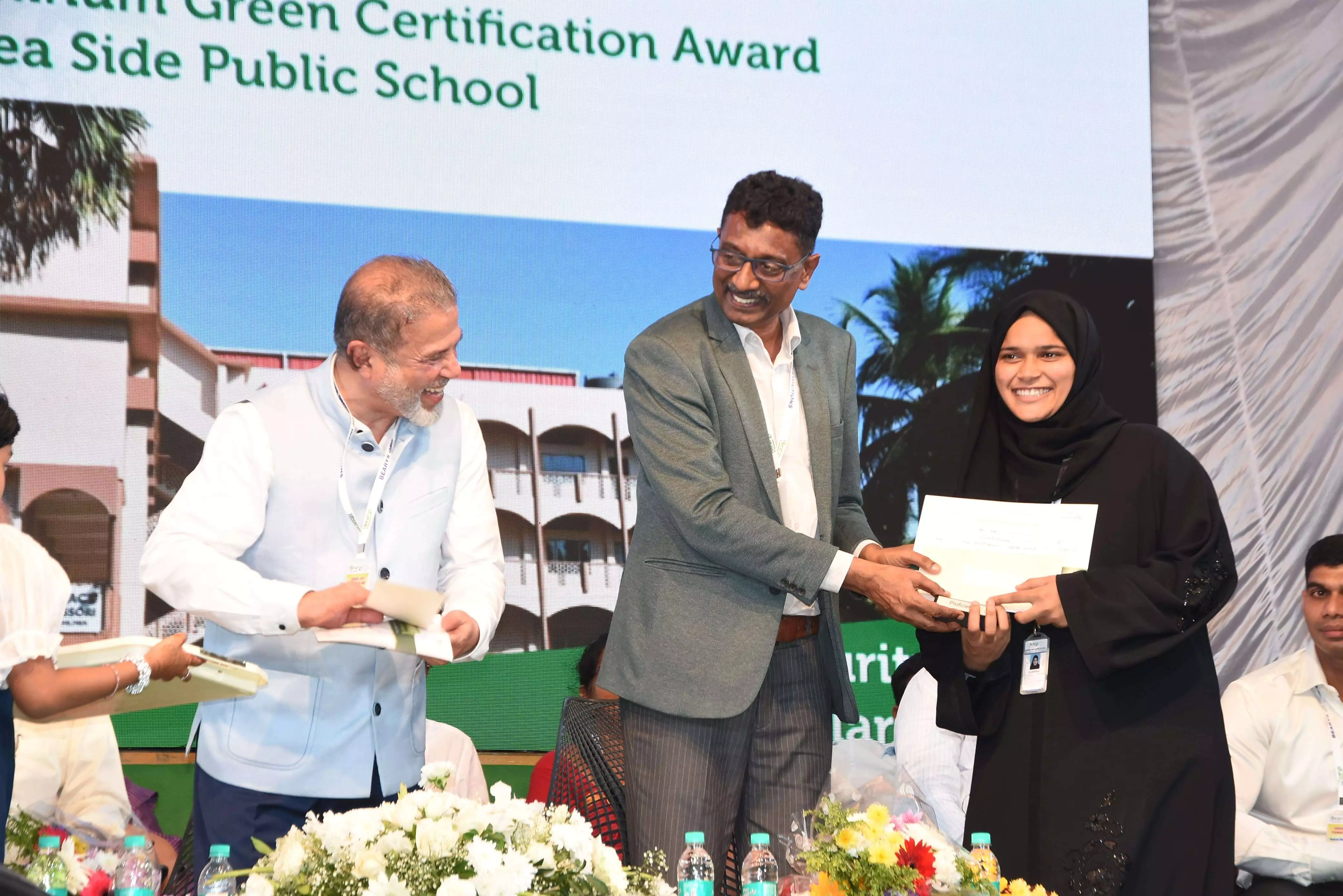
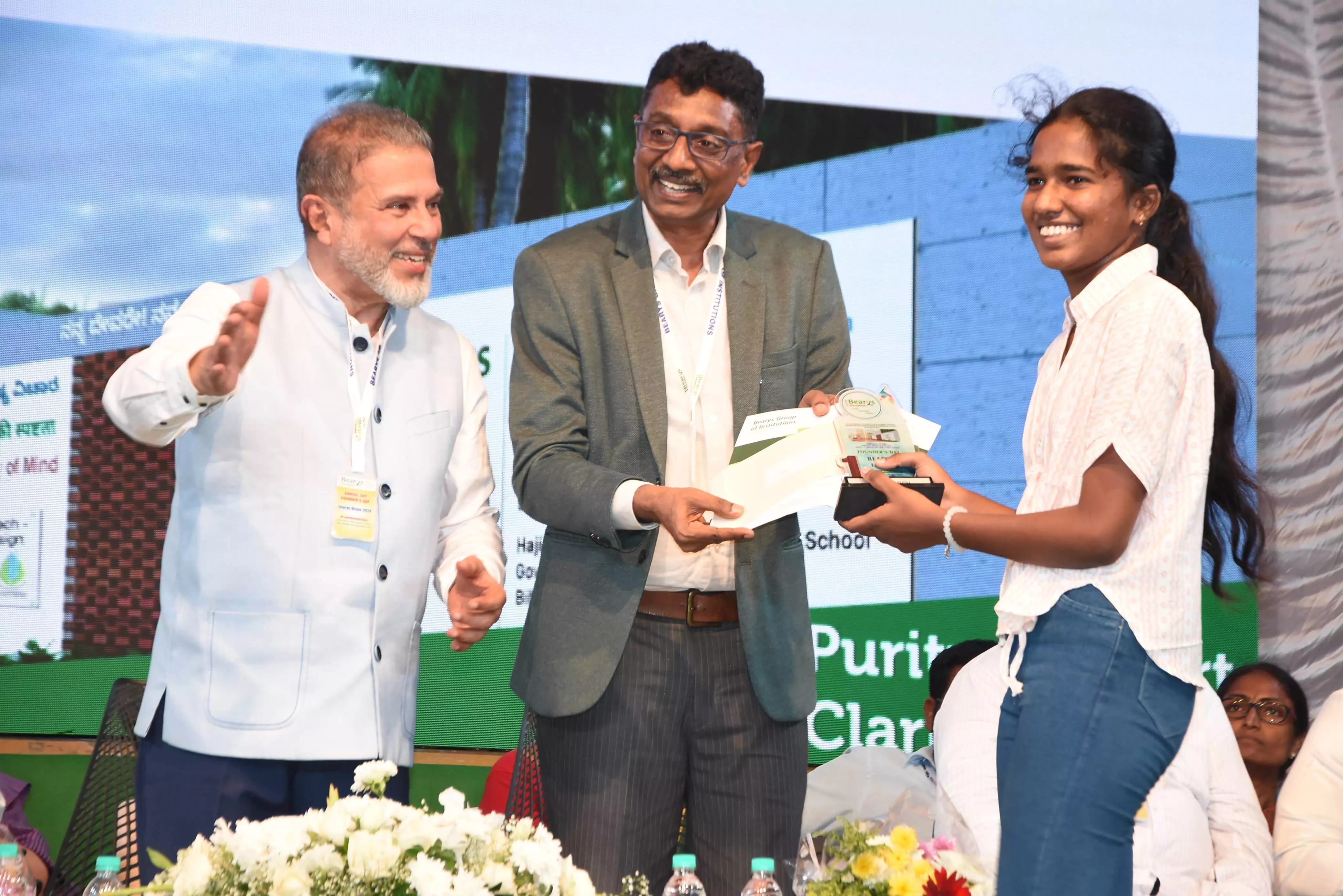
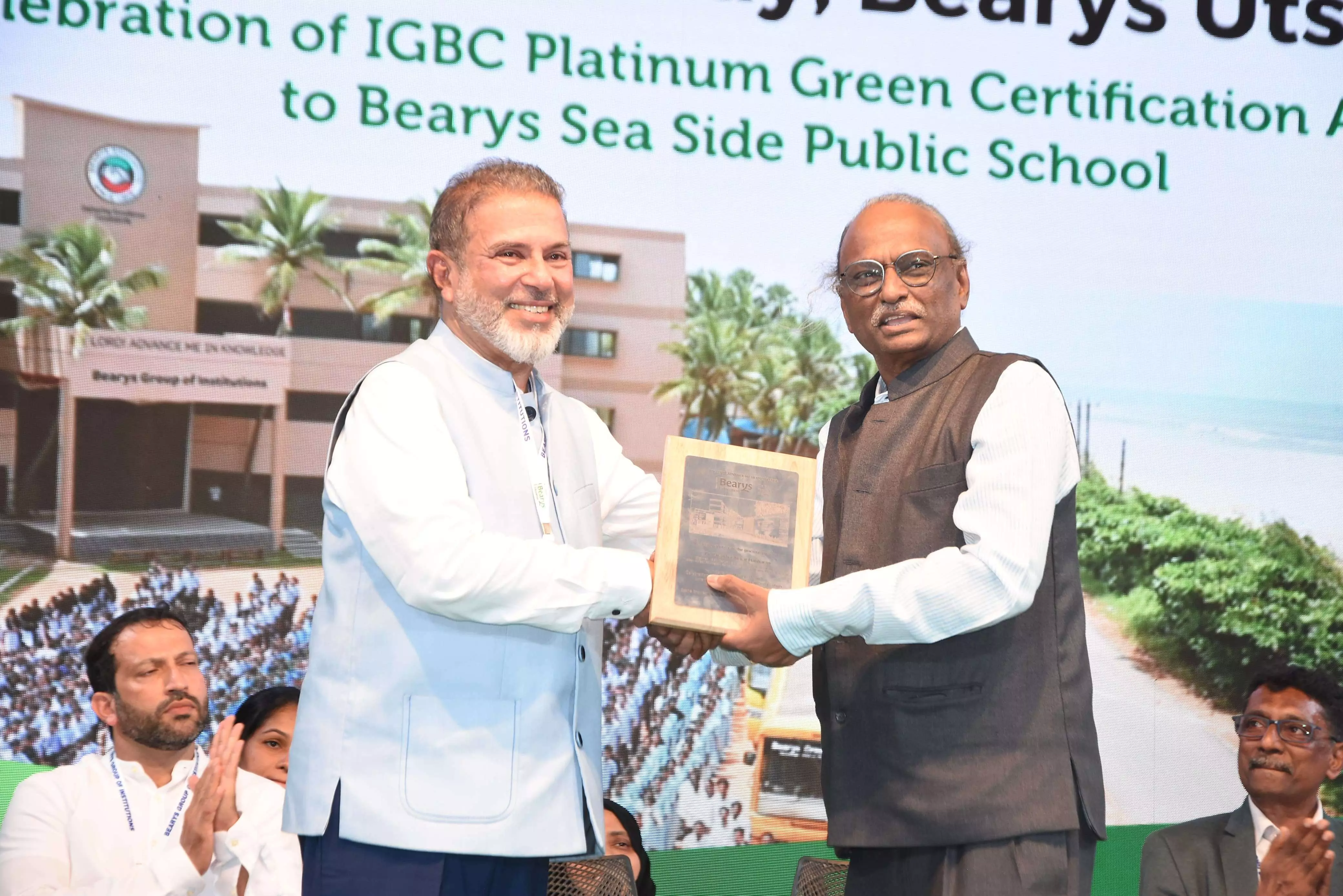
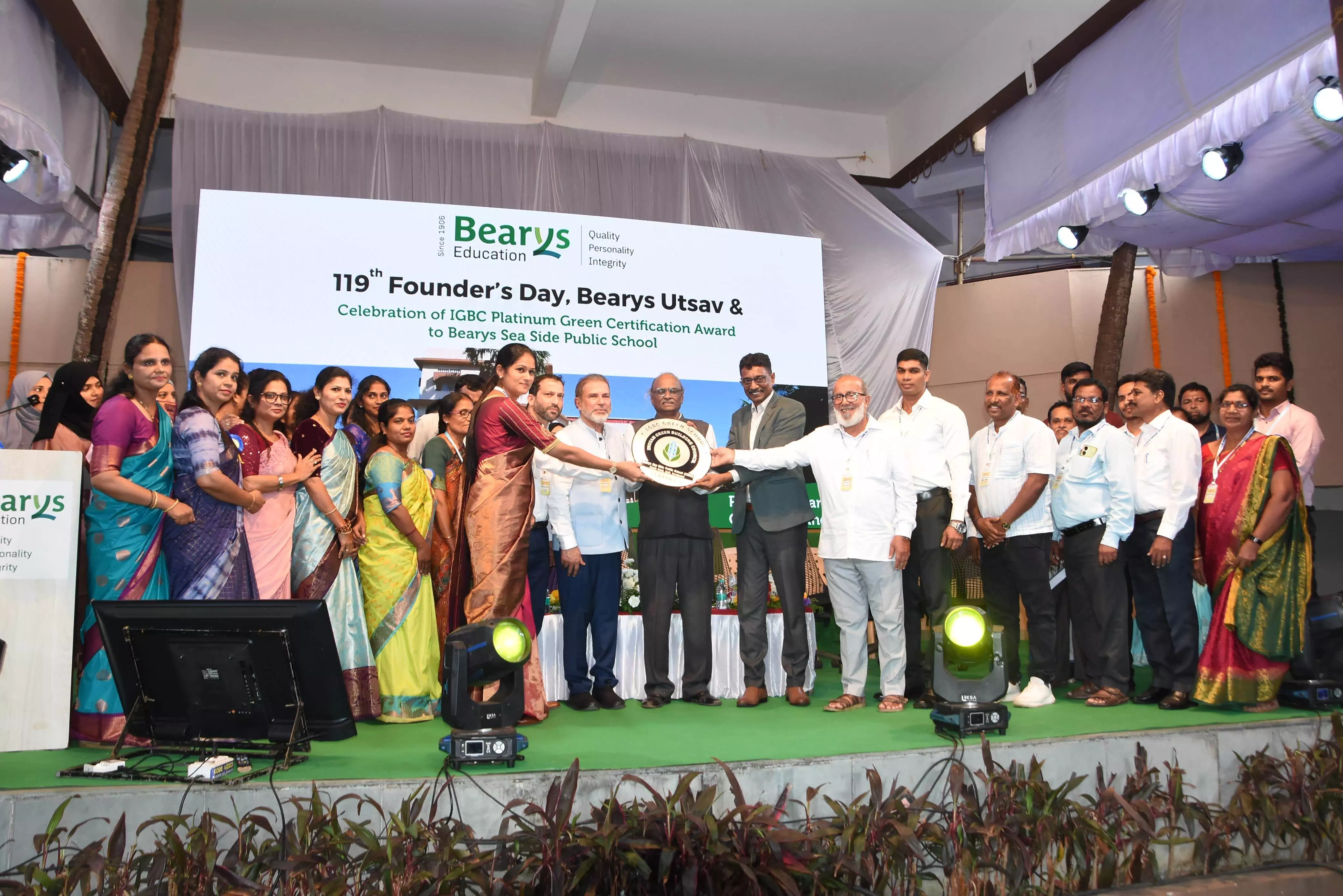
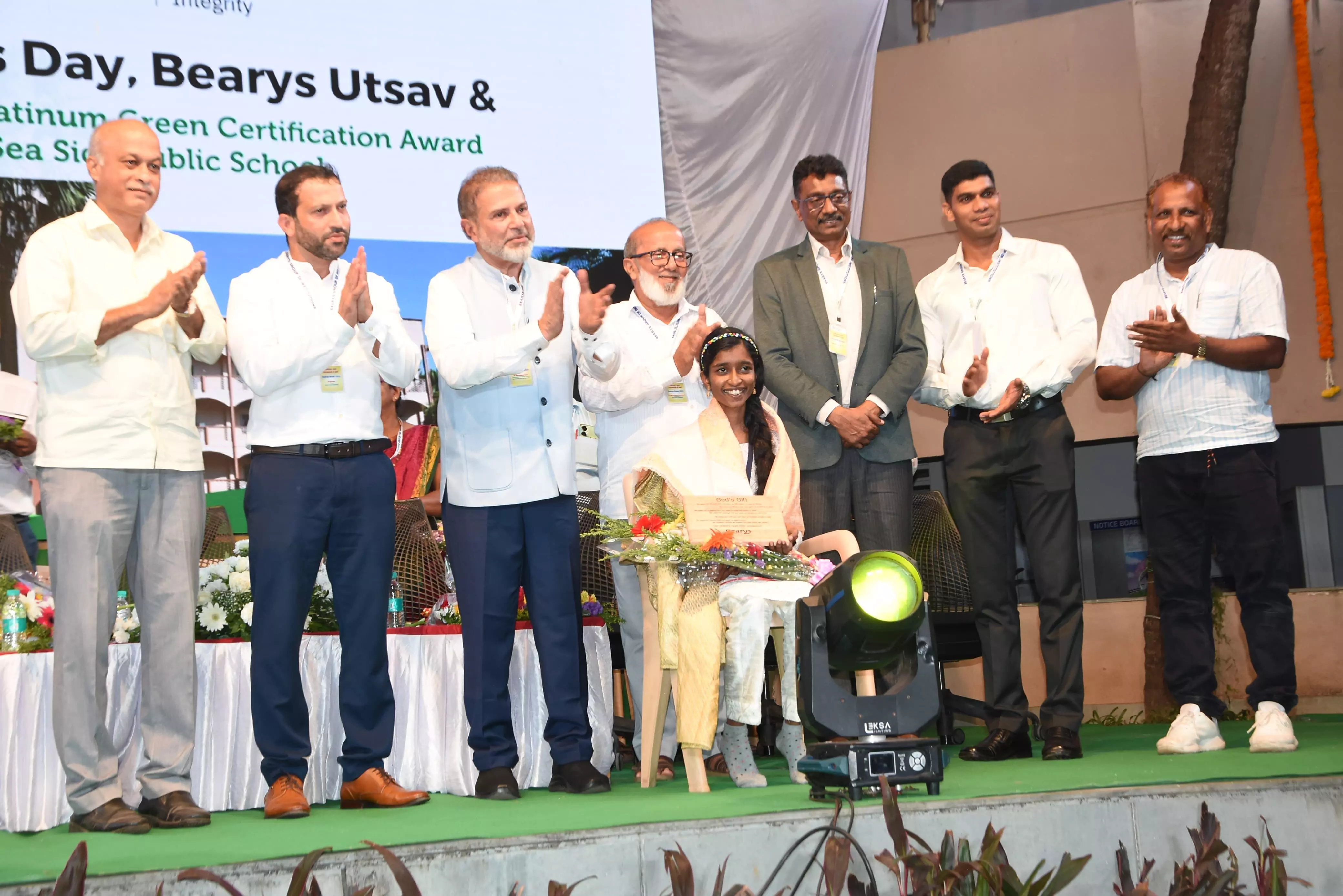
Dr. Chandrashekhar Hariharan, Chairman of the Indian Green Building Council (IGBC) Bengaluru Division, Ecological Economist, Trustee of Alt Tech Foundation and Prem Jain Trust, New Delhi, who handed over the Platinum Award given by IGBC to Bearys Seaside Public School, said, "It is a matter of great joy that Bearys institution has received this award. This is a great achievement. I have come here for Syed Beary. His words touch the heart. He is the son of this soil."
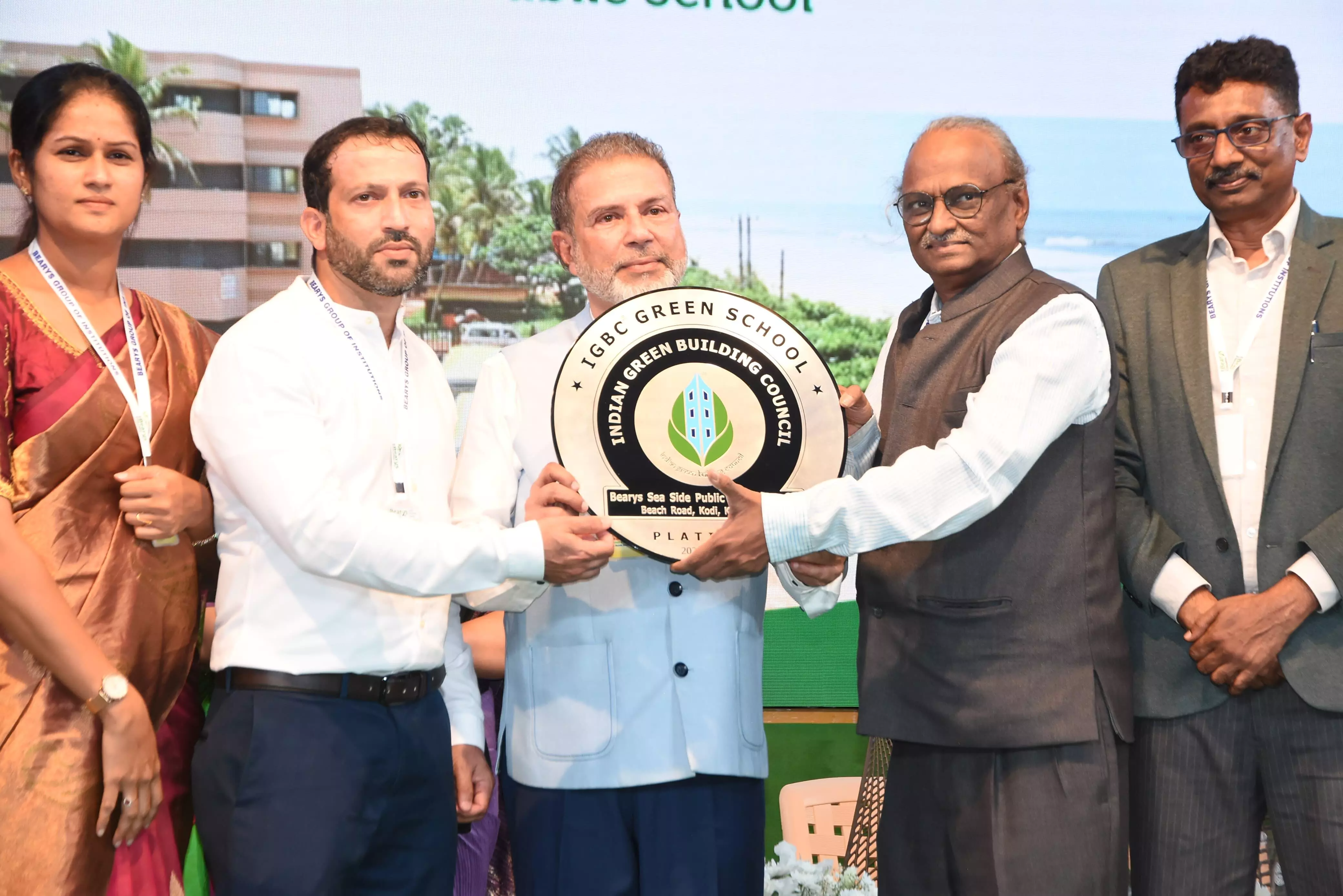
'I am very happy to see the commitment of Syed Mohamed Beary. All of it is coming from his heart. It is a pleasure to see that he has learned to shape not only his own mind but also the minds of young minds. His mind is like a child's one. His brother says that he was very interested in protecting trees since childhood. He feels hurt when he sees trees being cut down anywhere," he added.
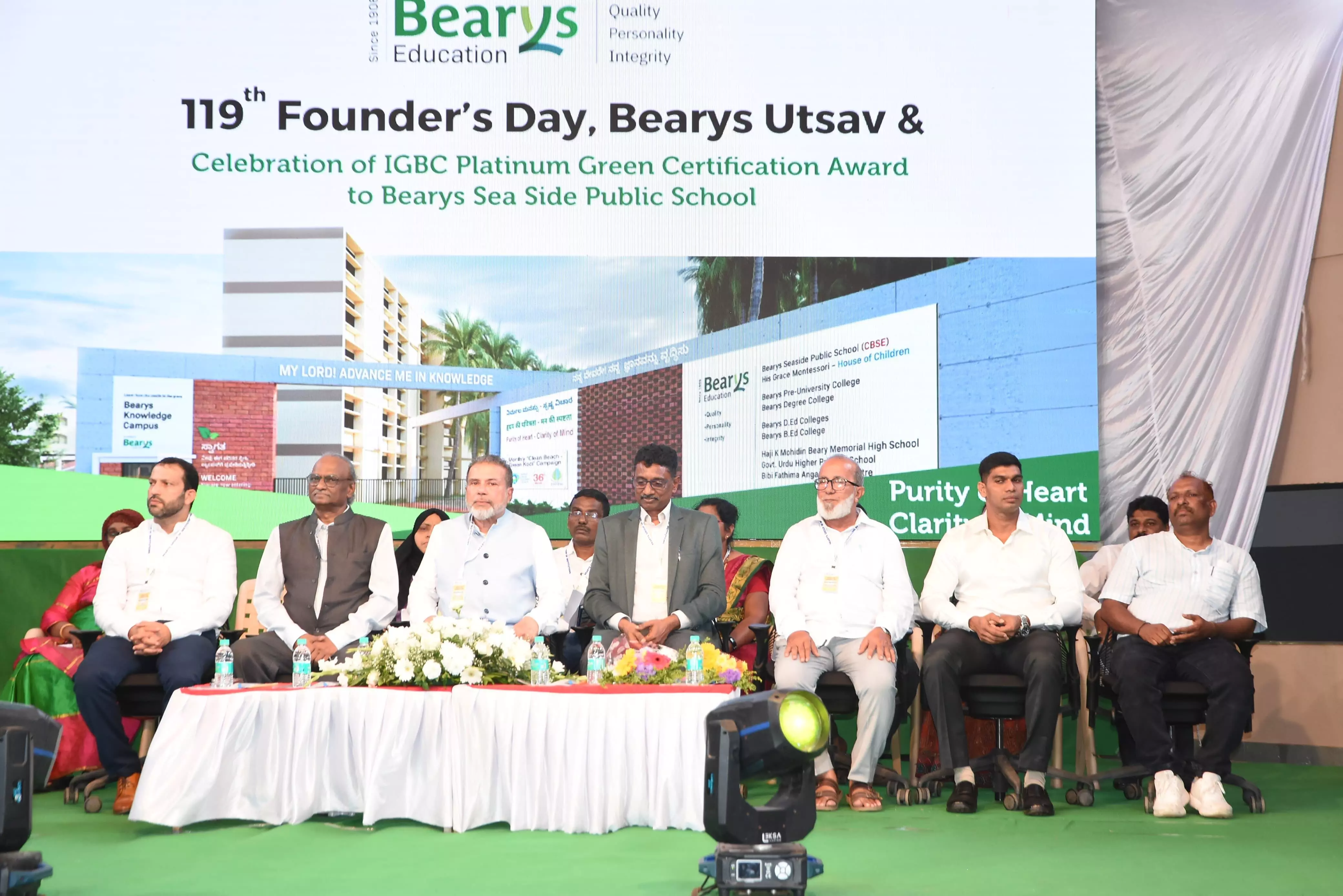
Chairman of the Bearys Group of Institutions, Haji K.M. Abdul Rehman Beary, who presided over the function, said that this institution, which was started in 1906, is carrying out environment-friendly activities along with excellent academic achievements under the guidance of Trust Convenor Syed Mohamed Beary. He said that the 'Clean Beach-Green Kodi' campaign started by Syed Mohamed Beary, an environmentalist, is being continuously held on the last Sunday of every month and has successfully completed 35 cleanliness programs so far.
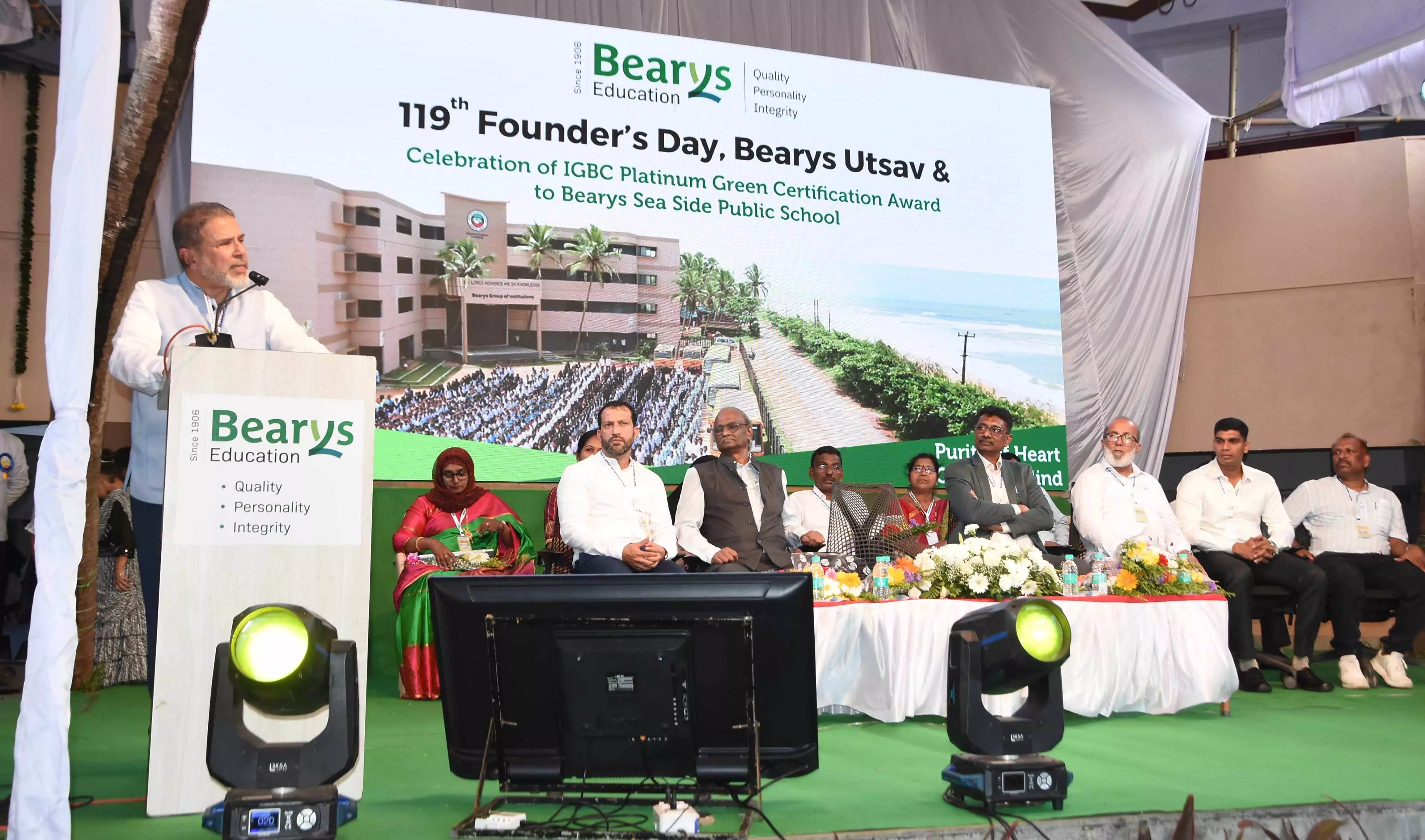
"Bearys Seaside Public School, which covers the CBSE curriculum, is at the forefront of continuously instilling environmental awareness in children and imparting education in accordance with eco-friendly norms in every activity. In this context, it has received the Platinum Rating Award from the Green School Rating System of the Indian Green Building Council (IGBC). This is the first green school in Udupi and Dakshina Kannada districts," added Abdul Rehman Beary.
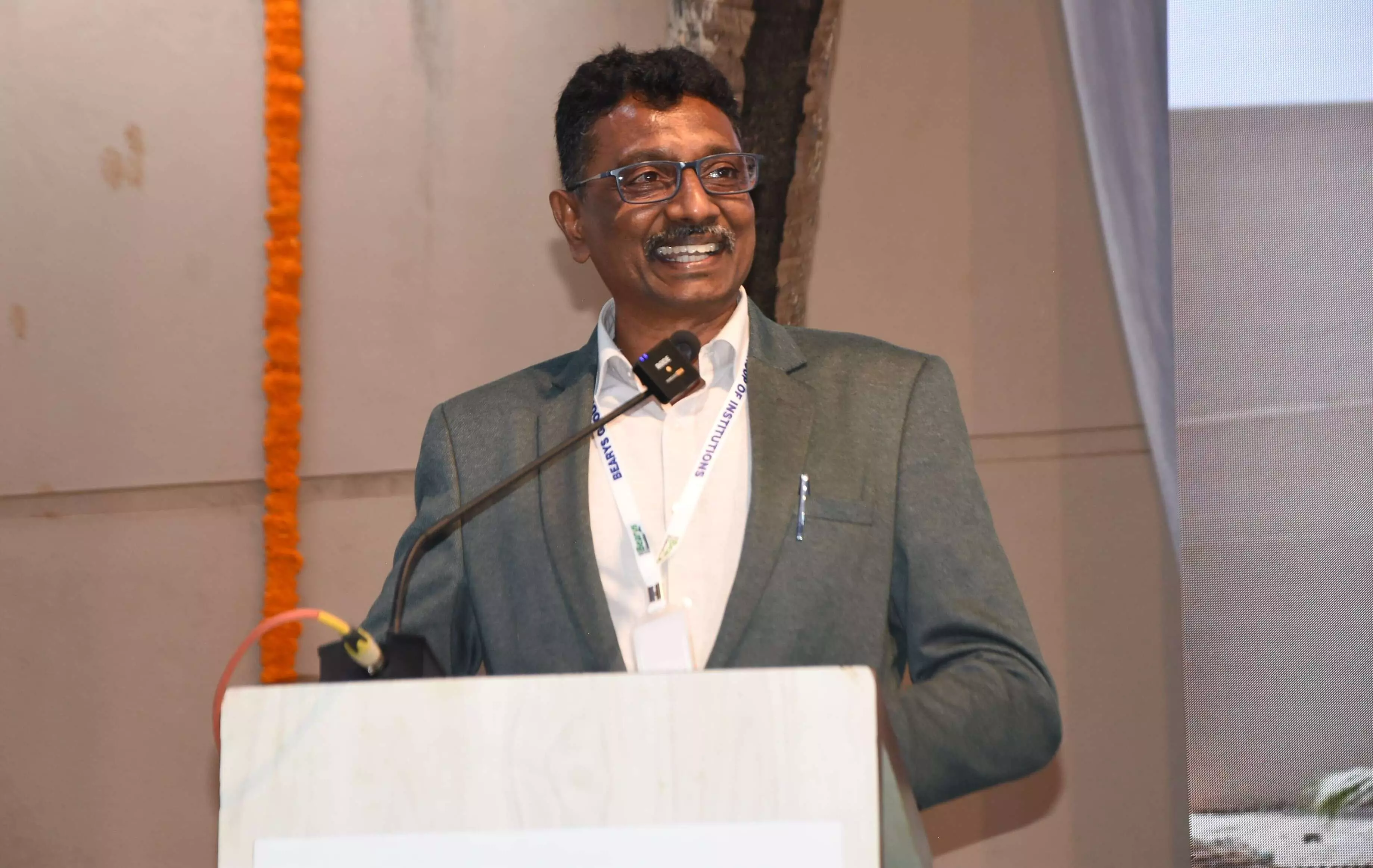
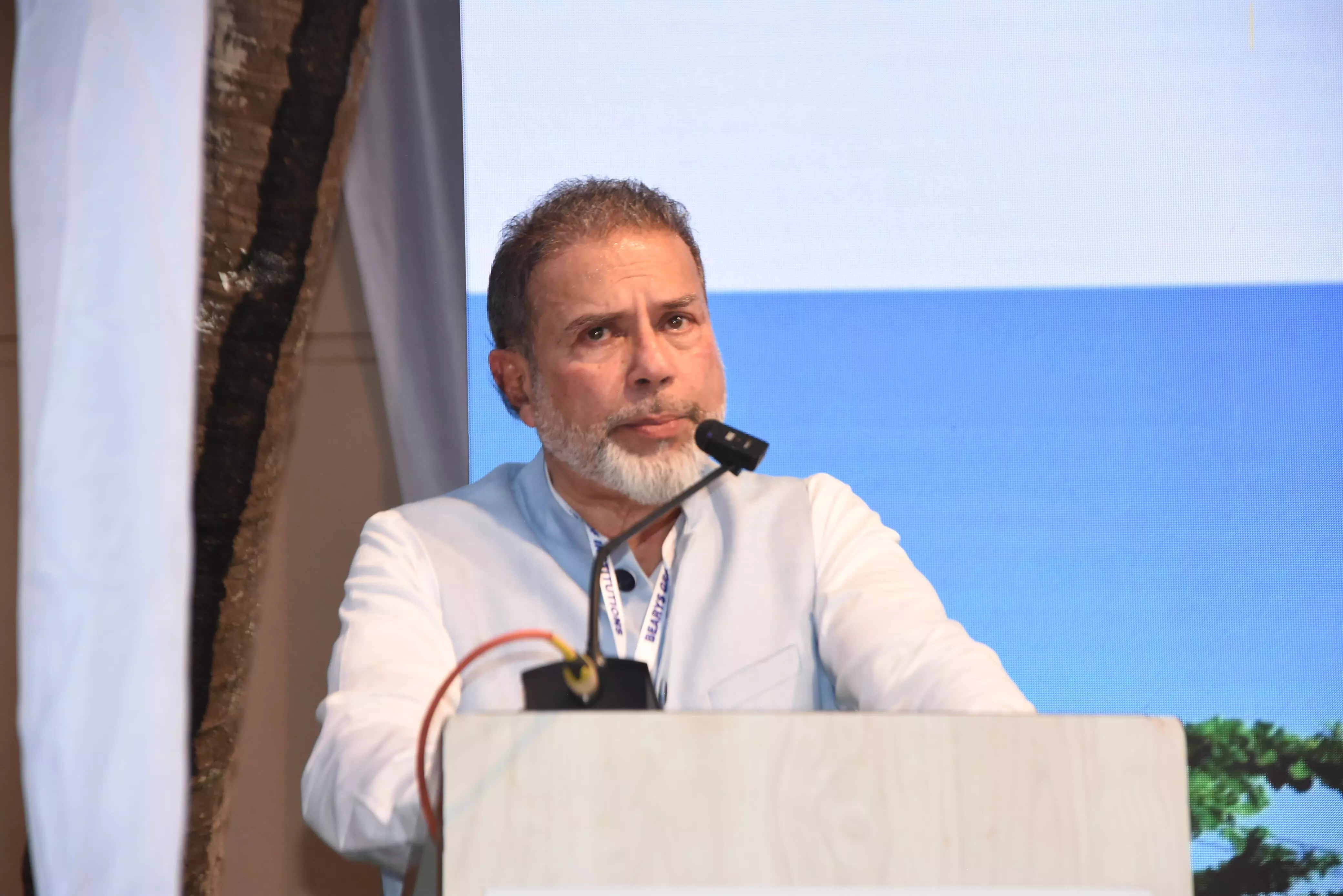
Trust convenor Syed Mohamed Beary speaking at the event said, "We should love whatever we do. We should do fair work. Our organization is performing its duty like a family. Here, work is done in the form of service. Our educational institution is running by the grace of the Almighty. Hard work also plays an important role in the achievement of work."
He also stated that, "Feeling of 'ours' is more important than the feeling of 'mine'. Education and humanity are Important and needed. We should leave the untruth and live in harmony. Doing good to others is the way to a happy life. Along with the knowledge of books, we should develop the strength to pass the test of life."
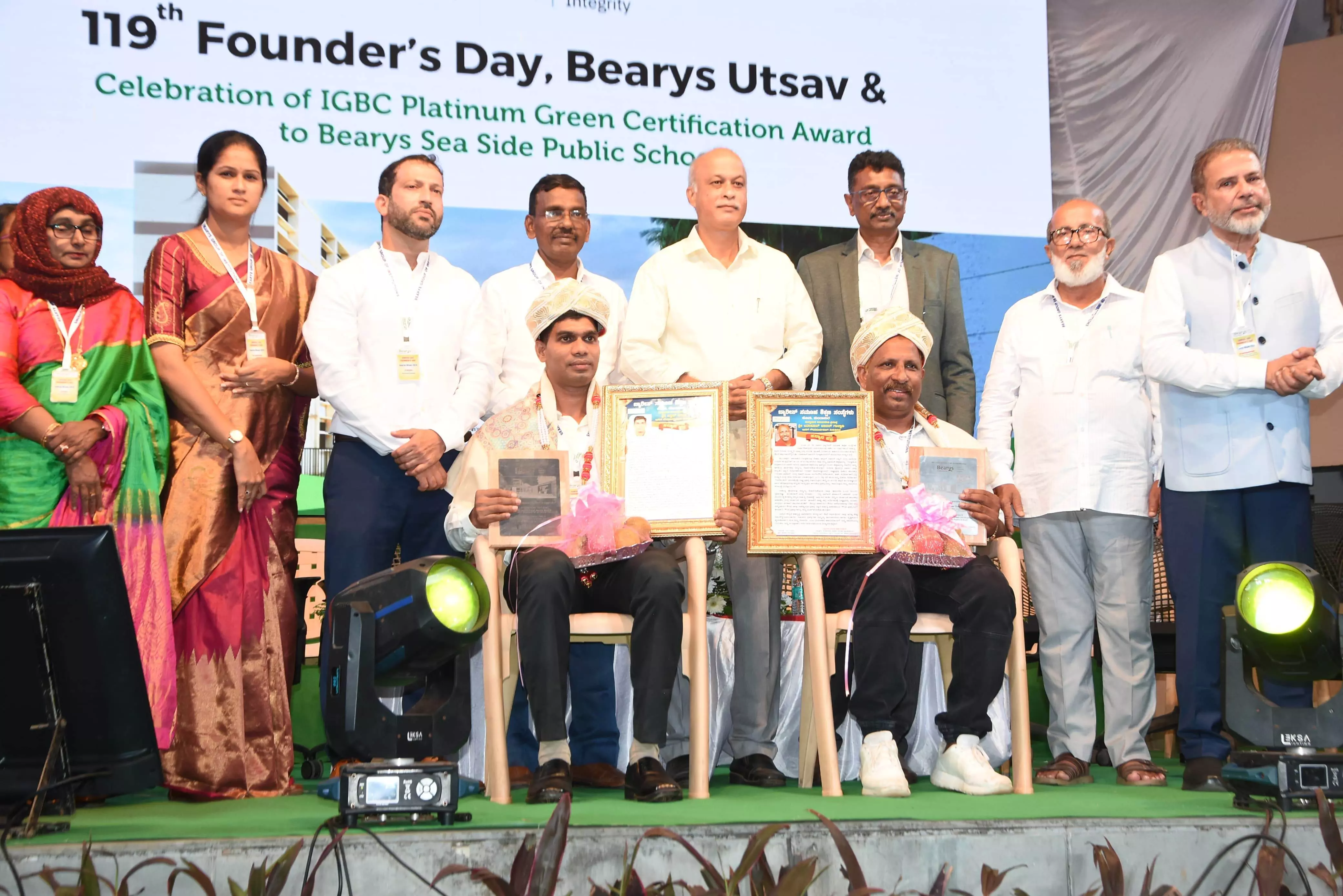
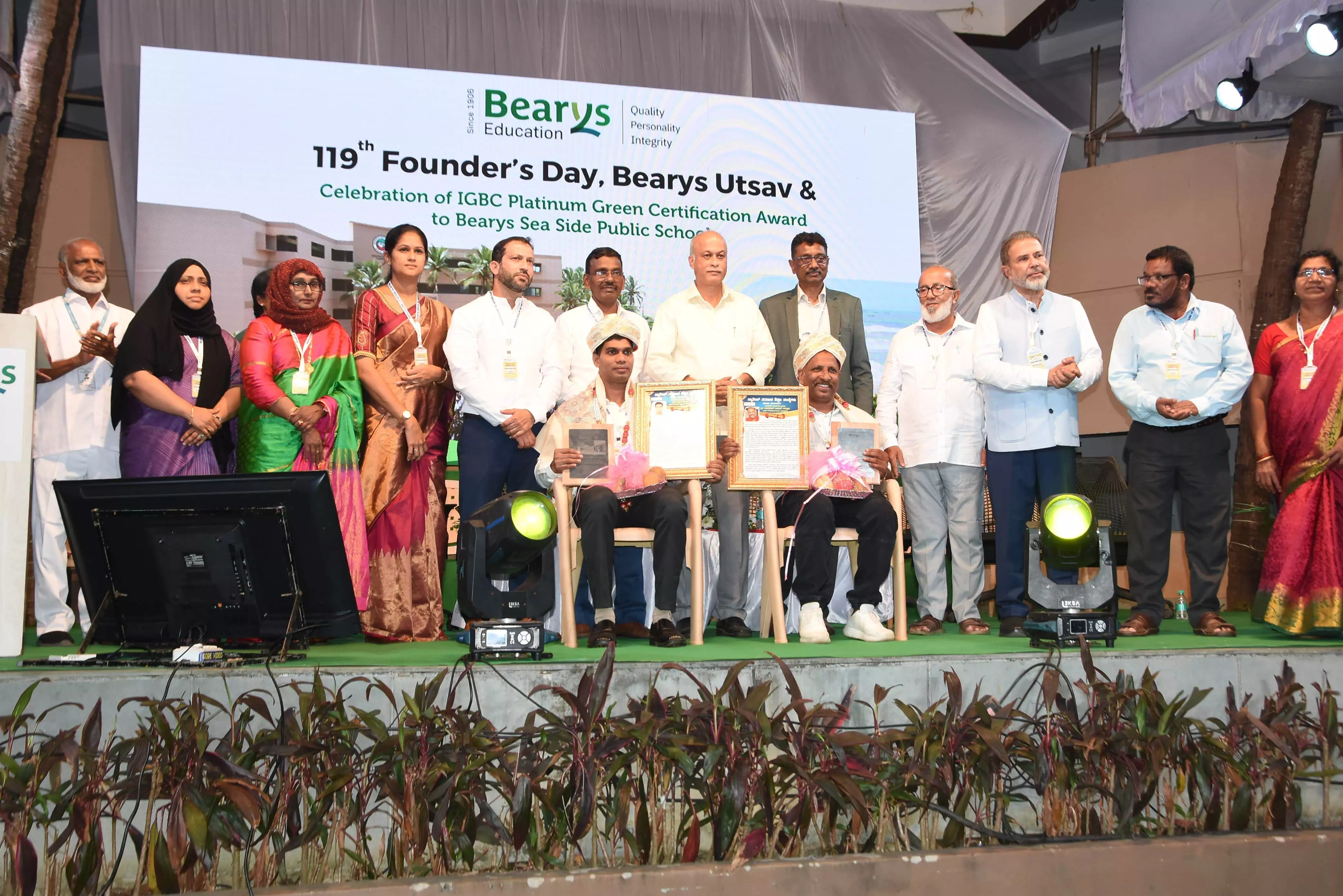
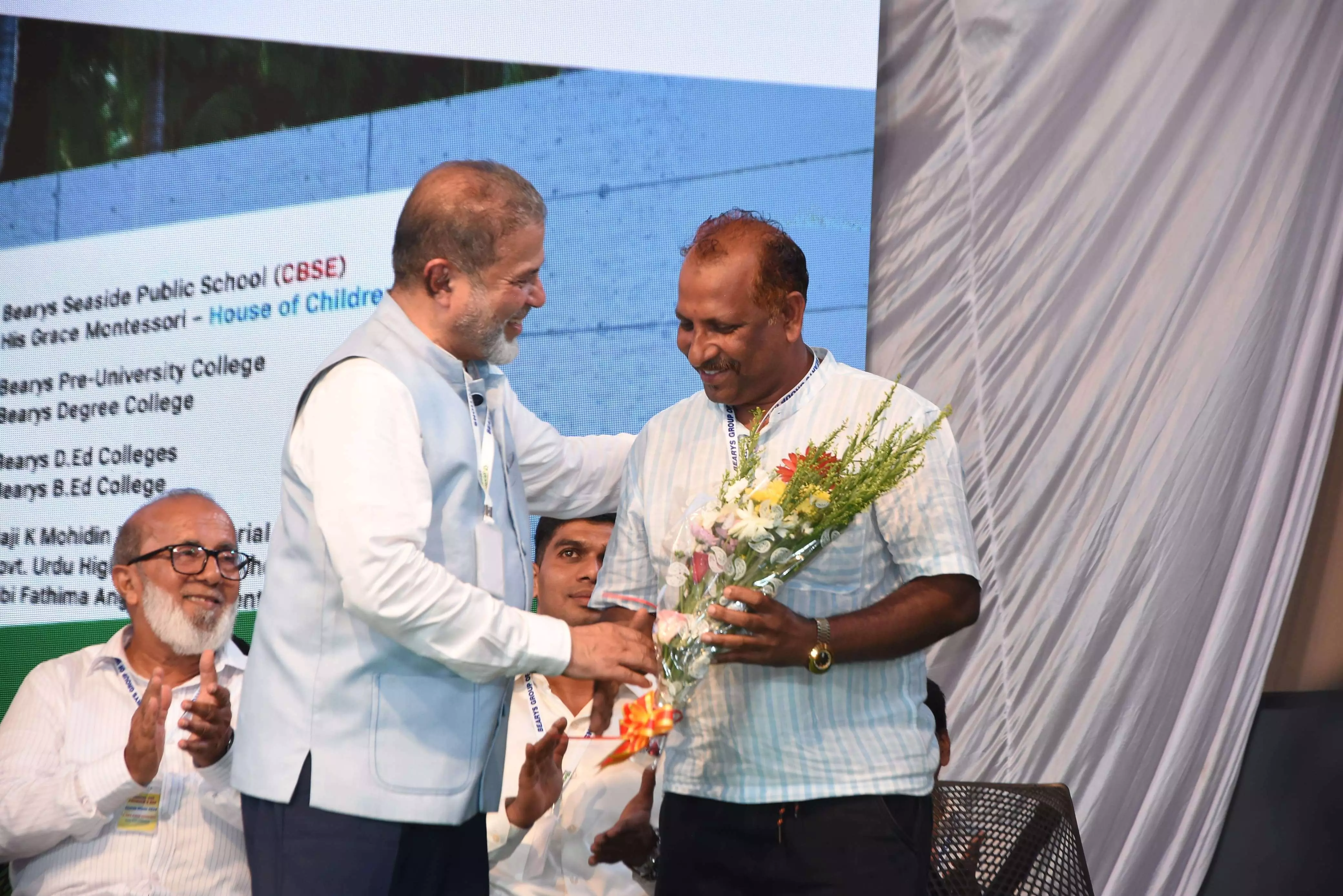
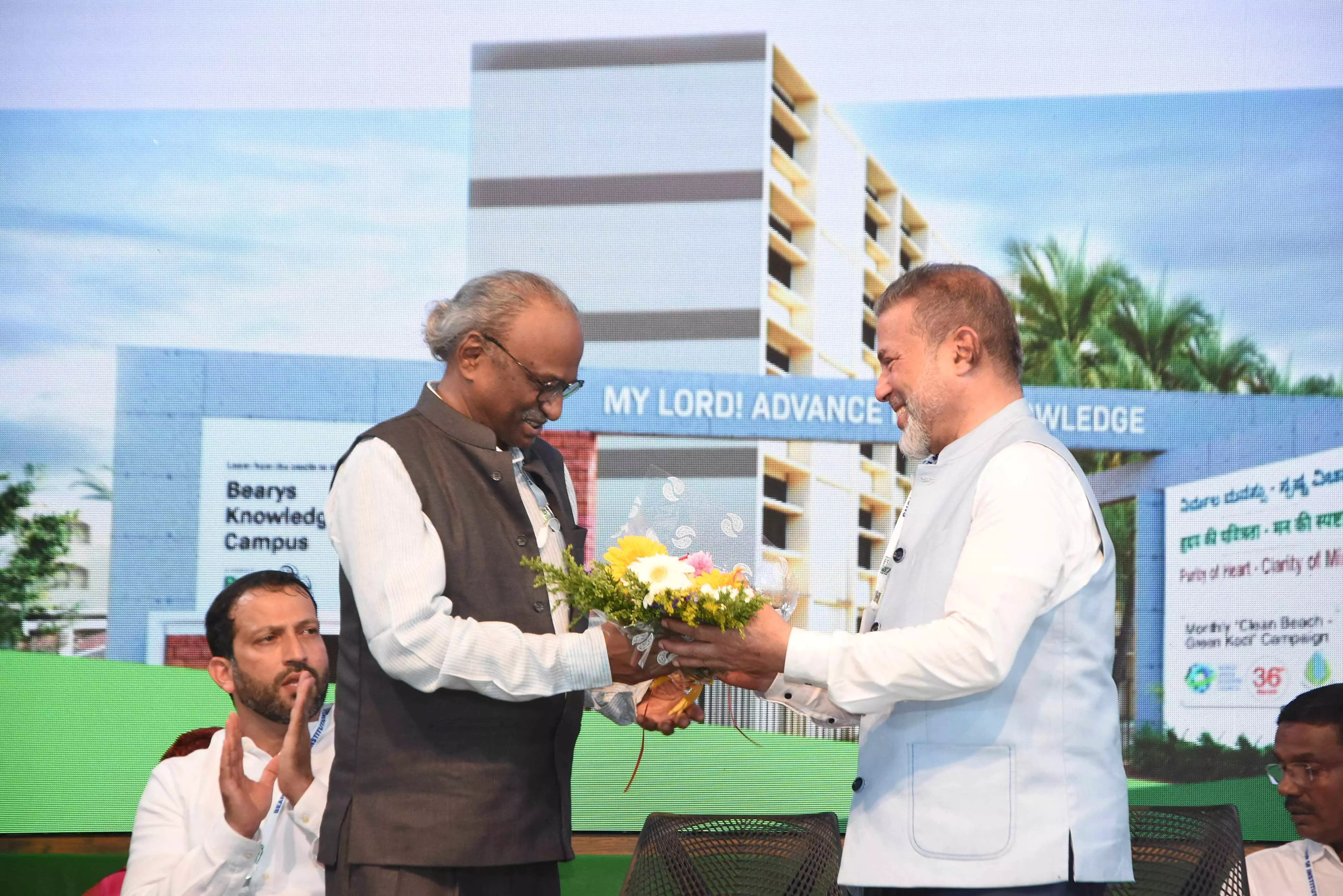
On this occasion, National Award-winning film producer, writer, member of the Kannada Development Authority Yakoob Khader Gulvady and Ashwin Sanil, gold medalist at the World Firefighting Games held in Denmark in 2024, were honored.
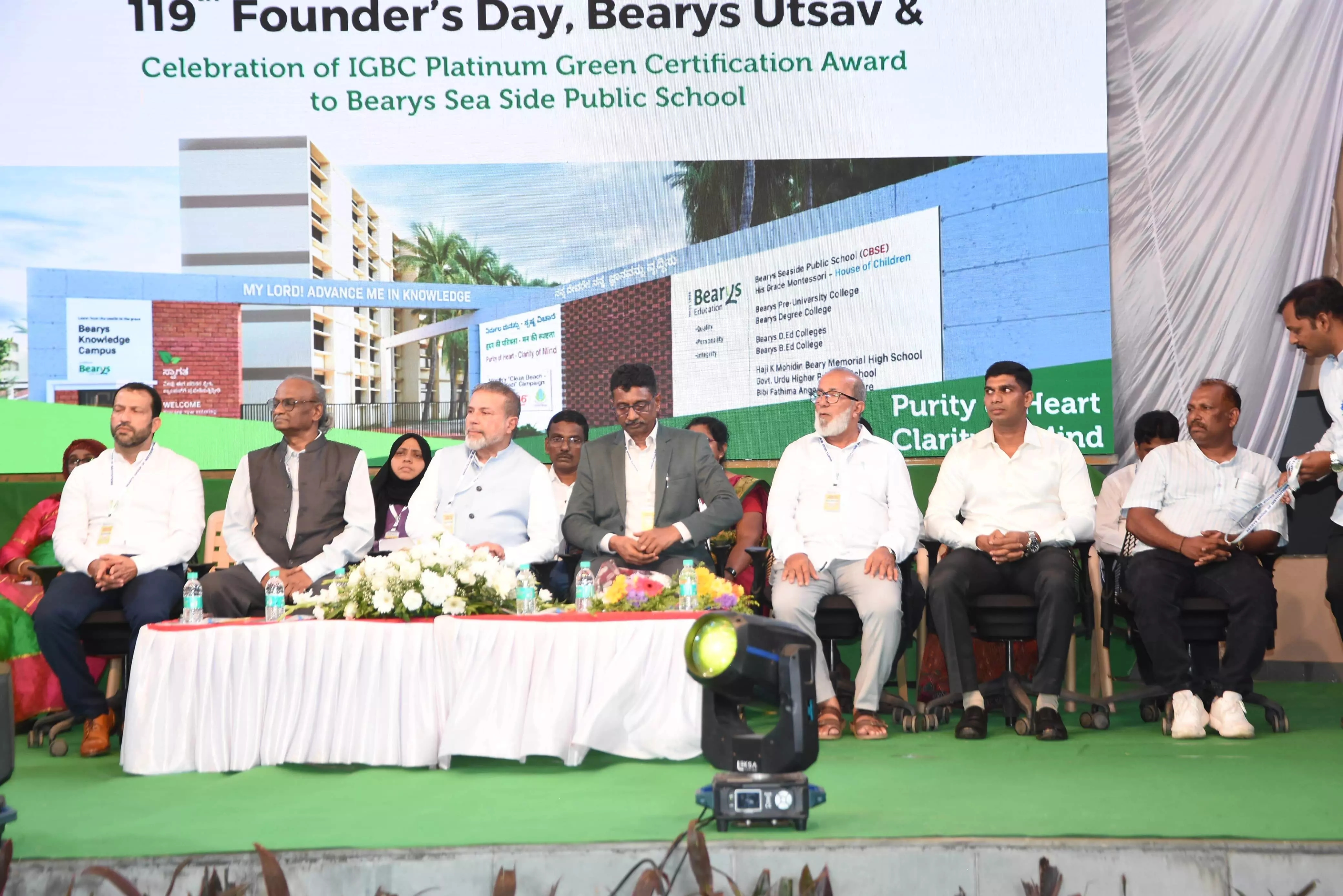
Speaking after receiving the honor, Ashwin Sanil said, "Today is the happiest day of my life. I am proud to receive the honor from such an educational institution."
Yakoob Khader Gulvady said, "I am happy to receive the honor that I could not get in my school life from such a good educational institution." He said, "Beary, who built and developed the educational institution, is also commendable for his work."
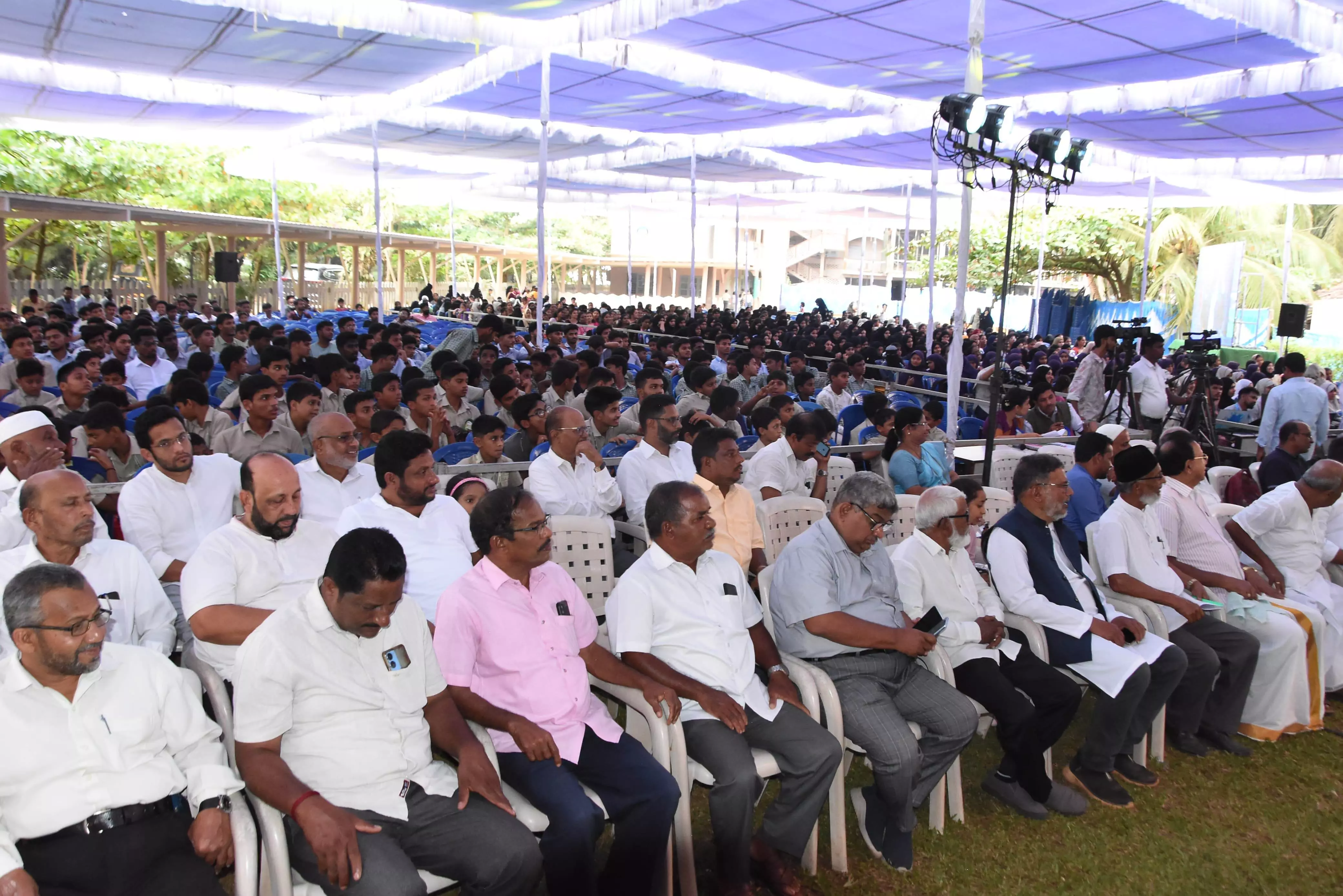
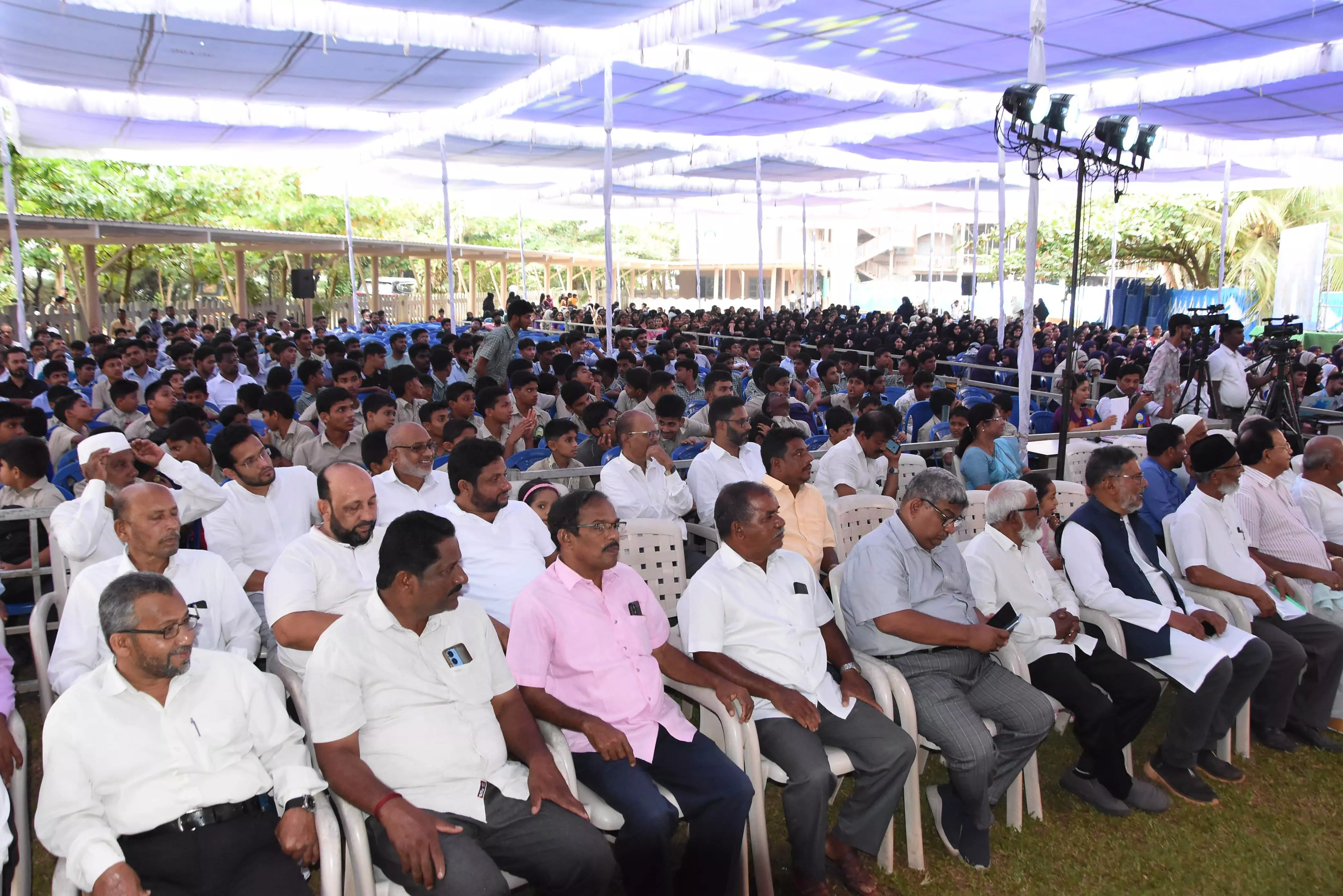
Trustee of Dr. Asif Beary, Chairman of Kundapura Urban Development Authority Vinod Crasta, Principal of B.Ed College Siddappa K.S., Dean Academics Dr. Poornima, Heads of various departments Dr. Firdous, Jayaseel Shetty, Jattappa, Sumitra and others were present during the event.
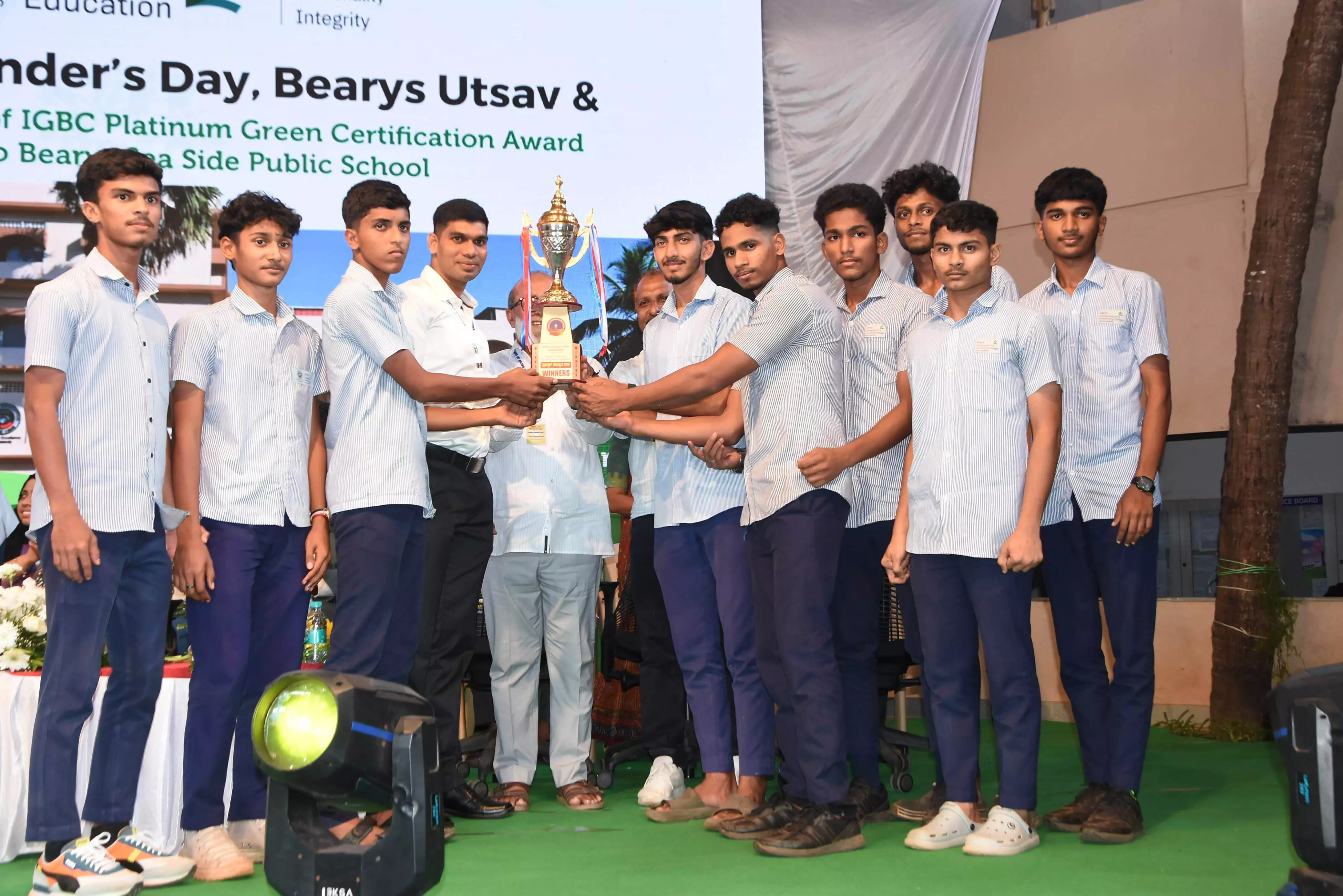
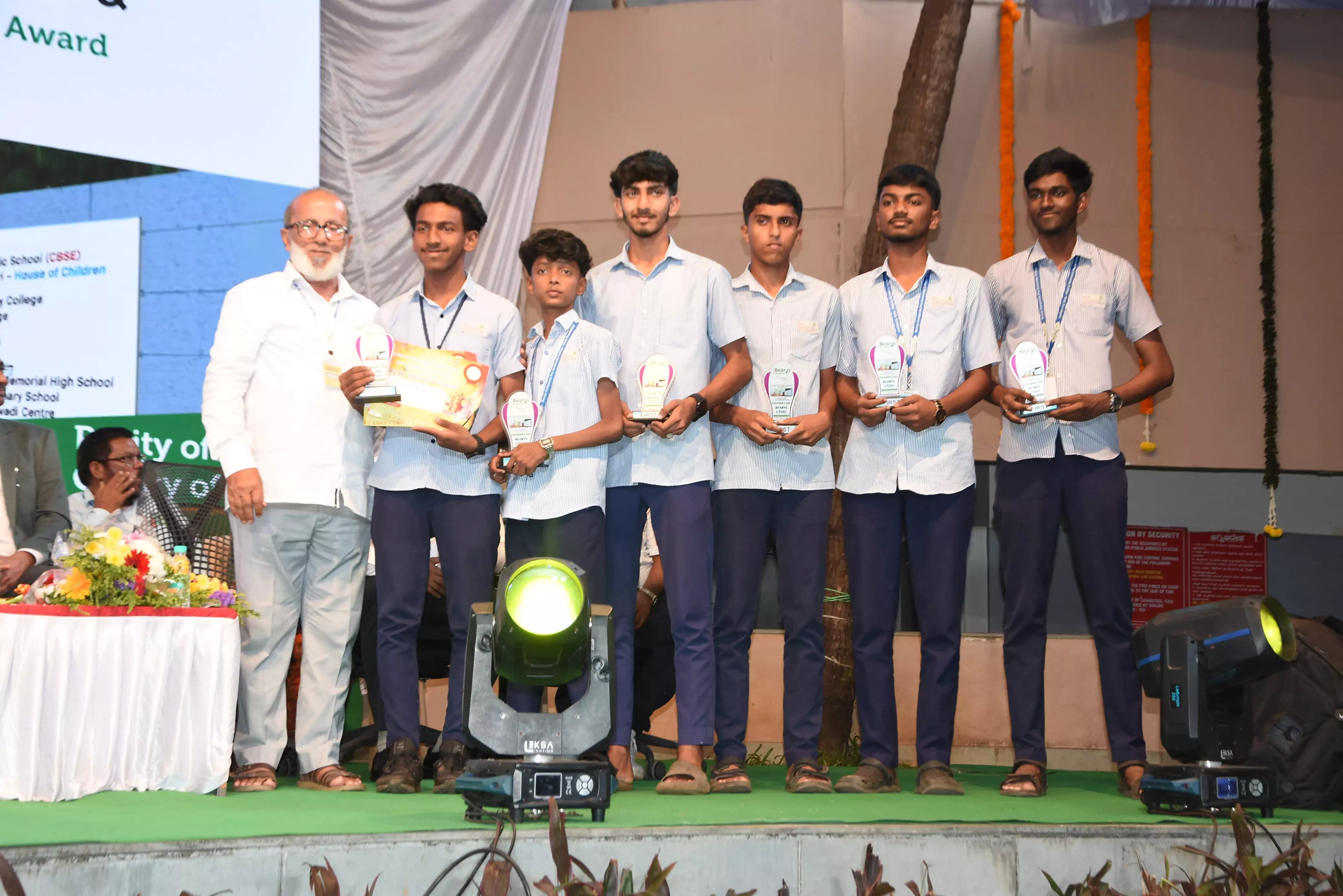
Principal of Bearys Seaside Public School and PU College Ashwini Shetty welcomed the gathering. Kannada lecturer Dr. Sandeep Kumar Shetty, English lecturer Priya Rego compered the programme. Principal of Bearys First Grade College Shabeena H. proposed vote of thanks. Later, various cultural programmes were performed by the students.

Let the Truth be known. If you read VB and like VB, please be a VB Supporter and Help us deliver the Truth to one and all.
Over 1 lakh students appear for NEET across TN
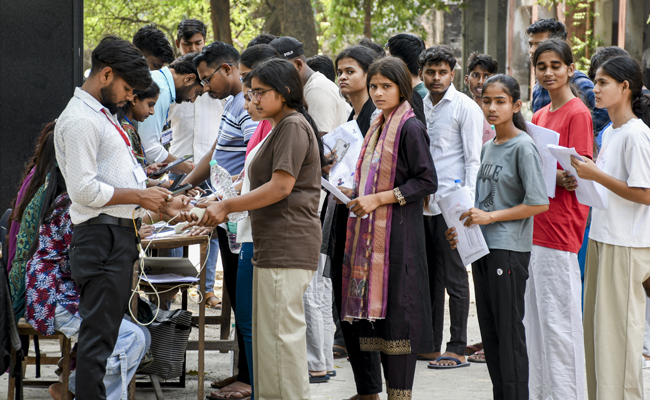
Chennai (PTI): About 1.4 lakh students appeared for the NEET 2026 exam for admission to medical degree courses across 31 centres in Tamil Nadu on Sunday.
Students claimed that the exam paper was easier than the previous year.
Organised by the National Testing Agency (NTA), 22.80 lakh students had registered for the National Eligibility cum Entrance Test (NEET) undergraduate exam nationwide.
NTA sources said that CCTV surveillance was installed at all examination centres, with feeds linked to centralised control rooms.
In view of the large candidate volume and prevailing summer conditions, the NTA ensured reliable power back-up, including generators at all centres, to ensure candidate comfort during the exam. Also, drinking water and on-site medical support were provided to students.
The sources further said that no malpractices were reported, especially in Chennai. The results of NEET are expected to be declared in June, 2026.