Beejadi beach: Fishing vessel stranded on shore rescued in prompt operation
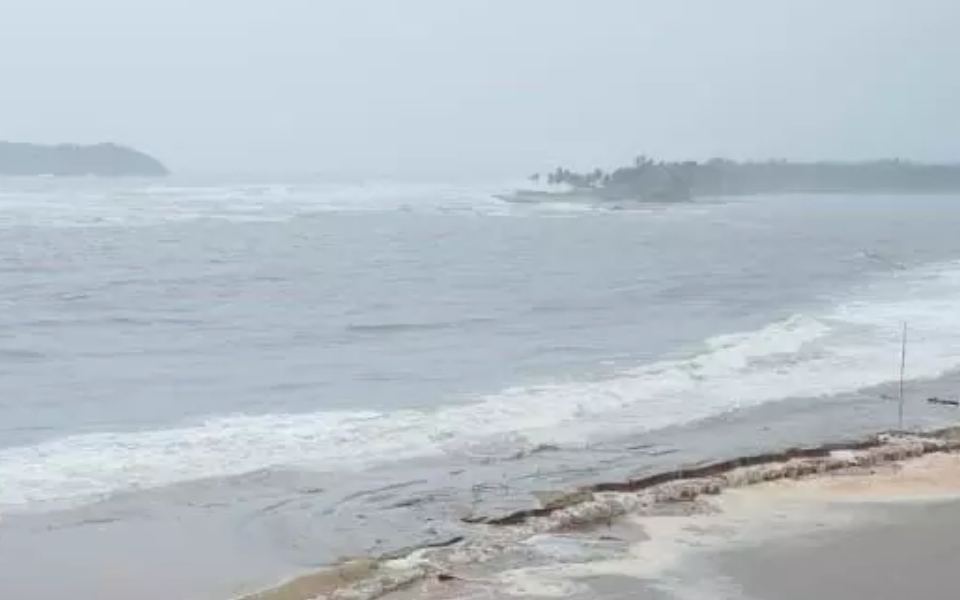
Udupi (Karnataka), May 2: A fishing expedition turned into a harrowing ordeal as a vessel, setting sail from Malpe fishing port in Udupi, veered off course and became marooned on a beach 30 kilometres from its place of origin and a few nautical miles off the intended route.
The fishermen who were part of the rescue operation said, the incident unfolded when the vessel, manned by a crew of seven seasoned fishermen, embarked from Malpe port at the stroke of midnight on April 30. Tragically, the helmsman succumbed to exhaustion, inadvertently causing a critical navigational lapse that sent the boat adrift from its intended trajectory.
Initial reports indicated that fatigue gripped the entire crew shortly after their departure from Malpe. By the break of dawn on May 1, the vessel had unexpectedly run aground at Beejadi beach, approximately 30 kilometres north of its departure point, startling both locals and passersby.
ALSO READ: Malpe: 12-year-old boy rescued from drowning
Subsequent analysis showed that the owner of the vessel was a resident of Kodibengre who had partnered with six or seven other people. There was conjecture that bad weather, marked by strong gusts, had something to do with the ship's veering off course.
Udupi fishermen’s association members who were a part of the rescue team told PTI that, luckily for the fishermen, the sea was calm, that the vessel did not veer away into deeper sea and the engine was in good condition.
Let the Truth be known. If you read VB and like VB, please be a VB Supporter and Help us deliver the Truth to one and all.
Congress using hijab issue to pacify minority anger, alleges Karnataka LoP R Ashoka
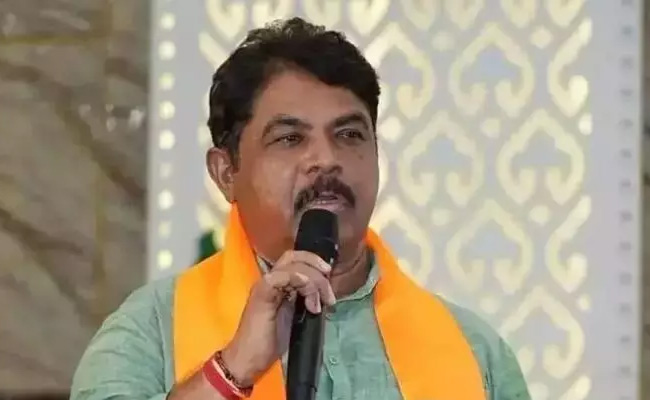
Bengaluru: Leader of Opposition in the Assembly R. Ashoka has accused the Congress government of using the hijab issue to placate what he described as discontent among minority voters after the Davanagere by-election.
In a post on X on Wednesday, Ashoka alleged that the state government, instead of addressing issues such as price rise, corruption, farmers’ distress and law and order, was attempting to retain its minority vote base by reviving the hijab issue.
Referring to the 2022 dress code introduced by the BJP government, which prohibited hijab in schools and colleges, Ashoka said the Karnataka High Court had upheld the policy and emphasised the importance of discipline in educational institutions.
He questioned the Congress government’s move to revisit the issue and asked whether setting aside the court-backed policy to benefit one community could be described as secularism.
Ashoka further alleged that while the government was willing to permit hijab, it continued to prohibit saffron shawls.
He accused the government of dividing students on religious lines rather than treating schools and colleges as spaces of equality.
Drawing a comparison with Mamata Banerjee’s government in West Bengal, Ashoka claimed that excessive appeasement politics had harmed the state and warned that the Congress in Karnataka could face a similar political response.
He said voters in Karnataka would teach the Congress a lesson for what he termed “vote-bank politics” and for compromising constitutional and judicial principles.