BIT hosts interactive session on NBA Accreditation, outcome-based education
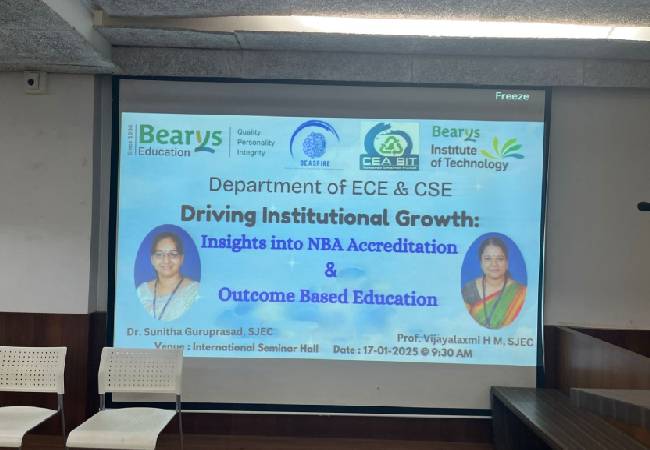
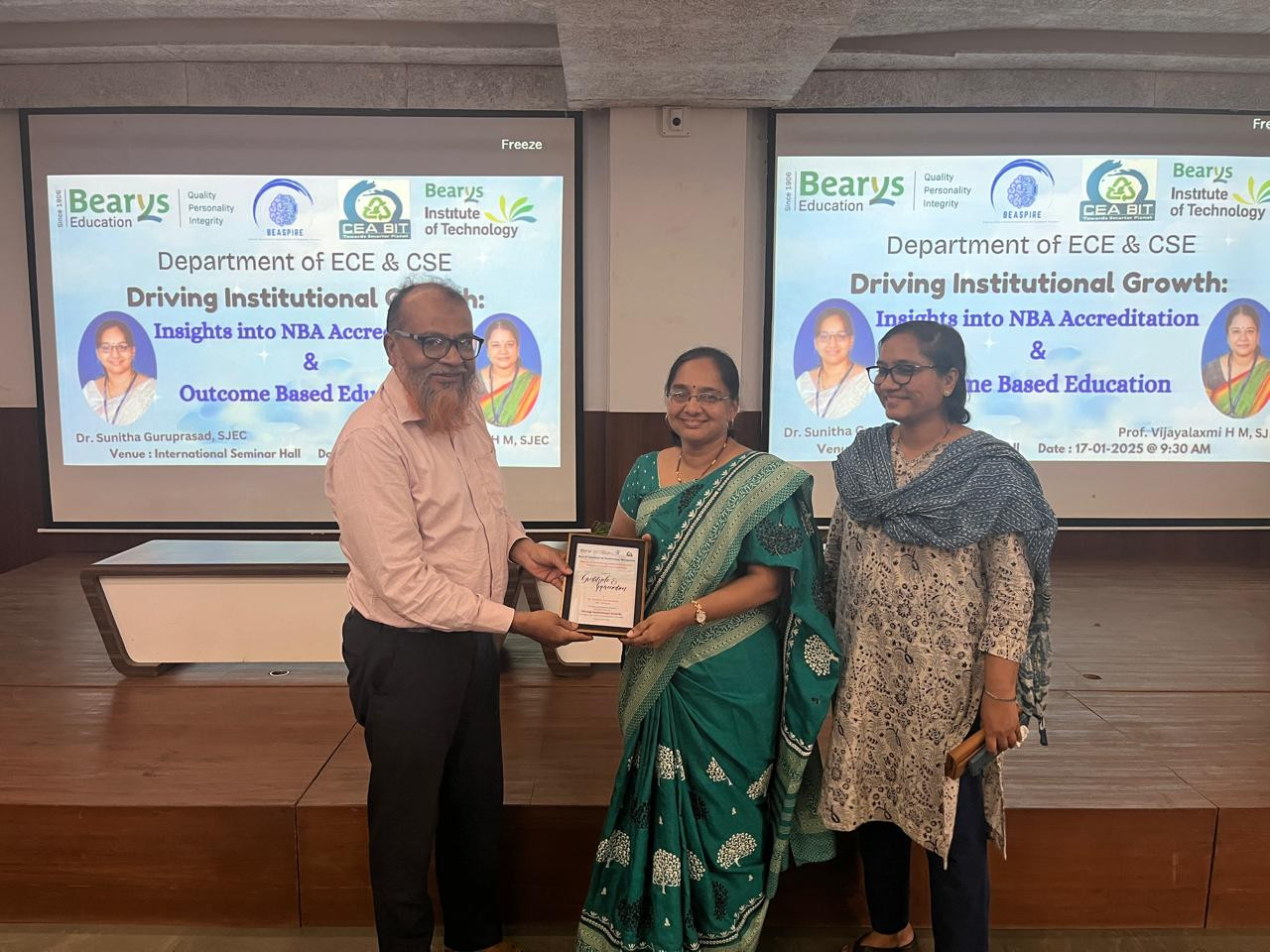
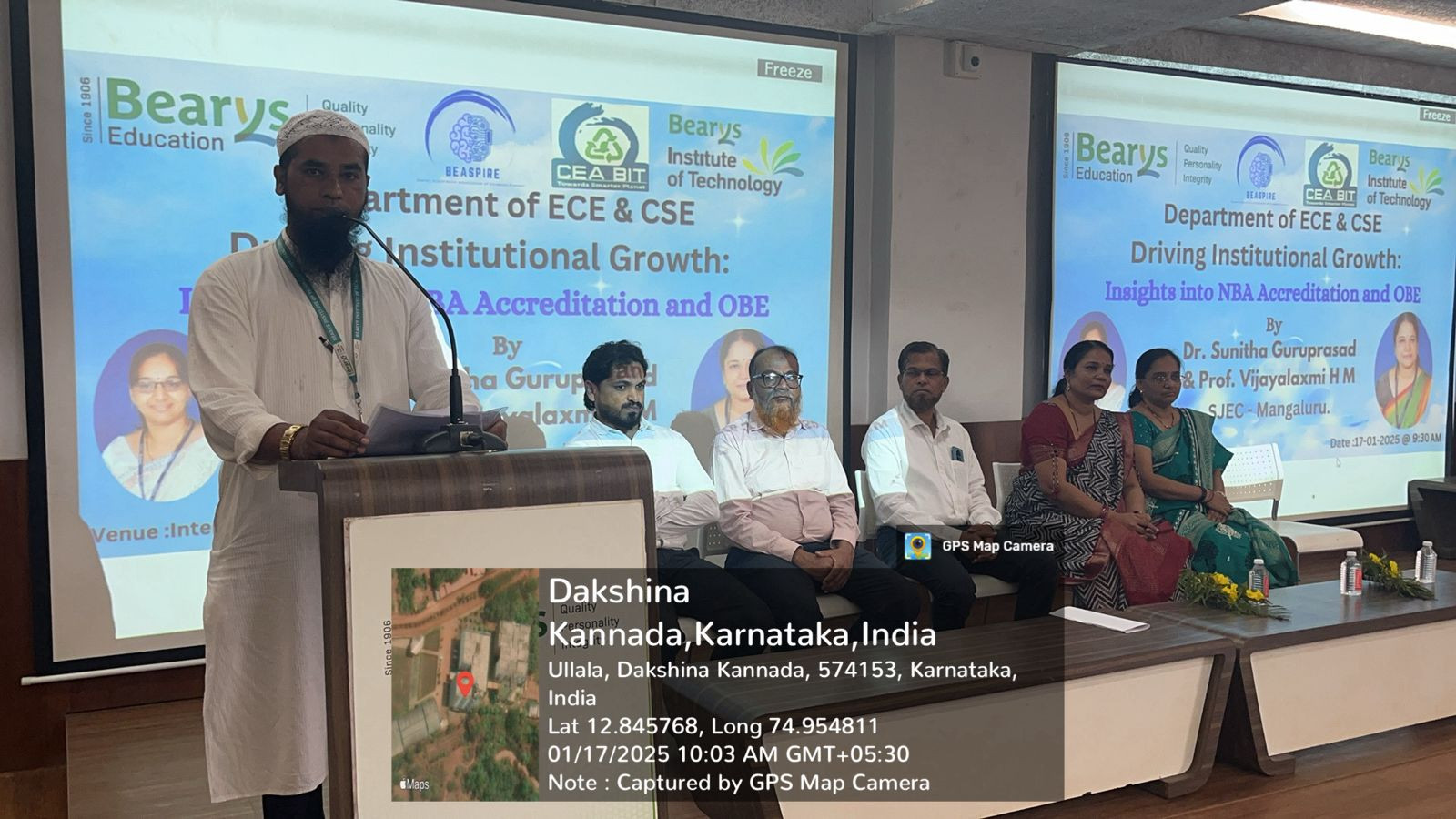
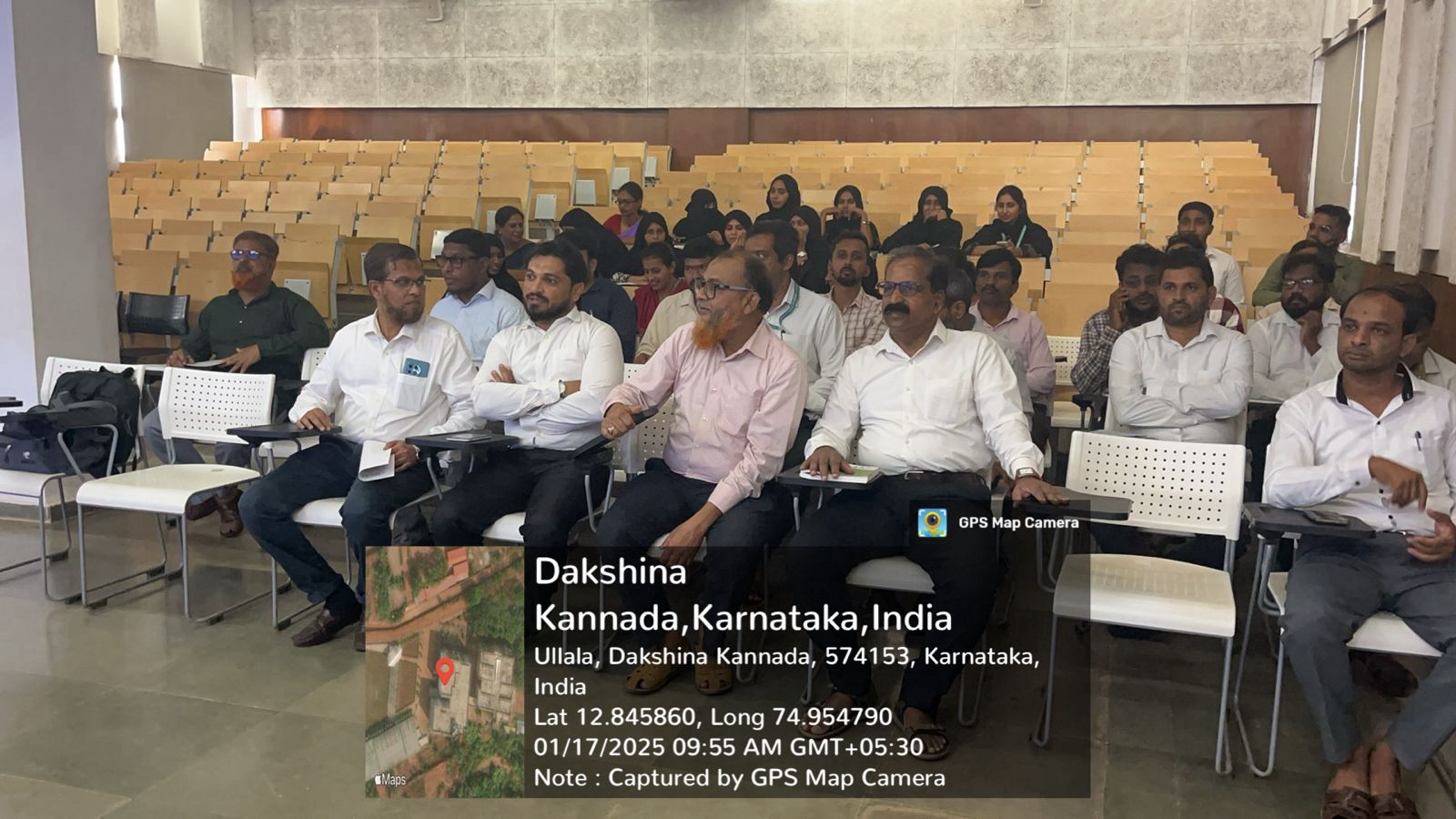
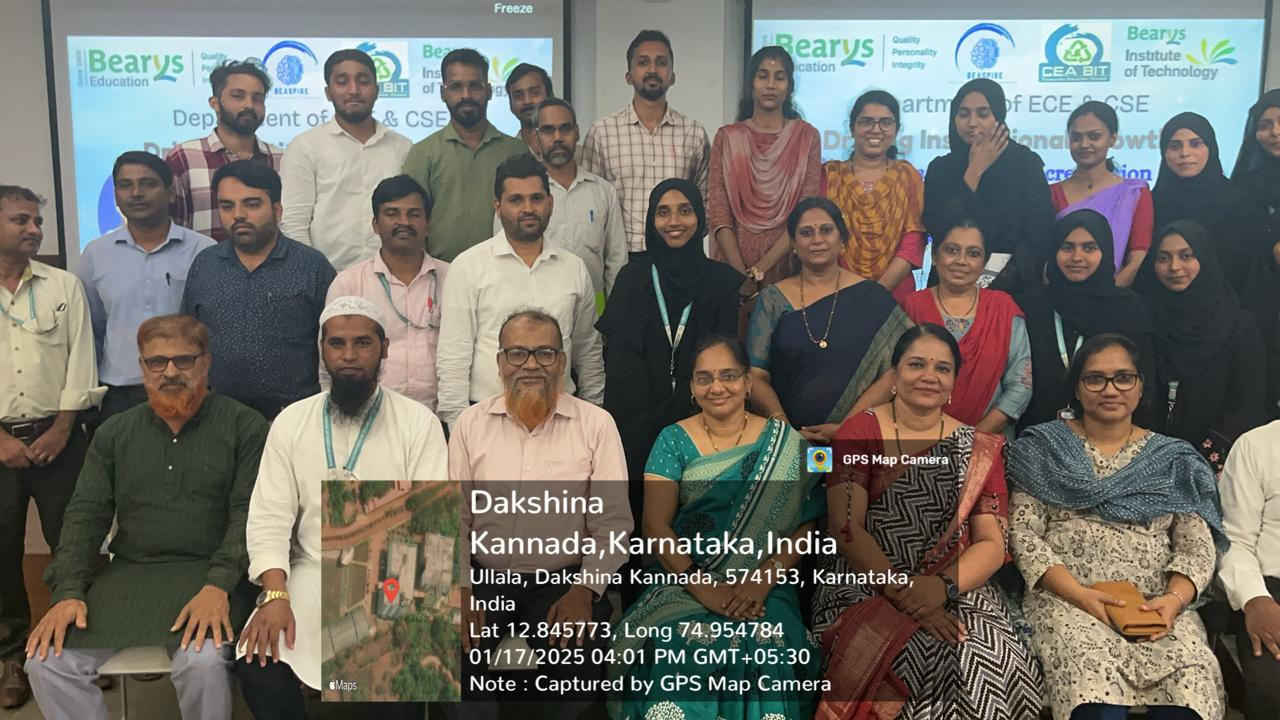
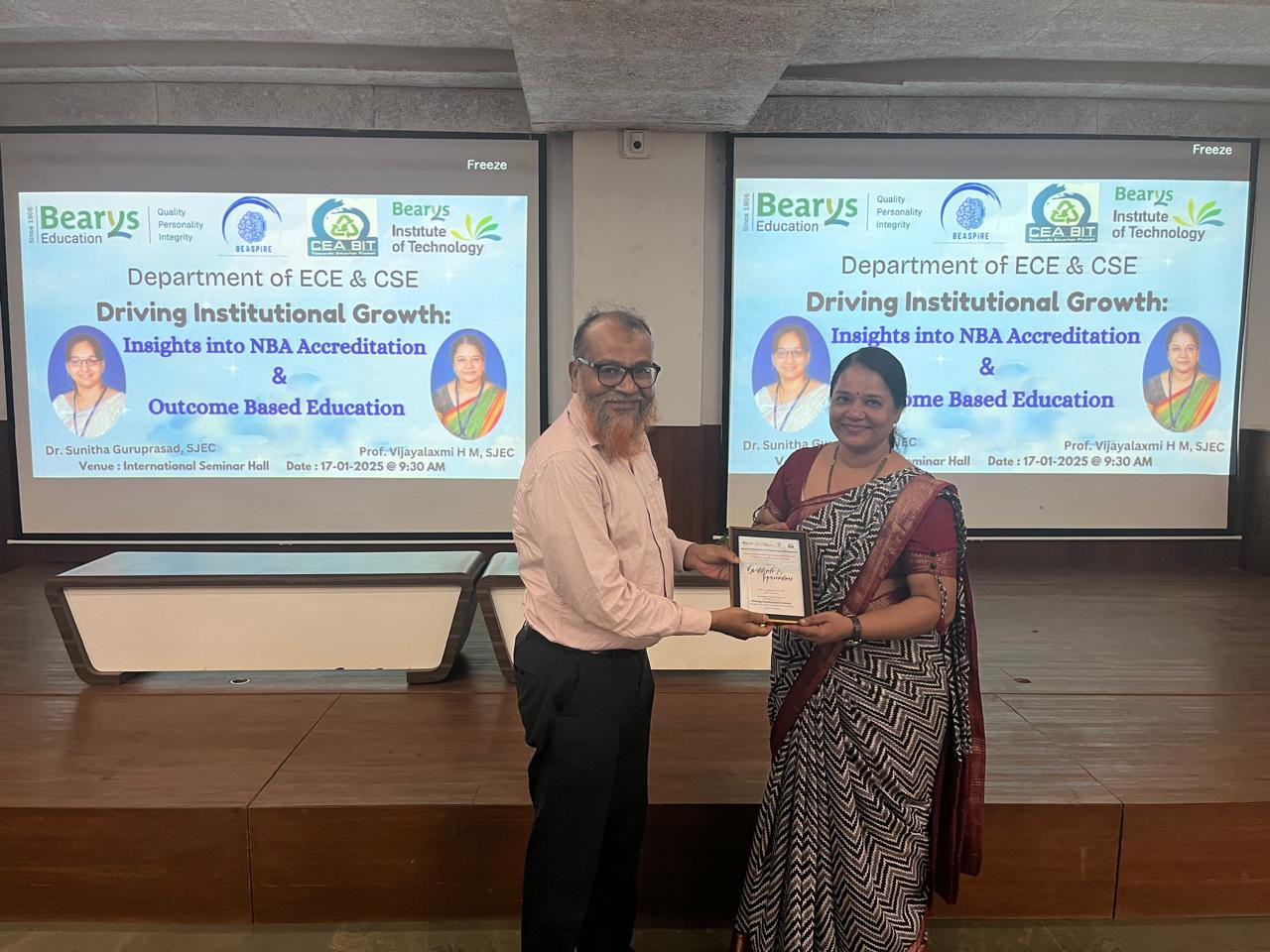
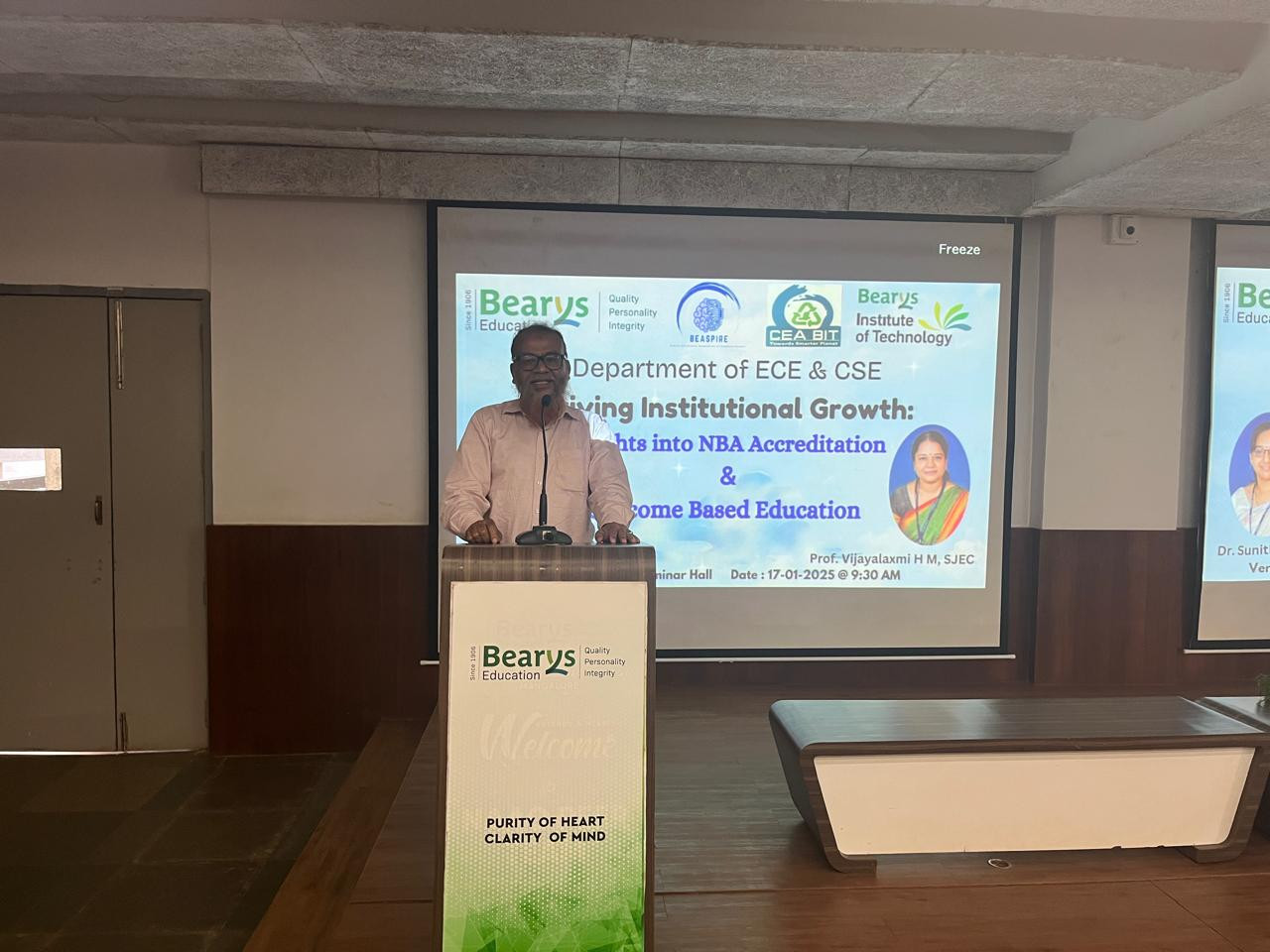
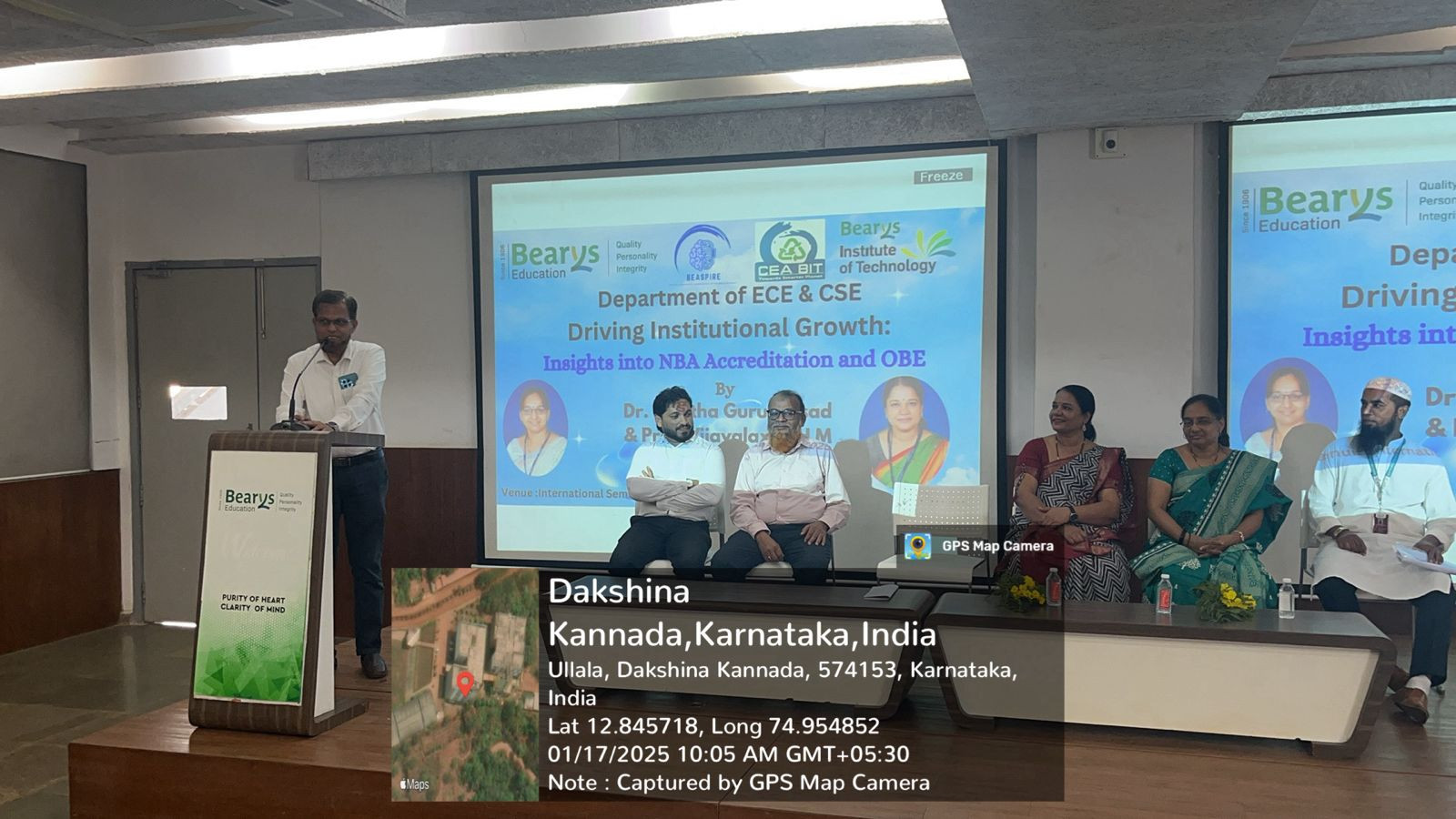
Mangaluru: Bearys Institute of Technology (BIT) organized an insightful session titled "Driving Institutional Growth: Insights into NBA Accreditation and Outcome-Based Education" on January 17, 2025. The event, held in the college seminar hall, commenced at 9:30 AM and witnessed enthusiastic participation from faculty and staff.
The session began with a welcome address delivered by Dr. Aamir Basha, the NBA Coordinator, who emphasized the importance of quality benchmarks in education. The Principal of BIT highlighted the significance of NBA accreditation in enhancing the institution's academic and infrastructural standards while fostering global recognition.
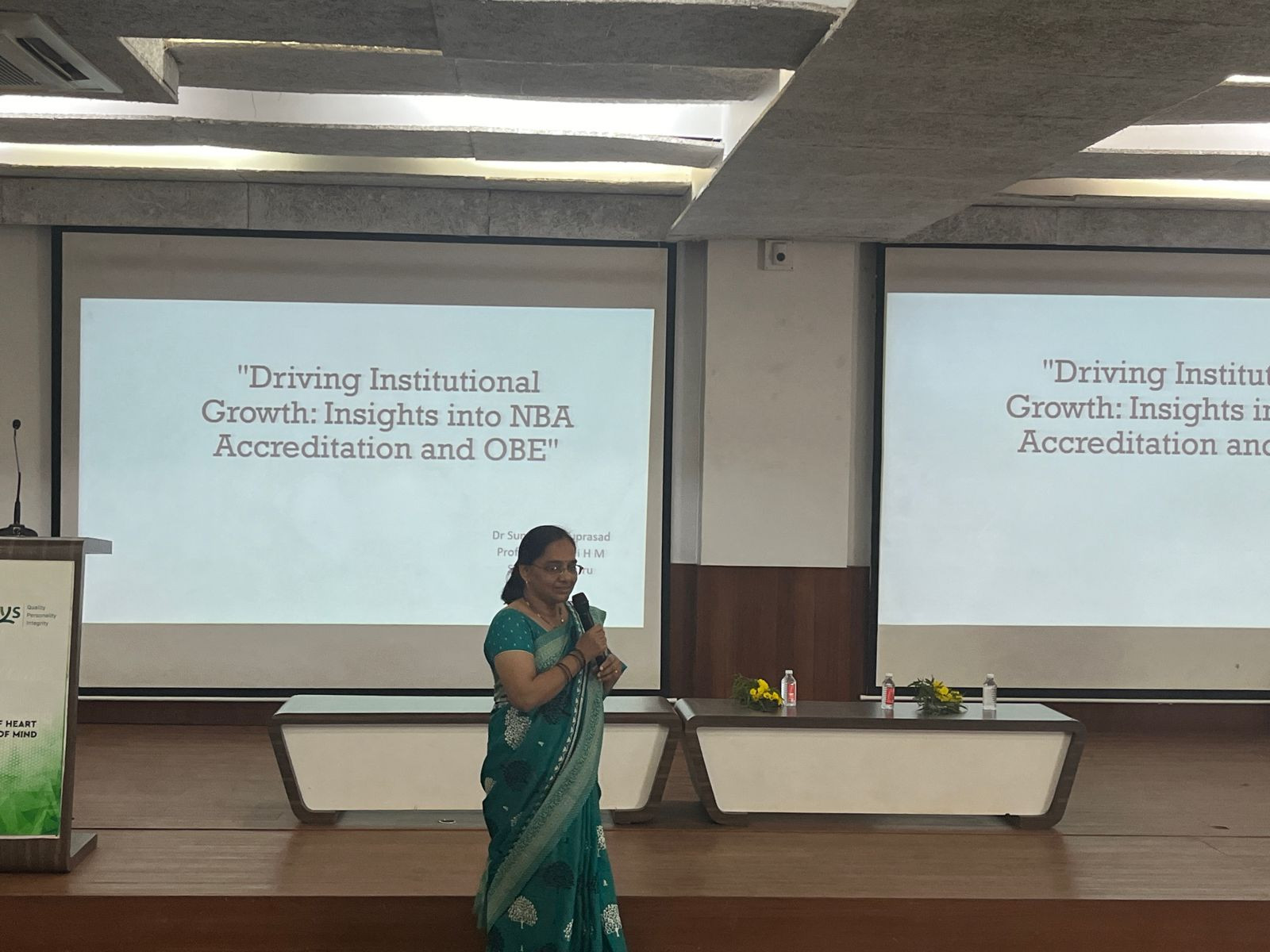
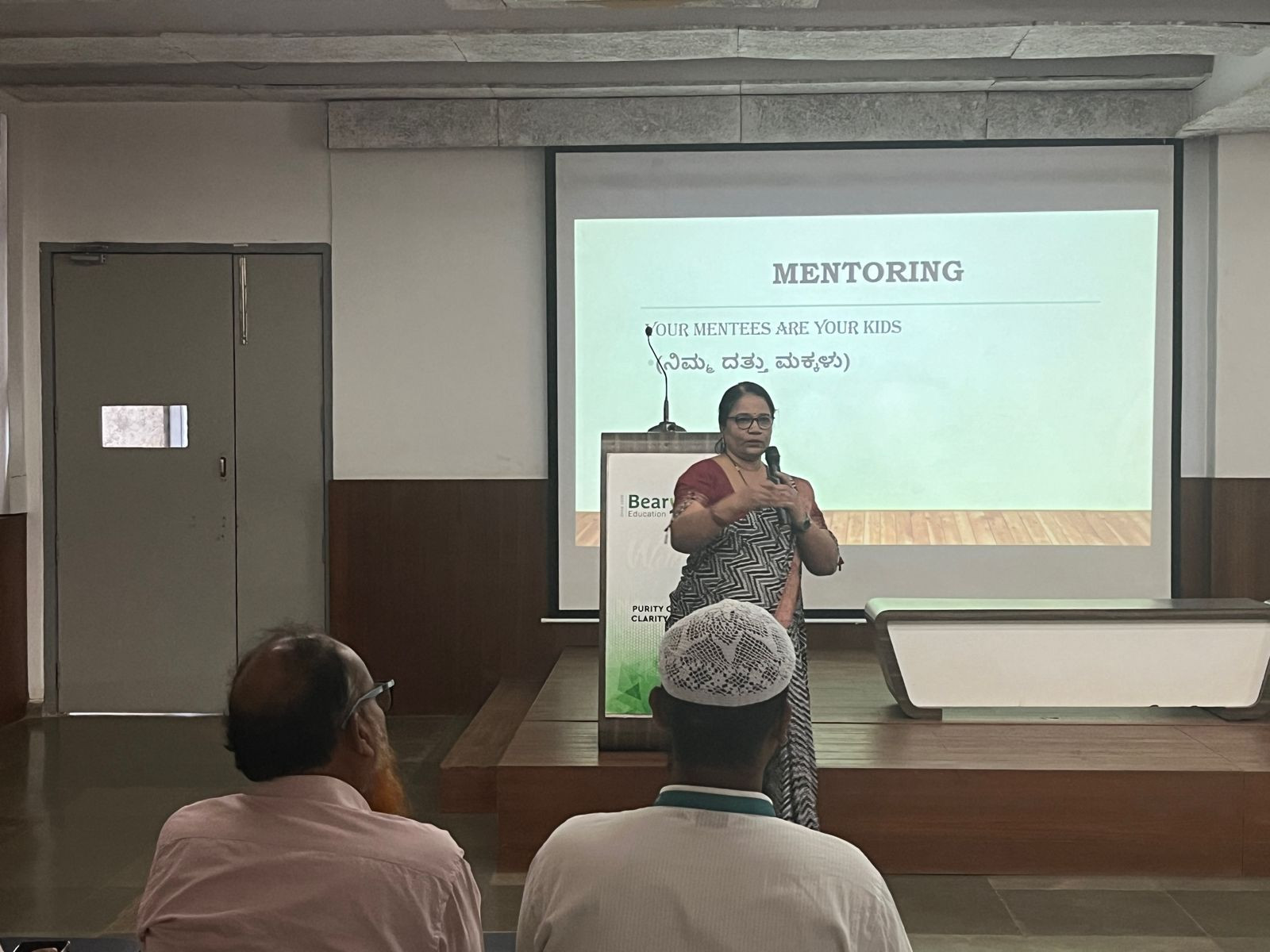
The resource persons for the day were Dr. Sunitha and Prof. Vijayalakshmi from St. Joseph Engineering College (SJEC), Mangalore. They engaged the audience with detailed discussions on the principles of outcome-based education (OBE) and its critical role in improving the overall educational experience. Their sessions also included practical insights and strategies for successfully navigating the NBA accreditation process, making the event highly interactive and informative.
The day-long program concluded at 4:30 PM, with the vote of thanks proposed by Dr. Abdullah Gubbi, HOD-ECE. He expressed gratitude to the resource persons and participants for making the session a grand success.
Let the Truth be known. If you read VB and like VB, please be a VB Supporter and Help us deliver the Truth to one and all.
ED raids Kolkata Police deputy commissioner, businessman in PMLA probe

Kolkata (PTI): The Enforcement Directorate on Sunday conducted raids at the premises of Kolkata Police Deputy Commissioner Shantanu Sinha Biswas and a local businessman as part of a money laundering probe against an alleged criminal and his linked syndicate in the poll-bound state, officials said.
Two premises of Biswas, including his residence in Ballygunge area and one location of the businessman named Joy Kamdar, Managing Director of a company named Sun Enterprise, have been raided under the provisions of the Prevention of Money Laundering Act (PMLA).
Kamdar has been taken by the officials to the local ED office for questioning. Biswas, chief coordinator and nodal officer of the West Bengal and Kolkata Police welfare committee, was not present at his premises, they said.
The action is linked to a money laundering case against an alleged local criminal named Biswajit Podder alias Sona Pappu, who is booked in multiple cases on charges of attempted murder and extortion.
The federal probe agency had conducted the first round of searches in this case on April 1.
The ED had then seized cash of Rs 1.47 crore apart from gold jewellery and silver valued at Rs 67.64 lakh and a country-made revolver from some premises that were searched.
The probe stems from a Kolkata Police FIR against against Podder for his alleged involvement in rioting, attempt to murder, criminal conspiracy and Arms Act violations. The accused, including Podder, were engaged in organised criminal syndicate activities in the state of West Bengal and generated funds illegally by way of syndicate operations, the ED said in a statement on April 9.
Podder is also wanted by the police in a case of violence in Kankulia road near Golpark of Kolkata and is currently on the run.
The ED has issued summons to Podder but he has failed to join the investigation so far, according to the agency.
West Bengal will have a two phase poll on April 23 and April 29.