Caution: 'Smart City', GAIL India, works in Mangaluru have made roads in city dangerous for motorist
Despite several police barricades lying unused, authorities have failed to put it to use for safety
MCC Commissioner assures VB of "definite" action against concerned agency, contractors
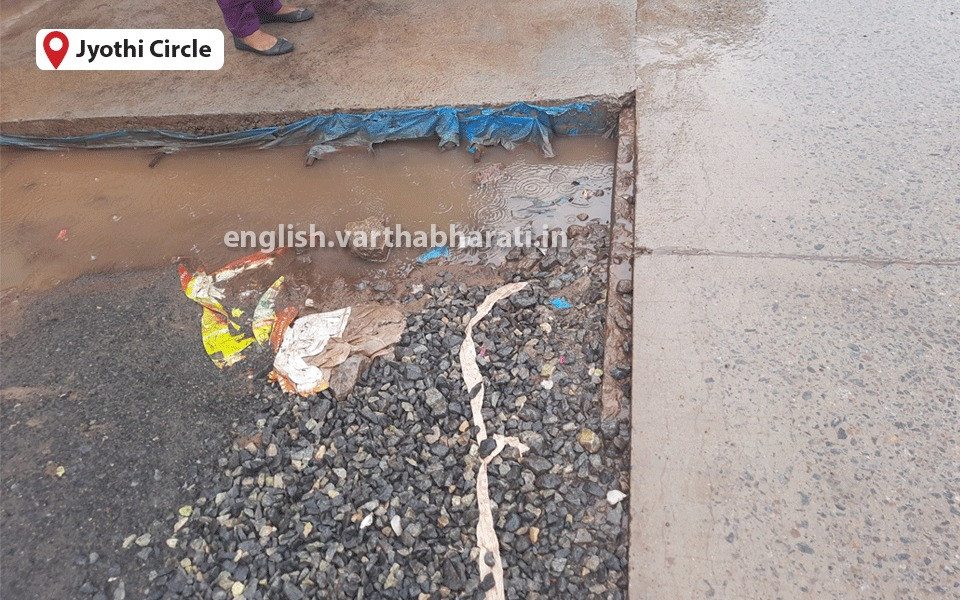
Mangaluru: In early June, a young man in his mid-twenties was riding his scooter towards Balmatta Junction from Bunts Hostel. As he took a turn towards Balmatta Junction at Jyothi Circle, his two-wheeler skid off the road leaving him reeling on the concrete road with a few injuries.
The reason his scooter skidded was he rode it into a barricade tape that was put in place to stop vehicles from entering an under-construction site of ‘smart city works’. It was past midnight and the area vicinity had power cut, the young man could not suddenly spot the barricade tape and rode into it. The accident, however, went unreported due to the injuries to the motorist being minor. The local auto drivers quickly picked him up and sent him home. But on any other day, the accident could have been fatal.
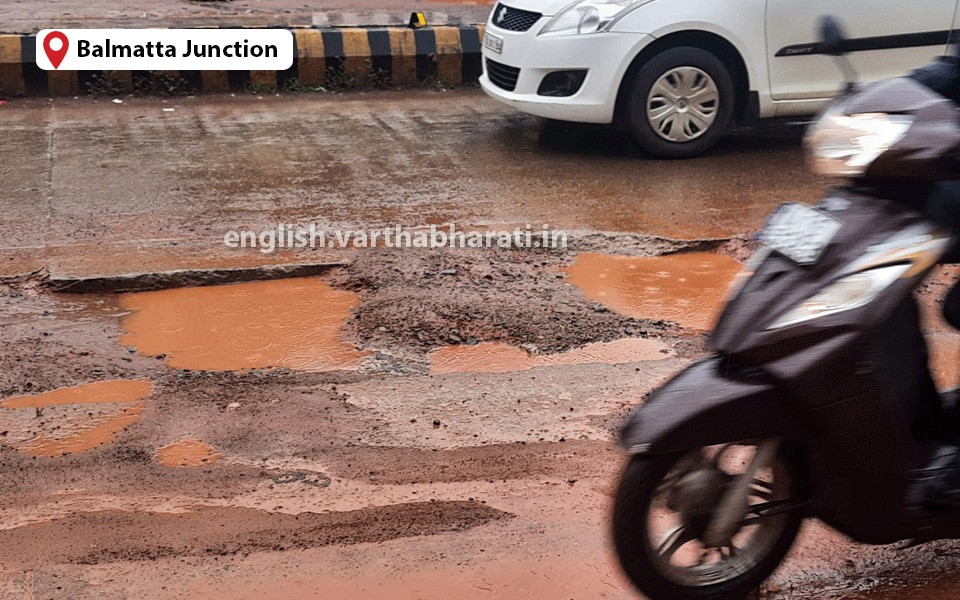
In the past few months, since the smart city works and installation of GAIL India pipeline work gained pace in the city, such incidents of motorists meeting such unreported accidents and vehicles sustaining damages after pitting into a deadly pothole on an otherwise smooth road have become normal. Luckily for the administration, none of these accidents have turned fatal but unfortunately, for the public, these minor incidents have not prompted the authorities to put safety measures at the spots that hold deadly potholes that are capable of causing grievous injuries to motorists if not kill them.
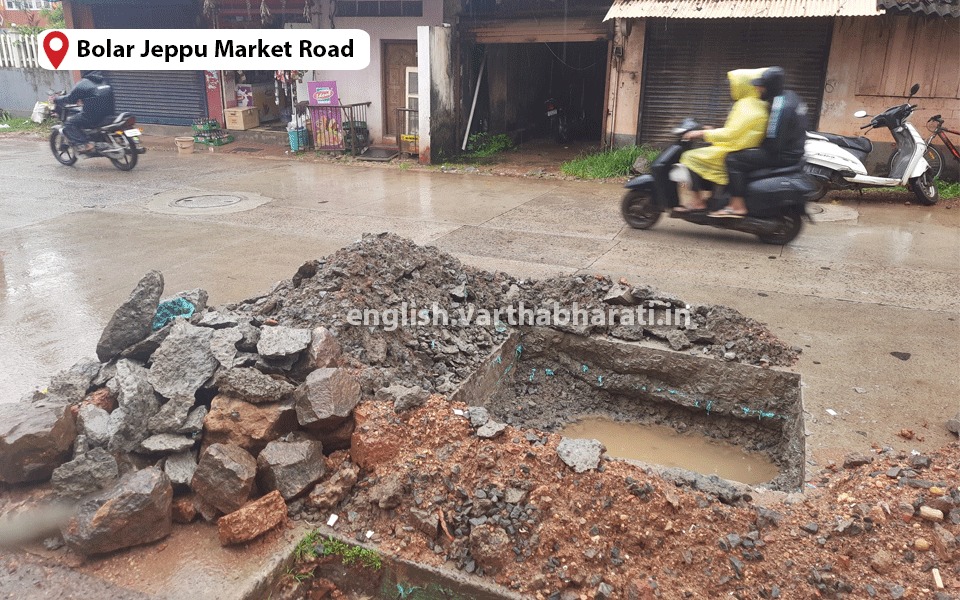
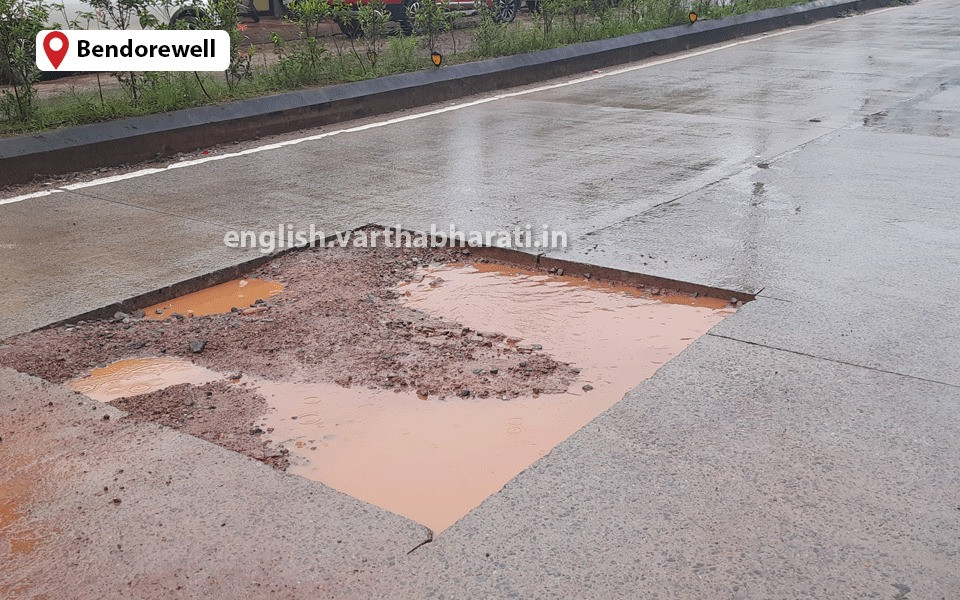
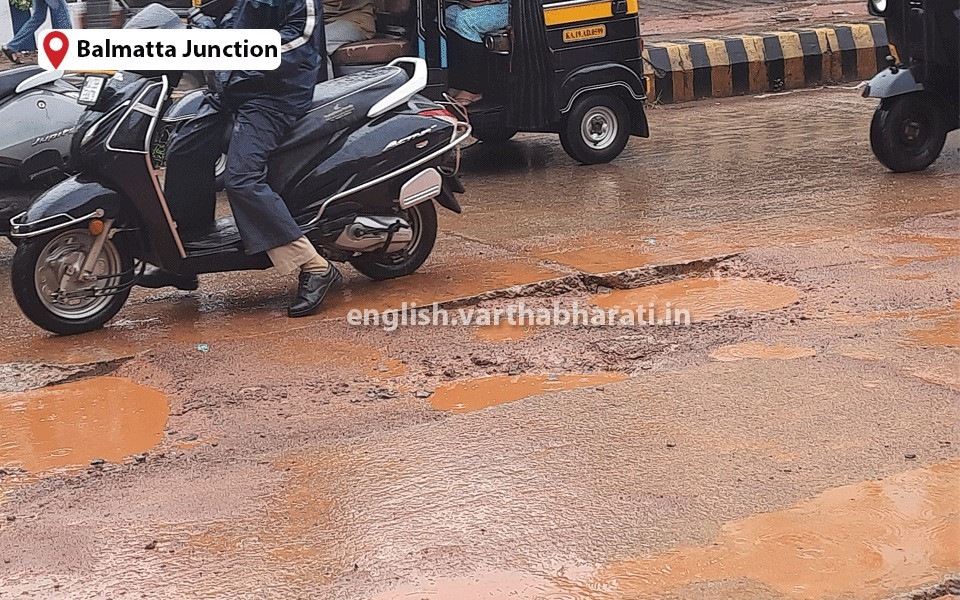
At various important junctions and roads across the city, there are potholes dug as a part of smart city and GAIL India Pipeline work. They are either left uncovered after the completion of work, or the work has been left incomplete without putting in place safety measures around the area.
At places where the work has been completed, the potholes have been covered merely with mud which has spoiled the city’s landscape in monsoon.
Ambedkar (Jyothi) circle, Balmatta Junction, Bendorewell, Attavar, Falnir, Kadri, and Bolar are among a few of the areas where the potholes have become a means of inconvenience for the motorists. Uninterrupted monsoon over the last few days in the city has only made the picture worse for the riders and drivers as the waterlogged potholes tend to become unnoticeable, especially during night hours.
When contacted, Mangaluru Smart City works’ General Manager Arun said while a few of these potholes are indeed due to Smart City work, he also added that most of the dangerous and deeply excavated spots were that of GAIL India which is installing underground pipeline across the city.
In the past, people across the city have also complained about the inconveniences caused due to the installation work of the GAIL India pipeline and have objected to their excavations drive. Several places including Baikampady and other localities were severely affected by the pipeline installation work.
MCC Commissioner Akshy Sridhar, was also contacted by Vartha Bharati for a comment on the matter. Akshy said he will look into the matter at the earliest and initiate action in this regard.
“Action will definitely be initiated against the concerned agency/contractor,” he told Vartha Bharati.
Despite several police barricades lying unused across the city, the police department and the Mangaluru City Corporation (MCC) authorities have failed to put them to use for the safety of people on the city’s roads.
It is also important for motorists to be attentive to details on the road, but it is more important for authorities to put safety measures in place and be attentive to their duty of ensuring the safety of people.
While it is also agreeable that there could be several inconveniences in establishing the city as a smart city, but is it really smart to put the lives of people in-line to achieve the feat?
Let the Truth be known. If you read VB and like VB, please be a VB Supporter and Help us deliver the Truth to one and all.
Trump says he ‘hasn’t even thought about’ continuing Iran ceasefire
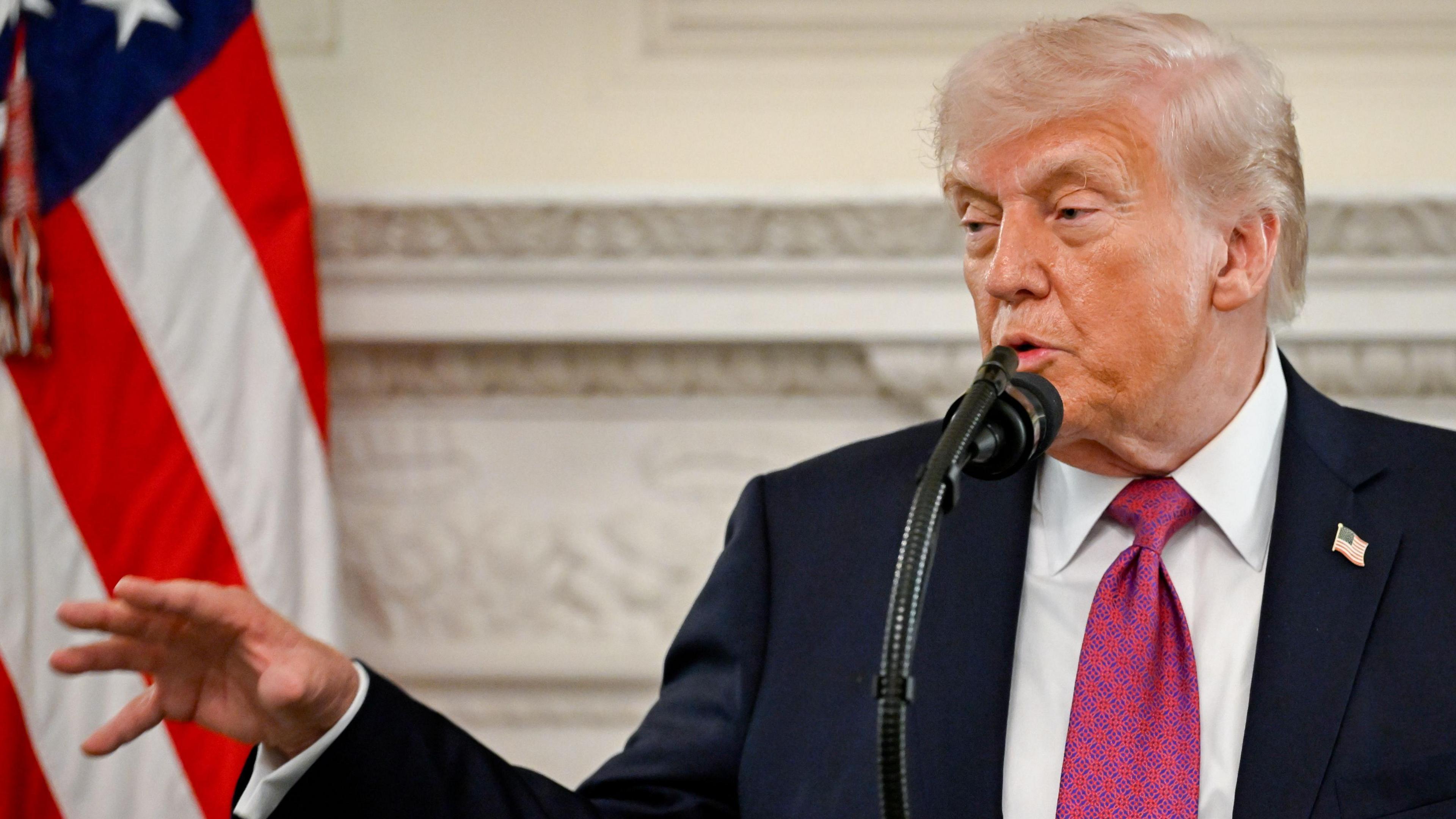
Washington: US President Donald Trump has said he has not yet considered whether he would continue the ceasefire involving Iran, while also claiming the United States holds the advantage in negotiations.
Speaking to reporters, Trump said he was prepared to make a deal with “whoever is running the show” in Iran.
“They are fighting with each other, there’s tremendous infighting. They’re probably fighting for leadership in many cases. I think they’re fighting not to be leader because we knocked out two levels of leaders,” he said.
Trump added, “When they want they can call me. We have all the cards, we’ve won everything.”
Referring to ongoing negotiations, he said, “They gave us a paper that should’ve been better. And, interestingly, immediately when I cancelled it [envoy trip to Pakistan], within 10 minutes we got a new paper that was much better.”
“We talked about they will not have a nuclear weapon, very simple … They offered a lot, but not enough,” he added.
When asked whether he would continue the ceasefire, Trump replied, “I haven’t even thought about it.”
The remarks come as uncertainty remains over the future of the temporary truce and broader negotiations between Washington and Tehran.