Udupi: Al-Ibaadah Indian School gets CBSE accreditation
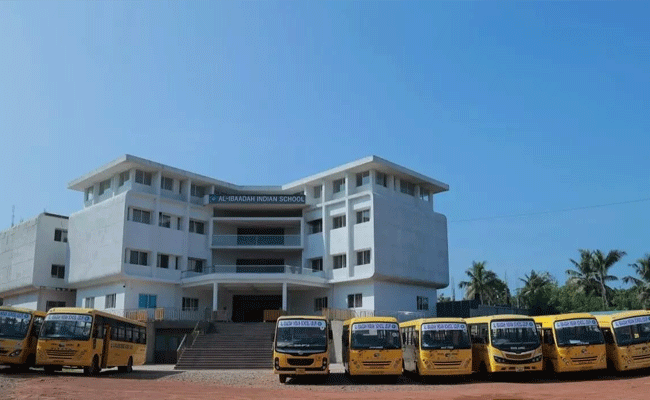
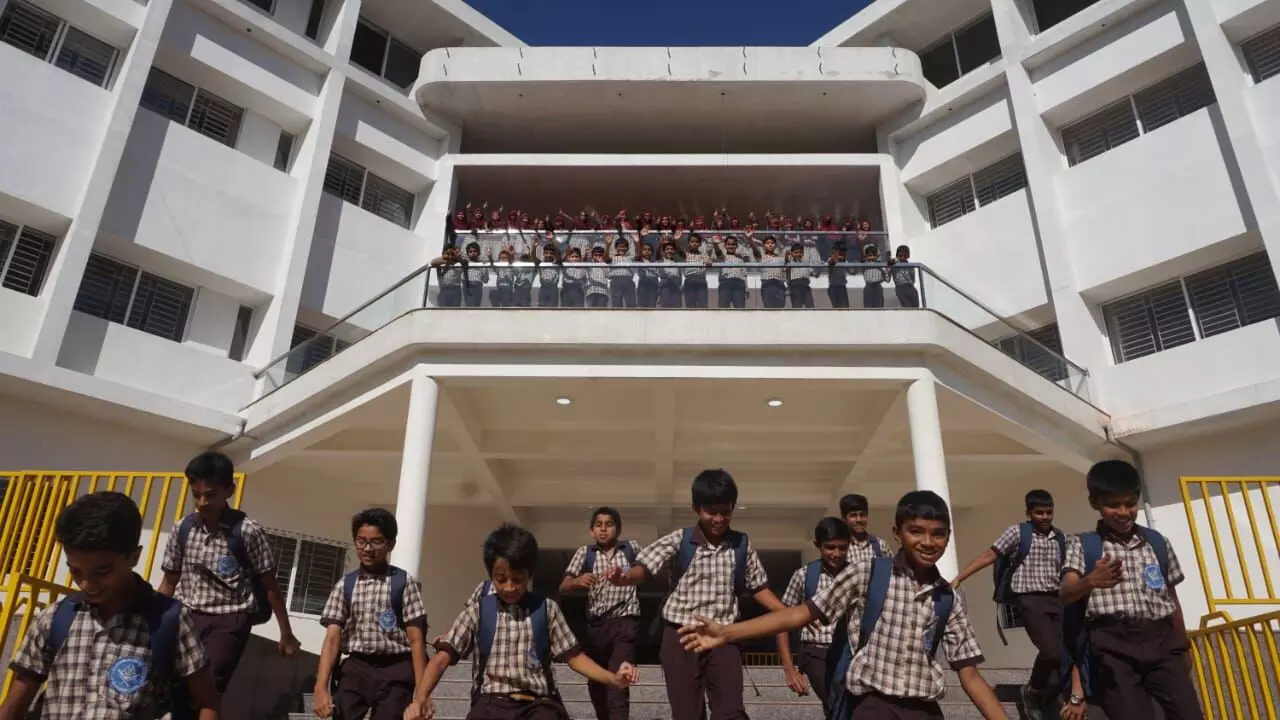
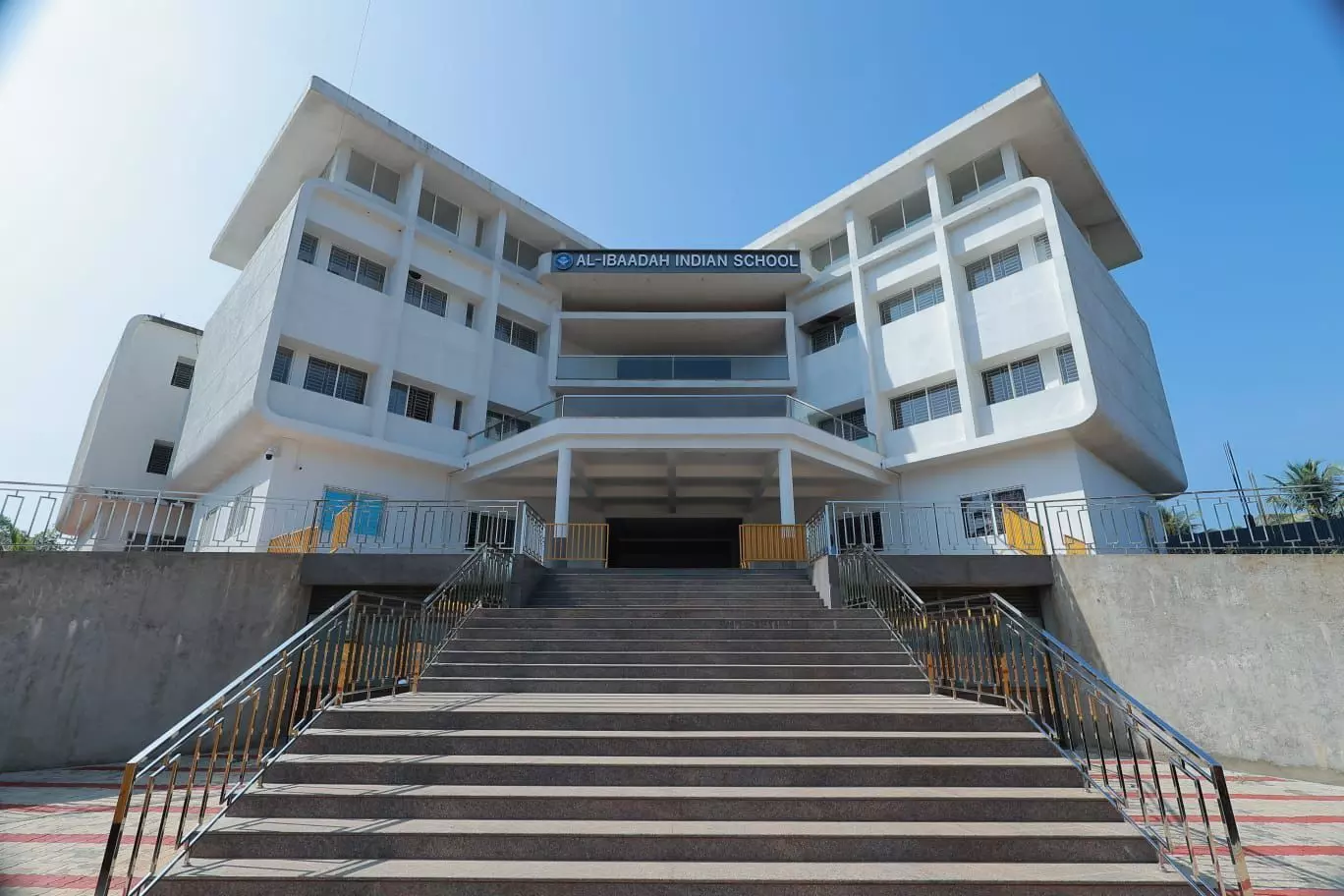
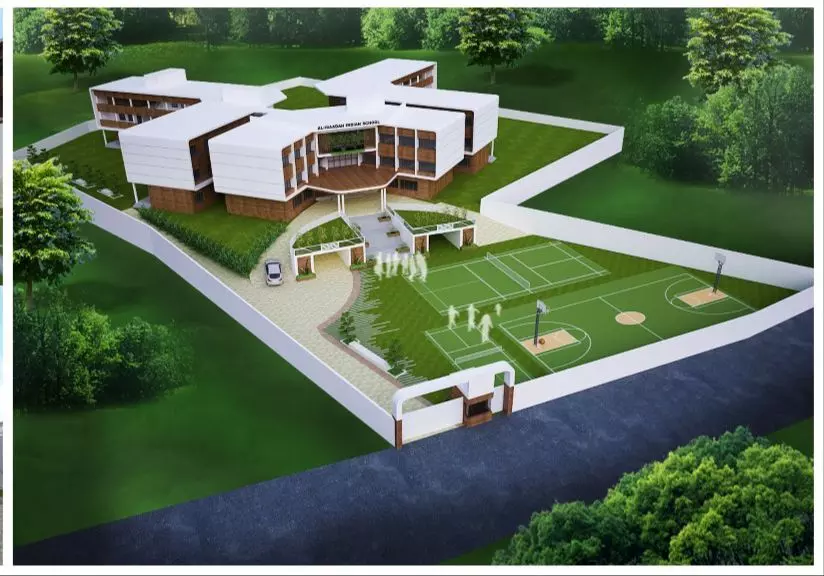
Udupi: In a significant achievement for the Al-Ibaadah Indian School in Perampalli, Udupi, the Government of India has bestowed CBSE accreditation upon it. Founded in 2013 by Hammad Basheer Idinabba and Abdul Latif Madani under the management of Zaid Academy, the school has garnered praise for its commitment to modern facilities and quality education.
Abdul Latif Madani, Secretary and Administrative Director, expressed elation over the accreditation, citing it as a testament to the institution's dedication to excellence in all aspects of education. With over 500 students ranging from LKG to 9th standard, the school caters to a diverse demographic, drawing pupils from Kapu, Shirva to Kundapur.
Safety measures are paramount, with the installation of CC cameras both inside and outside the premises, along with best facilities such as lifts and fire safety protocols. The school boasts a commendable staff ratio, with 38 teachers and 30 non-teaching staff members.
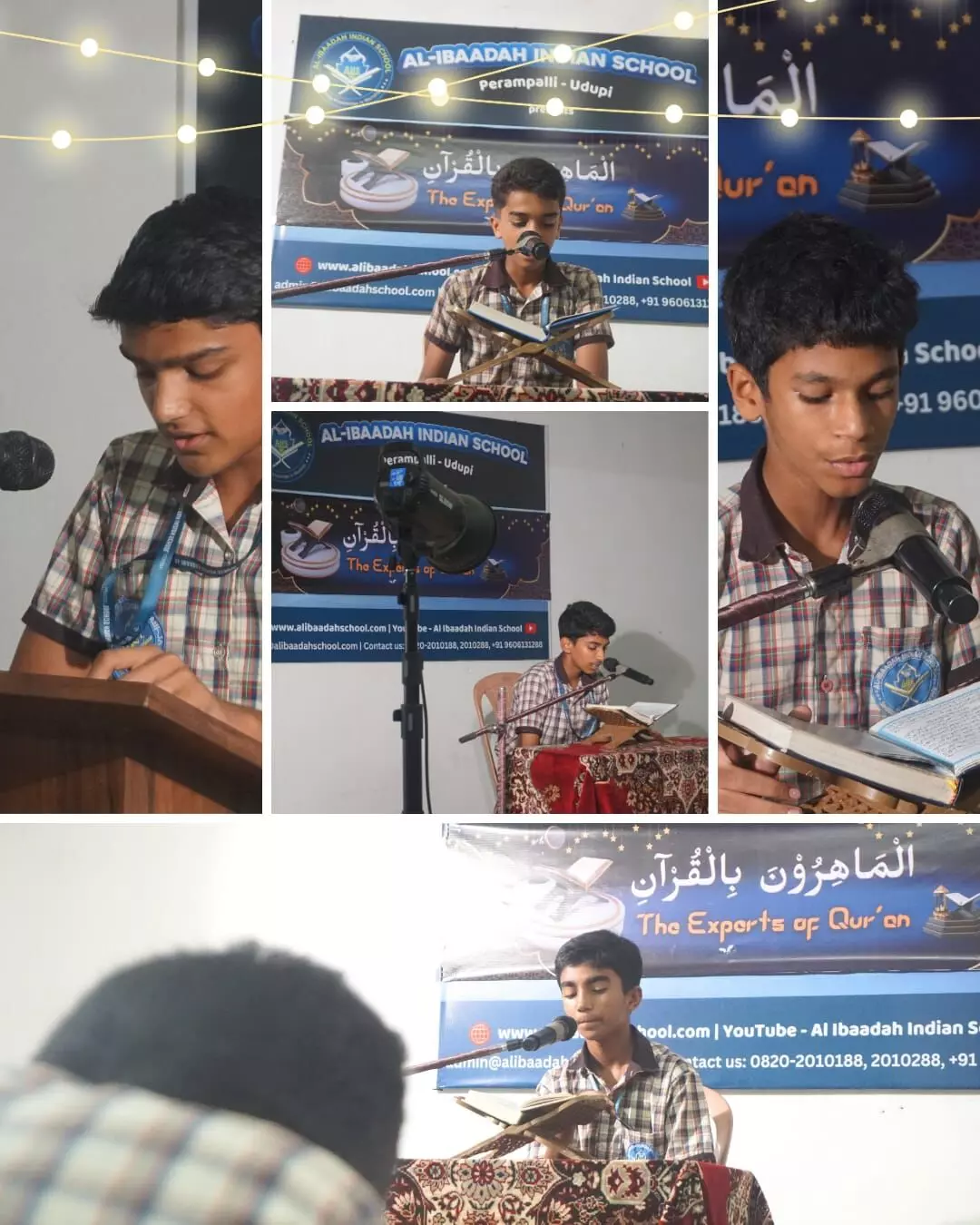
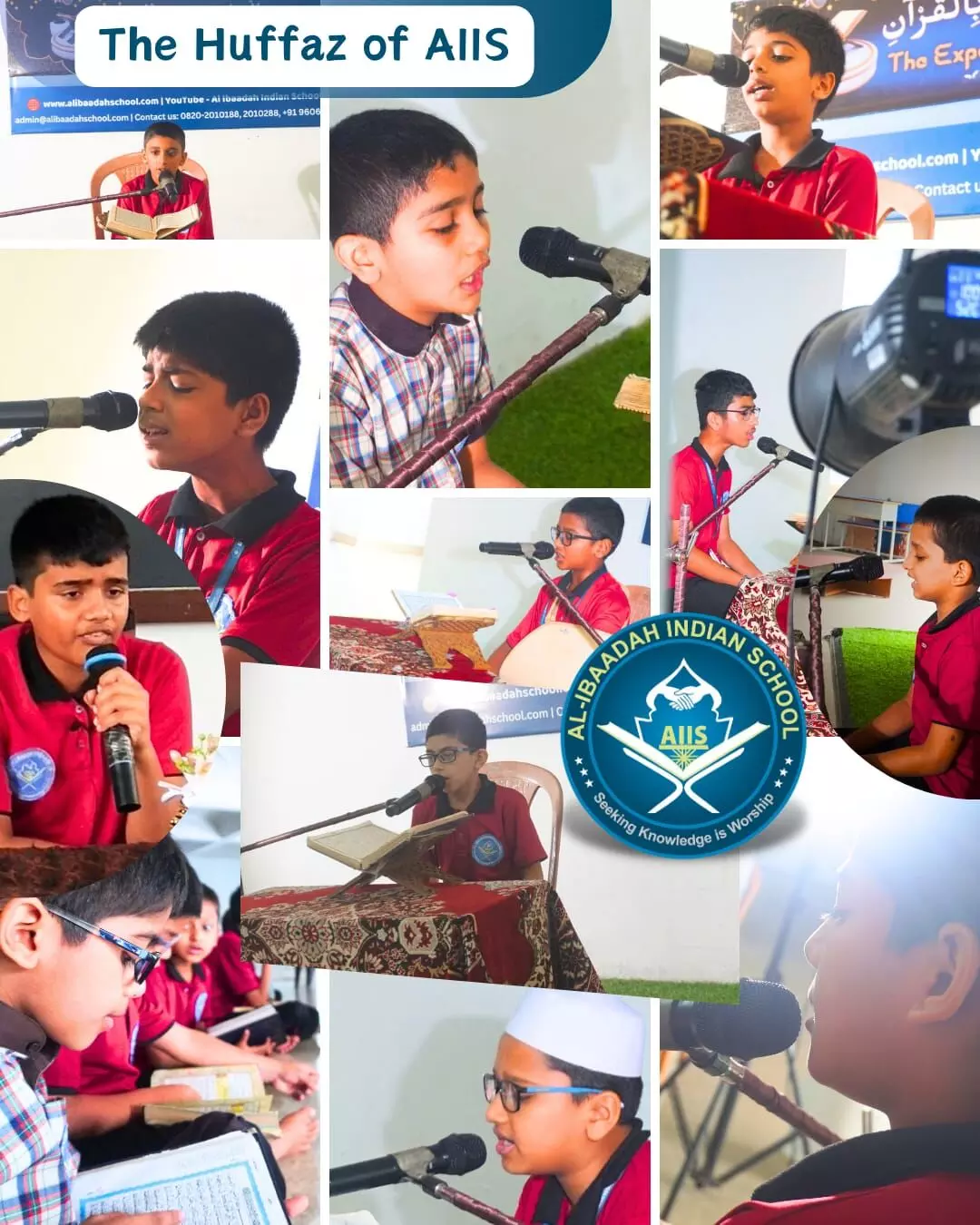
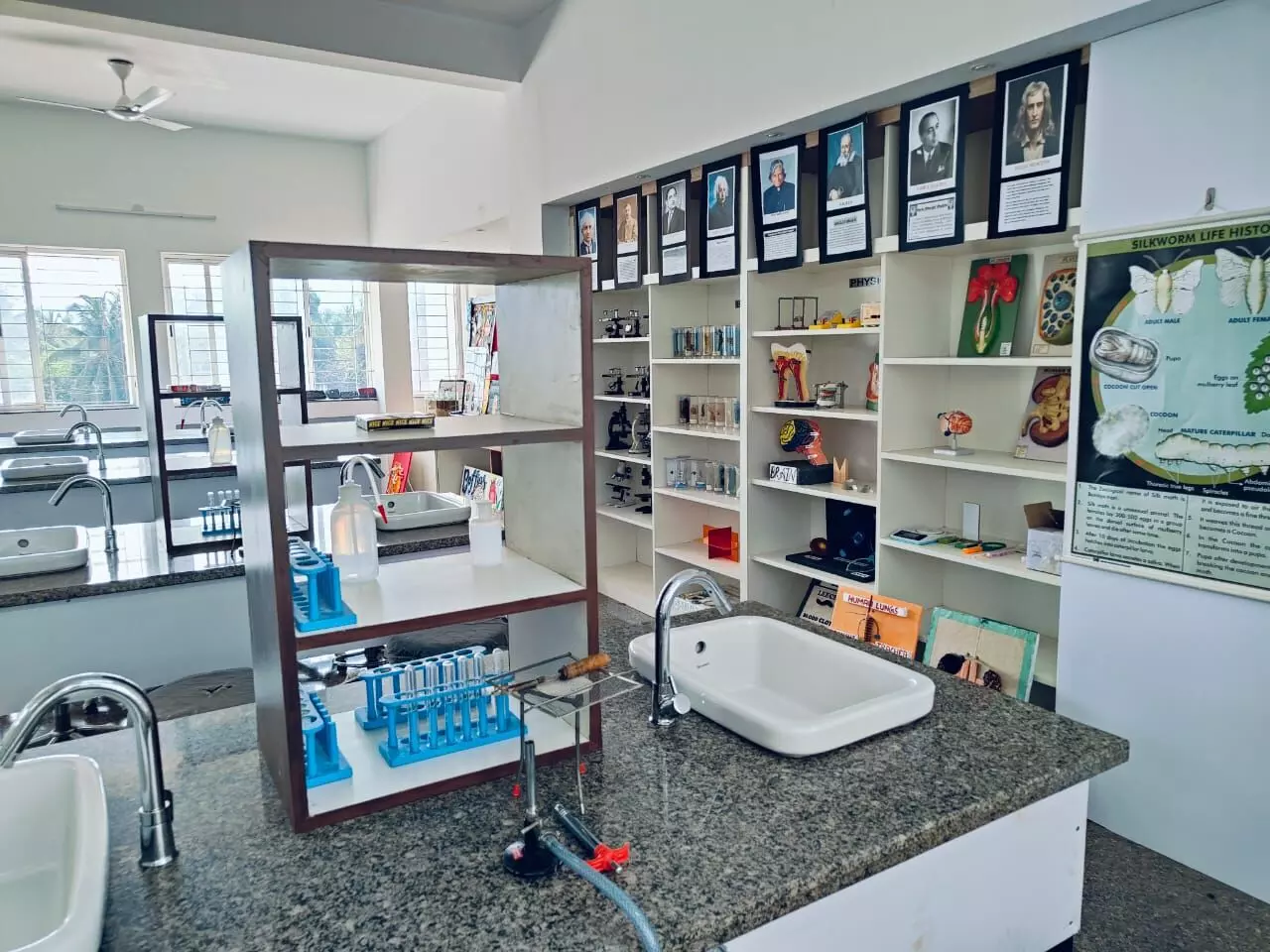
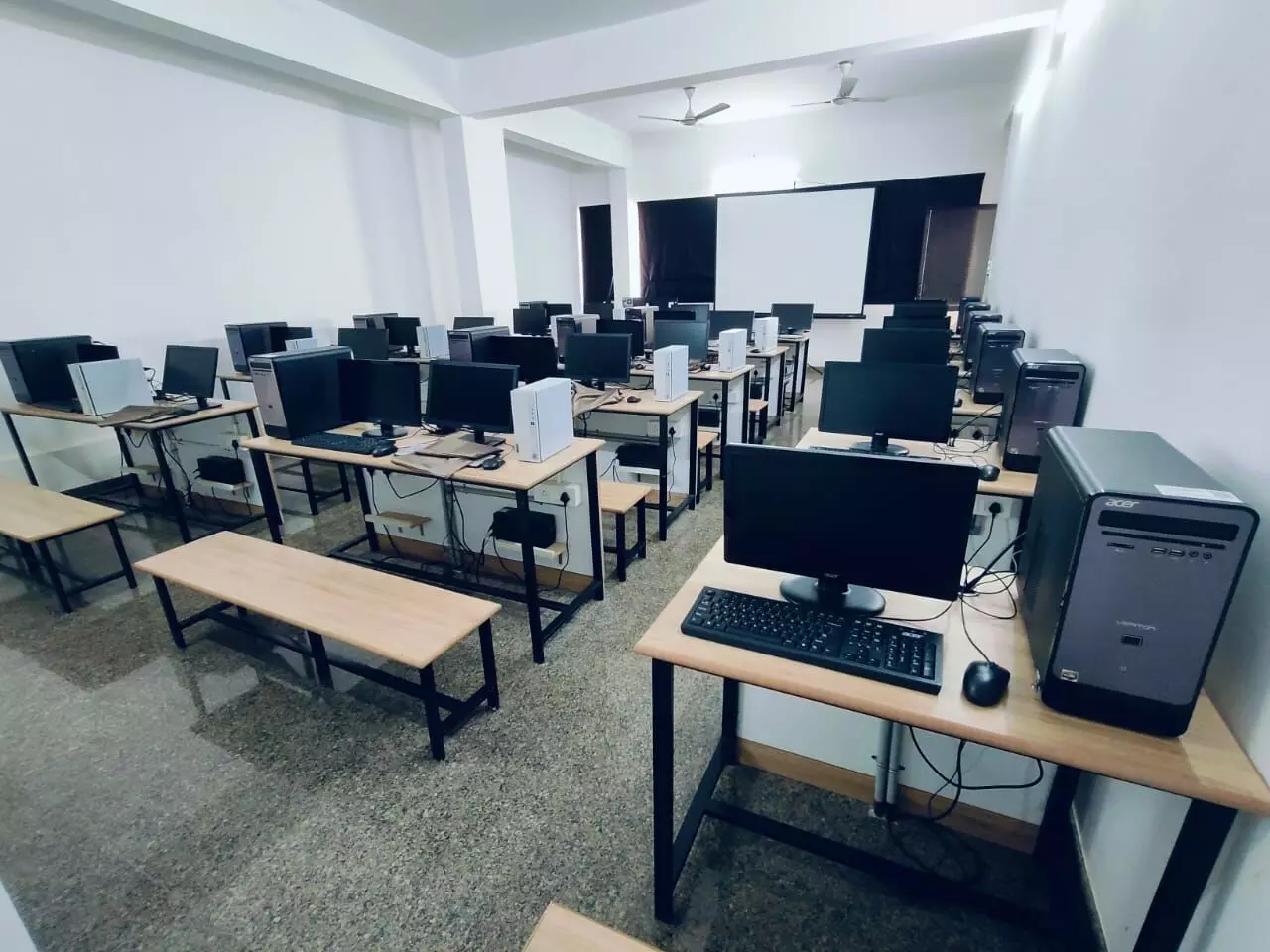
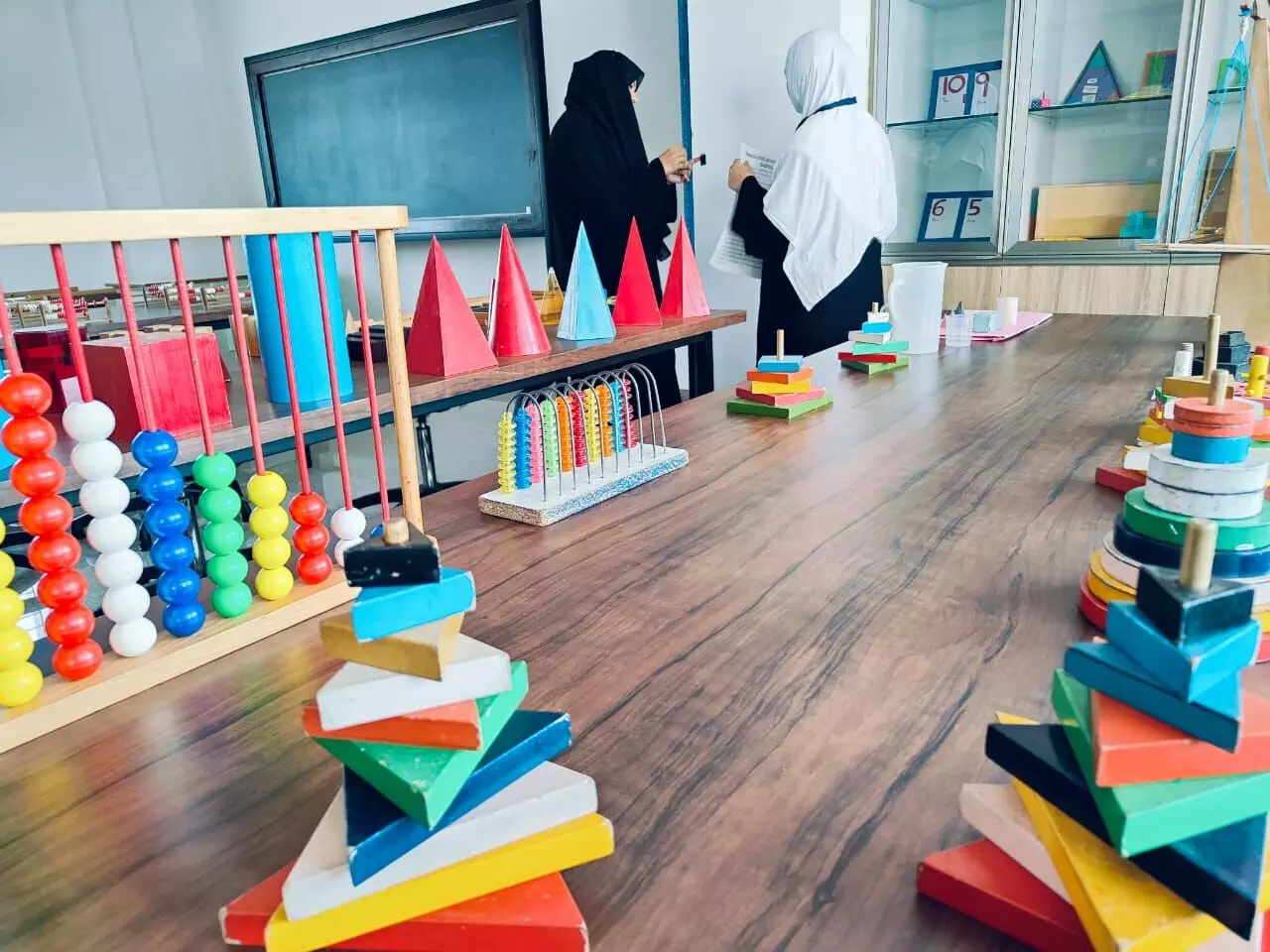
Hammad Bashir Idinabba, Chairman of Zayed Academy, emphasized the holistic development of students, integrating moral studies alongside creative and innovative curricula. Sports and scientific education are given precedence, evident through well-equipped science laboratories and computer labs.
The CBSE accreditation shows the institution's commitment to providing comprehensive education and advanced facilities to the community. Admission is open from Nursery to 9th standard, offering a promising educational journey for aspiring students.
For more insights into the school's ethos and facilities, viewers can access videos via the link: [Al-Ibaadah Indian School Videos](https://www.youtube.com/@alibaadahindianschool978)




Let the Truth be known. If you read VB and like VB, please be a VB Supporter and Help us deliver the Truth to one and all.
3 killed, 15 injured in fire after blast at firecracker unit in MP's Dewas; CM orders probe
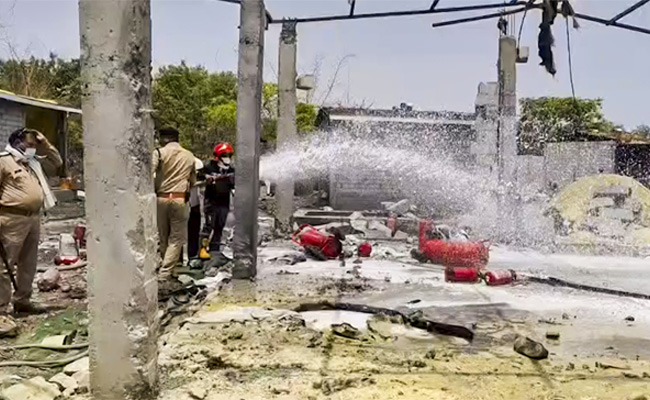
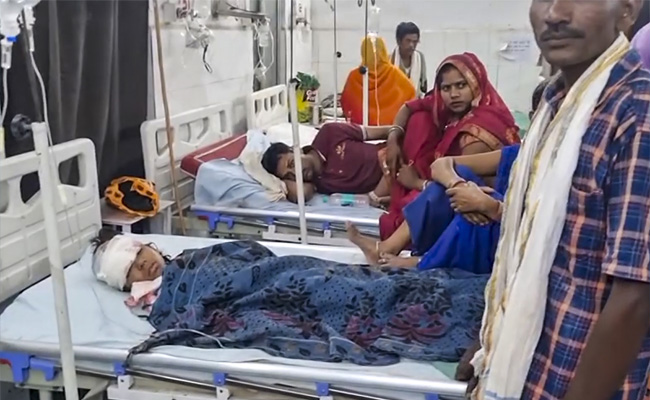
Dewas/Indore (PTI): At least three workers were killed and 15 persons injured after a fire broke out following an explosion at a firecracker factory in Madhya Pradesh's Dewas district on Thursday, an official said.
Chief Minister Mohan Yadav expressed grief over the incident and ordered an investigation. The state government will provide an assistance of Rs 4 lakh to the kin of each of the deceased, and the injured will receive free treatment, he said in a post on X.
Three persons were killed in the fire at the firecracker unit located in Tonk Kalan area, and around 15 injured persons were sent to hospitals in Indore and Dewas, Collector Rituraj Singh told reporters after inspecting the site.
Videos of the aftermath surfaced on social media, showing thick white smoke billowing from the factory along the Agra–Mumbai national highway. The clips also showed people rushing the injured for treatment amid cries for help, with body parts seen scattered at the site.
The collector said the fire has been brought under control. The administration has taken possession of explosives stored at another location within the unit, he said.
The work to manufacture small firecrackers at the factory of a person named Anil Malviya had begun only 15 days ago, and a licence has been issued for the unit, the collector said.
A detailed investigation is underway into the incident, he added.
CM Yadav said, "I have directed Deputy Chief Minister and Dewas district guardian minister Jagdish Devda, the home secretary and senior officials to visit the spot. An inquiry has also been ordered into the incident."
Local residents said there was a massive explosion at the factory, and the victims' body parts were found scattered far away from the site.
They said construction work was underway at the site and different sheds were being built there.