CODP enters Golden Jubile year with grants distribution event in Mangaluru
NRI philanthropist Michael D'Souza donates over Rs 1 crore for construction of houses for poor
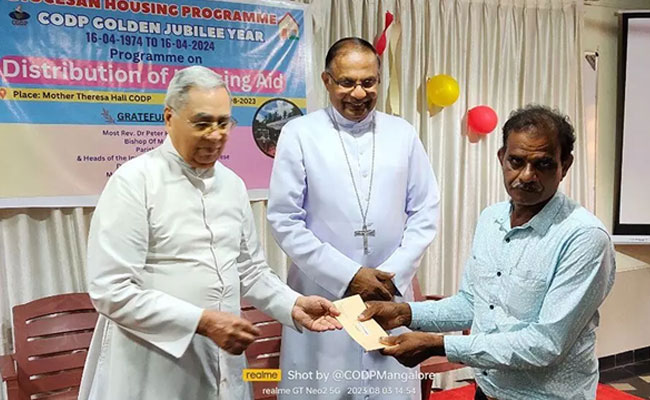
Mangaluru: The Canara Organization for Development and Peace (CODP) entered its Golden Jubilee year with a grant distribution program for beneficiaries under the house construction and repair program for weaker sections of society.
At the event, 180 beneficiaries were present, and grants were distributed to 100 beneficiaries who have already commenced house construction and repair.
Speaking during the program, Most Rev. Dr. Peter Paul Saldanha, the Archbishop of Mangalore Diocese, emphasized the equality among individuals, stating, "Donors are not big and receivers are not small. We are all equal because we are God's children." He praised the contributions of Michael D'Souza, a non-resident businessman, who has consistently supported society by donating scholarships for underprivileged children's higher education, building houses, and helping the poor. The Archbishop considered Michael D'Souza as a motivational figure for society.
As the chief guest, senior priest Valerian D'Souza lauded his long association with Michael D'Souza, spanning 45 years. He expressed his belief in the importance of sharing one's blessings with those in need. Valerian D'Souza remarked, "If there were ten people like Michael in our society, we would not have this level of poverty today."
Notably, the non-resident businessman and donor, Michael D'Souza, contributed INR 1 crore 18 lakh for the construction and maintenance of houses for the underprivileged in Dharmakshetra this year. CODP Director, Vincent D'Souza, mentioned that this support will continue in the upcoming years as well.
The program also witnessed the presence of Michael D'Souza's sister, Sylvia, along with Vincent D'Silva, program coordinator Pinto, Oswald Rodriguez, Henry D'Souza, Saint Vincent Paul's Parish President Joe Cuvelho, Austin Perris, Anil Ivan Fernandes, and other dignitaries.
Let the Truth be known. If you read VB and like VB, please be a VB Supporter and Help us deliver the Truth to one and all.
Trump says he ‘hasn’t even thought about’ continuing Iran ceasefire
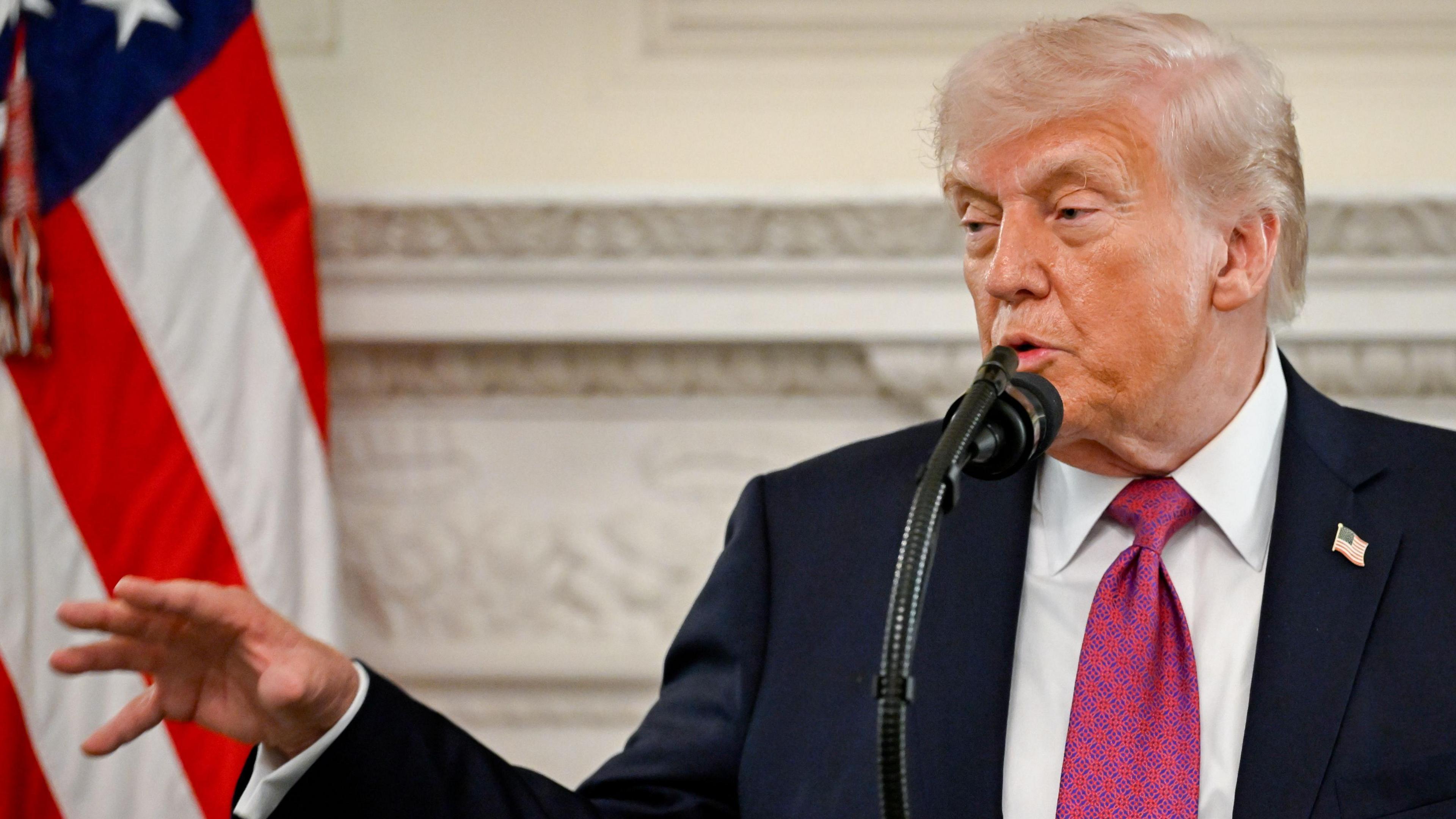
Washington: US President Donald Trump has said he has not yet considered whether he would continue the ceasefire involving Iran, while also claiming the United States holds the advantage in negotiations.
Speaking to reporters, Trump said he was prepared to make a deal with “whoever is running the show” in Iran.
“They are fighting with each other, there’s tremendous infighting. They’re probably fighting for leadership in many cases. I think they’re fighting not to be leader because we knocked out two levels of leaders,” he said.
Trump added, “When they want they can call me. We have all the cards, we’ve won everything.”
Referring to ongoing negotiations, he said, “They gave us a paper that should’ve been better. And, interestingly, immediately when I cancelled it [envoy trip to Pakistan], within 10 minutes we got a new paper that was much better.”
“We talked about they will not have a nuclear weapon, very simple … They offered a lot, but not enough,” he added.
When asked whether he would continue the ceasefire, Trump replied, “I haven’t even thought about it.”
The remarks come as uncertainty remains over the future of the temporary truce and broader negotiations between Washington and Tehran.