Sujatha Bhat’s lawyer urges SIT office be declared police station
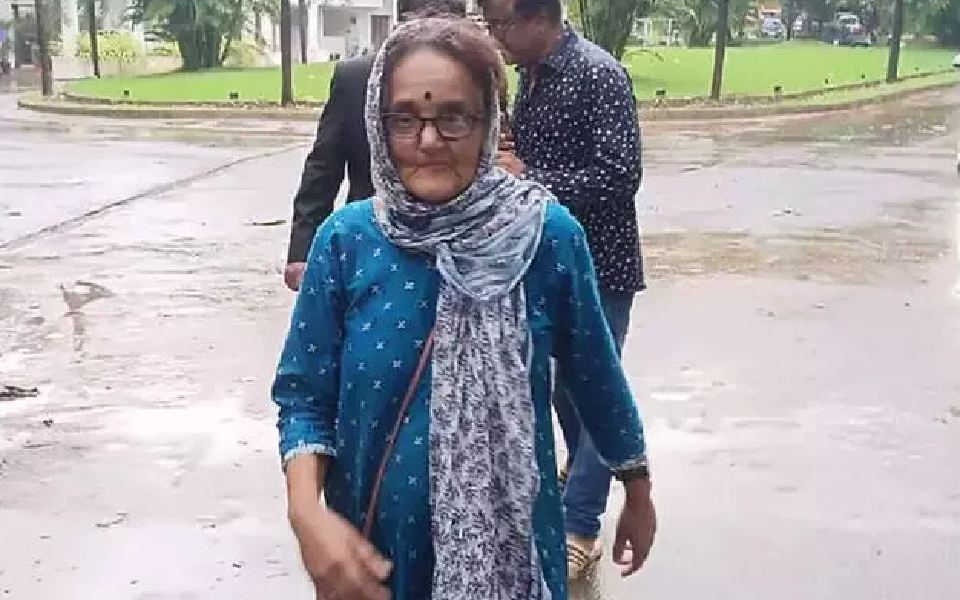
Mangaluru: Advocate Manjunath N., representing Sujatha Bhat, mother of missing medical student Ananya Bhat, has welcomed the move of Dharmasthala villagers to approach the Special Investigation Team probing the mass burials case.
He described it as a hopeful sign in the pursuit of truth and justice. In a statement released today, the advocate revealed that locals had come forward with credible claims about witnessing secret burials in the village.
Advocate Manjunath raised procedural concerns, reiterating his long-standing appeal to have the SIT office formally declared as a police station under the Criminal Procedure Code. “Since the formation of the SIT, we have urged that its office be designated as a police station to avoid unnecessary inconvenience and ensure smooth functioning of the helpline created for the probe,” he said. The lack of such a status, he warned, is hampering the team’s ability to register and act on complaints directly.
Despite the fresh complainants’ willingness to participate, a response issued by the SIT reportedly directed them to approach the jurisdictional police station instead. This, according to Manjunath, defeats the very purpose of having a dedicated SIT if it cannot independently register cases or accept crucial information from witnesses.
The Advocate also has released a letter from a third anonymous witness in the Dharmasthala mass burials case.
In the letter the witness claims to represent villagers from Dharmasthala and nearby areas, has written to SIT Chief Pranab Mohanty seeking inclusion in the ongoing exhumation operations. According to the letter, the individual claims to have personally witnessed the first complainant, whose identity has been featured in media reports, secretly transporting and burying human remains at various sites in the village.
The witness emphasized that while the burial operations may have been carried out in secrecy, they did not go unnoticed in a closely-knit rural community. He appealed to the SIT to allow them to independently identify burial sites beyond those already marked by the first complainant.
The third witness also expressed confidence in the SIT, noting that its formation under the direction of the Chief Minister has emboldened fearful villagers to come forward. They described the SIT’s presence as a “shield of safety” that is helping the truth surface after years of silence.
However, the SIT's assistant officer, in an official response, noted that the witness’s application had been reviewed and advised that complaints or evidence regarding criminal activity must be submitted to the jurisdictional police station for further action.
Let the Truth be known. If you read VB and like VB, please be a VB Supporter and Help us deliver the Truth to one and all.
Congress using hijab issue to pacify minority anger, alleges Karnataka LoP R Ashoka
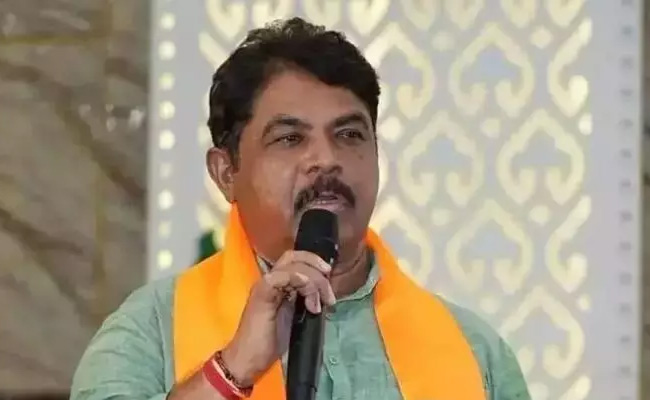
Bengaluru: Leader of Opposition in the Assembly R. Ashoka has accused the Congress government of using the hijab issue to placate what he described as discontent among minority voters after the Davanagere by-election.
In a post on X on Wednesday, Ashoka alleged that the state government, instead of addressing issues such as price rise, corruption, farmers’ distress and law and order, was attempting to retain its minority vote base by reviving the hijab issue.
Referring to the 2022 dress code introduced by the BJP government, which prohibited hijab in schools and colleges, Ashoka said the Karnataka High Court had upheld the policy and emphasised the importance of discipline in educational institutions.
He questioned the Congress government’s move to revisit the issue and asked whether setting aside the court-backed policy to benefit one community could be described as secularism.
Ashoka further alleged that while the government was willing to permit hijab, it continued to prohibit saffron shawls.
He accused the government of dividing students on religious lines rather than treating schools and colleges as spaces of equality.
Drawing a comparison with Mamata Banerjee’s government in West Bengal, Ashoka claimed that excessive appeasement politics had harmed the state and warned that the Congress in Karnataka could face a similar political response.
He said voters in Karnataka would teach the Congress a lesson for what he termed “vote-bank politics” and for compromising constitutional and judicial principles.