COVID-19: Dakshina Kannada crosses 100-cases mark; reports 24 new positive cases on Thursday
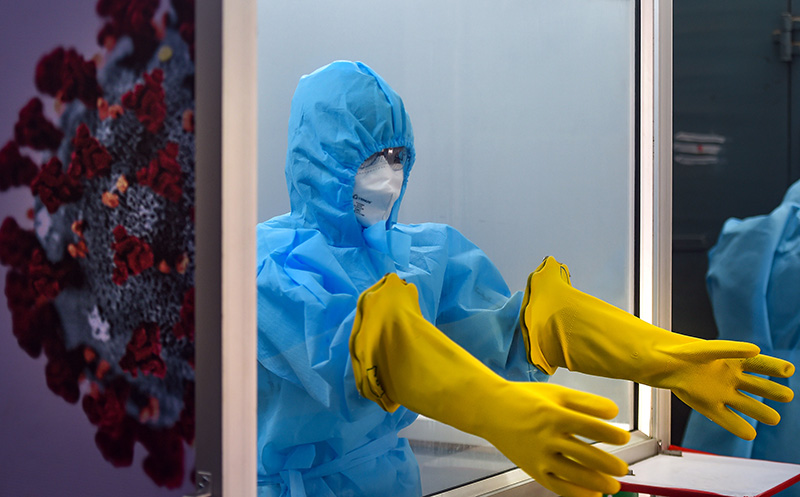
Mangaluru: Dakshina Kannada on Thursday reported a total of 24 new COVID-19 cases taking the total tally of cases in the District to 105, according to the latest health bulletin issued by Health and Family Welfare Department.
In the bulletin issued on Thursday afternoon, the District had reported six new cases while it again reported 18 new cases in the latest bulletin issued on Thursday evening.
According to the bulletin all the 18 cases reported on Thursday evening had arrived in the District from Mumbai. This is the highest single day spike of cases the District has so far reported ever since it reported the first case on March 22. The District crossed 100-cases mark on 69th day after reporting the first case.
The District Administration had relaxed the Corona lockdown after the COVID-19 patients of the District had recovered from the virus and were discharged from the hospital but the second wave of cases from the people who arrived in the District from other states and abroad has once again created panic among the local residents.
Let the Truth be known. If you read VB and like VB, please be a VB Supporter and Help us deliver the Truth to one and all.
Belagavi youth’s murder case projected as road accident, cracked in Uttara Kannada; Three arrested
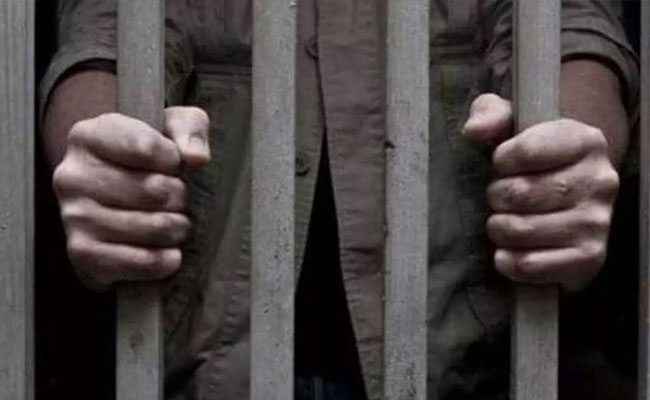
Karwar: Uttara Kannada police have cracked a murder case in which a Belagavi youth was killed and his body burnt inside a car to make it appear like a road accident.
Addressing a press meet in the city, Superintendent of Police Deepan M.N. said three accused from Old Hubballi have been arrested in connection with the case. The crime was a pre-planned act driven by personal enmity, he said.
The case came to light on April 8 morning when a car (KA-04/MJ-8996) was found completely burnt in a roadside ditch near Talekumbri bus stand in Yellapur. Only charred human remains were found inside the vehicle. Initially, it was suspected to be an accident caused by overspeeding, and a case was registered at Yellapur police station based on a complaint filed by the deceased’s father, Jagannath Dhapale.
However, the father later expressed suspicion that his son’s death was not accidental, prompting a detailed investigation.
Taking the matter seriously, two special teams were formed under the leadership of Yellapur Inspector Ramesh Hanapur. On analysing technical evidence and CCTV footage, police found that it was a planned murder.
The accused have been identified as Abdul Raheem Basheer Ahmed Mujawar (32), Maulasab Bavahan Wada (36) and Dadapeer alias Aftab Mehboob Saab Balasangi (22), all chicken traders from Old Hubballi.
Police have seized the car used in the crime along with two scooters. The accused have been remanded to judicial custody.
Investigations revealed that the accused killed Nitesh Dhapale due to personal enmity and later set the car on fire along with the body to project it as an accident.
SP Deepan M.N. appreciated the efforts of Inspector Ramesh Hanapur, PSIs Rajashekhar Vandali and Siddappa Gudi, and the entire team for solving the complex case.