Cyclone 'Tauktae': Two storeyed house collapses due to high tides at sea in Uppala
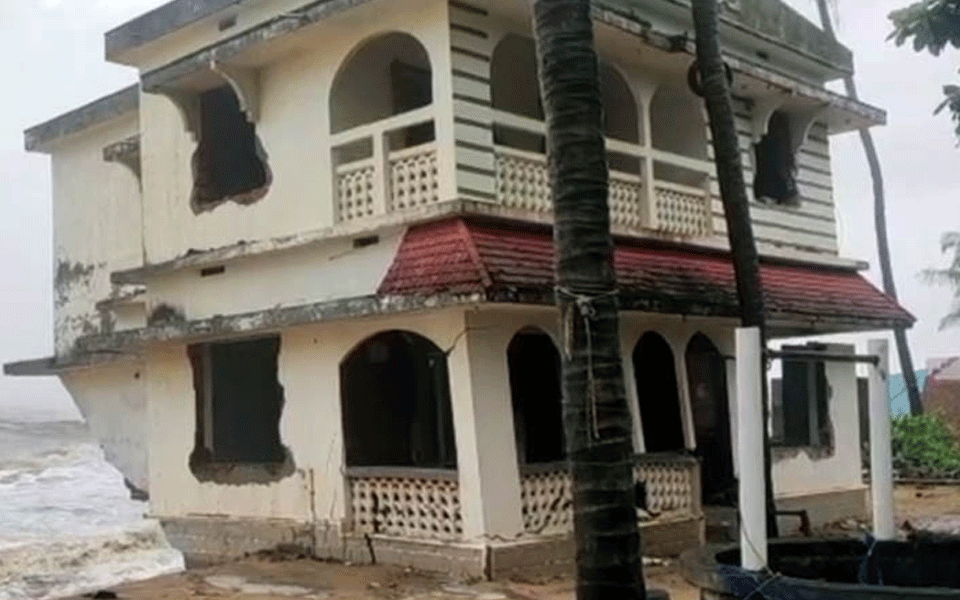
Kasaragod: In an incident that occurred on Saturday morning, a two-storeyed house situated close to the ocean at Musodi in Uppala, collapsed to the ground after intense tidal waves crashed into the structure. The levelled house belongs to a man named Musa, who is a resident of Musodi, it is learned.
In the background of the cyclone raging in the Arabian Sea, Kasaragod district had been receiving constant heavy rains and the shores by the ocean were reportedly experiencing intense tidal waves in succession.
The district administration has undertaken precautionary measures in the wake of heavy rains and fierce winds. The four taluks in the district have opened control rooms, in this regard. A team of 35 individuals from the Coastal Guard have been readied to meet emergency operations.
Various houses situated close to the ocean’s shores in Uppala, Kumble, Kasaragod are in danger of being washed away by the growing tidal waves. A district-wide red alert has been issued in the region. Reportedly, two families were evacuated and relocated from their houses near the shores of Cherangai in Kasaragod, after seawater entered their residence.
Musodi District Panchayat member, Golden Abdul Rahman, and others visited the site of the levelled house and inspected the damage.
Let the Truth be known. If you read VB and like VB, please be a VB Supporter and Help us deliver the Truth to one and all.
Lebanon appoints new representative for talks with Israel, rejects linkage to Iran
Beirut: Lebanon’s has moved to underline its independent position in ongoing regional developments, amid attempts to link the country to the broader conflict involving Iran, the United States and Israel.
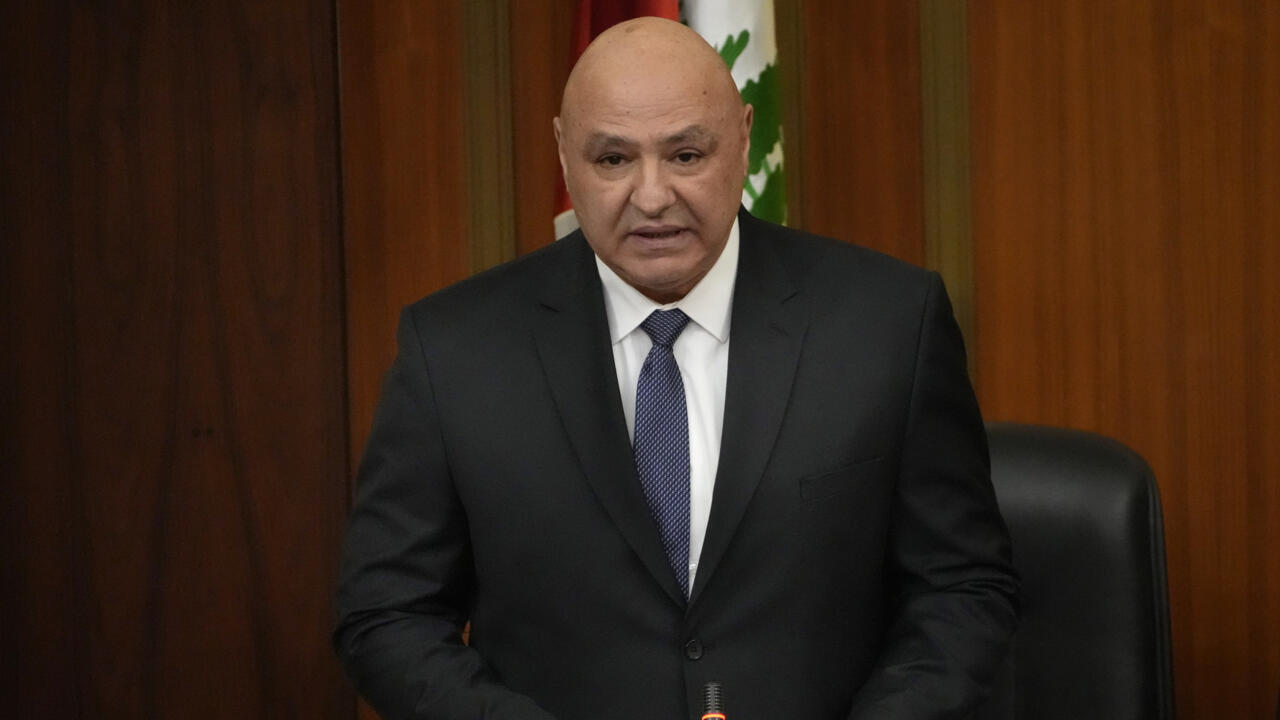
President Joseph Aoun, while announcing the appointment of former US ambassador Simon Karam as Lebanon’s representative in talks with Israel, made it clear that Karam would be the sole representative for Lebanon and that there would be no substitute.
The move comes in response to what the Lebanese officials see as efforts by Iran to tie Lebanon’s situation to the wider regional conflict. Iran had indicated that there would be no ceasefire involving the US, Israel and Iran unless it also included a ceasefire in Lebanon.
Some groups, including Hezbollah and its supporters, had expressed support for linking the situations, citing concerns that the Lebanese government has limited leverage in negotiations with Israel. Lebanon is not formally a party to the conflict, and its army is considered weak.
However, others, including Prime Minister Nawaf Salam, have opposed this approach. They view Iran’s stance as an attempt to influence Lebanon’s internal affairs and see it as undermining the country’s sovereignty.
Officials backing the government’s position say the move is aimed at reaffirming Lebanon’s sovereignty and ensuring that decisions about peace and ceasefire within the country are not dictated externally.
They also see it as a safeguard, so that any breakdown in talks between the US, Israel and Iran does not automatically lead to renewed conflict in Lebanon.