Dakshina Kannada District Administration issues guidelines for one-week lockdown

Mangaluru: Dakshina Kannada District in a bid to cap the spread of Corona Virus has announced a one-week complete lockdown in the district starting July 15, 8 pm. The District Administration on Wednesday issued guidelines to be followed during the week-long lockdown.
According to the guidelines use of transport facilities, including KSRTC and private buses and private vehicles, is prohibited, except in case of emergency. Commercial and private organizations will remain closed. Containment zones will also be sealed. Ration and grocery shops, as well as stalls selling food items, grains, fruits, vegetables, and meat outside the zones, will be open from 8 am to 11 am, said Deputy Commissioner Sindhu B Rupesh, while explaining the guidelines for the lockdown.
Bars, malls, and wine stores will all be completely closed. Public entry is prohibited into gymnasiums, sports complexes, stadiums, swimming pools, entertainment parks, stages, auditoriums, and meeting halls. Organizing social, political, sports, entertainment, cultural as well as religious functions and gatherings at all religious places and places of worship is also not permitted.
Work of health, medical, education, police, Home Guards, public security, fire brigade, and emergency services, disaster management forces, Mangaluru City Corporation, and prison will continue, as usual, the deputy commissioner said.
Flight and train services that have been scheduled will continue during the lockdown. The tickets of passengers will be considered as their passes. In addition, people are permitted to travel in taxis and auto-rickshaws to reach the airports and railway stations. Hiring taxis and auto-rickshaws is prohibited – except those booked for emergency situations.
Rupesh also said that schools, colleges, and other education and coaching institutions will remain shut during the lockdown period. The online class system will be continued, however, the examinations scheduled will be conducted following the national guidelines for control of Covid-19. Students answering examinations may use the hall tickets as passes for travel. They may also use the taxis and auto-rickshaws to reach the examination halls. Teachers are permitted to travel to SSLC evaluation centers.
Hospitality services, including hotels and restaurants, will be closed – except for the staff of health, police, and government services departments, health workers, and travelers as well as for quarantine facilities. The hotels and restaurants may only provide food as a takeaway.
Food processing and related industries, banks, insurance offices, ATMs, and print and electronic media houses will be permitted to function. Distance communication, internet, circulation and cable services, information technology, and related services will also be provided. Management offices will have to function with skeletal staff to provide the basic facilities. They will, however, have to give preference to work from home system, said the deputy commissioner.
Supply of food, medicine, medical equipment, and other necessary things, functioning of power generation, supply and transmission units, the Indian Securities and Exchange Board and stock market facilities, cold storage units and godowns will be carried out through e-commerce system, said Rupesh, adding that the rest of the institutions will have to use the work from home system.
Let the Truth be known. If you read VB and like VB, please be a VB Supporter and Help us deliver the Truth to one and all.
Body of man in Kalaburagi found hanging in his field; cause of death unknown
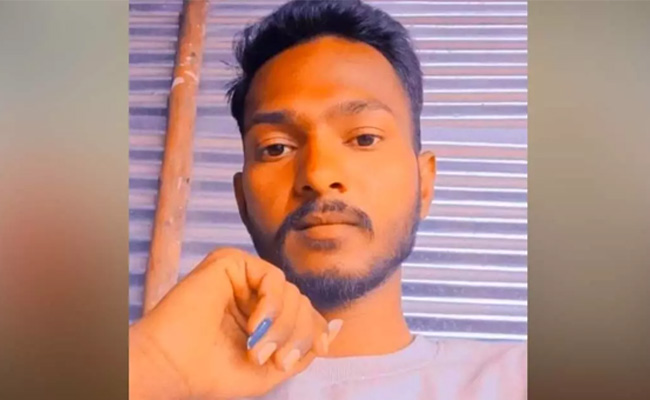
Kalaburagi: A man was found dead, with his body seen hanging, in his own field in Hulasaguda village of Kalagi taluk on Saturday morning. The cause for death is unknown as yet.
The deceased, identified as Revanasiddhappa Shettappa (26), is learned to have been a resident of Hulasaguda village.
Ratkal Police Sub-inspector Sheela Devi reportedly visited the spot where the man’s body was found and inspected it.
Police have registered a case in this regard and are probing the death of the Shettappa.