‘Dept. is preparing to vaccinate people if KFD virus found’
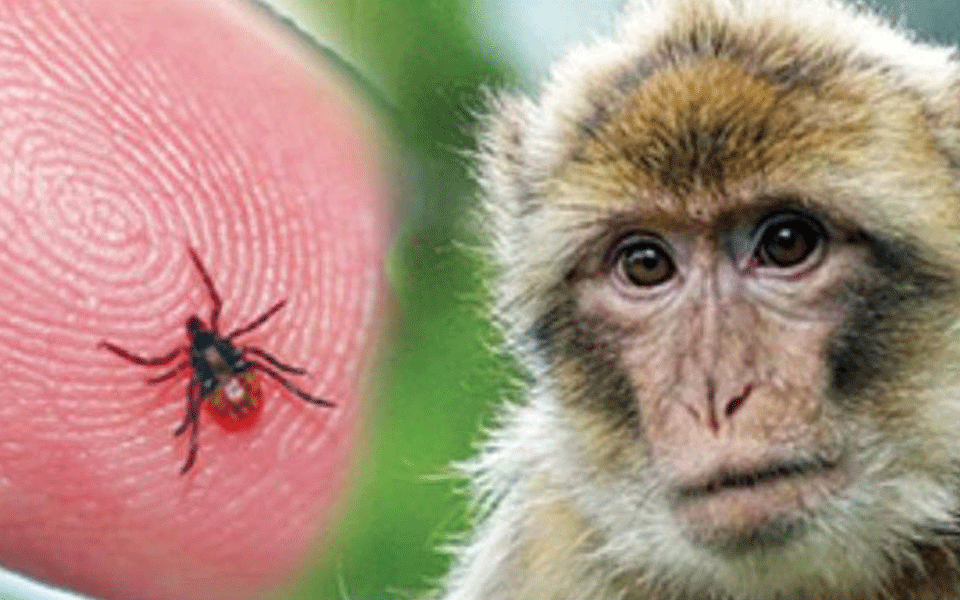
Udupi, Jan 22: As Kyasanur Forest Disease(KFD) virus have been traced in the carcass of monkeys found in nine villages in three taluks in the district so far, the health department is preparing to vaccinate all the villagers within 10 km radius of these nine villages, said KFD district nodal officer Dr. Prashanth Bhat.
As per the guidelines of the KFD, the people in the places where KFD virus have been found should be vaccinated, for which survey was being conducted in those villages. The survey report would be sent to the government shortly for its approval, he added.
As the KFD virus has already been found in nine villages, the vaccination being given as of now would not help much. The department would place the demand for required vaccination only after the government accepted the survey report.
In India, only National Institute of Virology of Puna has been developing the vaccination. After placing the order, it would take minimum one month to produce the vaccination. Even if the people were vaccinated, it would take minimum 60 days to give immunity to the patient.
Each person between 6 and 65 years of age should be given vaccination for two times in 60 days. Once the person is vaccinated, his body would develop immunity against KFD only after 90 days of his first vaccination. So, this vaccination would help them for the next year, Dr Bhat explained.
The KFD would appear between January and June. But this time, it has spread in Sagar and other parts of Shivamogga district in October-November month gaps. Monkeys would act as carriers for virus afflicted ticks and with the monkeys, the disease might come to the Western Ghats.
In the present system, if the disease was not appeared for five years after vaccinated for the disease, the vaccination would be stopped in that area. Since the KFD was not appeared in Udupi district after 1980, the vaccination was not being given to the people. So, the vaccination to be given now should be continued for the next five years. So, if the people were vaccinated now, it would work in 2020.
So, people were being given awareness about the disease and treatment. So far, there were no symptoms of the disease in the district due to precautionary measures and awareness, he said.
Carcass of 7 more monkeys found
Carcass of seven more monkeys were found in various parts of the district including three in Shiriyara, two in Byndoor and one each in Basrur Kandavara and Nandalike. After conducting postmortem of two carcass in Byndoor and one in Nandalike, samples were sent to Shivamogga for testing and remaining four carcass were found in complete mutilated condition.
Meanwhile, the blood samples of two women of Belapu and Kodladi who were admitted to the district hospital for treatment were sent to Manipal hospital and both the samples were tested negative. So, till now, there were no reports of suspected KFD virus in the district, he informed.
30 treated in Manipal
Today, two more patients from Sagar taluk admitted to Manipal hospital for treatment. With them, the number of patients admitted to the hospital so far was increased to 109. Among them, three patients were readmitted to the hospital. After testing, 45 persons were tested positive and 65 persons tested negative and reports of three persons yet to come. Total 81 patients were cured and 30 patients were still undergoing treatment, the hospital sources said.
Let the Truth be known. If you read VB and like VB, please be a VB Supporter and Help us deliver the Truth to one and all.
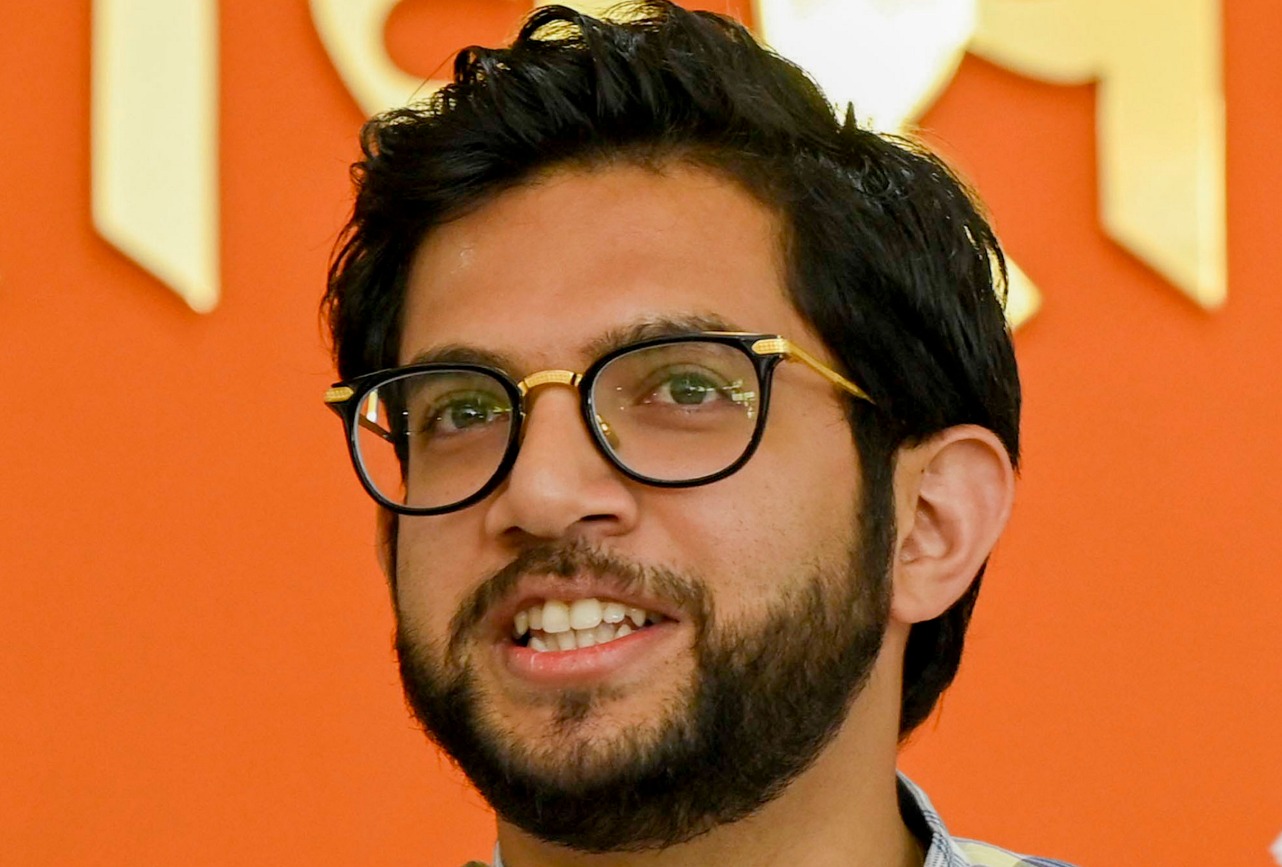
Udhayanidhi accuses BJP of not releasing funds for TN
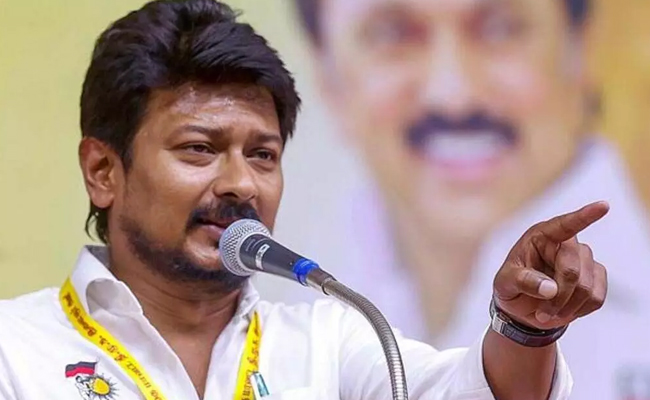
Gobichettipalayam (PTI): Tamil Nadu deputy chief minister Udhayanidhi Stalin on Saturday charged the BJP government at the Centre with not releasing funds to the state and accused it of "snatching" TN's rights.
Addressing a poll rally at Gobichettipalayam in the western Erode district, the DMK youth wing chief claimed the Centre has not released funds to the tune of Rs 3,000 crore for education.
"They (union government) have snatched all our rights," he charged.
With regard to the Centre's proposal for delimitation, he said chief minister M K Stalin was the first person in the country to raise the voice against the union government's move. He claimed that it was a "huge victory" for the INDIA alliance, as the bill was defeated for lack of majority after the opposition voted against it in the Lok Sabha.
Listing out various welfare measures implemented by the DMK government, he said the existing "Kalaignar Magalir Urimai Thogai" (monthly financial assistance for women) will be doubled to Rs 2,000 if DMK was voted to power again.
The deputy chief minister charged that the BJP and AIADMK have tried to stall it by moving the court. "At present more than 1.3 crore women have benefited from the scheme", he said.
"Similarly, the breakfast scheme for the government school students will be extended till Class VIII", he said adding "more than 35 lakh college students across the state will be getting free laptops once the DMK government is formed".
Udhayanidhi also pointed out at the "Illatharasi" poll promise, providing Rs 8,000 worth of coupons to non-income tax paying women where they could buy or replace any household appliances of their choice.
Elections to 234 Assembly seats in Tamil Nadu will be held on April 23 and the results declared on May 4 following counting of polled votes.