Dharmasthala case: Pastor, rowdy sheeter pose as human rights officers, police probe

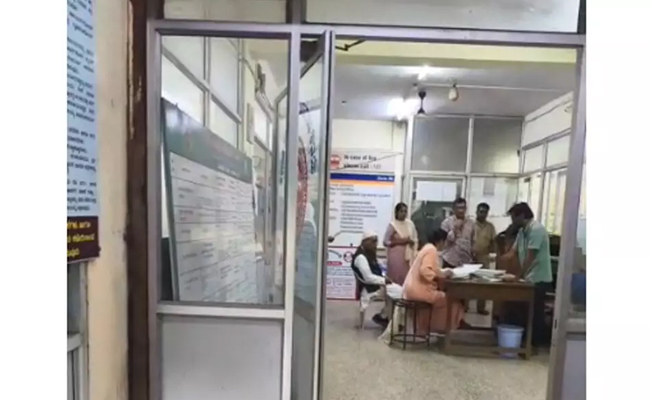
Bengaluru(PTI): The Dakshina Kannada police are probing two imposters—one of whom is a pastor—who visited Belthangadi police station posing as officers of the Karnataka State Human Rights Commission (KSHRC).
The imposters had approached the police station “to find out the truth” behind allegations of mass burials in Dharmasthala temple town, police sources said on Tuesday.
One of the accused, Madan Bugudi, is a rowdy sheeter from Hubballi. The other is reportedly a pastor in a church at Doddaballapura and a resident of Bengaluru, who also visited the police station under the guise of a KSHRC member.
“He is said to run his own church in Doddaballapura, where he serves as a pastor. Investigations are underway to determine his involvement,” a senior police officer said.
Police registered a case against Bugudi, Mahesh Shetty Thimarody, and Girish Mattannanavar on August 31 under Sections 204, 319(2), and 353(2) of the Bharatiya Nyaya Sanhita for impersonation, cheating, and spreading false information to cause enmity. Thimarody was recently externed from the Dakshina Kannada district.
According to police, Bugudi introduced himself as a Human Rights Commission officer during his visit to the Belthangadi police station.
“However, it was later found that he was not an officer of the Commission at all, but rather a notorious rowdy from Hubballi,” the officer said.
Charges state that Mattannanavar, along with Bugudi, spoke to reporters “with the intention of disturbing social peace and harmony, to provoke the public against the sacred Dharmasthala Kshetra, to hurt religious sentiments, and to deceive the general public.”
The controversy followed a complaint by C N Chinnaiah, later arrested for perjury, who alleged mass burials of bodies, including those of women with signs of sexual assault, in Dharmasthala over a period of time, implicating temple administrators.
The BJP protested against what it called the targeting of the temple, while Deputy Chief Minister D K Shivakumar warned of action if the complaint was false. Veerendra Heggade, Dharmadhikari of the Manjunatha Swamy Temple, welcomed the formation of a Special Investigation Team to probe the allegations.
Let the Truth be known. If you read VB and like VB, please be a VB Supporter and Help us deliver the Truth to one and all.
Biker injured, leopard dies in road accident near forest area in Shivamogga
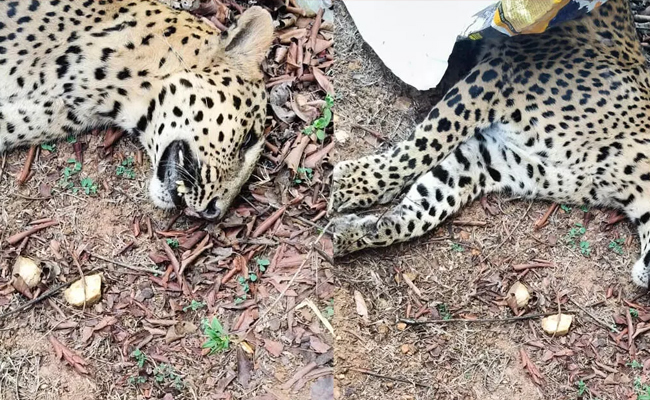
Shivamogga: A leopard was killed after being hit by a motorcycle near Mandagadde in Thirthahalli taluk of Shivamogga district.
According to reports, the biker was travelling from Shivamogga towards Thirthahalli when the leopard suddenly came onto the road from a nearby forest area near Mandagadde. The rider is said to have lost control of the bike and crashed into the animal.
The leopard suffered severe injuries in the impact and died on the spot. The biker also fell onto the road along with the motorcycle and sustained serious injuries. He was shifted to a hospital in Shivamogga for further treatment.
After receiving information about the incident, forest department officials, including Gajanur RFO Vinay Kumar, visited the spot and conducted an inspection.