DK administration to turn to Instagram reels to fight drugs menace in district
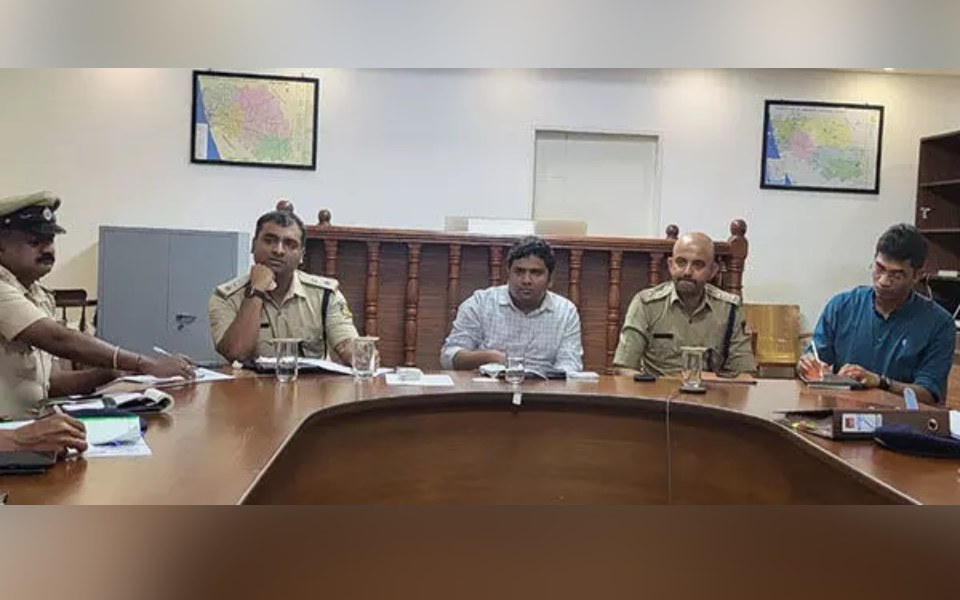
Mangaluru: In a bid to spread awareness about the ill effects of drug usage, Dakshina Kannada Deputy Commissioner Mullai Muhilan on Thursday instructed the Special Officer of the Department of Collegiate Education to take steps to create reels and short films by interested college students about the adverse effects of drug usage.
He was speaking while presiding over the district level committee meeting of the Narco-Coordination Center which was held at the hall of the Deputy Commissioner’s office.
He further informed that the colleges in the city have already formed Drug Eradication Committees and also have appointed its members. Different types of programs should be organized including awareness rallies and others spreading the message of the ill effects of drugs. Devi Prasad, Special Officer of the Department of Collegiate Education, should take steps to ensure that the students are motivated to create a good script on drug eradication in colleges and produce short videos within one minute by the students themselves. The best reels and short films will be awarded on August 15, he added.
Meanwhile, Muhilan has also instructed Dr. Kishore Kumar Welfare Officer of the Health and Family Welfare Department to appoint counsellors identified at the district level for counseling the drug addicts in the district.
Speaking on the occasion, District Superintendent of Police Rishyant C.B instructed the Forest Department Officials to investigate and provide a report on the cultivation of Ganja near Belthangady. He also instructed the department officials to reward those who would be providing information pertaining to illegal cultivation of Ganja.
Law and Order Department DCP Anshu Kumar, Puttur DySP Dr. Gana P. Kumar, Joint Director of the Agriculture Department and others were present at the meeting.
Let the Truth be known. If you read VB and like VB, please be a VB Supporter and Help us deliver the Truth to one and all.
Trump says he ‘hasn’t even thought about’ continuing Iran ceasefire
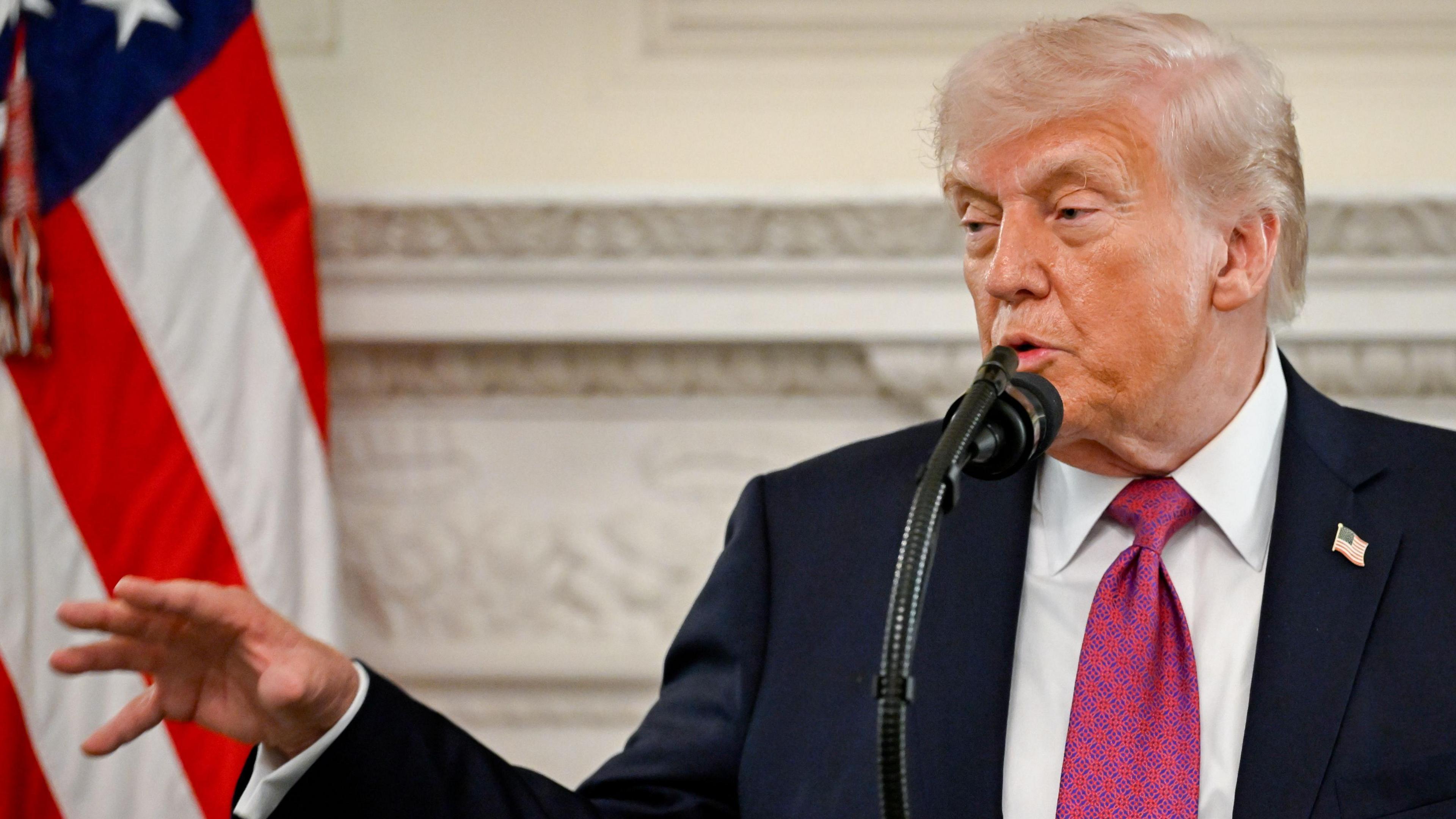
Washington: US President Donald Trump has said he has not yet considered whether he would continue the ceasefire involving Iran, while also claiming the United States holds the advantage in negotiations.
Speaking to reporters, Trump said he was prepared to make a deal with “whoever is running the show” in Iran.
“They are fighting with each other, there’s tremendous infighting. They’re probably fighting for leadership in many cases. I think they’re fighting not to be leader because we knocked out two levels of leaders,” he said.
Trump added, “When they want they can call me. We have all the cards, we’ve won everything.”
Referring to ongoing negotiations, he said, “They gave us a paper that should’ve been better. And, interestingly, immediately when I cancelled it [envoy trip to Pakistan], within 10 minutes we got a new paper that was much better.”
“We talked about they will not have a nuclear weapon, very simple … They offered a lot, but not enough,” he added.
When asked whether he would continue the ceasefire, Trump replied, “I haven’t even thought about it.”
The remarks come as uncertainty remains over the future of the temporary truce and broader negotiations between Washington and Tehran.