"Even a WhatsApp message can create havoc in someone's life"
Here’s what Cybercrime expert Dr.Ananth Prabhu advices internet users

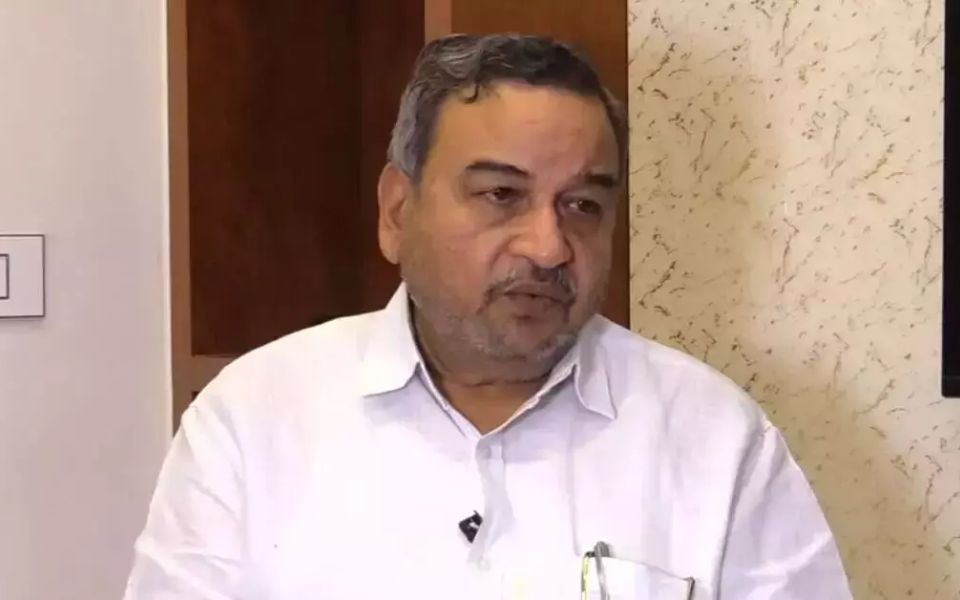
Mangaluru: “Today’s generation is so much into the smartphones and internet that they are less bothered about their privacy and online safety. That is what is driving a range of cybercrimes that they find themselves trapped into the web of hackers and criminals” the views were expressed by Dr. Ananth Prabhu G. Dr. Ananth is the man behind ‘Cyber Safe Girl’ campaign and an online course that gives internet users ‘License to use internet’ much like the driving license issued by authorities enabling them to drive vehicles.
After the success of first version of the online campaign course/booklets which received over three lakh downloads, Dr. Ananth Prabhu’s team recently released the version 2.0 of the campaign. The latest version comes with awareness and safety tips of 10 new common cybercrimes.
Apart from being a faculty in the department of Computer Science & Engineering in one of the reputed college of the city, Ananth is also a guest faculty at Karnataka Police Academy and Karnataka Judicial Academy for Cyber Crime and Cyber Law.
A team of Vartha Bharati met Ananth to know more about the ‘Cyber Safe Girl’ and interview him wherein he detailed about the campaign, its idea, aims and objectives. Here are the excerpts of the interview:
Tell us about the Cyber Safe Girl Campaign, Booklets and Course.
The idea of such a campaign was pitched under the supervision of ADGP Sanjay Sahay in 2018. The idea was to create cyber awareness among the newer generation who are mostly glued to the smartphones screens and internet. We had it in our minds that we should come up with something interesting and unique to attract the youngsters to safeguard themselves from cybercrimes and other online frauds. So decided to release a booklet with infotoons that creatively raise awareness and help people avoid cybercrimes against them. We shortlisted 15 most common cybercrimes and raised awareness against it. The first version received good response. More than 3 lakh people downloaded the soft copies online and were benefitted by the campaign.
How does the online certification course of the campaign work and help?
It is very simple but very beneficial certification course. It is more like once you have this certificate, you can proudly flaunt it and say you have the license to use internet much like your driving license. What you get in it is tips about how to be safe on internet, video detailing about the 25 most common cybercrimes with 10 new addition to the list in version 2.0, tips about precautionary measures to take while using internet. This will be followed by a 30 minutes online test passing which will give the users an E-Certificate. (The course is available on www.cybersafegirl.com ) We have also requested the authorities to consider a compulsory subject for students in colleges and schools regarding cyber security.
Why the campaign is designed and focused more on girls?
The idea for this was somehow derived from ‘Beti Bachao, Beti Padhao’ campaign of Prime Minister Narendra Modi. It is very important to save girl child today with what how the society is evolving against girl child. On a larger part this campaign is not designed or limited only to girl child. Anybody can be a victim of cybercrime. Boys, Girls anyone at time we have also seen police officers being the victims of cybercrimes. Even a simple WhatsApp message that people receive in groups can cause havoc in their lives. It can contain viruses, malware etc that can actually rob into your bank account through internet banking, they can access your camera of mobile without you knowing and can capture your private moment. The same footage is used to blackmail you. So everyone is vulnerable to cybercrime. But, again girls are the soft targets of hackers and criminals. They post their pictures on social media sites which can be used by hackers and criminals and be morphed to blackmail girls. This is the most common cybercrime these days. That is why taking idea from ‘Beti Bachao, Beti padhao’ we made it ‘Beti Bachao cybercrimes se’. We have received a few suggestions from our well-wishers regarding coming up with ‘Cyber Safe Boy’ project. So to avoid the confusion we have started a new project which is continuation of Cyber Safe Girl campaign but we have named it ‘Cyber Safe Campus’ it is being implemented in schools and colleges now. It will be a 3-hour program where our teams will interact with students and create awareness about cyber security.
It has been two days since the release of version 2.0 of the campaign, how has been the feedback so far?
The feedback has been really good. The students are taking up the online course with great interest. It can also be because we have tried to make it interesting for them by introducing grading system for the course based on their performances in the test. That has triggered a competition-like trend among students who wants to boast about their grades. For those who score out of out marks in the test, we giveaway the campaign’s merchandises like t-shirts, coffee mugs etc so that has got the students excited about it. At the bigger picture I want to take this campaign to national and international level also, so that we all become cyber safe. But initially we will keep it in Karnataka and then expand to national and international levels.
Who all can take this course and get certified as ‘safe’ internet users?
It is open for all, not just open for all I feel each and every one who use internet should take this course. But the issue is the course is currently being offered only in English language, so only those who know English can take this up right now. The good part is we have a few volunteers who have offered to translate the course in other languages as well including Kannada, Tamil and Gujrati. We are giving it a thought and will come up with something that can provide access of this course for all.
How many people did you expect to reach when planning the release of first version? What are your expectations with version 2.0?
Our team expected to reach around 10 lakh people with its first version. But we did not get enough support back then as it was something new. We managed to reach 3 lakh downloads which of course is a good number too. We have a lot of people to thank to for achieving the number. Many people tried and supported us. But this time I can assure you that the number will be much higher as we have gathered support from many key personalities and influencers from across the state. The authorities and officers who did not support us last time have come up and have backed us with the version 2.0. So I am expecting to reach 10 lakh people this time but I am sure it will exceed that figure too.
Do you think the course has so far made differences to the lives of people?
Definitely yes. I have received more than 300-400 messages myself thanking me for coming up with such a concept. They say because of completing the course they feel safe while using internet. These people includes everyone boys, girls, students, professionals. And as we know, many people who take up the course and have felt benefitted will not be able to contact us and acknowledge it. I am sure it has made difference in many lives.
Ananth Prabhu before concluding the interview appealed people to take up the course which is very easy and free of cost to ensure their safety while browsing internet.
Let the Truth be known. If you read VB and like VB, please be a VB Supporter and Help us deliver the Truth to one and all.
Why Your Instincts Matter on Fairplay24

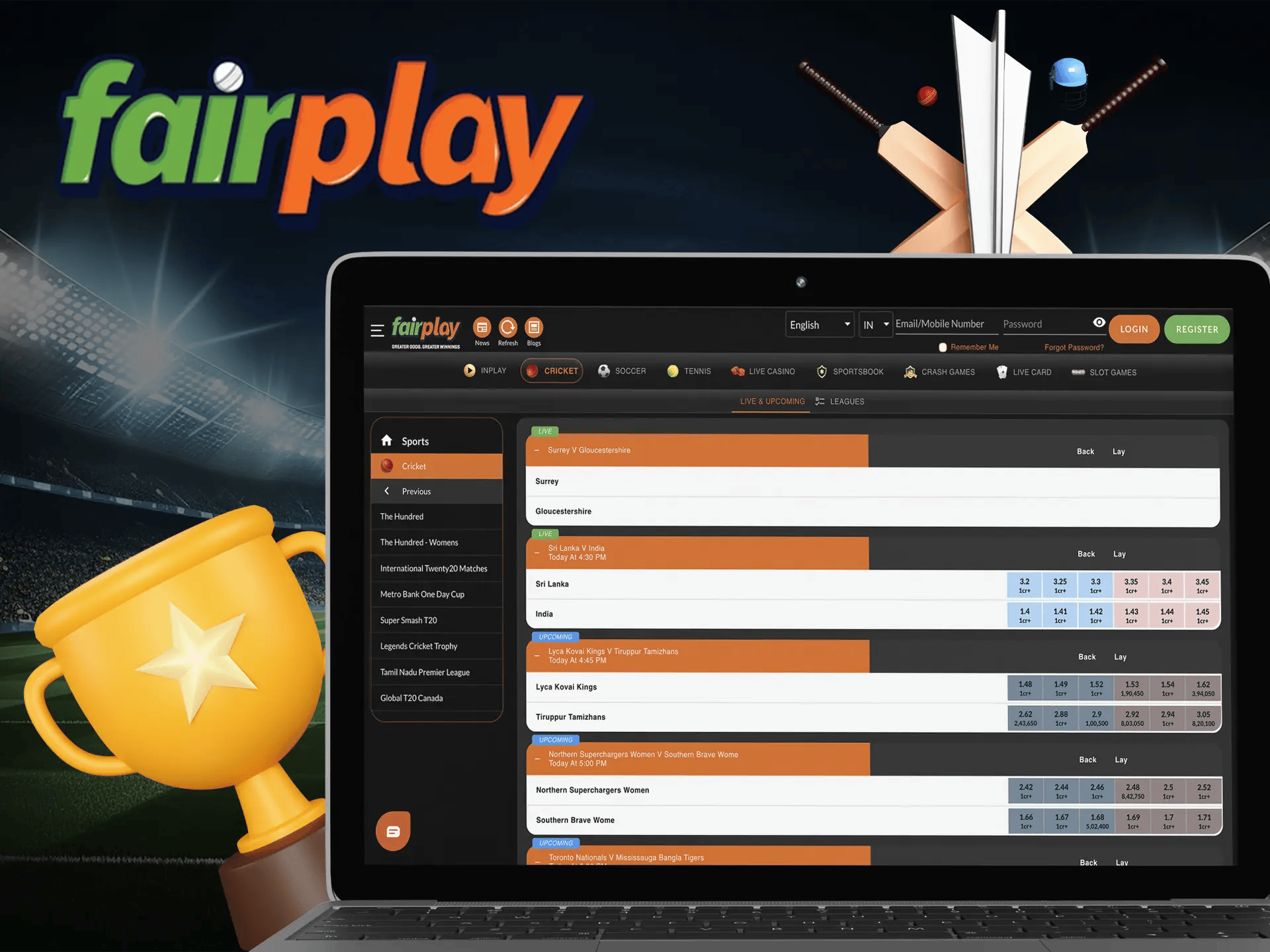
Have you ever noticed the subtle change in a bowler’s run-up just before they deliver a wicket-taking ball? Or the way a team shifts its formation right before a counter-attack? These are the nuances that true fans live for. In 2026, the data might be elite, but the "human eye" is still the most powerful tool in the game. fairplay24 is built for the fans who see those small details, the ones who understand that sports are played with heart and instinct, not just spreadsheets. Every time you use your fairplay24.in login, you are bringing that unique perspective to a global community of experts.
Frictionless Entry for the Busy Fan via Fairplay24.in Login
We live in an age of "everything, everywhere, all at once." Our schedules are packed, but our passion for the game doesn't take a day off. This is why fairplay24 has optimized its experience for the fan on the move. A quick fairplay24.in login is all it takes to bridge the gap between your busy day and the excitement of the live arena. The platform is designed to be mobile-friendly and lightning-fast, ensuring you’re always just a tap away from the latest score. The simplicity of the fairplay24.in login means you can jump into the action during a lunch break or while commuting home.
Fairplay24 removes the clutter, giving you a clean and organized view of the sporting world. It’s a reliable companion for modern life, ensuring that even if you can’t be at the stadium in person, the spirit of the stadium is always with you through your fairplay24.in login. The developers of fairplay24 understand that time is precious, so they have made the fairplay24.in login process as efficient as possible. This commitment to user experience is what sets fairplay24 apart in the competitive world of sports engagement, making every fairplay24.in login a seamless transition into the world of live play.
Building a Culture of Fair Play Together at Fairplay24.in
In 2026, the digital world can sometimes feel like a "wild west," but fairplay24 stands as a beacon of reliability. The name itself, fairplay24, is a promise of a secure and honest experience. When you complete your fairplay24.in login, you are joining a network that prioritizes safety and transparency. This isn't just about technology; it's about the culture of the community. A fair platform is one where everyone has the same opportunity to succeed based on their own skill and knowledge, and that is exactly what fairplay24 provides.
Every fairplay24.in login is a commitment to this culture of integrity. Fairplay24 upholds this standard every day, providing a transparent system that mirrors the honesty of the athletes on the field. This commitment to a safe environment is what makes fairplay24 a trusted partner for millions of fans. By ensuring that every fairplay24.in login is secure, the platform allows the focus to stay on the thrill of the win and the lessons of a hard-fought game. Trust is the foundation of fairplay24, and it is earned with every single fairplay24.in login.
Conclusion
The way we experience sports is changing, moving from a "broadcast" model to a "participation" model. We are no longer just faces in the crowd; we are the strategists and the analysts of our own sports journey. Fairplay24 is proud to provide the platform for this evolution, ensuring that the human element of sports remains front and center. By making the fairplay24.in login part of your routine, you are choosing a more interactive, secure, and rewarding way to be a fan.
The 2026 sports season is already delivering unforgettable moments—don't just watch them happen. Join the fairplay24 family, trust your instincts, and celebrate the game with the transparency and excitement it deserves. Your seat in the digital stands is ready, and your fairplay24.in login is the key. Experience the difference that a dedicated platform can make, and let fairplay24 be your partner in every victory.