Exercise caution about unseaworthy vessels: A V Ramana
New Mangalore Port Authority (NMPA) President A V Ramana has advised the Indian Coast Guard and the agents of cargo ships to exercise caution about unseaworthy vessels which seek help during emergencies in Indian or international maritime boundaries. He was speaking at a workshop on maritime emergencies, organized by NMPA at a private hotel in Mangaluru on Monday.
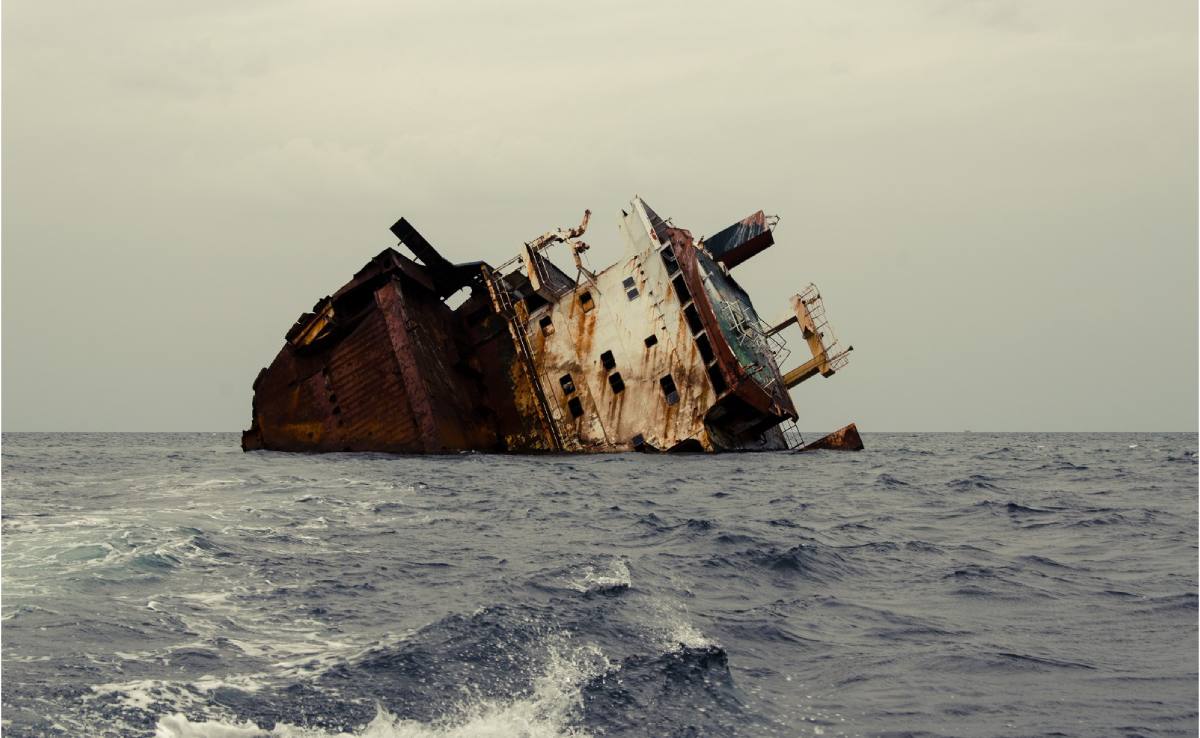
“Unseaworthy commercial vessels, without any fitness certificate, operated in the seas throughout the year. But when they face any trouble during inclement weather or cyclones they send emergency alert signals through local agents requesting entry to Indian ports. Our ports and government will be in trouble because of this. Many such ships sink in the middle of the sea during their journey. Our ports will face pollution, along with other problems, in these situations”, A V Ramana said.
He explained how other ships calling at the port will face problems when such unfit vessels sink in the middle of sea. Alleging that such unseaworthy ships get fitness certificates from those countries which have lenient laws, A V Ramana stated that they benefit from the loopholes in Indian legal system. “So when such vessels seek assistance during emergencies, ensure that they possess international insurance”, he added.
A V Ramana stated that “Directorate General of Shipping grants fitness certificates to commercial vessels in India. But all vessels need not get the certificate from the DG itself. The ships may get fitness certificate from countries with more lenient laws. Those who wish to make quick and illegal money get the fitness certificate from foreign countries”.
The NMPA president said that a Standard Operating Procedure (SOP) had been brought out to assist ships in emergencies, which was also brought to the notice of Directorate General of Shipping, Additional Secretary for Shipping and District Disaster Management Authority. “This SOP will help avoid confusions and reduce pollution. It will also help us to stop unseaworthy vessels”, he said.
Assistant Conservator of Mormugao Port Authority Captain Manoj Joshi, Environmental Advisor to the Ministry of Port, Shipping and Waterways Dr R D Tripathi were the main speakers in the workshop.
Dakshina Kannada DC Mullai Muhilan, who inaugurated the event, said that development of port would complement local development. “Mangalore is a port city. All issues related to port connectivity will be resolved once the work on NH 75, which connects the city to the state capital, is completed. NMPA has come forward to partner with the work of a truck terminal in Mangaluru”, he added.
Let the Truth be known. If you read VB and like VB, please be a VB Supporter and Help us deliver the Truth to one and all.
Congress using hijab issue to pacify minority anger, alleges Karnataka LoP R Ashoka
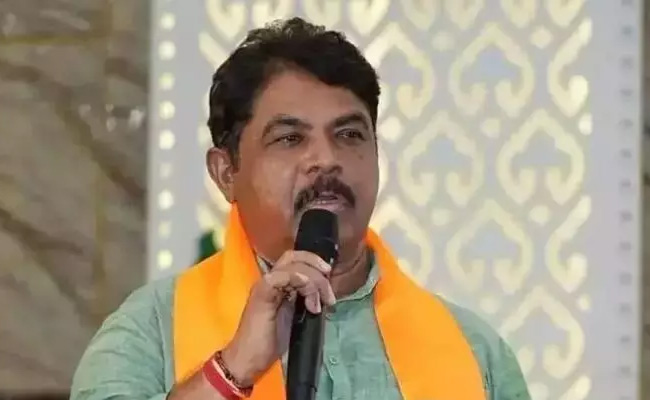
Bengaluru: Leader of Opposition in the Assembly R. Ashoka has accused the Congress government of using the hijab issue to placate what he described as discontent among minority voters after the Davanagere by-election.
In a post on X on Wednesday, Ashoka alleged that the state government, instead of addressing issues such as price rise, corruption, farmers’ distress and law and order, was attempting to retain its minority vote base by reviving the hijab issue.
Referring to the 2022 dress code introduced by the BJP government, which prohibited hijab in schools and colleges, Ashoka said the Karnataka High Court had upheld the policy and emphasised the importance of discipline in educational institutions.
He questioned the Congress government’s move to revisit the issue and asked whether setting aside the court-backed policy to benefit one community could be described as secularism.
Ashoka further alleged that while the government was willing to permit hijab, it continued to prohibit saffron shawls.
He accused the government of dividing students on religious lines rather than treating schools and colleges as spaces of equality.
Drawing a comparison with Mamata Banerjee’s government in West Bengal, Ashoka claimed that excessive appeasement politics had harmed the state and warned that the Congress in Karnataka could face a similar political response.
He said voters in Karnataka would teach the Congress a lesson for what he termed “vote-bank politics” and for compromising constitutional and judicial principles.