Foundation stone laid for 'The Shepherd International Academy' at Arkula, Mangaluru
Educational Institute to be built at 3.6 acres of land on NH-73
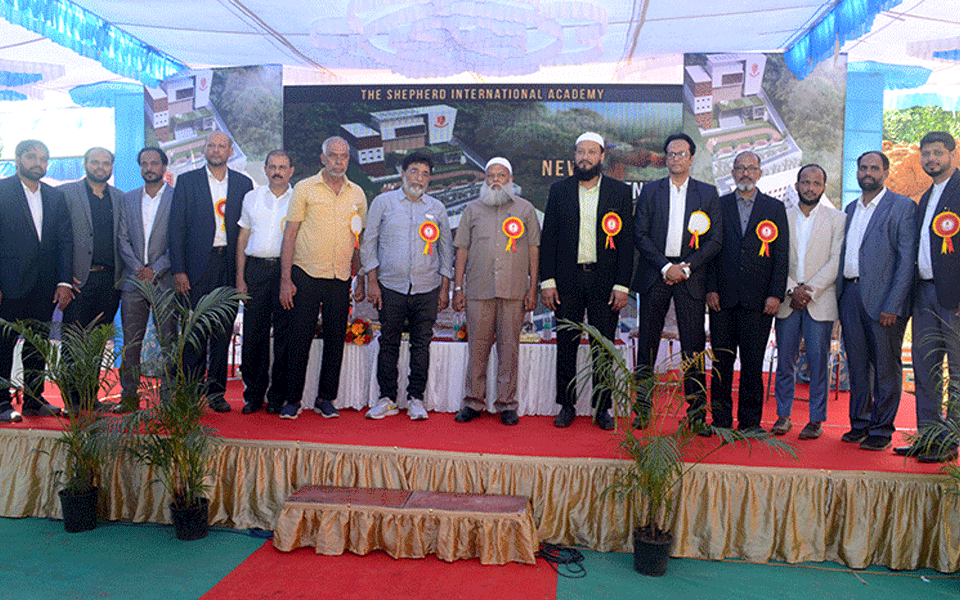
Mangaluru, Oct 29: The foundation stone was laid for the construction of Shepherd International Academy under Hikma Educational Trust located near Arkula on NH-73 in Mangaluru.
M Ahmed, chairman of the AK Group of Companies, unveiled the new name of the Institute. Khatib Altaf Moulavi of Al-Ihsan Masjid, Mangaluru offered prayers.
Speaking on the occasion, Chairman of Shaheen Group of Institutions, Bidar; and Advisor of Hikma International Academy Dr. Abdul Khadir said, "Education plays an important role in society. It is necessary to create an atmosphere of getting educated. Schools should not be limited to one community. It should be a place where children from all communities and classes should mingle with each other. The parents of the students, as well as the locals, must support this institute, which is being set up by a team of young entrepreneurs" he urged.
Hikmah International Academy's trustee, noted author and international resource person Syed Habib Pasha, who also spoke on the occasion, said " one cannot achieve happiness merely by wearing good clothes and eating food. Rather, human beings must live with love, togetherness and patience. That brings real joy. I hope that this institution would be the best educational institute in South India by treating all the students equally."
Athar Khan, the trustee of Hikma International Academy and CEO of Al-Asar Foundation of Bhopal, said "Success can be achieved when one moves ahead with a goal and belief in Allah.
SM Bashir, Director of SM Marine Group of Companies and strategic advisor to the Hikma International Academy, said "Parents dream and wish that their children should become the good citizens in society. This institution to achieve that."
Bhatkal PBI Construction's Managing Director PB Ibrahim, Vijayavahini Enterprises' Proprietor K. Mohan Amin, Chief Executive Officer of Hikma International Academy Hasan Yusuf, Office bearers of the Hikma International Academy Niyaz A.K, Naushad A.K, Nazim AK, Sajid A.K, S.M Farooq, Muhammad Rizwan were present.
Briefing the details about the Shepherd International Academy, Dean of BEADS and Chairman of Hikma, Architect Muhammad Nisar informed that the academy will come up on 3.6 acres of land. He explained that the institution established two years ago is now running in Mangaluru. Pre-KG, LKG and UKG classes are being run. In coming days, it will operate from a well-equipped campus in Arkula. Priority will be given to impart quality and valuable education with advice from renowned educational experts and co-operation of the skilled teacher. The organization's main mission is to create a better future for students. Special classrooms will be built for a pleasant atmosphere. Swimming pool, horse riding, karate, computer, labs, library and prayer halls will also be opened.
The campus will house 50 deserving widows who will get suitable jobs in the School and their children will get free education , said Muhammad Nisar.


Let the Truth be known. If you read VB and like VB, please be a VB Supporter and Help us deliver the Truth to one and all.
PM Modi, myself don't have 'wife issue': Rahul Gandhi
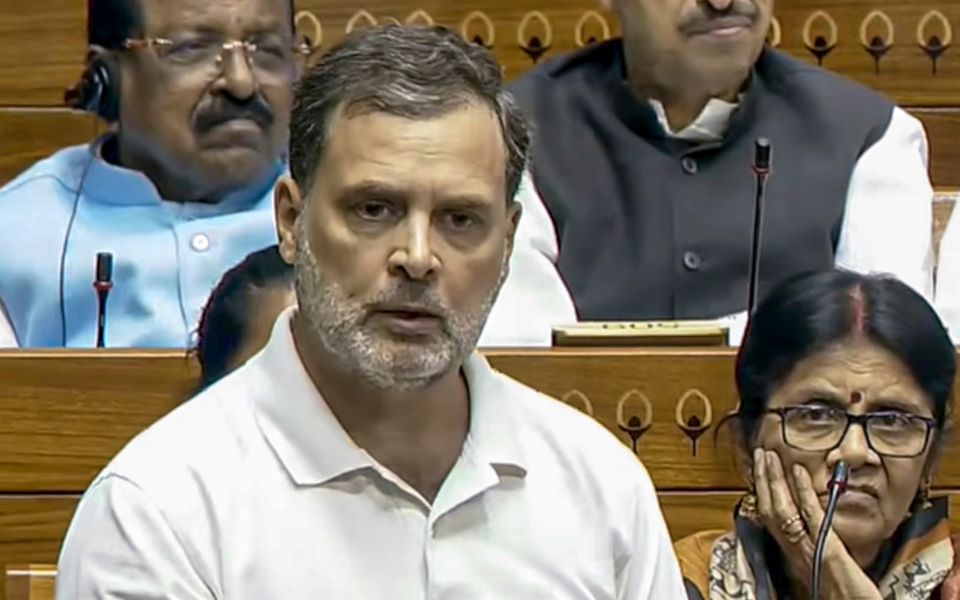
New Delhi (PTI): In a friendly banter, Leader of Opposition Rahul Gandhi on Friday said that Prime Minister Narendra Modi and he didn’t have "the wife issue", as the Congress MP emphasised that everyone has learnt from women in their lives.
Participating in a debate in the Lok Sabha on the three bills introduced for amendments to the women's quota law and setting up a delimitation commission, Gandhi said women are a driving force in the national imagination and national perspective.
"All of us in this room have been influenced, taught, and have learnt a lot from women in our lives – from mothers, sisters, wives," Gandhi said.
"Of course, the prime minister and myself don't have the wife issue, so we don't get that input, but we have our mothers and sisters," he said while referring to Parliamentary Affairs Minister Kiren Rijiju's light-hearted remark that he got a scolding at home as he did not pen a poem for his wife like Union minister Arjun Ram Meghwal did.
Gandhi also lauded his sister and Congress MP Priyanka Gandhi's speech in the Lok Sabha on Thursday.
"Yesterday, I was watching my sister achieve in five minutes what I have not been able to do in 20 years of my political career – make Amit Shah Ji smile," Gandhi said to peals of laughter.