Four Students Drown While Swimming in Surathkal
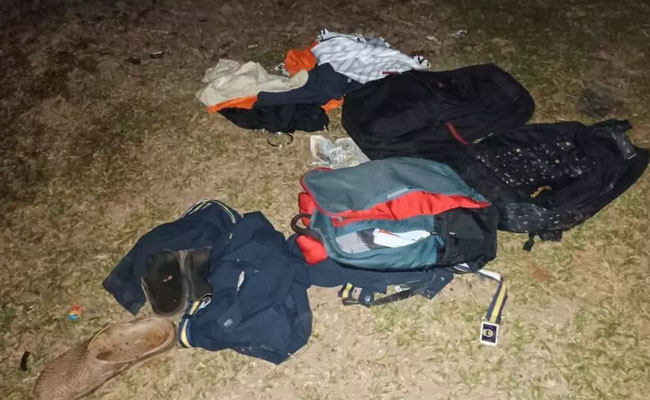
Mangaluru: Four students tragically drowned while swimming under the Koppal dam railway bridge in Surathkal on Tuesday afternoon. The incident came to light late at night.
The deceased, all students of a private school in Surathkal, have been identified as Yashvit (15), Raghavendra (15), Nirup (15), and Anvit (15).
According to reports, the students had gone for an English Pre-Preparation Examination and then proceeded to Old Town, where they went for a swim under the railway bridge. Four of the students left their school bags on the riverbank and entered the water. Unfortunately, they drowned while their three friends who were with them went home.
ALSO READ: More than 10 people injured in head-on collision between auto rickshaws in Vitla
Upon receiving a complaint about the missing children, the Surathkal police launched an investigation. They checked CCTV footage near the school and bus stand, which showed the children boarding a bus at Surathkal bus stand and getting down at the Haleangadi bus stop. The police then confirmed the location of the boys using their mobile phone signals.
The bodies of the deceased have been sent to VenLock Hospital in Mangalore for post-mortem.
Let the Truth be known. If you read VB and like VB, please be a VB Supporter and Help us deliver the Truth to one and all.
Lebanon appoints new representative for talks with Israel, rejects linkage to Iran
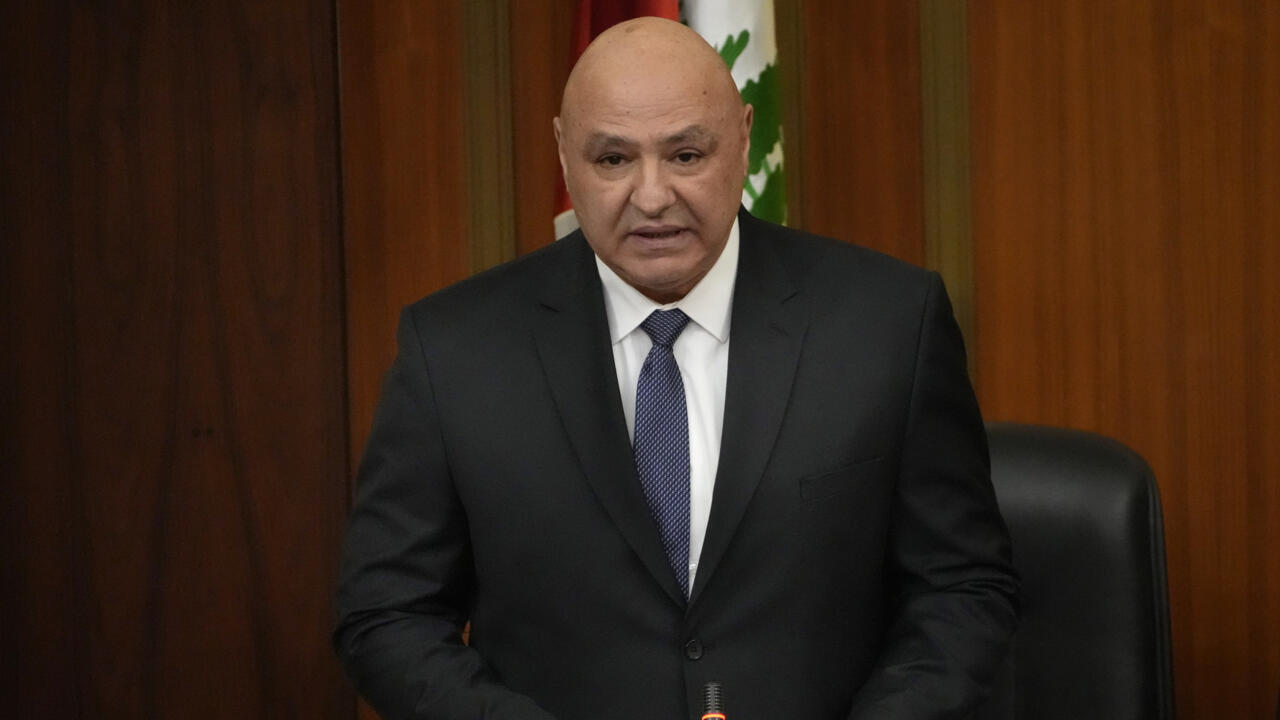
Beirut: Lebanon’s has moved to underline its independent position in ongoing regional developments, amid attempts to link the country to the broader conflict involving Iran, the United States and Israel.
President Joseph Aoun, while announcing the appointment of former US ambassador Simon Karam as Lebanon’s representative in talks with Israel, made it clear that Karam would be the sole representative for Lebanon and that there would be no substitute.
The move comes in response to what the Lebanese officials see as efforts by Iran to tie Lebanon’s situation to the wider regional conflict. Iran had indicated that there would be no ceasefire involving the US, Israel and Iran unless it also included a ceasefire in Lebanon.
Some groups, including Hezbollah and its supporters, had expressed support for linking the situations, citing concerns that the Lebanese government has limited leverage in negotiations with Israel. Lebanon is not formally a party to the conflict, and its army is considered weak.
However, others, including Prime Minister Nawaf Salam, have opposed this approach. They view Iran’s stance as an attempt to influence Lebanon’s internal affairs and see it as undermining the country’s sovereignty.
Officials backing the government’s position say the move is aimed at reaffirming Lebanon’s sovereignty and ensuring that decisions about peace and ceasefire within the country are not dictated externally.
They also see it as a safeguard, so that any breakdown in talks between the US, Israel and Iran does not automatically lead to renewed conflict in Lebanon.