Government committed to providing quality healthcare for the underprivileged: CM Siddaramaiah
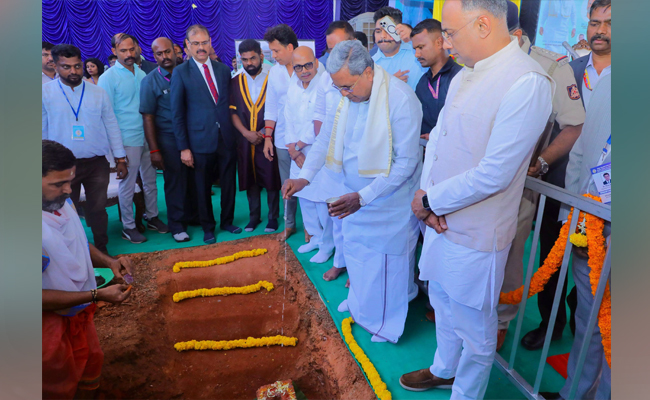
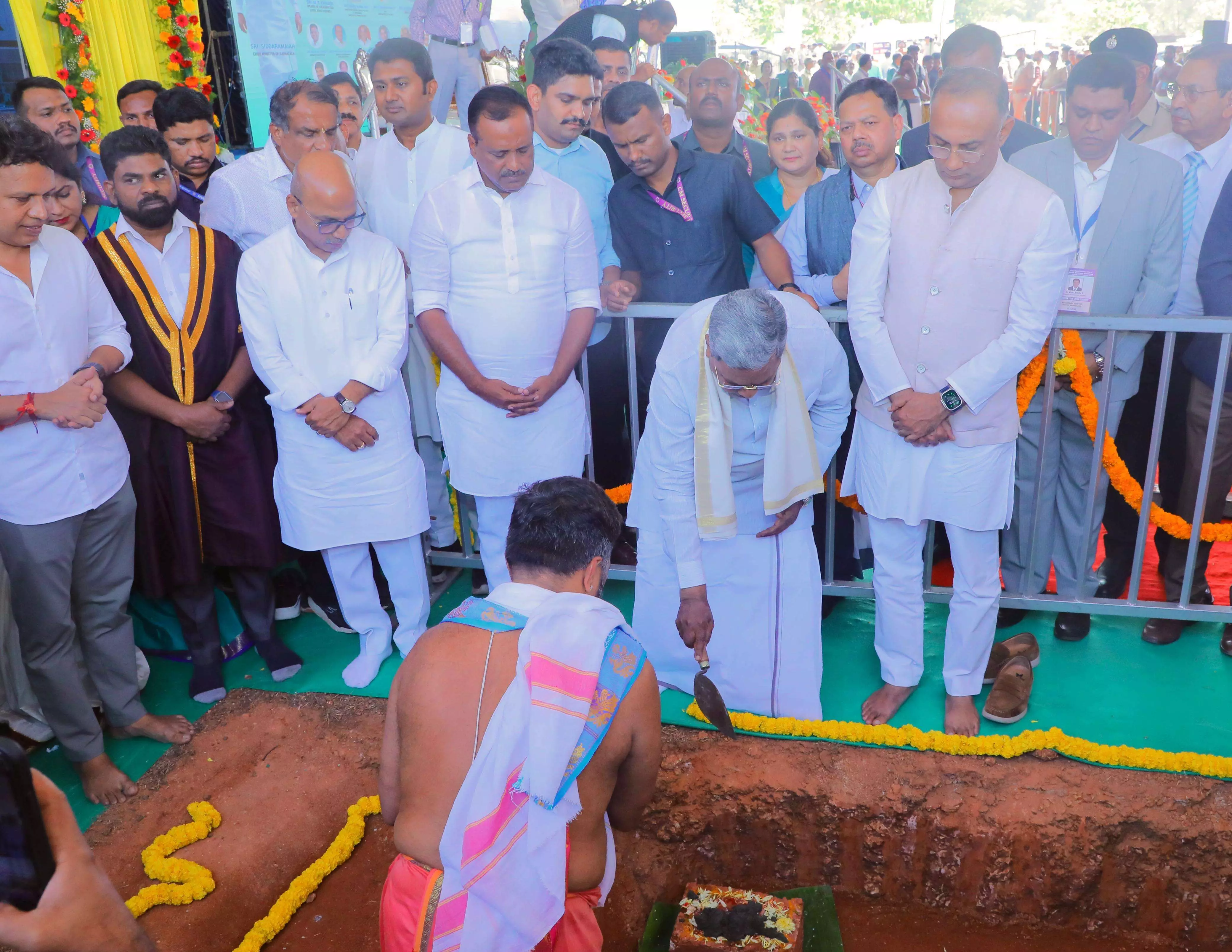
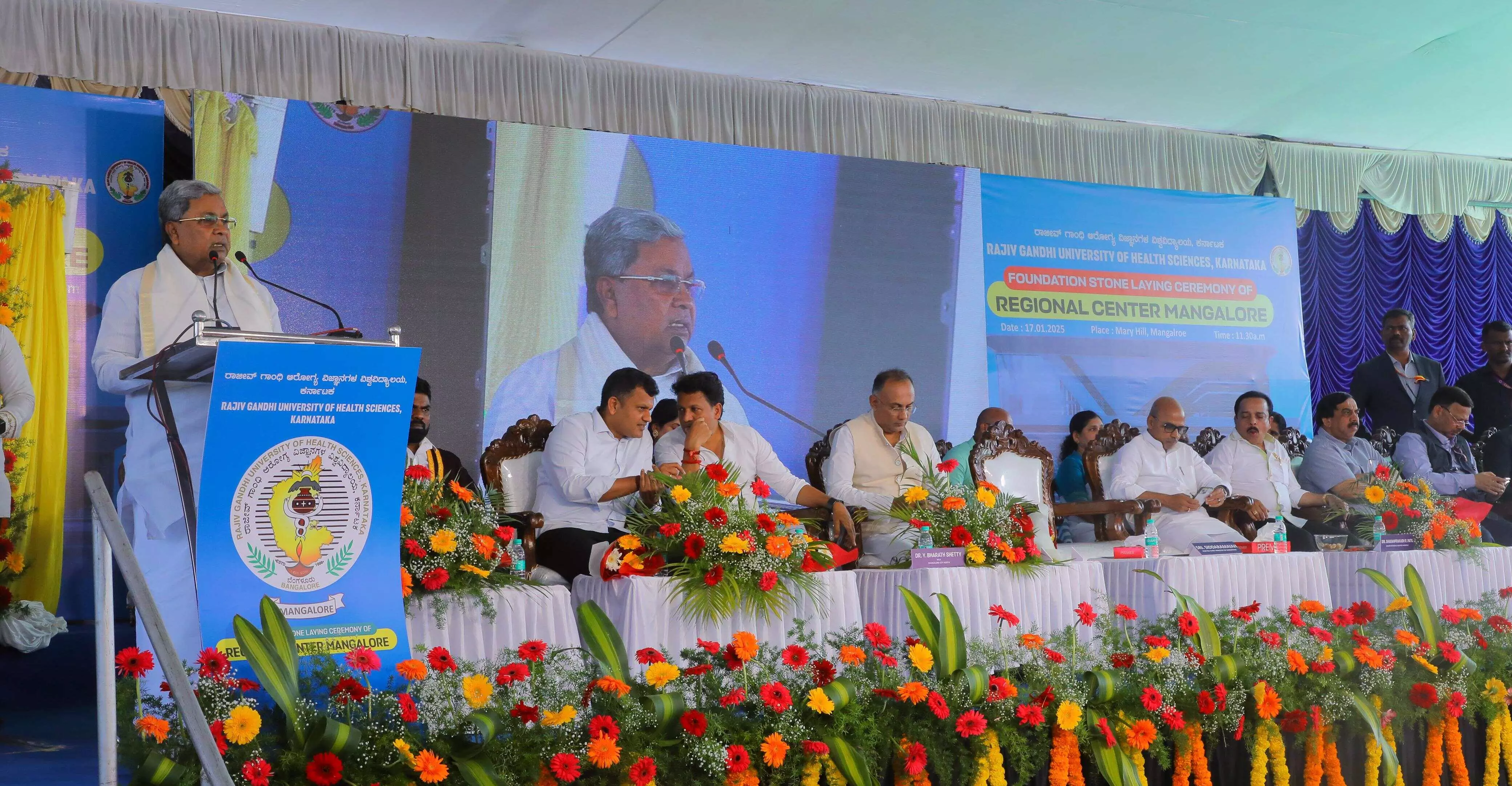
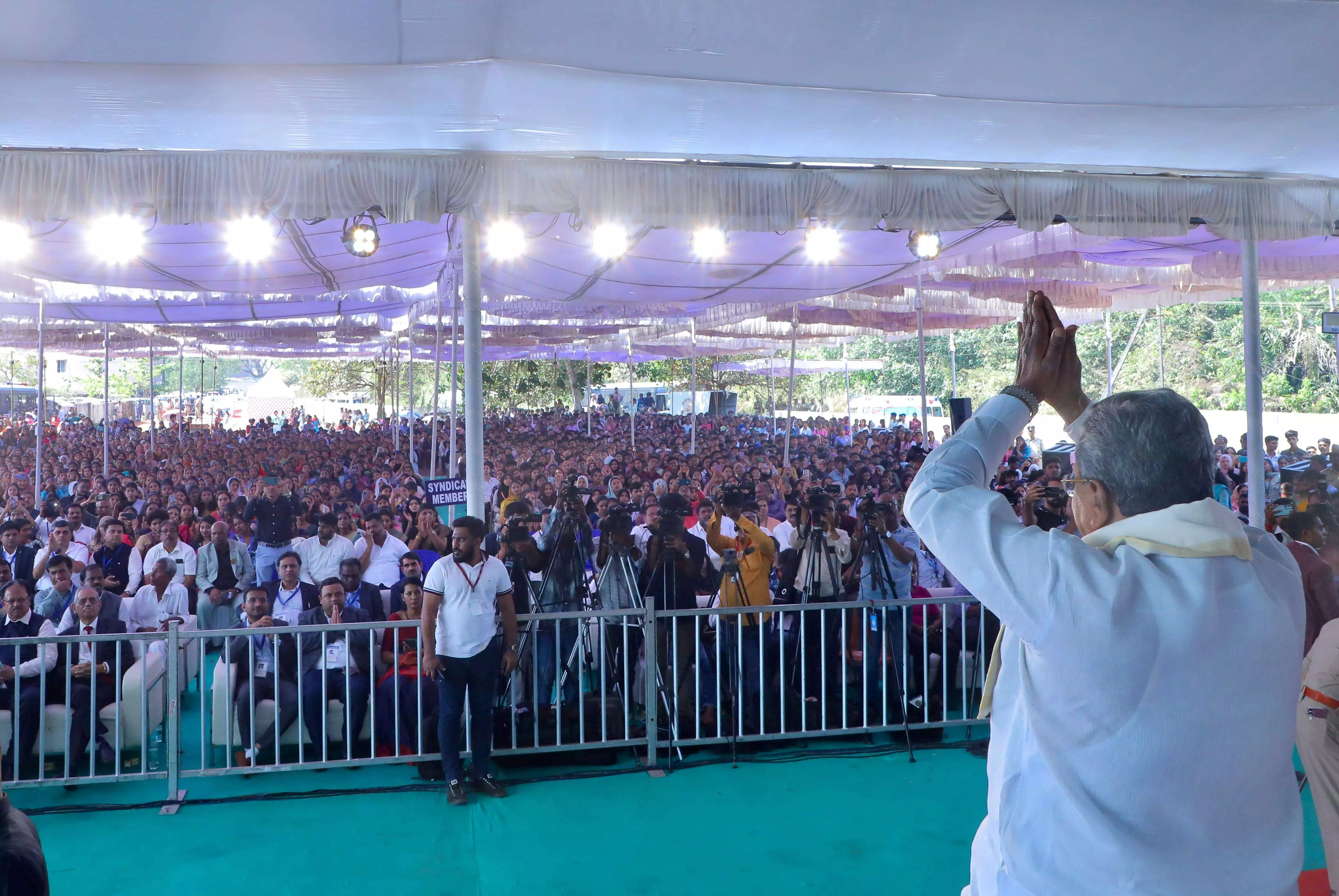
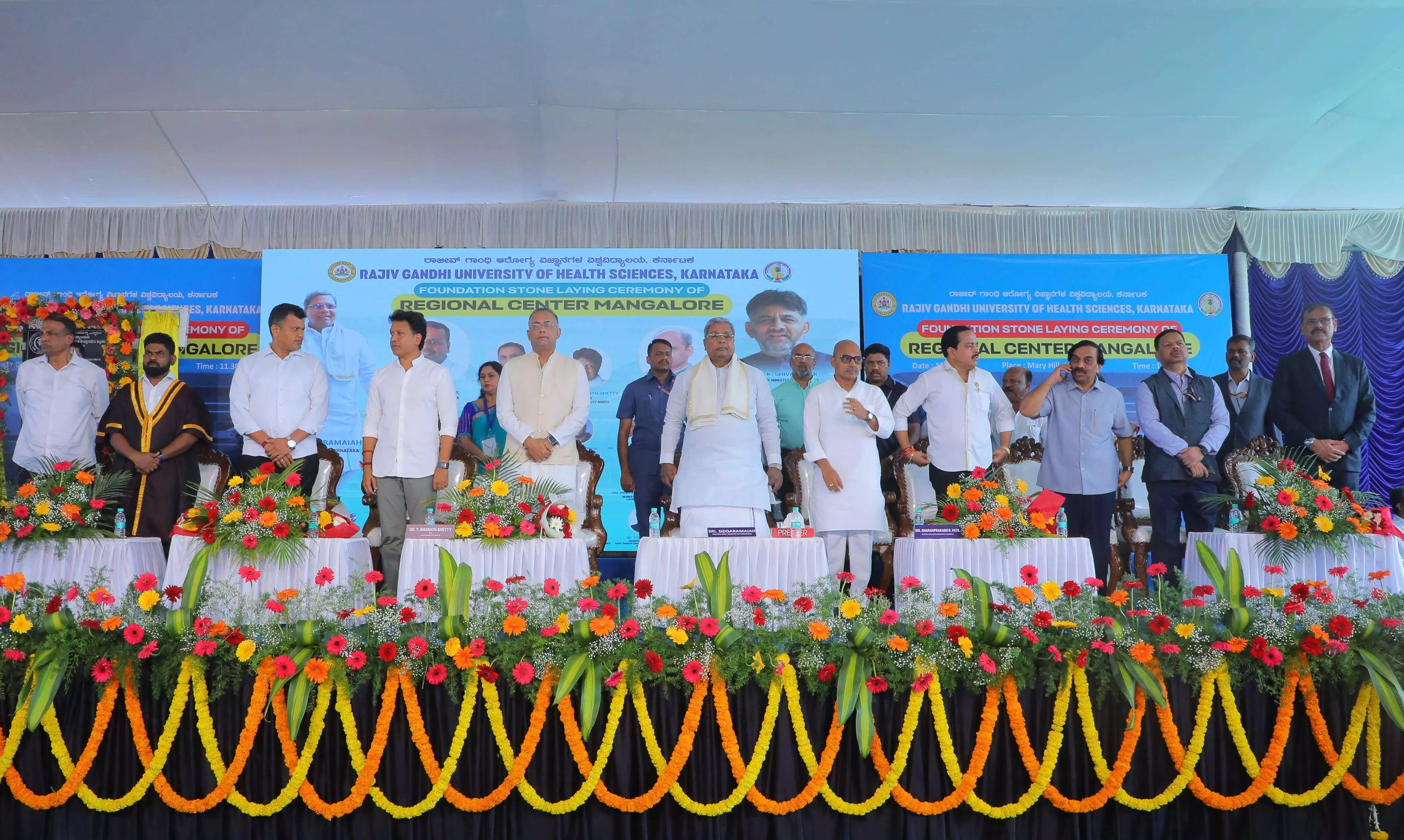
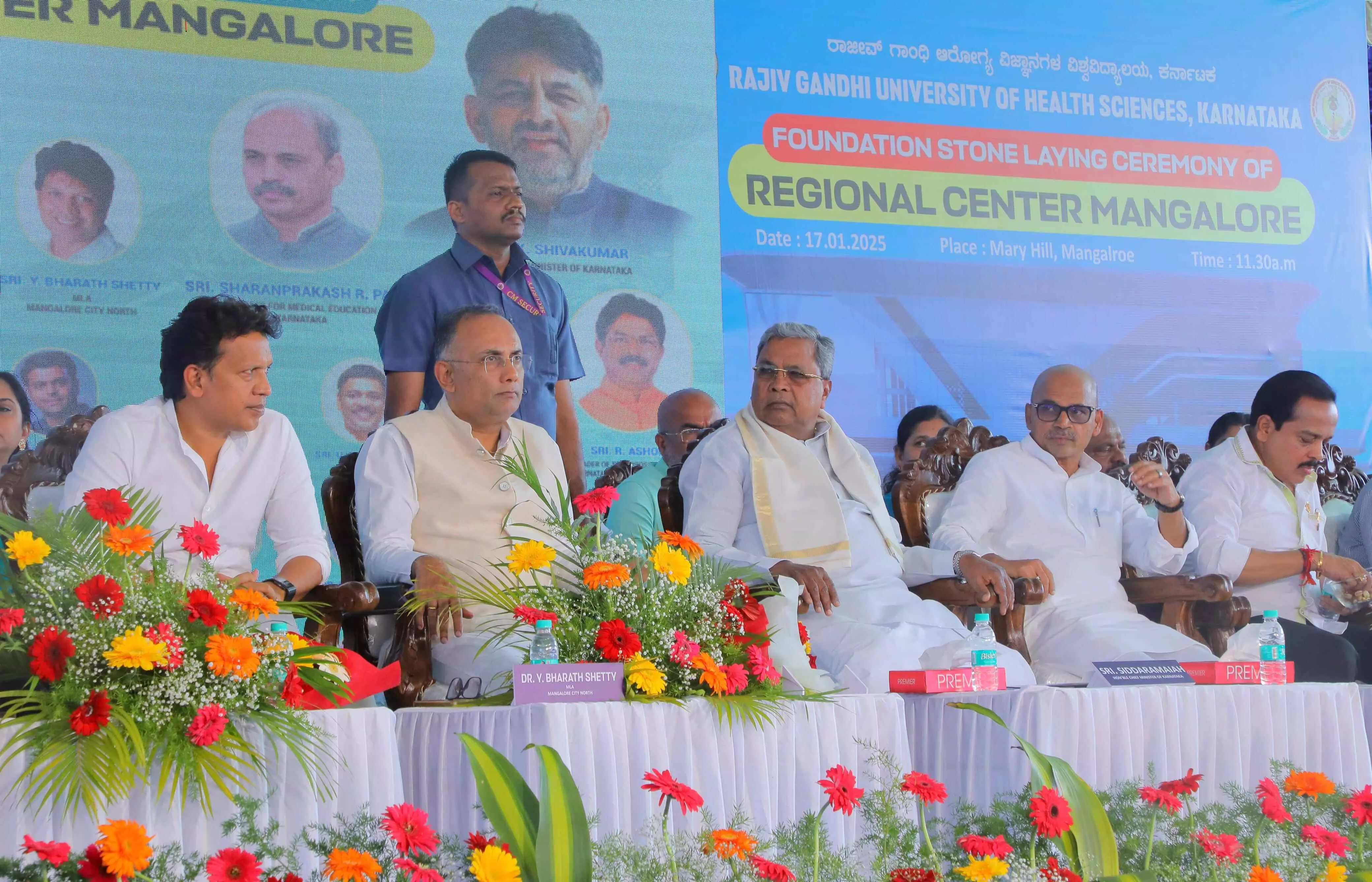
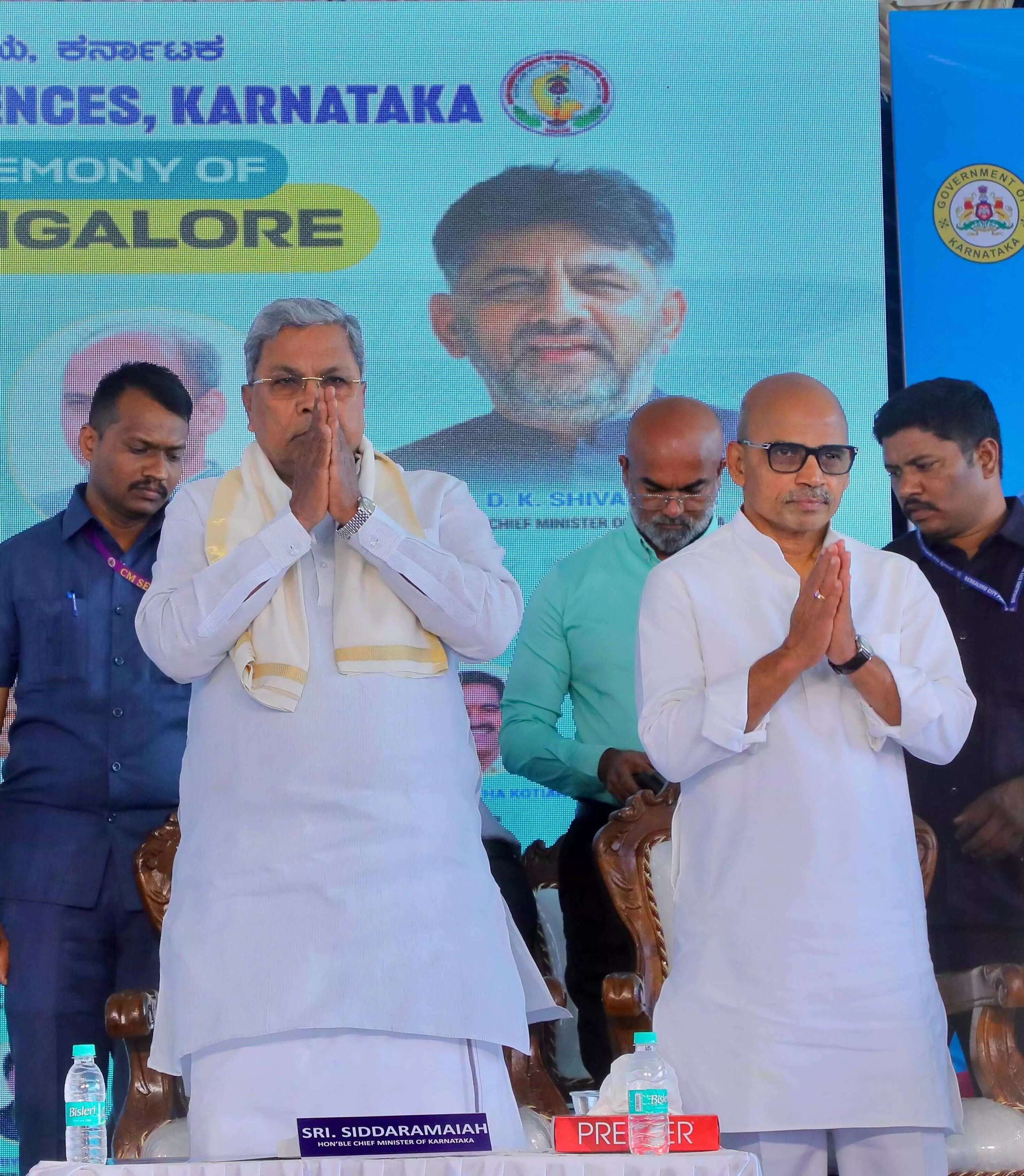
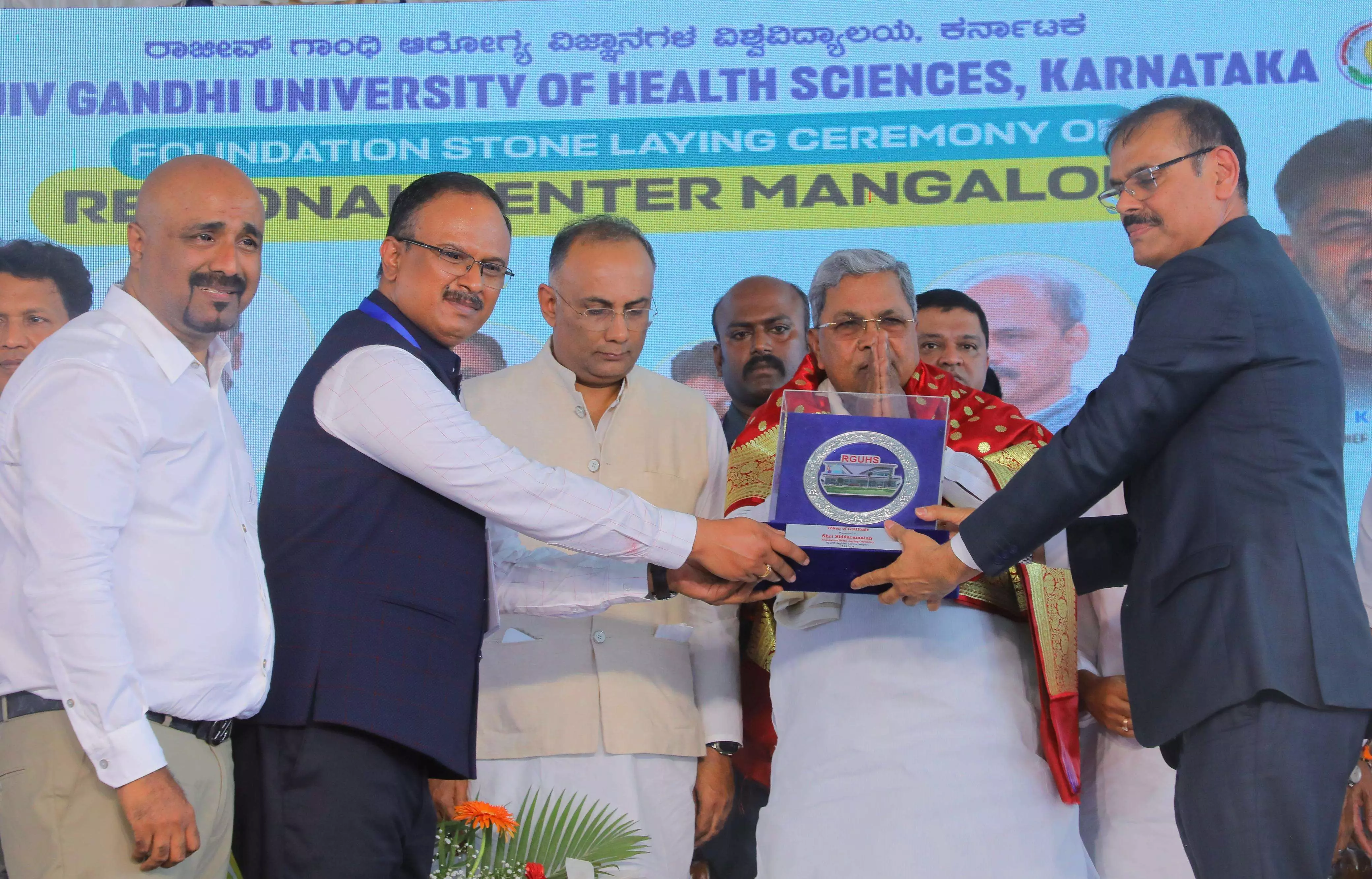
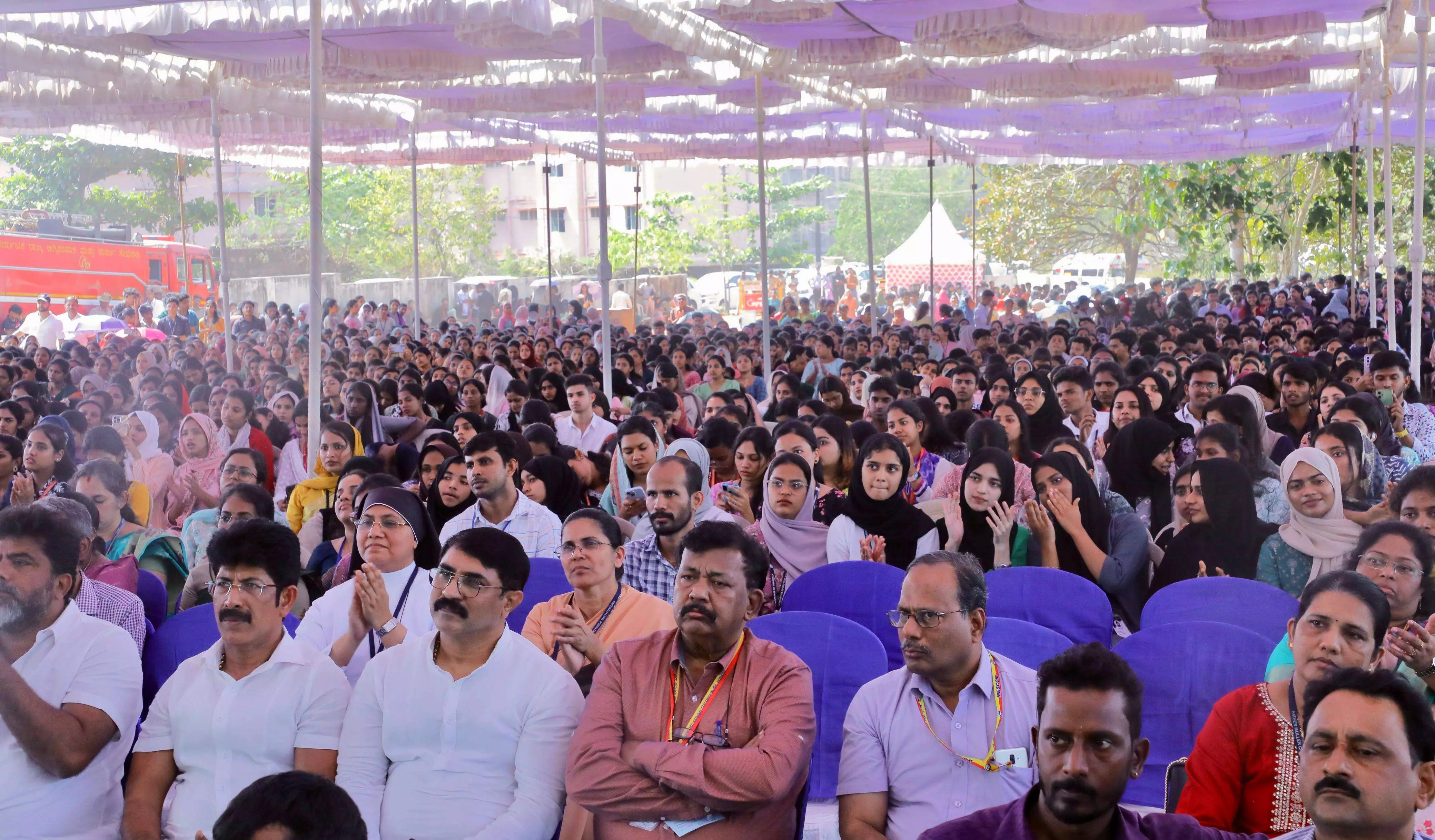
Mangaluru: The state government is determined to ensure quality healthcare for the underprivileged, said Chief Minister Siddaramaiah. Speaking at the foundation stone-laying ceremony for the regional office of Rajiv Gandhi University of Health Sciences (RGUHS) at Mary Hill on Friday, he emphasised the need for government institutions to work with a people-centric approach.
The Chief Minister highlighted the government’s aim to make public hospitals as hygienic and well-maintained as private ones, ensuring quality medical facilities are accessible to all. "We are striving to create a system where even the wealthy and politicians like us feel comfortable visiting government hospitals," he said.
He also noted that RGUHS, announced in the previous budget, is Asia’s largest health sciences university, with over 3.5 lakh medical students. The institution is expected to play a pivotal role in producing skilled medical professionals and providing high-quality healthcare services.
Siddaramaiah urged the university to focus on research to simplify healthcare services for the public and make top-notch medical services affordable for the underprivileged. He also encouraged medical graduates to remain in the healthcare sector and contribute to society instead of seeking opportunities elsewhere.
The CM informed that medical colleges have been directed to provide free healthcare services to BPL cardholders. He also expressed hope that the newly constructed regional office would maintain high standards of functionality and infrastructure.
RGUHS Vice-Chancellor Dr. M.K. Ramesh shared details about the advanced facilities planned for the regional centre, including an innovative simulation lab, a sports complex, an upgraded fitness centre, recreational amenities, air-conditioned auditoriums, and advanced research centres.
Speaker U.T. Khader, a guest of honour at the event, said that establishing the RGUHS regional centre had been a long-standing dream. He hoped it would become a source of pride for the coastal region.
Minister for Medical Education Dr. Sharan Prakash Rudrappa Patil stated that the government is focused on decentralising authority, providing quality education, and enhancing skills for students. He noted that Karnataka and Tamil Nadu have the highest number of medical colleges in the country and emphasised the government’s commitment to providing affordable healthcare to the underprivileged.
The event was attended by Dakshina Kannada district in-charge minister Dinesh Gundu Rao, MP Brijesh Chowta, MLAs Dr. Bharath Shetty, Vedavyas Kamath, Ashok Kumar Rai, Ivan D’Souza, Dr. Manjunath Bhandari, and others, along with senior officials, including Dr. Sujata Rathod, Dr. Triveni, and several members of the RGUHS senate.
The Chief Minister reiterated the necessity of establishing a government medical college in Dakshina Kannada despite the availability of quality healthcare in Mangaluru. "A government medical college for every district is my vision, and we are considering steps in this direction," he said.
Prof. Dr. UT Iftikhar Ali, Chairman of the Karnataka State Allied and Health Protection Council, delivered the vote of thanks towards the end of the event.
Let the Truth be known. If you read VB and like VB, please be a VB Supporter and Help us deliver the Truth to one and all.
ED raids Kolkata Police deputy commissioner, businessman in PMLA probe
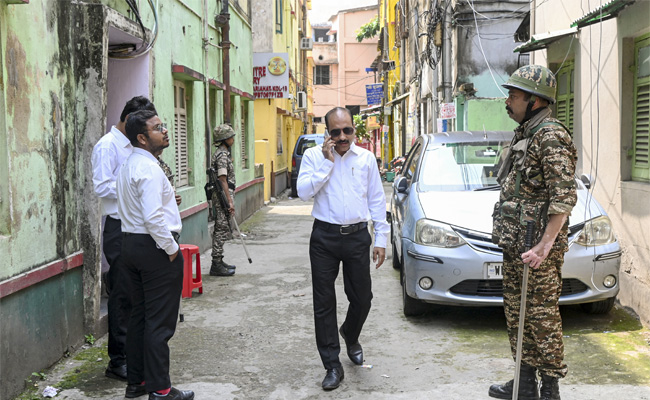
Kolkata (PTI): The Enforcement Directorate on Sunday conducted raids at the premises of Kolkata Police Deputy Commissioner Shantanu Sinha Biswas and a local businessman as part of a money laundering probe against an alleged criminal and his linked syndicate in the poll-bound state, officials said.
Two premises of Biswas, including his residence in Ballygunge area and one location of the businessman named Joy Kamdar, Managing Director of a company named Sun Enterprise, have been raided under the provisions of the Prevention of Money Laundering Act (PMLA).
Kamdar has been taken by the officials to the local ED office for questioning. Biswas, chief coordinator and nodal officer of the West Bengal and Kolkata Police welfare committee, was not present at his premises, they said.
The action is linked to a money laundering case against an alleged local criminal named Biswajit Podder alias Sona Pappu, who is booked in multiple cases on charges of attempted murder and extortion.
The federal probe agency had conducted the first round of searches in this case on April 1.
The ED had then seized cash of Rs 1.47 crore apart from gold jewellery and silver valued at Rs 67.64 lakh and a country-made revolver from some premises that were searched.
The probe stems from a Kolkata Police FIR against against Podder for his alleged involvement in rioting, attempt to murder, criminal conspiracy and Arms Act violations. The accused, including Podder, were engaged in organised criminal syndicate activities in the state of West Bengal and generated funds illegally by way of syndicate operations, the ED said in a statement on April 9.
Podder is also wanted by the police in a case of violence in Kankulia road near Golpark of Kolkata and is currently on the run.
The ED has issued summons to Podder but he has failed to join the investigation so far, according to the agency.
West Bengal will have a two phase poll on April 23 and April 29.