Harekala Hajabba meets CM Siddaramaiah, urges him to upgrade govt high school of Harekala Newpadpu
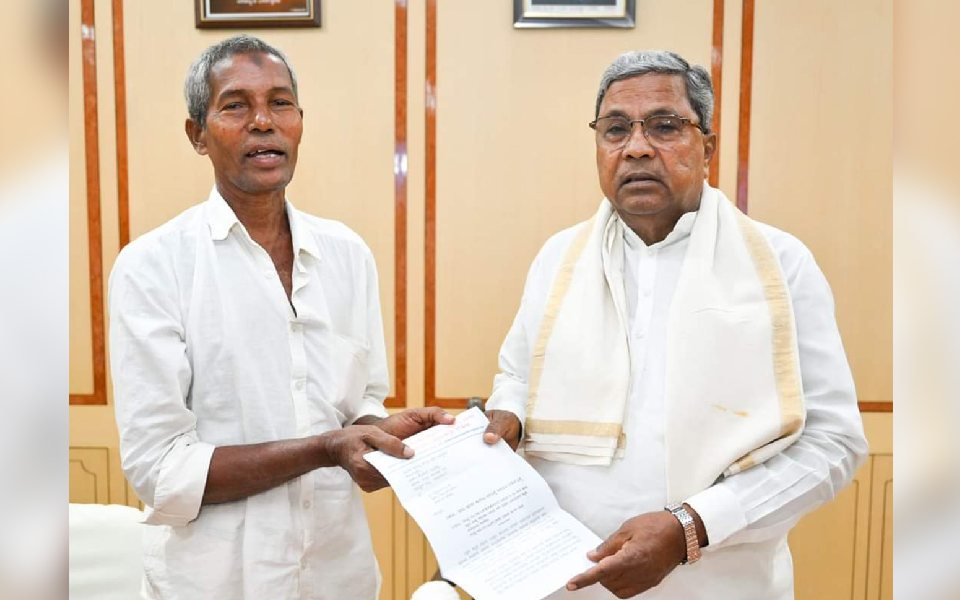
Mangaluru: Renowned Padma Shri awardee Harekala Hajabba had a meeting with Chief Minister Siddaramaiah today, during which he submitted a request to upgrade the government high school of Harekala Newpadpu in Mangaluru taluk to a pre-university college.
Harekala Hajabba, known for his dedicated efforts in promoting education among underprivileged children, seized the opportunity to present his proposal to the Chief Minister. The aim is to elevate the government high school to a pre-university college, providing students in the area with expanded educational opportunities and paving the way for higher education.
ALSO READ: M'luru: Two miscreants on bike damage flexes congratulating UT Khader; Cops reviewing CCTV footages
Harekala Hajabba's initiative has garnered significant attention and support over the years, as he tirelessly worked towards transforming the lives of children through education. His efforts have earned him national recognition, including the prestigious Padma Shri award.
During the meeting with CM Siddaramaiah, Harekala Hajabba expressed his vision for the educational upliftment of Harekala Newpadpu and highlighted the positive impact that the establishment of a pre-university college would have on the local community.
ಪದ್ಮಶ್ರೀ ಪ್ರಶಸ್ತಿ ಪುರಸ್ಕೃತ ಅಕ್ಷರ ಸಂತ ಹರೇಕಳ ಹಾಜಬ್ಬ ಅವರು ಇಂದು ಮುಖ್ಯಮಂತ್ರಿ @siddaramaiah ಅವರನ್ನು ಭೇಟಿಯಾಗಿ ಮಂಗಳೂರು ತಾಲೂಕಿನ ಹರೇಕಳ ನ್ಯೂಪಡ್ಪುವಿನ ಸರ್ಕಾರಿ ಪ್ರೌಢಶಾಲೆಯನ್ನು ಪದವಿ ಪೂರ್ವ ಕಾಲೇಜಾಗಿ ಮೇಲ್ದರ್ಜೆಗೇರಿಸಲು ಮನವಿ ಸಲ್ಲಿಸಿದರು. pic.twitter.com/05eYjDPU6B
— CM of Karnataka (@CMofKarnataka) June 17, 2023
Let the Truth be known. If you read VB and like VB, please be a VB Supporter and Help us deliver the Truth to one and all.
Shaheen Group announces free education for SSLC toppers scoring 95% and above
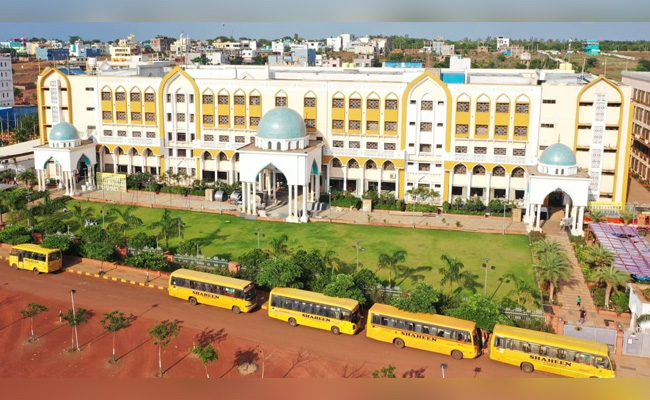
Bidar: Shaheen Group of Institutions has announced free education for students across Karnataka who have secured 95 per cent and above marks in the SSLC examinations.
The announcement was made by Dr. Abdul Qadeer, Chairman of the institution, as part of an initiative aimed at encouraging academic excellence and supporting deserving students.
According to the institution, eligible students from across the state will be provided free education for both First Year and Second Year PUC at Shaheen institutions.
The initiative is expected to benefit a large number of meritorious students by helping them continue higher education without financial burden.
In addition, Dr. Abdul Qadeer announced special scholarships for Kannada medium students and those studying in government schools, recognising their efforts and encouraging them to pursue further studies.
Speaking on the occasion, he said the initiative reflects Shaheen’s continued commitment to inclusive education and merit-based support, ensuring that talented students from all backgrounds receive opportunities to progress.