Has administration failed to avoid, surge of COVID-19 cases in Bhatkal?
Bhatkal: After the first COVID-19 wave in the town, roots of which were traced to the gulf, people in Uttara Kannada’s Bhatkal were anticipating relaxation of lockdown in the town when they woke up to the news of another case of COVID-19 on Tuesday, May 5.
Ever since May 5, things have turned into a nightmare for the local residents as well as the local Taluk and District Administrations. It took only one patient to trigger the second wave of deadly Corona Virus in the town, as nearly 30 people tested positive for the virus on the subsequent two days till Sunday afternoon.
All the patients are reportedly the contacts of the 18-year old female patient who tested positive for the virus on Tuesday. On Friday, twelve people tested positive, while eight and seven people tested positive on Saturday and Sunday (till afternoon) respectively with reports of over one hundred people still awaited.
The 18-year old patient, who tested positive on Tuesday, was sister of a woman who had visited First Neuro Hospital in Mangaluru along with her five-year old kid and husband. The woman had reportedly transmitted the virus at the hospital during her visit. The woman has also tested positive for the virus now along with her five-year old kid, but it was her 18-year old sister who showed symptoms of the virus and tested positive for it. The Hospital in question has been in headlines over the last few days as one of the staffer at the hospital had tested positive for COVID-19 on April 23 followed by which, several patients who had undergone treatment there, were also infected by the virus.
Local social media groups in Bhatkal are abuzz with messages criticizing Taluk and District Administrations of both the Districts for delaying the process and for several lapses in the working process in the times of pandemic.
One of the biggest questions that are being asked is whether the administration failed to avoid the avoidable second wave of COVID-19 in Bhatkal?
Upon checking facts and records, it indeed looks like there were lapses by both Dakshina Kannada and Uttara Kannada Administrations at their own ends and with a little improved responsiveness, the outbreak in the coastal town could’ve been avoided which has now put on risk lives of several senior citizens and a five-month old infant along with a five-month pregnant woman.
Who is to be blamed?
Lack of co-ordination between District Administrations of Uttara Kannada and Dakshina Kannada:
When the first case of COVID-19 was recorded at First Neuro Hospital (FNH) the DK District Administration reportedly did not show urgency in sharing the details and information of the patients of other Districts who had visited the hospital to their respective District Administrations.
Another report claimed that it took the DK District Administration over a week’s time to dispatch the details of the patient while the hospital authorities claim they had handed over the details to the administration without any delays. Uttara Kannada District Administration reportedly received information of the 18-year old patient’s visit to the hospital on April 30.
Dakshina Kannada Deputy Commissioner, Sindhu B Rupesh, however while speaking to Vartha Bharati over phone maintained that the details of the OPD patients as well as inpatients were shared with respective District Administrations and the hospital records of at least two months were shared with all the Districts.
Had the Dakshina Kannada District Administration dispatched the details of the patients earlier, and had shown a little urgency in the matter, the outbreak in Bhatkal could’ve been avoided by giving the administration enough time to trace and quarantine the patient.
Were lapses of Uttara Kannada Administration another cause for the outbreak?
While blaming the District Administration of Dakshina Kannada, the lapses of Uttara Kannada administration cannot be overlooked. The administration during the lockdown issued emergency medical passes to ease the sufferings of people who had to visit places like Kundapura, Udupi and Mangalore for medical references. But it erred by not tracking the patients and their travel, consultation history of hospitals they visited when they returned back to the town.
The administration remained clueless on which hospital the patients had visited to in Mangaluru. Even when the FNH cases came to the fore, the Administration could’ve summoned all those who had availed passes and had enquired about their travel history. But it didn’t. Results, over 150 people whose samples have been sent for testing (at the time of posting of this report) are threatened by the deadly virus while the locals believe that there will be a further surge in the number of cases in coming few days.
Situation on ground:
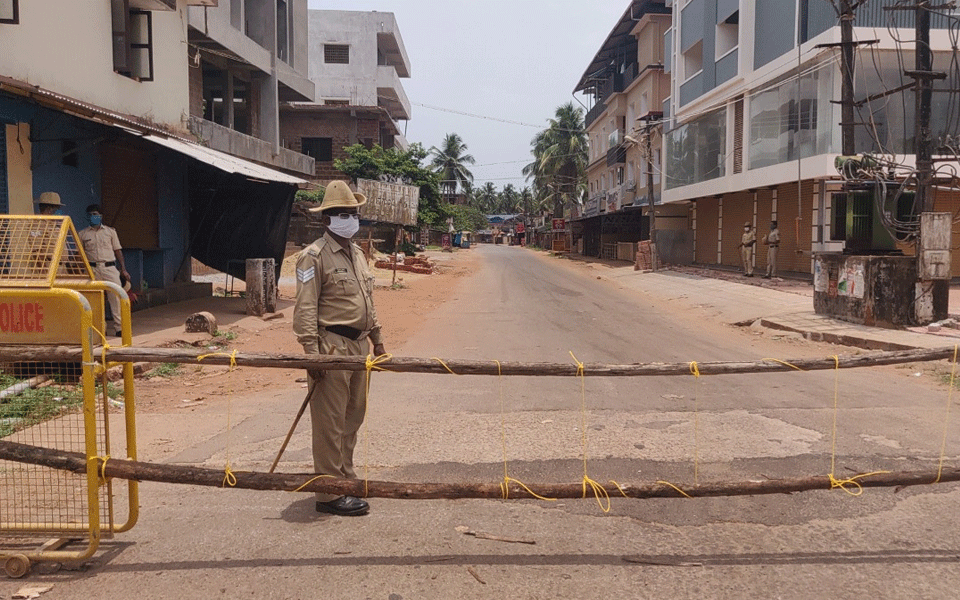
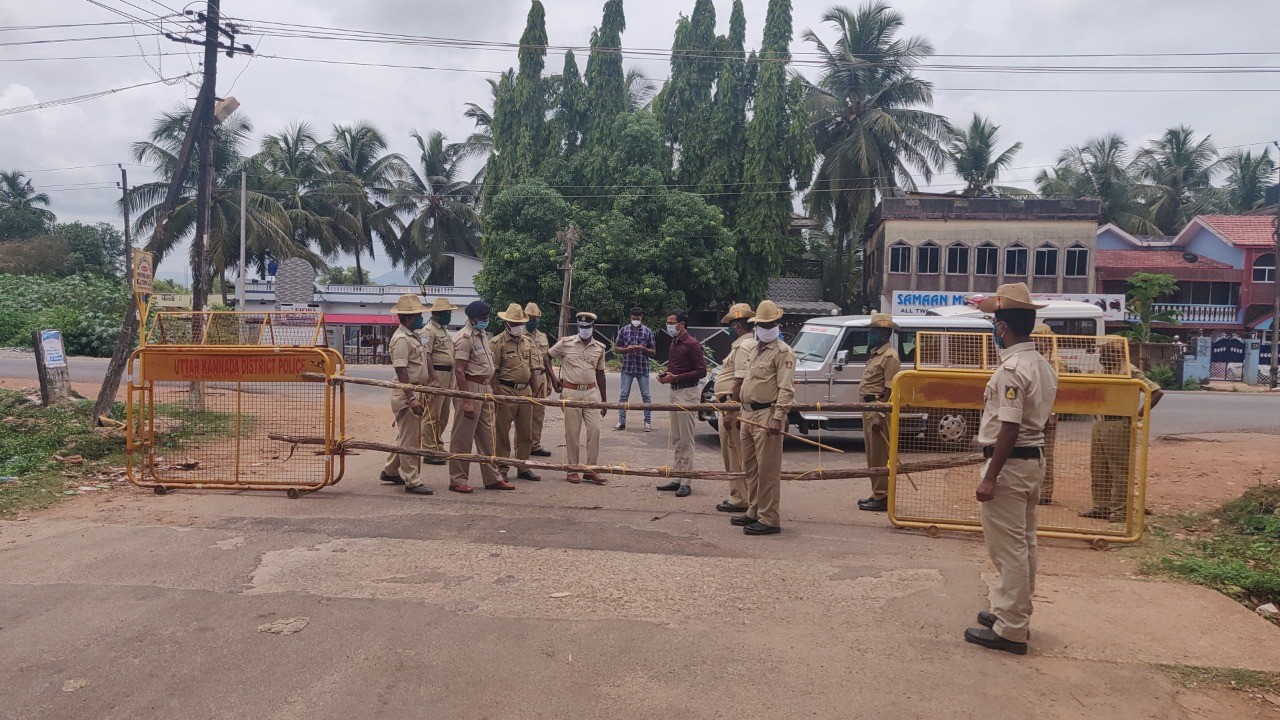
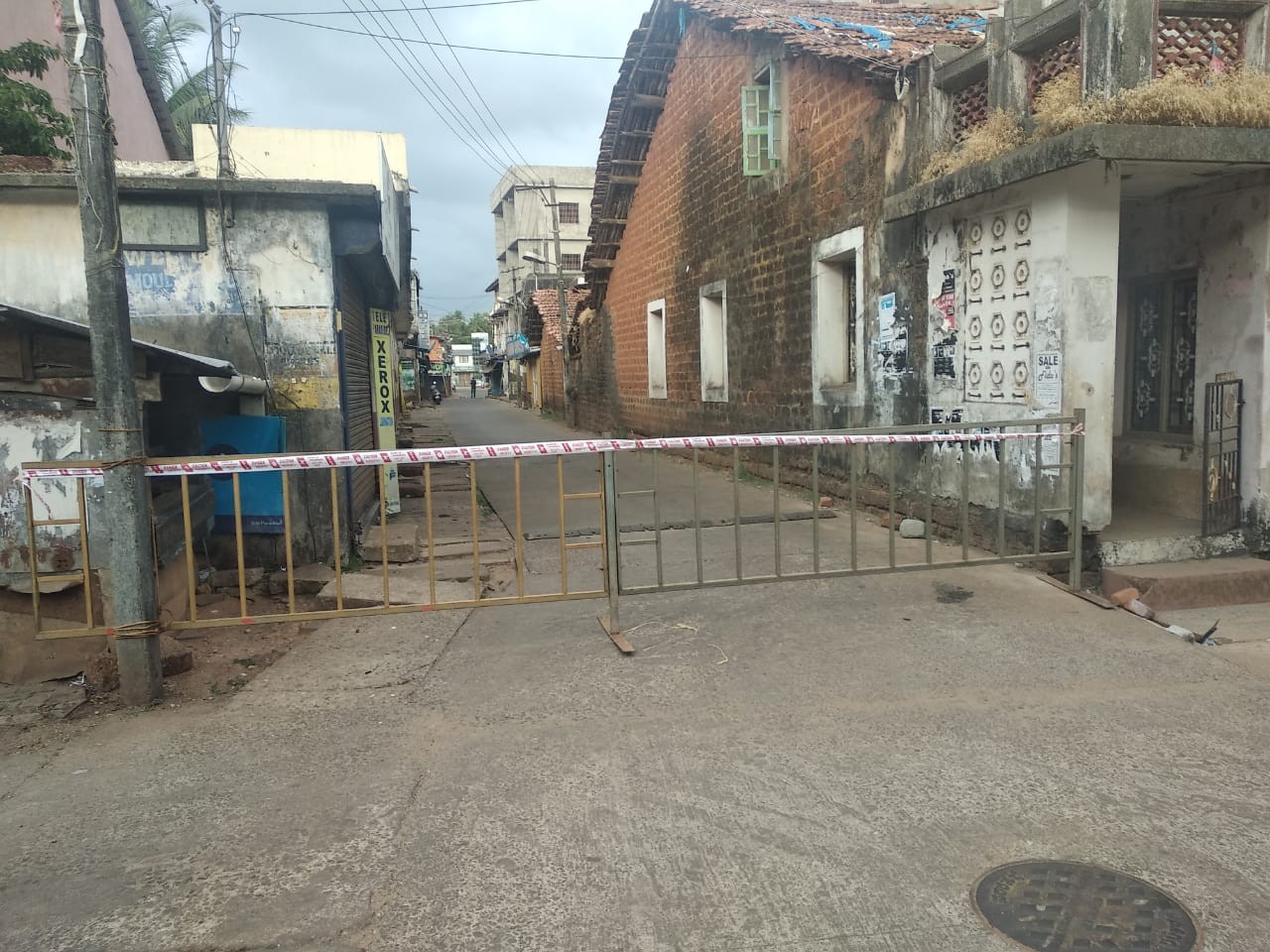
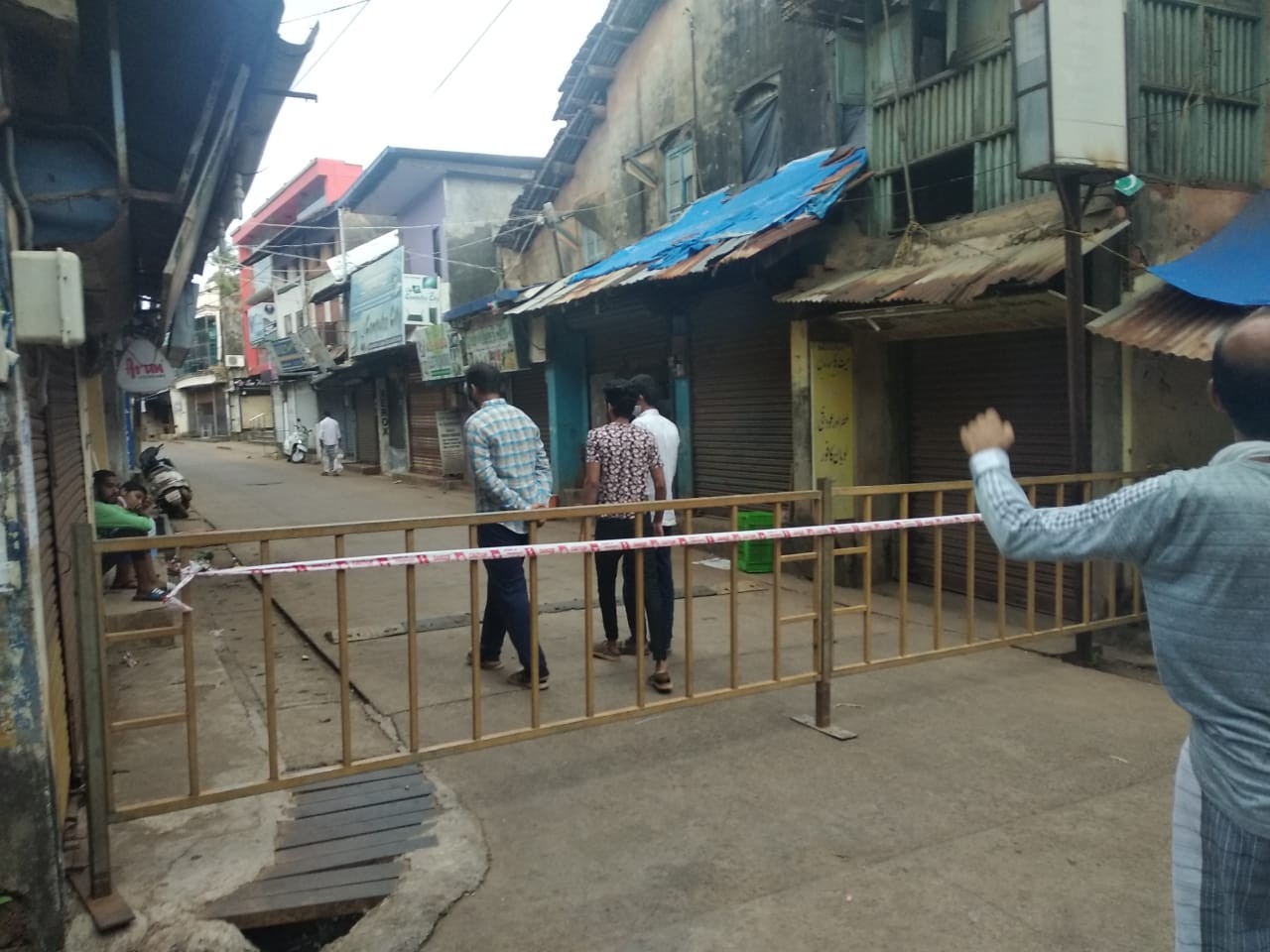
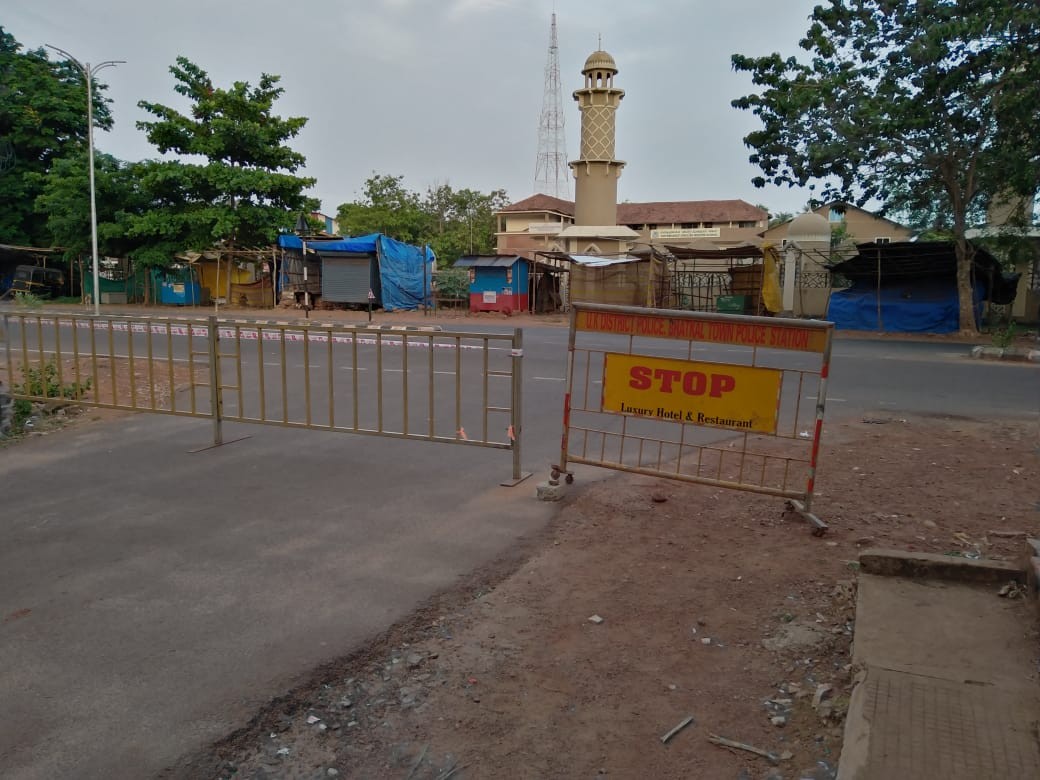
For now almost the entire Bhatkal town is under a complete seal-down with all the essential services including medical shops and hospitals closed by a panicked administration to cap the number of cases of COVID-19 in town.
People have went out to call it “Oppression” in minority community dominated localities, areas and have blamed the administration to be riding upon the alleged communal agenda of local MLA Sunil Naik and MP Ananth Kumar Hegde.
The fuel to the fire of this theory was added by a video allegedly made viral by Sunil Naik himself wherein he is seen strictly instructing police officials to take strictest course of action against anybody stepping out of their homes. He has in the video assured the police personnel of backing them on all of their action and decisions. The video was allegedly shot in Madeena Colony (a minority community dominated area) in town.
The video received a lot of flak and criticism on social media and local activists and youngsters called it “hooliganism” of the public representative.
Amidst all the confusion and panic among both administrations and residents of the town, one question has remained constant over the last few days, “has administration failed to avoid, avoidable surge of COVID-19 cases in Bhatkal?” and despite repeated attempts by Vartha Bharati to reach Uttara Kannada DC, Dr. Harish Kumar through calls and messages, the officer remained unavailable to answer the question.
Let the Truth be known. If you read VB and like VB, please be a VB Supporter and Help us deliver the Truth to one and all.
Belagavi youth’s murder case projected as road accident, cracked in Uttara Kannada; Three arrested
Karwar: Uttara Kannada police have cracked a murder case in which a Belagavi youth was killed and his body burnt inside a car to make it appear like a road accident.
Addressing a press meet in the city, Superintendent of Police Deepan M.N. said three accused from Old Hubballi have been arrested in connection with the case. The crime was a pre-planned act driven by personal enmity, he said.
The case came to light on April 8 morning when a car (KA-04/MJ-8996) was found completely burnt in a roadside ditch near Talekumbri bus stand in Yellapur. Only charred human remains were found inside the vehicle. Initially, it was suspected to be an accident caused by overspeeding, and a case was registered at Yellapur police station based on a complaint filed by the deceased’s father, Jagannath Dhapale.
However, the father later expressed suspicion that his son’s death was not accidental, prompting a detailed investigation.
Taking the matter seriously, two special teams were formed under the leadership of Yellapur Inspector Ramesh Hanapur. On analysing technical evidence and CCTV footage, police found that it was a planned murder.
The accused have been identified as Abdul Raheem Basheer Ahmed Mujawar (32), Maulasab Bavahan Wada (36) and Dadapeer alias Aftab Mehboob Saab Balasangi (22), all chicken traders from Old Hubballi.
Police have seized the car used in the crime along with two scooters. The accused have been remanded to judicial custody.
Investigations revealed that the accused killed Nitesh Dhapale due to personal enmity and later set the car on fire along with the body to project it as an accident.
SP Deepan M.N. appreciated the efforts of Inspector Ramesh Hanapur, PSIs Rajashekhar Vandali and Siddappa Gudi, and the entire team for solving the complex case.