Hindus, women real victims of right-wing's politics: Sasikanth Senthil
'Manava Ratna' Award to Senthil, 'Seva Ratna' to K S Nisar Ahmed, 'Souharda Ratna' to Fr. Martis
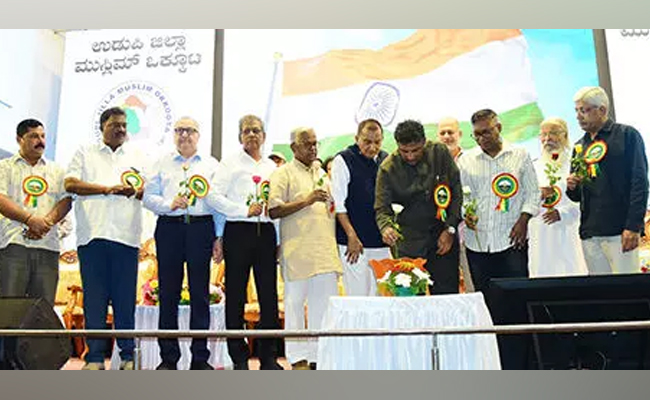
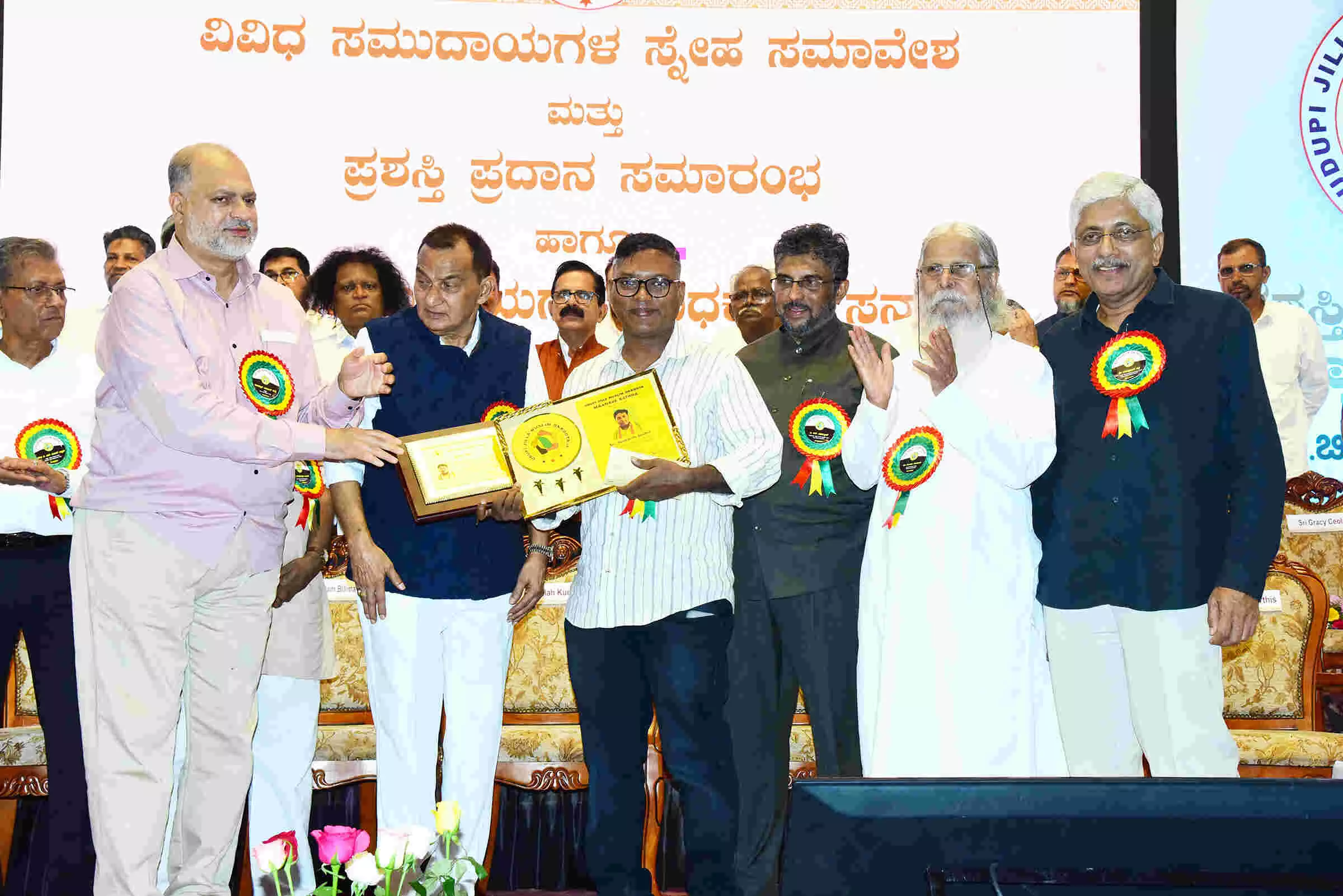
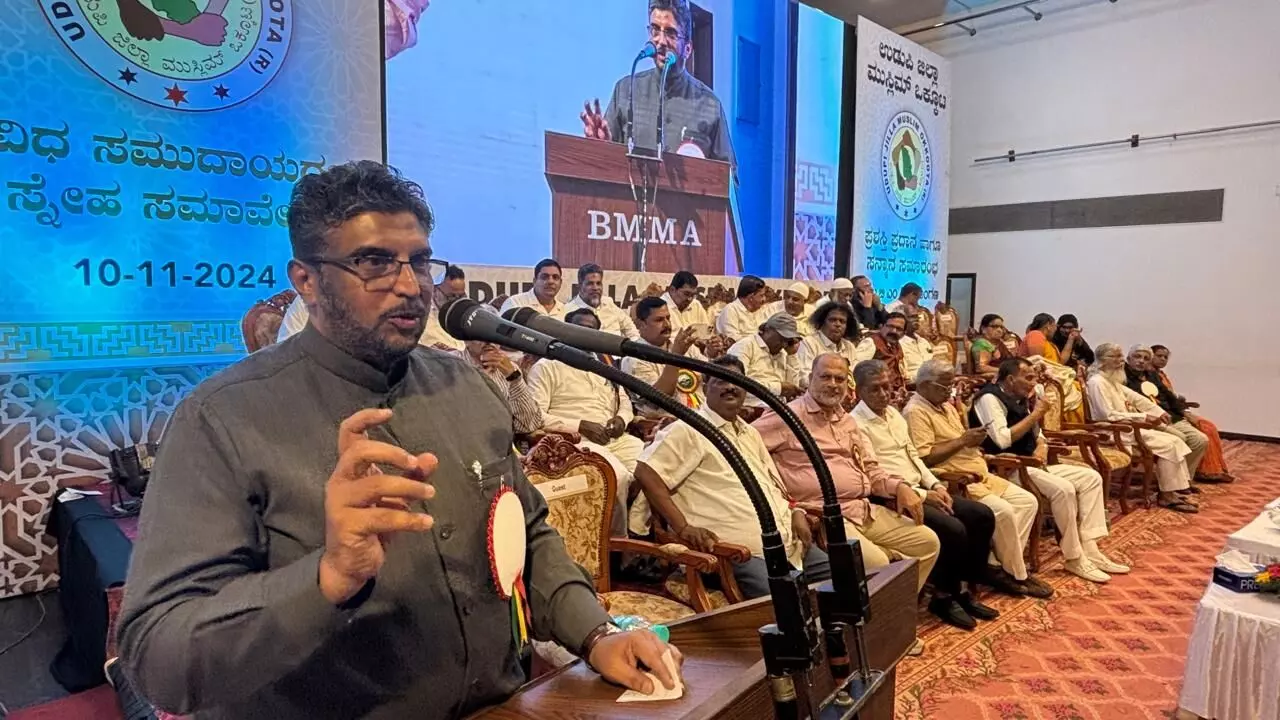
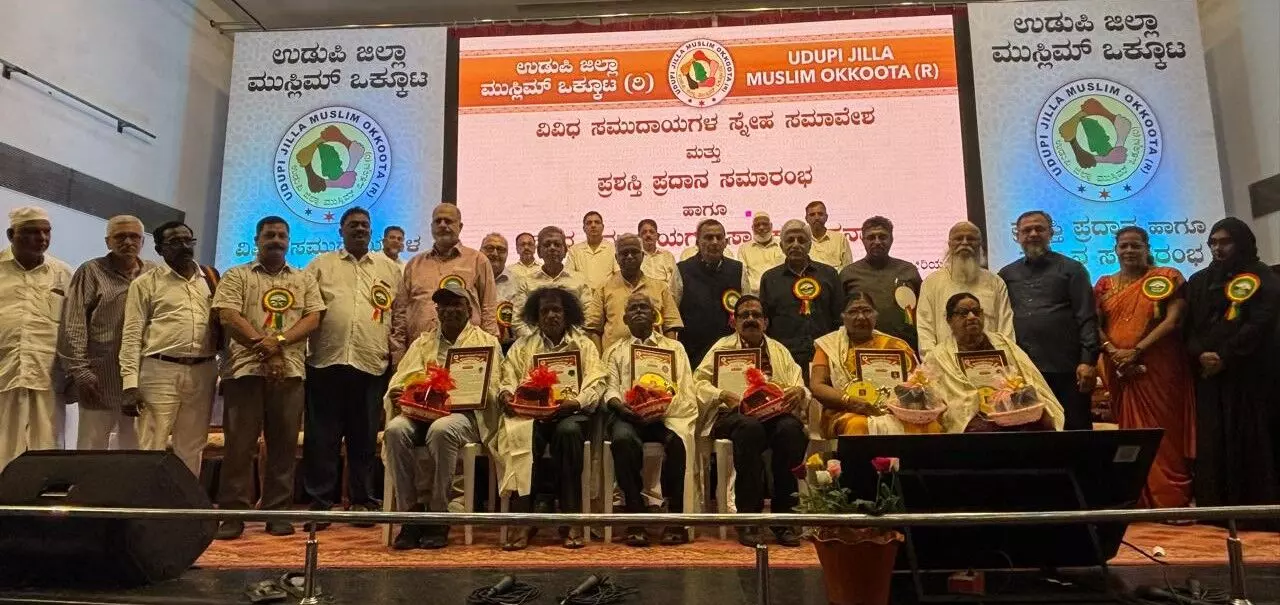
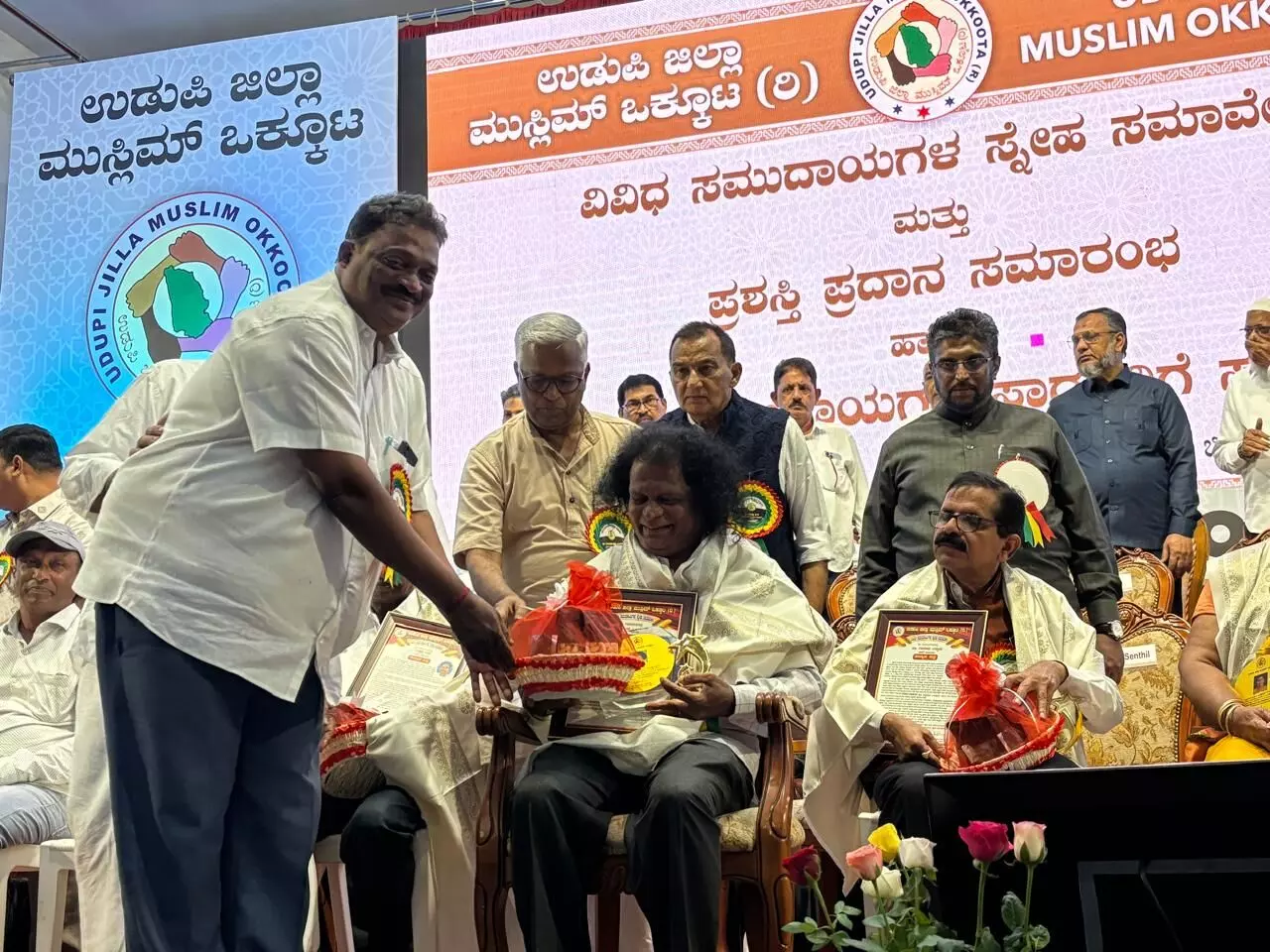
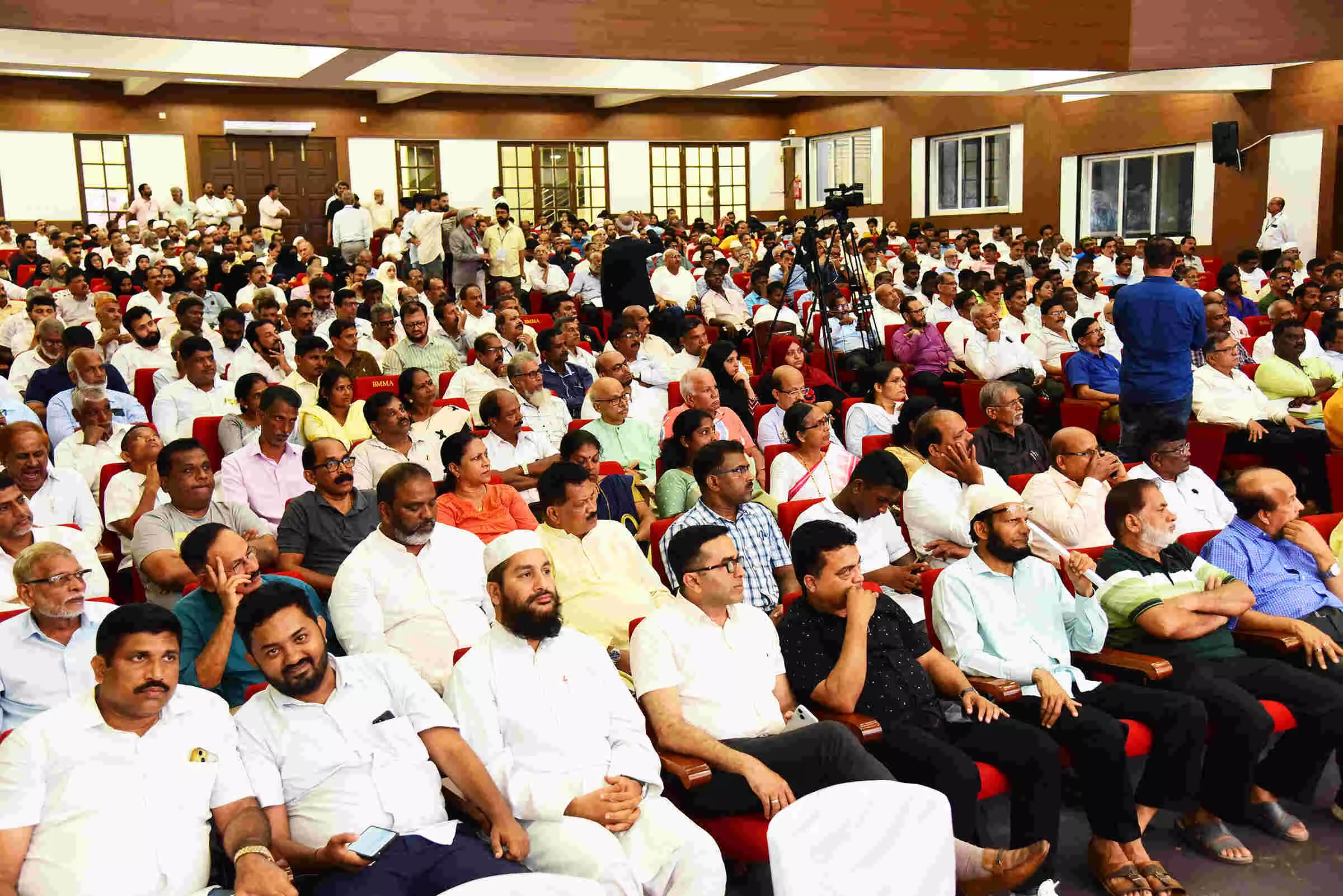
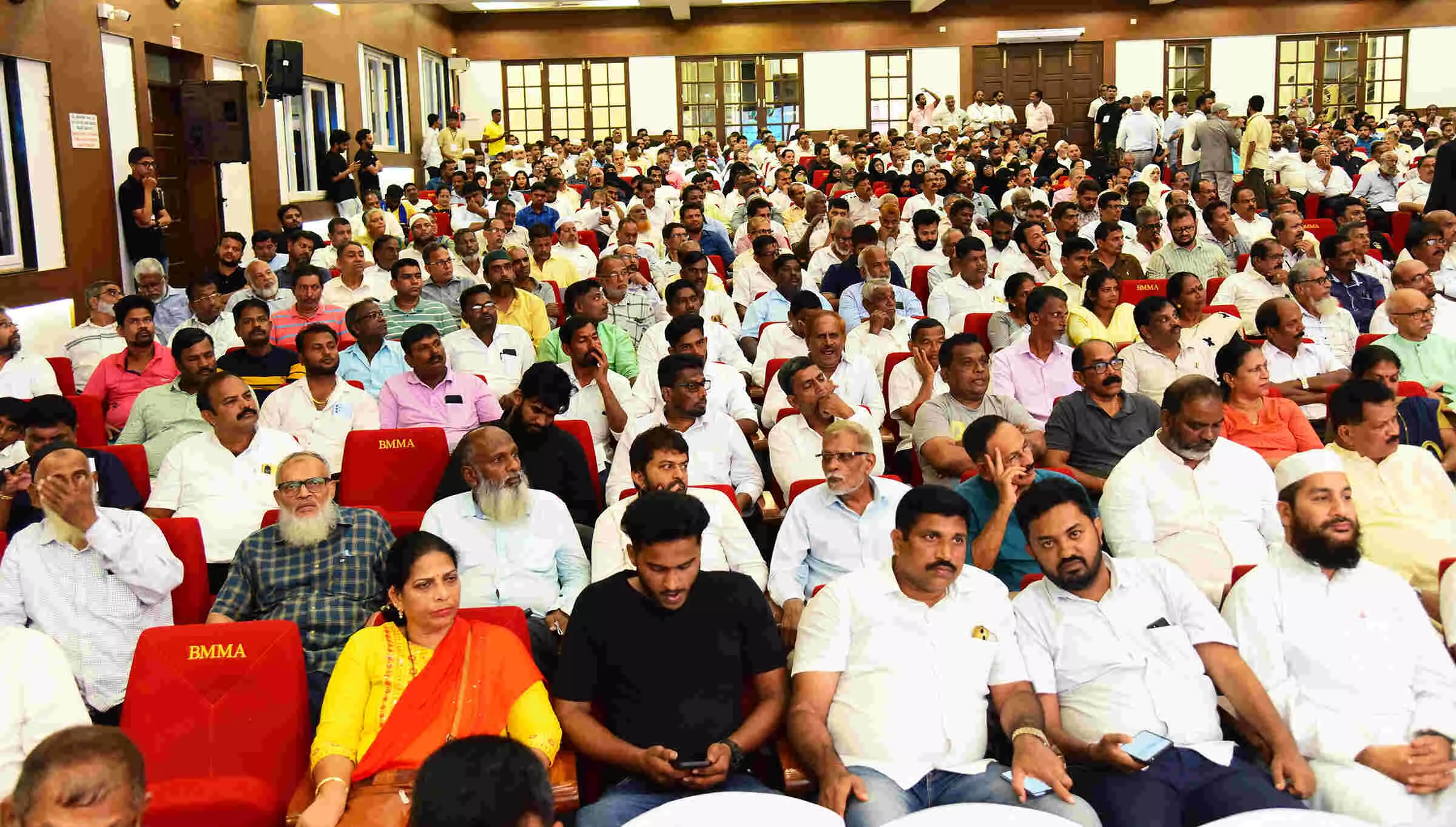
Udupi, November 10: Thiruvallur MP and former IAS officer Sasikant Senthil has voiced concerns that Hindus and women are among the most affected by the rise of right-wing politics in India. He made these remarks while receiving the 'Manava Ratna' award at a ceremony organized by the Udupi District Muslim Okkuta on Sunday, held at the Basel Mission Memorial Auditorium.
In his address, Senthil argued that although Muslims are often seen as targets of right-wing politics, Hindus and women face serious consequences as well. "Eighty percent of Hindus have enjoyed respect and rights after the constitution came into effect," he stated. He added that the objectives of right-wing forces include undermining the Constitution and dividing the country through fear-based politics. According to Senthil, a minority of 20% seeks to control and diminish equality in society, contrasting with 80% of Hindus who have traditionally benefitted from constitutional rights and access to education.
Senthil warned that right-wing politics operates not on hate alone but primarily through fear, manipulating insecurities to sway voters. "This fear-driven approach fuels societal conflicts, which eventually become dangerous for everyone," he said, adding that it is the responsibility of all, especially the majority community, to oppose such divisive politics by upholding constitutional values. He emphasized that the silence of the majority is a significant factor in the growth of right-wing politics, which must be confronted to protect India’s unity.
Dr. Purushottama Bilidmale, President of the Kannada Development Authority, spoke at the event, acknowledging the longstanding contributions of Muslims in fostering communal harmony in India. He noted that a lack of awareness about India’s inclusive culture has led to the spread of misconceptions. "Our history has a strong foundation in unity," he stated, urging society to collectively work towards preserving harmony.

Abdulla Kunhi, Chancellor of Yenepoya University, inaugurated the event, emphasizing the significance of inter-community relationships in building a strong, harmonious society. He stressed that caste, religion, and language should not hinder friendship among communities, which is essential for sustaining national unity.
Yasin Malpe, President of the Udupi District Muslim Okkuta, expressed concern about the systematic spread of hatred in society, particularly against Muslims. He argued that media platforms are being used to sow religious discord among youth and school children. "An entire community is being targeted for the wrongs of individuals, which hinders the potential success of such friendly gatherings," he said, advocating for initiatives that foster community connections and mutual understanding.
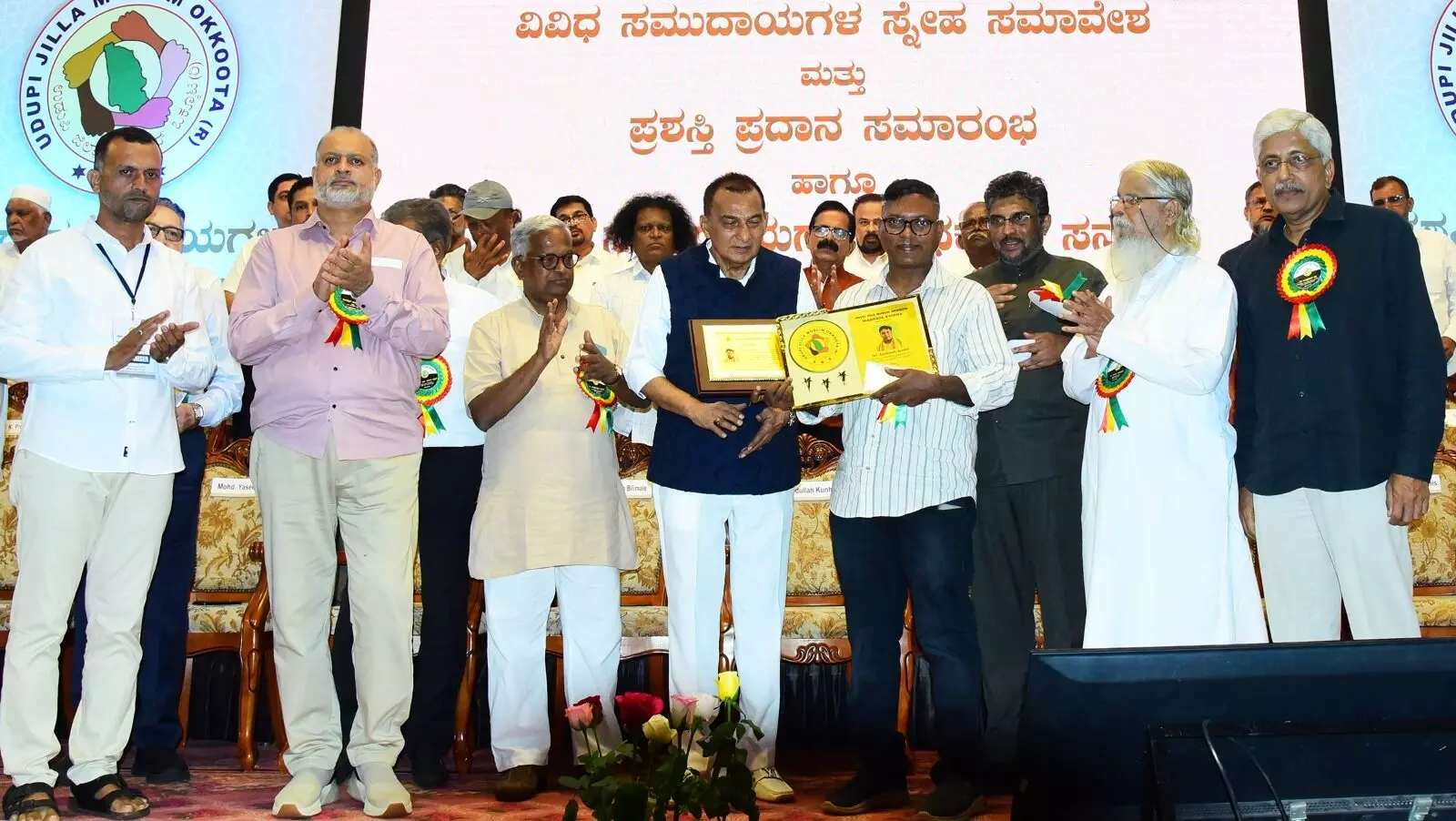
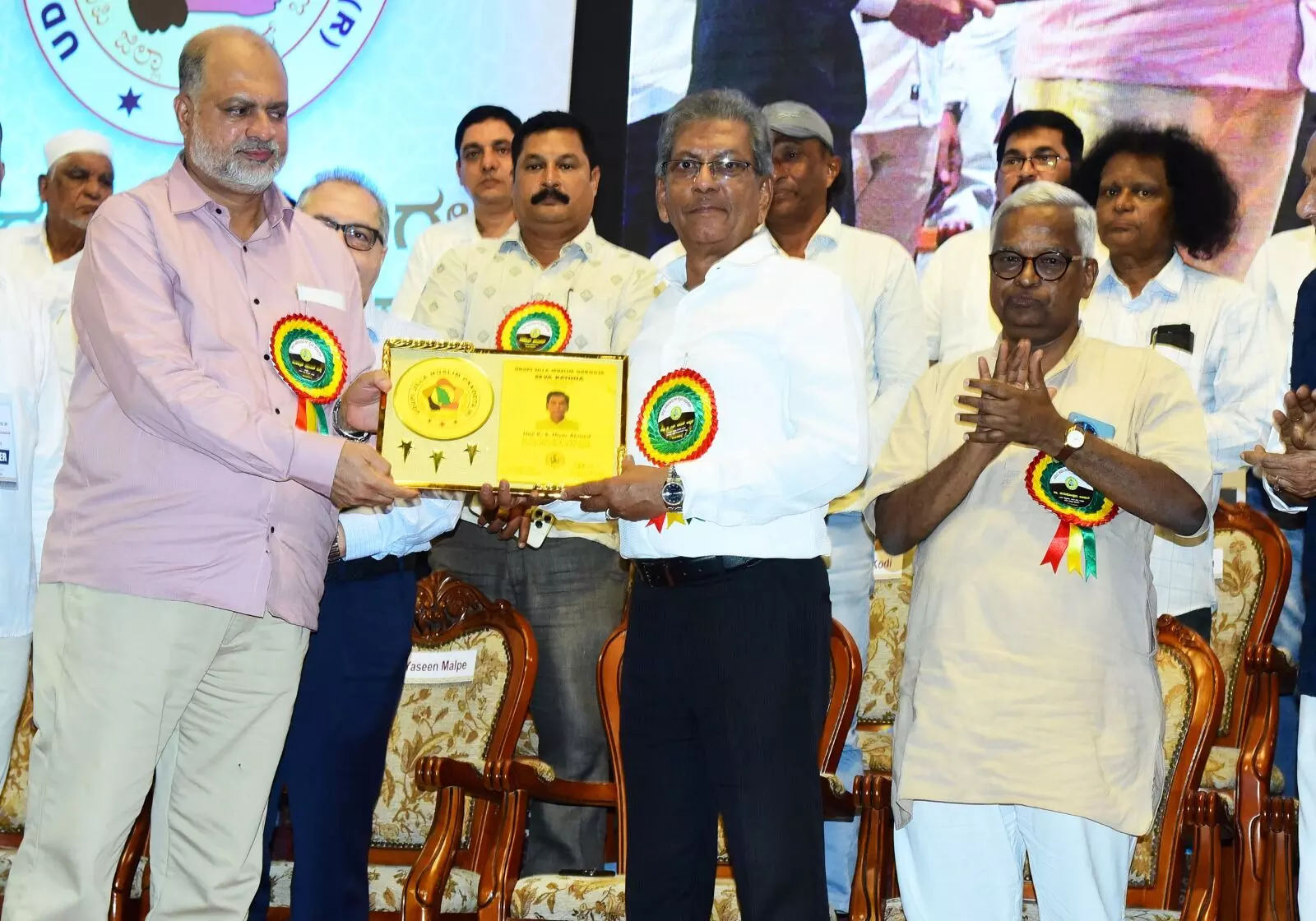
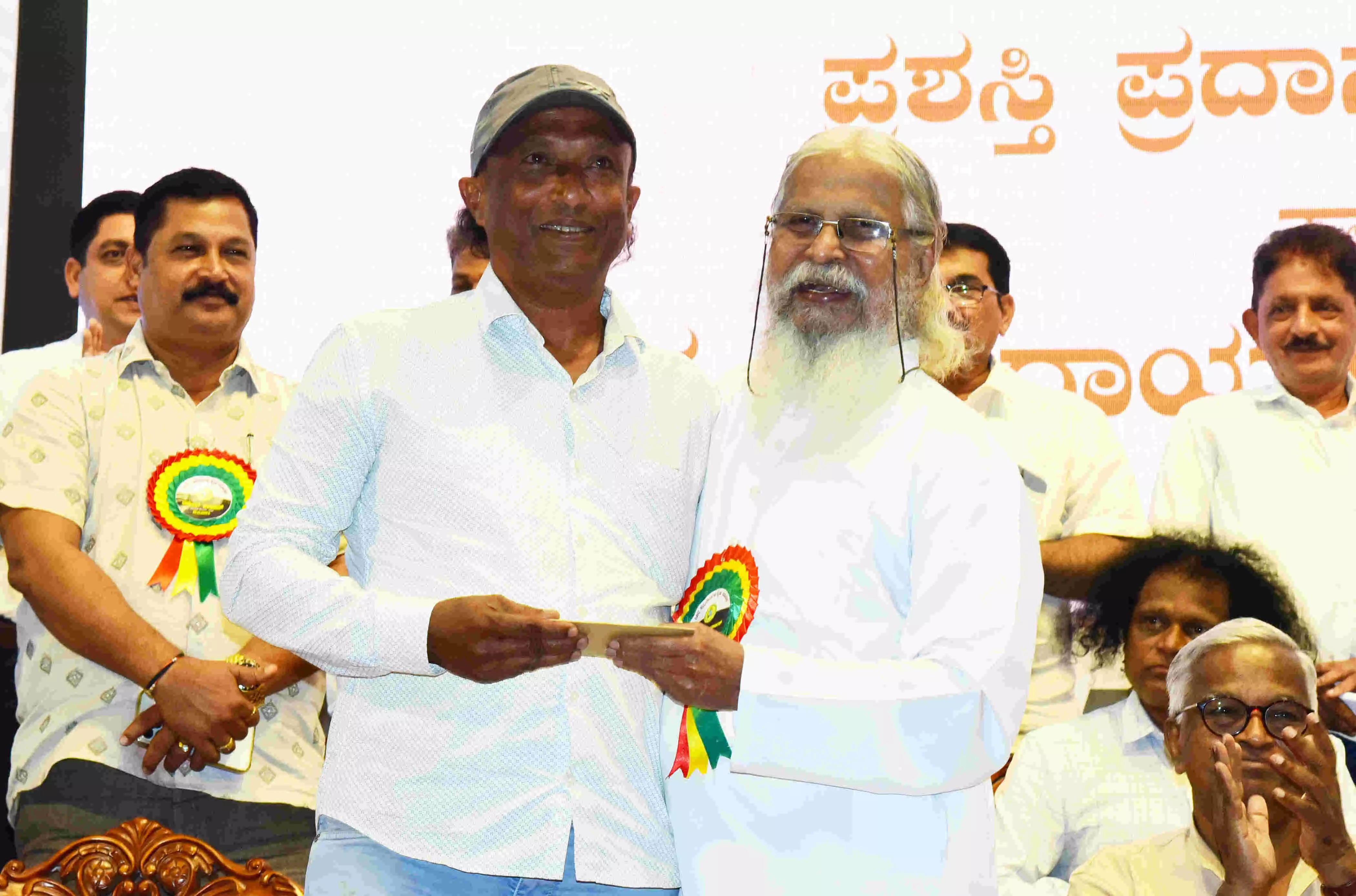
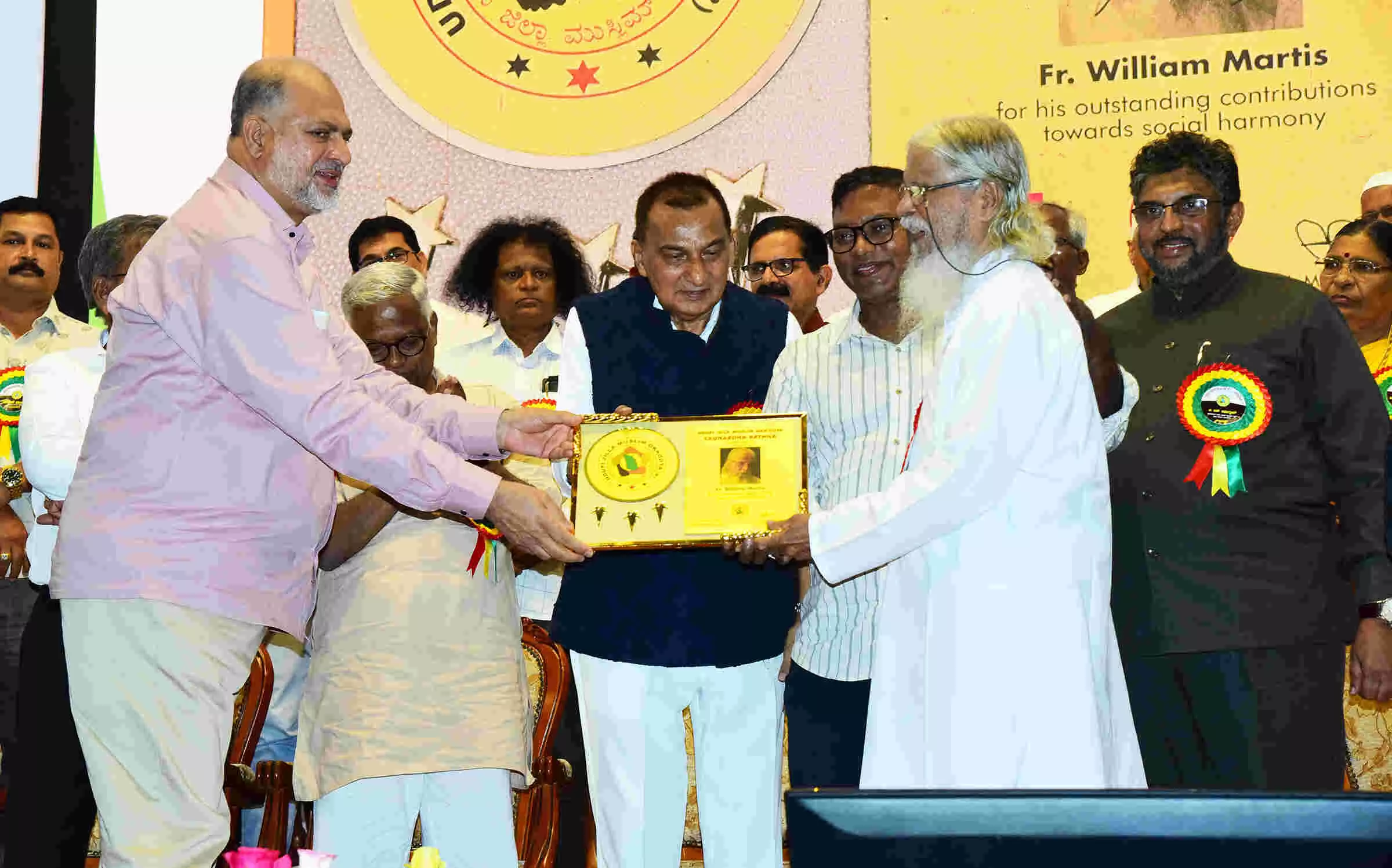
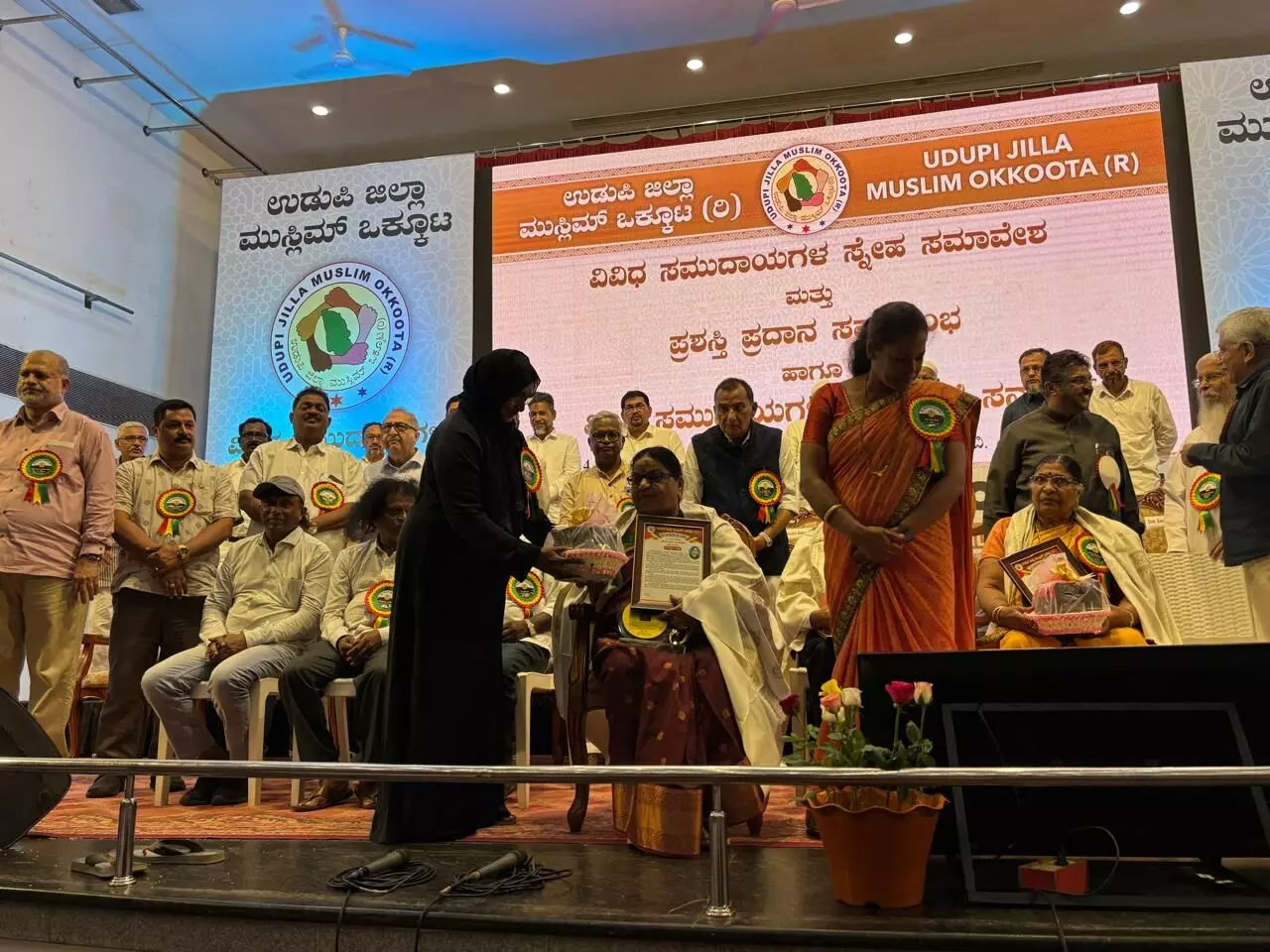
The conference recognized distinguished activists and leaders for their contributions. Sasikant Senthil was awarded the 'Manava Ratna' award, K S Nisar Ahmed, a prominent NRI businessman and well known philanthropist from Karkala, received the 'Seva Ratna' award, and Udupi priest Fr. William Martis was presented with the 'Souharda Ratna' award.
Other notable individuals honored at the event included Dr. Gananath Ekkar for his contributions to literature, former Udupi JPM President Sarasu D. Bangera, Udupi District Women's Union's former President Sarla Kanchan, Dalit leader Annappanakre, and social workers Nithyananda Ukkadu and Hasinar Kodi Kundapura.
The award recipients—Senthil, Ahmed, and Fr. Martis—each donated their award funds to local activists. Senthil’s amount was directed to social activist Nithyananda Ukkadu, Ahmed’s to Annappa Nakre, and Fr. Martis’s to social worker Hasinar Kodi.
During his speech, Senthil urged the community to defend the Constitution as a means to counter right-wing agendas. "The fight isn’t between Hindus and Muslims; it’s about those who believe in the Constitution and those who don’t," he remarked. He underscored that the survival of citizens’ rights depends on the protection of constitutional principles, which he believes will empower a majority of Indians.
The event also featured a Quran recitation by Hafiz Yunus, a friendship song by Shankar Das and his band, and a prayer song by teachers from Hude Salihat School. The Union District General Secretary Idrees Hoode delivered a vote of thanks, while Dr. Jamaluddin Hindi welcomed attendees and narrated the program.
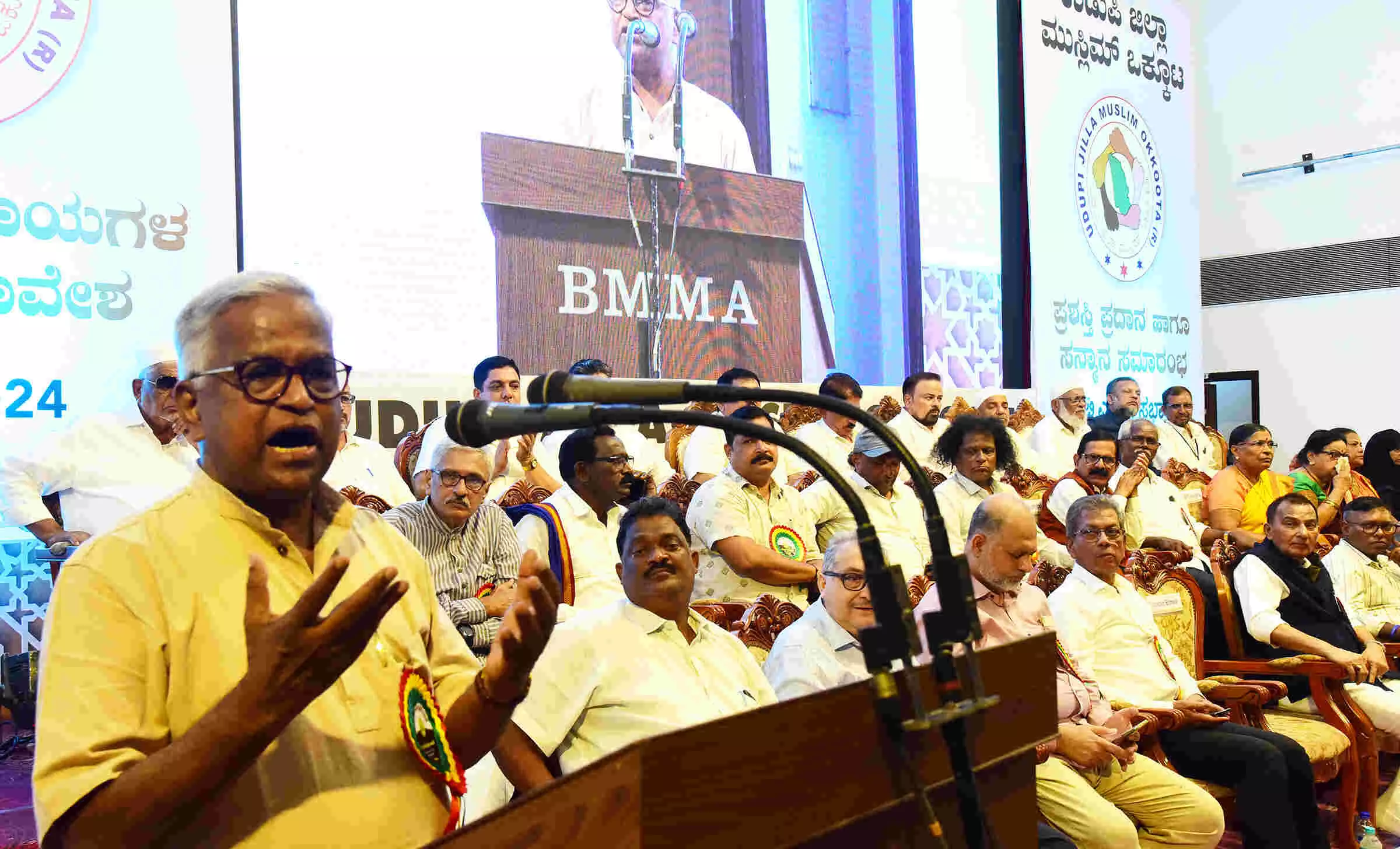
Bilidmale closed the event by stating that forces disrupting harmony are true "traitors," urging citizens to protect the cultural heritage of unity. "Friendship is not imported but is an intrinsic part of our land," he said, calling for a collective effort to rebuild and secure the future of the country and its children.



Let the Truth be known. If you read VB and like VB, please be a VB Supporter and Help us deliver the Truth to one and all.
Conolly, Arya fifties carry PBKS to 254/7 against LSG

Mullanpur (PTI): Priyansh Arya and Cooper Connolly were in a punishing mood, making 93 and 87 respectively, to drive Punjab Kings to an imposing 254/7 against Lucknow Super Giants in an IPL match here on Sunday.
Arya and Connolly added 182 runs in just 13.2 overs for a massively entertaining second wicket stand for PBKS, as they tallied this IPL season's highest total, going past RCB's 250 for three.
LSG managed to dismiss the duo and Punjah skipper Shreyas Iyer in quick succession but the home team had already built a superb launching pad by then for Marcus Stoinis (29) to cash in.
Brief scores: Punjab Kings: 254/7 in 20 overs (Cooper Connolly 87, Priyansh Arya 93; Prince Yadav 2/25).