Intercity Metro Rail line between DK, Udupi: State government asks BMRCL to prepare master plan
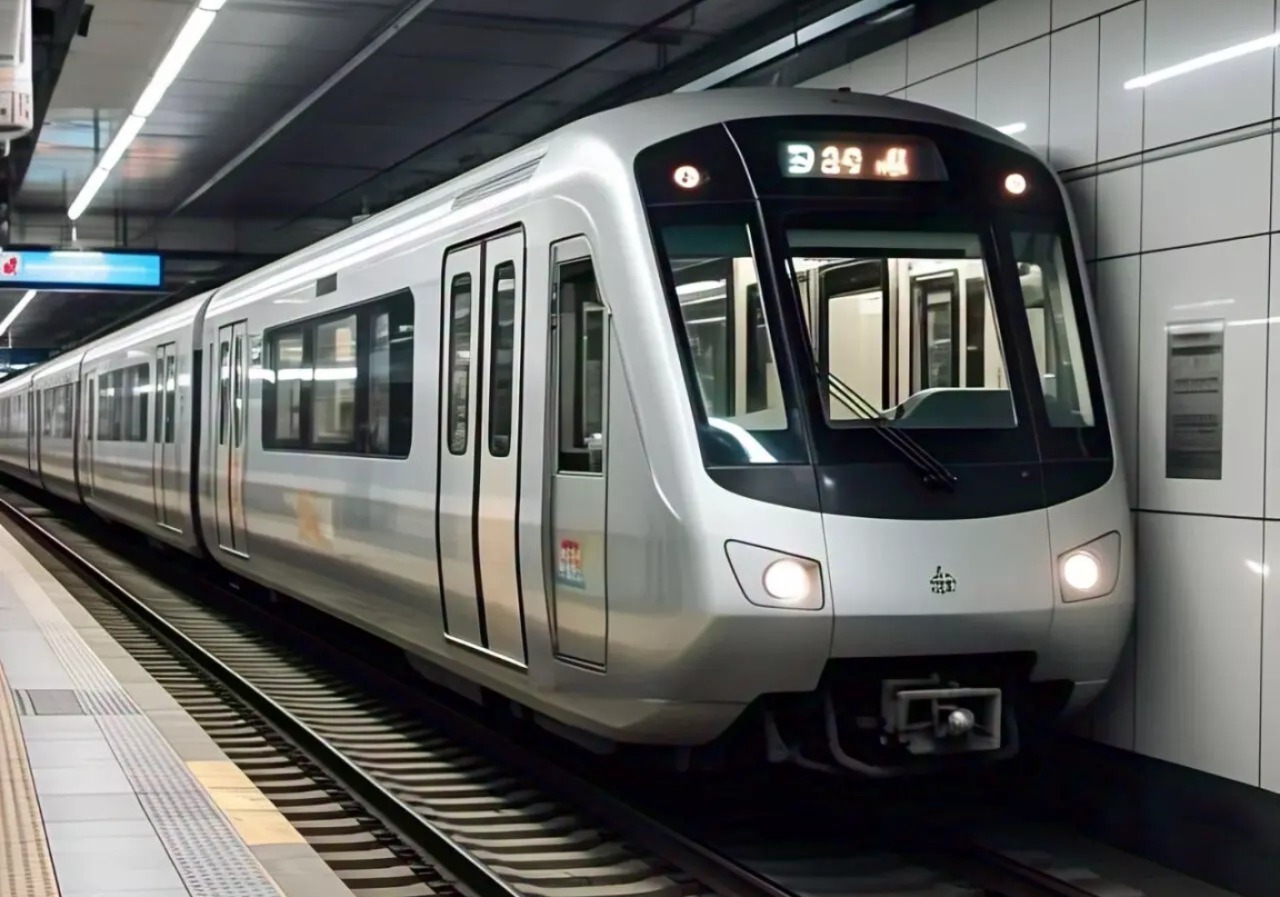
Mangaluru: With the aim of connecting Udupi and Dakshina Kannada districts via a metro railway line, the state government has directed the Bangalore Metro Rail Corporation Limited (BMRCL) to prepare a master plan, including a brief report and a detailed project report, for the 60-km stretch.
The government has told BMRCL to submit the master plan for Phase 1 of the 60-km intercity rail connectivity corridor between the two districts. The government has also communicated with the deputy commissioners of Dakshina Kannada and Udupi regarding the project.
Former secretary of the Karnataka Pradesh Congress Committee (KPCC) Mohandas Hegde had written to Dakshina Kannada District In-charge Minister Dinesh Gundu Rao and Minister for Large and Medium Industries MB Patil, proposing a metro railway line between Mangaluru and Udupi. In his letters, he stated that such a metro line, covering major urban, semi-urban, and industrial zones, would enhance transportation while promoting economic and urban development.
The proposal for a metro railway line between the two neighbouring districts was supported by the KPCC member, citing congestion in the current transport system, which causes inconvenience to road users. A metro line, on the other hand, is expected to reduce travel time to less than an hour. Moreover, an intercity metro railway line is considered a suitable mode of transport for connecting Dakshina Kannada and Udupi, given the high population in both districts.
Let the Truth be known. If you read VB and like VB, please be a VB Supporter and Help us deliver the Truth to one and all.
Belagavi youth’s murder case projected as road accident, cracked in Uttara Kannada; Three arrested
Karwar: Uttara Kannada police have cracked a murder case in which a Belagavi youth was killed and his body burnt inside a car to make it appear like a road accident.
Addressing a press meet in the city, Superintendent of Police Deepan M.N. said three accused from Old Hubballi have been arrested in connection with the case. The crime was a pre-planned act driven by personal enmity, he said.
The case came to light on April 8 morning when a car (KA-04/MJ-8996) was found completely burnt in a roadside ditch near Talekumbri bus stand in Yellapur. Only charred human remains were found inside the vehicle. Initially, it was suspected to be an accident caused by overspeeding, and a case was registered at Yellapur police station based on a complaint filed by the deceased’s father, Jagannath Dhapale.
However, the father later expressed suspicion that his son’s death was not accidental, prompting a detailed investigation.
Taking the matter seriously, two special teams were formed under the leadership of Yellapur Inspector Ramesh Hanapur. On analysing technical evidence and CCTV footage, police found that it was a planned murder.
The accused have been identified as Abdul Raheem Basheer Ahmed Mujawar (32), Maulasab Bavahan Wada (36) and Dadapeer alias Aftab Mehboob Saab Balasangi (22), all chicken traders from Old Hubballi.
Police have seized the car used in the crime along with two scooters. The accused have been remanded to judicial custody.
Investigations revealed that the accused killed Nitesh Dhapale due to personal enmity and later set the car on fire along with the body to project it as an accident.
SP Deepan M.N. appreciated the efforts of Inspector Ramesh Hanapur, PSIs Rajashekhar Vandali and Siddappa Gudi, and the entire team for solving the complex case.