ITBP soldier threatens to imitate Paan Singh over 'assault' on kin
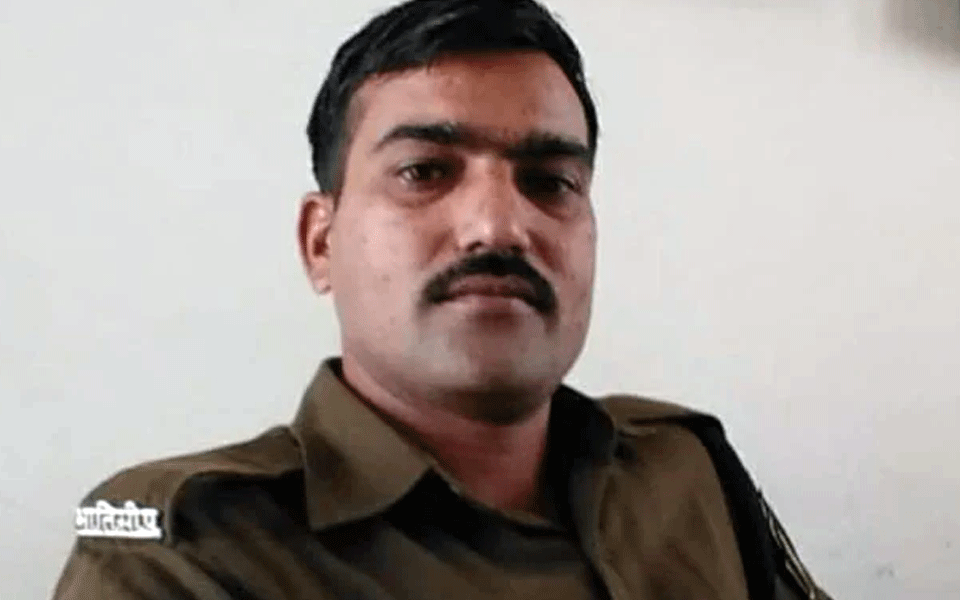
Khandwa/Bhopal: An ITBP jawan's social media post in which he has threatened to emulate soldier-turned- outlaw Paan Singh Tomar over alleged inaction by police against those who allegedly assaulted his family members has prompted Madhya Pradesh Chief Minister Kamal Nath to intervene.
Nath has directed officials to probe the matter and provide security to family members of the jawan, Amit Singh, a resident of Mundi village in Khandwa district.
In his FB post, Singh said he would not hesitate to pick up a gun like Paan Singh Tomar--a soldier cum athlete who later turned an outlaw in Chambal region--if those responsible for assaulting his family members are not punished.
"Madhya Pradesh government should give justice to my family and brother...don't force me to be become a new Paan Singh Tomar...I won't need a training to fire a gun," Singh wrote in Hindi.
The government swung into action after the post went viral.
"Taking cognisance of Singh's Facebook post, chief minister Kamal Nath has directed an impartial investigation into the case of physical altercation between the private security personnel (hired by MP Tourism) and the ITBP jawan's family members at Hanumantiya Dam (a tourist spot) in Khandwa district on August 16," Nath's media coordinator Narendra Saluja said on Sunday.
Khandwa superintendent of police Shivdayal Singh said the matter would be re-investigated as per the directives of the chief minister.
"Cases were registered earlier on the complaints of both sides (Singh's family members and security guards). Further action would be taken if new facts emerge during probe," he said.
According to Atul Singh, brother of Amit Singh, the incident occurred on August 16 when his family members had gone to Hanuwantiya Island in Khandwa district on a picnic.
He claimed that an argument broke out between the private security guards and his family members as they were not allowed to carry milk bottles and biscuits for babies at a restaurant, which turned physical.
He claimed the guards as well as staff at other facilities at Hanuwantiya attacked him and other family members with bricks and sticks. Atul, who was injured in one of his eyes, is being treated in Indore.
He said his another brother Vipul Singh's suffered a fracture in his leg. Tomar was a seven-time national steeplechase champion in the 1950s and 1960s, who represented India at the 1958 Asian Games.
After a premature retirement from the Army, Tomar returned to his native village. He later gained notoriety as a Chambal Valley rebel when he resorted to violence after a land feud there. He was shot dead in 1981.
Let the Truth be known. If you read VB and like VB, please be a VB Supporter and Help us deliver the Truth to one and all.
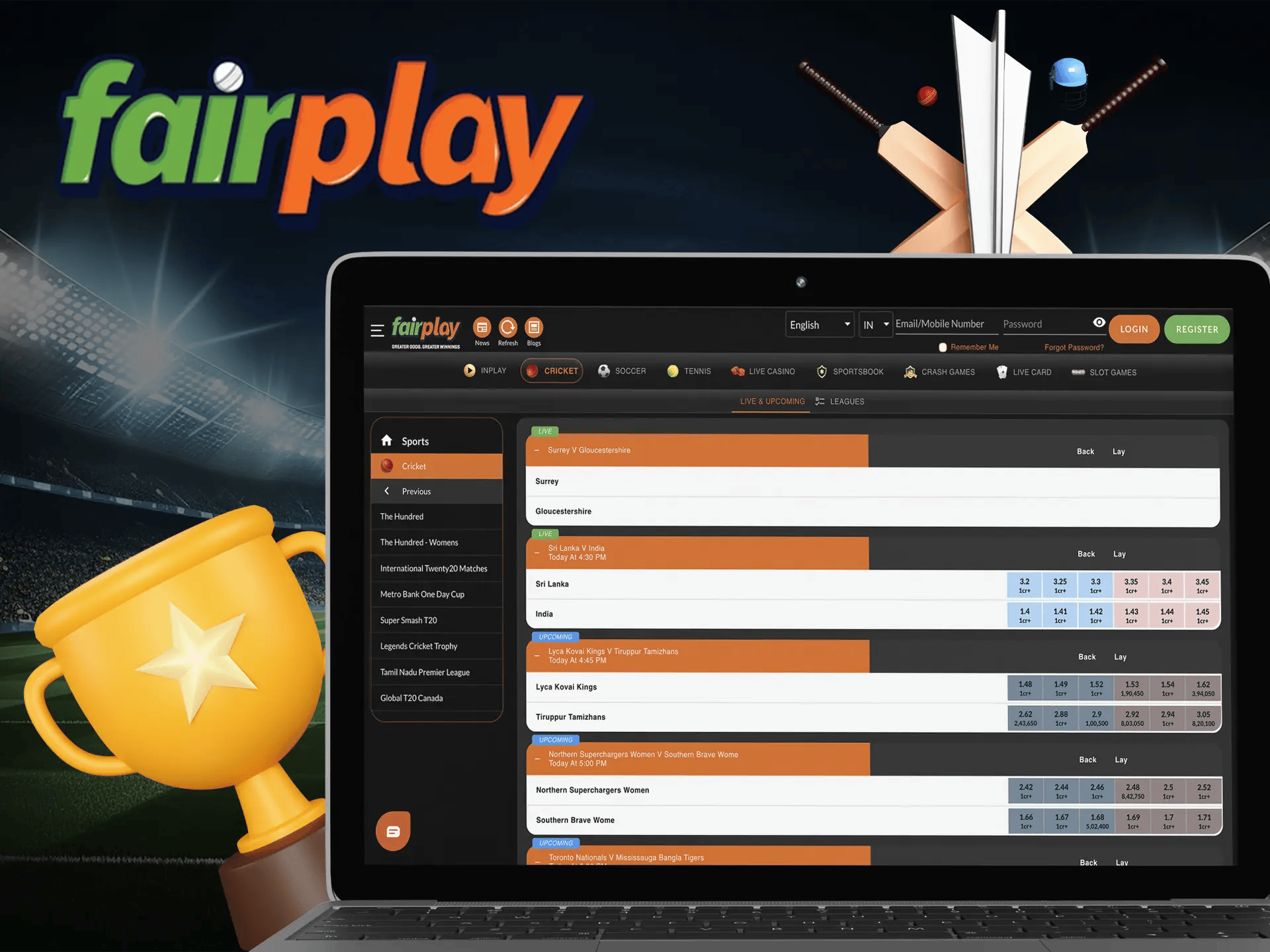
Why Your Instincts Matter on Fairplay24

Have you ever noticed the subtle change in a bowler’s run-up just before they deliver a wicket-taking ball? Or the way a team shifts its formation right before a counter-attack? These are the nuances that true fans live for. In 2026, the data might be elite, but the "human eye" is still the most powerful tool in the game. fairplay24 is built for the fans who see those small details, the ones who understand that sports are played with heart and instinct, not just spreadsheets. Every time you use your fairplay24.in login, you are bringing that unique perspective to a global community of experts.
Frictionless Entry for the Busy Fan via Fairplay24.in Login
We live in an age of "everything, everywhere, all at once." Our schedules are packed, but our passion for the game doesn't take a day off. This is why fairplay24 has optimized its experience for the fan on the move. A quick fairplay24.in login is all it takes to bridge the gap between your busy day and the excitement of the live arena. The platform is designed to be mobile-friendly and lightning-fast, ensuring you’re always just a tap away from the latest score. The simplicity of the fairplay24.in login means you can jump into the action during a lunch break or while commuting home.
Fairplay24 removes the clutter, giving you a clean and organized view of the sporting world. It’s a reliable companion for modern life, ensuring that even if you can’t be at the stadium in person, the spirit of the stadium is always with you through your fairplay24.in login. The developers of fairplay24 understand that time is precious, so they have made the fairplay24.in login process as efficient as possible. This commitment to user experience is what sets fairplay24 apart in the competitive world of sports engagement, making every fairplay24.in login a seamless transition into the world of live play.
Building a Culture of Fair Play Together at Fairplay24.in
In 2026, the digital world can sometimes feel like a "wild west," but fairplay24 stands as a beacon of reliability. The name itself, fairplay24, is a promise of a secure and honest experience. When you complete your fairplay24.in login, you are joining a network that prioritizes safety and transparency. This isn't just about technology; it's about the culture of the community. A fair platform is one where everyone has the same opportunity to succeed based on their own skill and knowledge, and that is exactly what fairplay24 provides.
Every fairplay24.in login is a commitment to this culture of integrity. Fairplay24 upholds this standard every day, providing a transparent system that mirrors the honesty of the athletes on the field. This commitment to a safe environment is what makes fairplay24 a trusted partner for millions of fans. By ensuring that every fairplay24.in login is secure, the platform allows the focus to stay on the thrill of the win and the lessons of a hard-fought game. Trust is the foundation of fairplay24, and it is earned with every single fairplay24.in login.
Conclusion
The way we experience sports is changing, moving from a "broadcast" model to a "participation" model. We are no longer just faces in the crowd; we are the strategists and the analysts of our own sports journey. Fairplay24 is proud to provide the platform for this evolution, ensuring that the human element of sports remains front and center. By making the fairplay24.in login part of your routine, you are choosing a more interactive, secure, and rewarding way to be a fan.
The 2026 sports season is already delivering unforgettable moments—don't just watch them happen. Join the fairplay24 family, trust your instincts, and celebrate the game with the transparency and excitement it deserves. Your seat in the digital stands is ready, and your fairplay24.in login is the key. Experience the difference that a dedicated platform can make, and let fairplay24 be your partner in every victory.