Let love and affection unite world: President Ramanath Kovind
President visits Pejawara Mutt, Sri Krishna Mutt
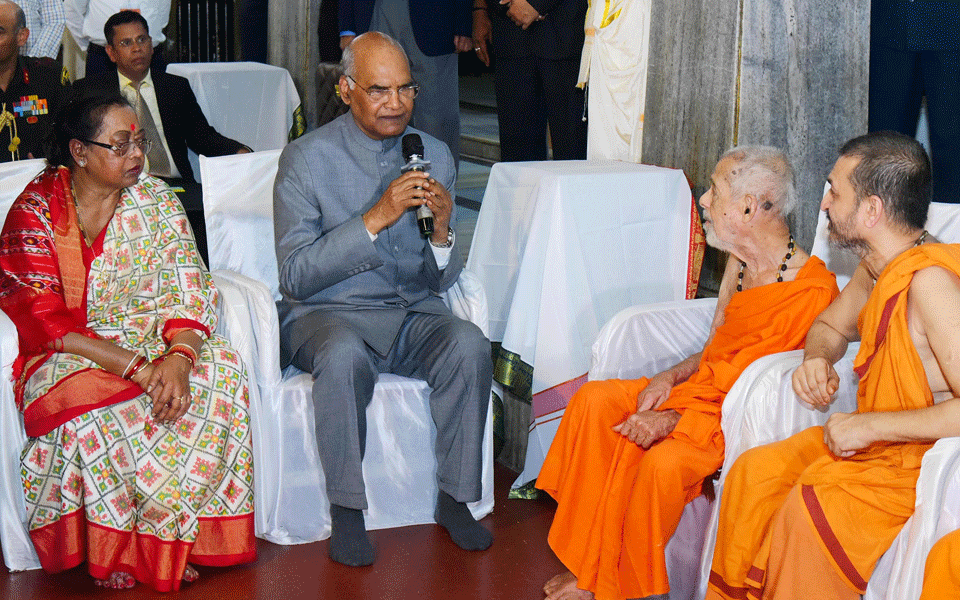
Udupi, December 27: President Ramanath Kovind stressed the need to unite the people in the world through love and affection.
The President was speaking after visiting the Pejawara Mutt and Sri Krishna Mutt here on Thursday.
The God has created many beings in the world. Among them, man was the best creation. Nowadays, there should be love and affection among them. Though the God was called in different names and different shapes, the God was one, he said.
"I was planning to visit the Sri Krishna Mutt since many days. I am happy that I have visited today. Union Minister Uma Bharathi told me many things about Pejawara Swamiji. At the age of 89, the Swamiji is active and I am happy to see his activeness. Let him complete hundred years. Let him do more religious and social works", the President said.
Rama Rajya was a model state. It was a model on how to rule and treat the subjects. If the model was followed, the world would be happy, he said.
Vishveshwara Thirtha Swamiji of Pejawara Mutt said that he was happy that the President visited the Sri Krishna Mutt, established by Madhwacharya.
Vidyadeesha Thirtha Swamiji of Paryaya Palimaru Mutt felicitated the President with the idol of Lord Sri Krishna on the occasion.
Savitha Kovind, wife of President Ramanath Kovind, Governor Vajubhai Vala, Nagaland Governor Padmanabha Acharya, Udupi District Minister Dr Jayamala, Leader of the Opposition in the Legislative Council Kota Srinivas Poojary, MLA Raghupathi Bhat, ZP president Dinakar Babu, former minister Pramod Madhwaraj, Dakshina Kannada district Kannada Sahitya Parishat Pradeep Kalkura, Mysure Division Regional Commissioner Yashwanth, Deputy Commissioner Priyanka Mary Francis, ADGP Kamal Panth, IGP Arun Chakravarthy, SP Lakshman Nimbaragi and other senior officers were present.
Ramanath Kovind’s first visit to Udupi
For the first time, President Ramanath Kovind visited Udupi district on Thursday to pay his respect to Vishvesha Thirtha Swamiji of Pejawar Mutt who completed 80 years of his coronation.
President Ramanath Kovind, along with his wife Savitha Kovind, arrived at Adi Udupi helipad from Mangaluru airport at 11.20 am. Karnataka Governor Vajubhai Vala, Nagaland Governor Padmanabha Acharya, District Minister Dr Jayamala, ZP president Dinakar Babu and others welcomed the President at the helipad. Later, the President reached Pejawar Mutt at 11.40 am and Mutt Diwan Raghuram Acharya received the President and took him into the Pejawar Mutt, where Vishvesha Thirtha Swamiji, junior pontiff Vishwaprasanna Thirtha and Vidyadeesha Thirtha of Paryaya Palimaru Mutt who were waiting for the President inside the Mutt, received Kovind and explained the history of the Mutt.
Later, the Pejawar Swamiji offered special pooja to Rama Vittala, mooladevaru of the Mutt and the President also participated in the ritual. Swamiji honoured the President with the idol of Lord Sri Krishna and the President also felicitated the Pejawar swamiji on the occasion.
At 12.20 pm, the President left the Pejawar Mutt for Sri Krishna Mutt, where the first citizen of the country was received with the chanting of hymns and Mangala Vadya and took him into the Sri Krishna Mutt.
The President had the darshan of Lord Sri Krishna and sat at the Chandrashale along with other dignitaries. Along with Pejawar swamiji and Palimaru Swamiji, the swamijis of Sode, Kaniyur and Adamaru mutts were also present on the occasion. Paryaya Vidyadeesh Thirtha Swamiji welcomed the President and expressed his pleasure for the President’s visit to Sri Krishna Mutt.
Paryaya Swamiji also felicitated the President with shawl, the idol of Lord Sri Krishna.
Speaking on the occasion, President Ramanath Kovind said that he was happy that Pejawar Swamiji was travelling across the country at this age and invited him to the Rashtrapathi Bhavan once.
At 12.45 pm, the President left for helipad from Sri Krishna Mutt and from there, he reached Mangaluru airport.
Let the Truth be known. If you read VB and like VB, please be a VB Supporter and Help us deliver the Truth to one and all.
Power tariffs under BESCOM to rise from May 1
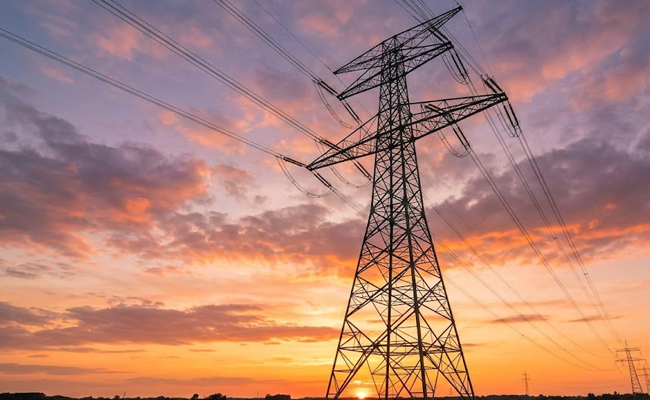
Bengaluru (PTI): Power bills for consumers under the Bangalore Electricity Supply Company Limited (BESCOM) will go up from May 1, following an order issued by the Karnataka Electricity Regulatory Commission (KERC) on Friday.
The hike comes after KERC allowed the BESCOM to recover a revenue deficit of Rs 2,068 crore incurred in 2024-25, from the consumers.
As a result, for every unit of electricity consumed in 2024-25, the customers will be charged an additional 56 paise, it said.
"BESCOM shall calculate, for each of the active consumers of FY2024-25 the amount to be recovered based on their actual energy consumption during FY2024-25. Such amount shall be recovered during FY 2026-27 in equal monthly instalments, to be called as 'FY25 True up Charges', commencing from the first meter reading date falling on or after 1 May 2026 and concluding with the reading date ending on 30 April 2027," the order said.
"It is further ordered that BESCOM shall maintain a separate head of account, allocated for the purpose, to record the adjustment of the said amount to ensure full recovery of the deficit," it added.
Similarly Chamundeshwari Electricity Supply Corporation Limited (CESC) has also recorded a revenue deficit of Rs 121.71 crore and can collect an additional 15 paisa per unit for consumption in 2024-25, official sources said.