Madrasa Association hosts program on moral, educational development
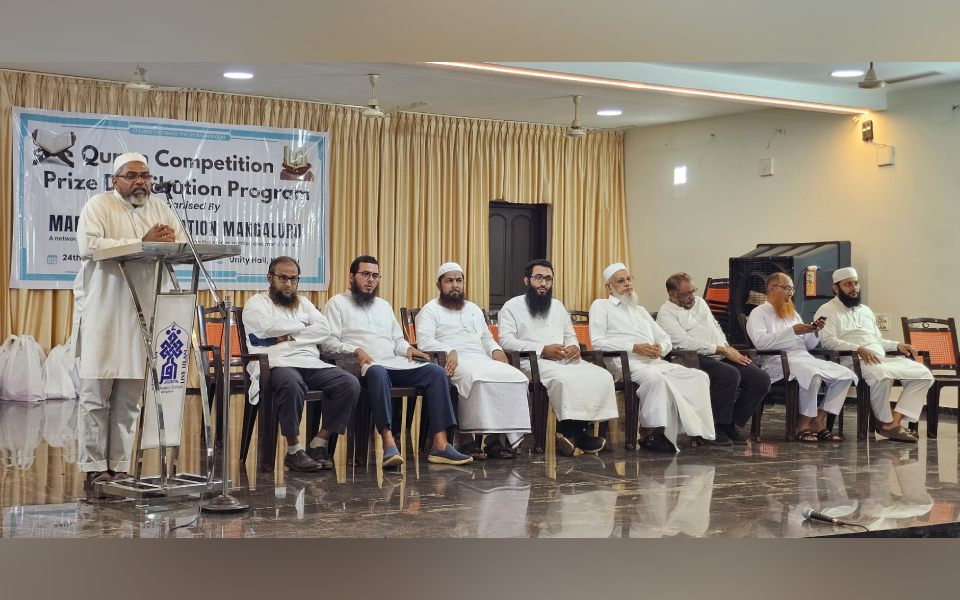
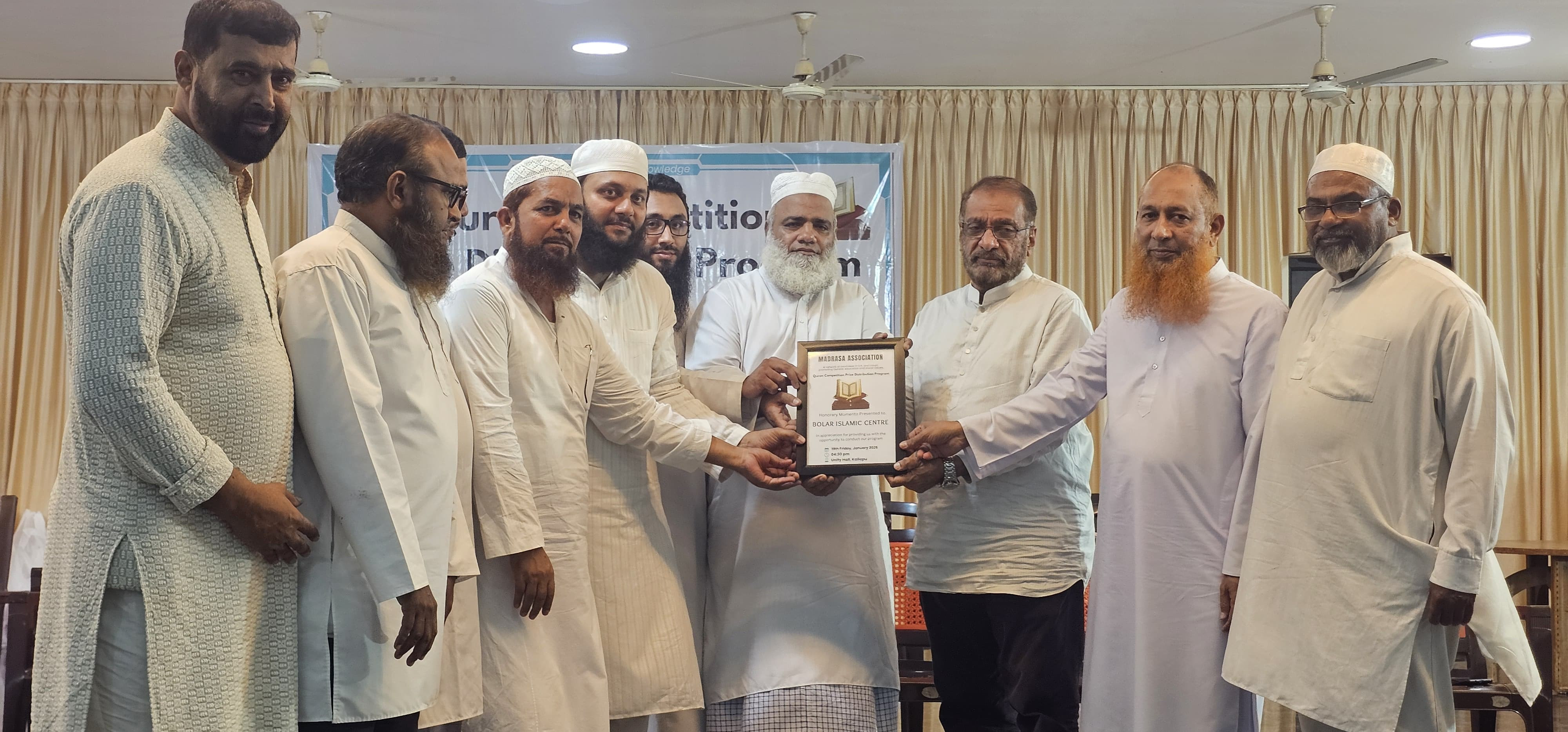
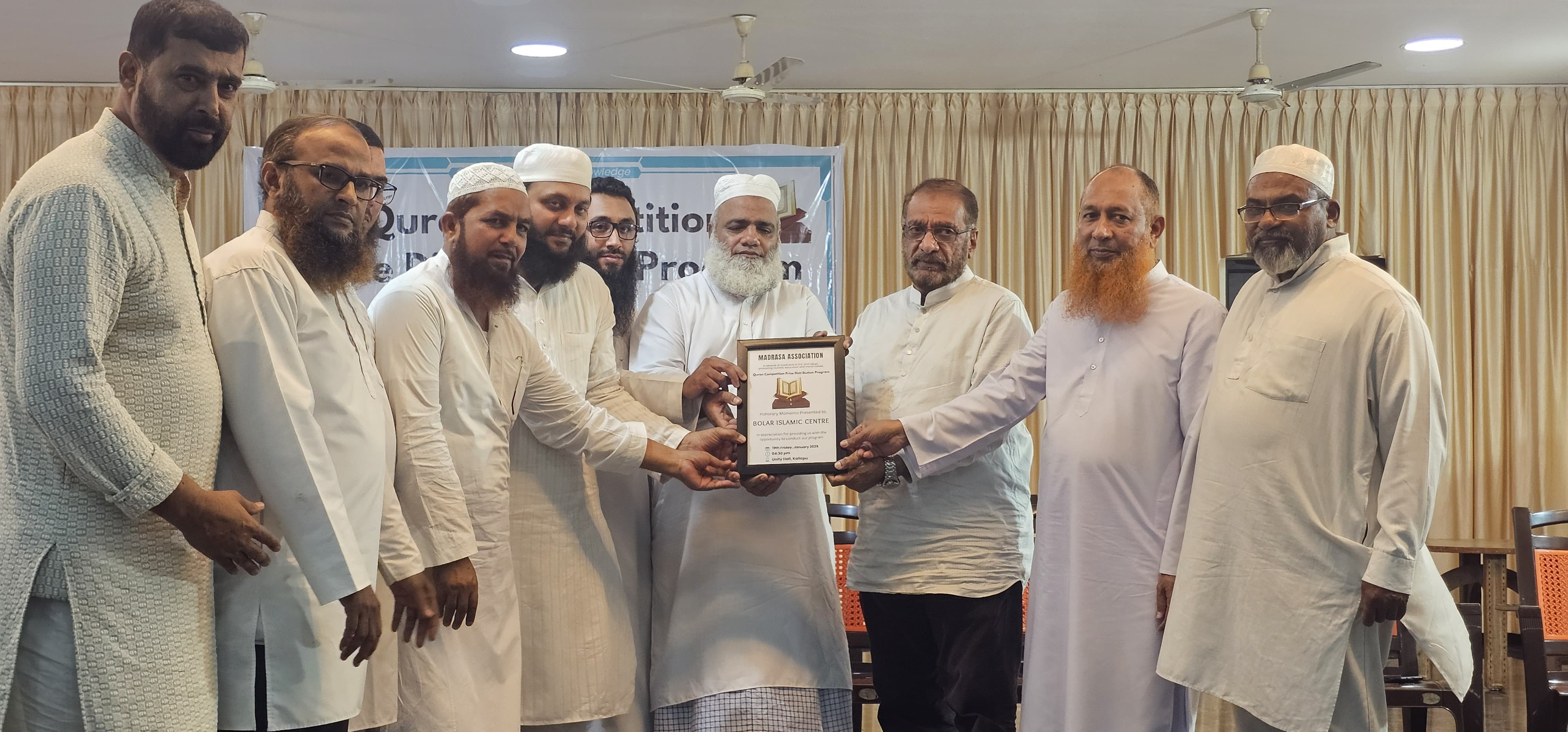
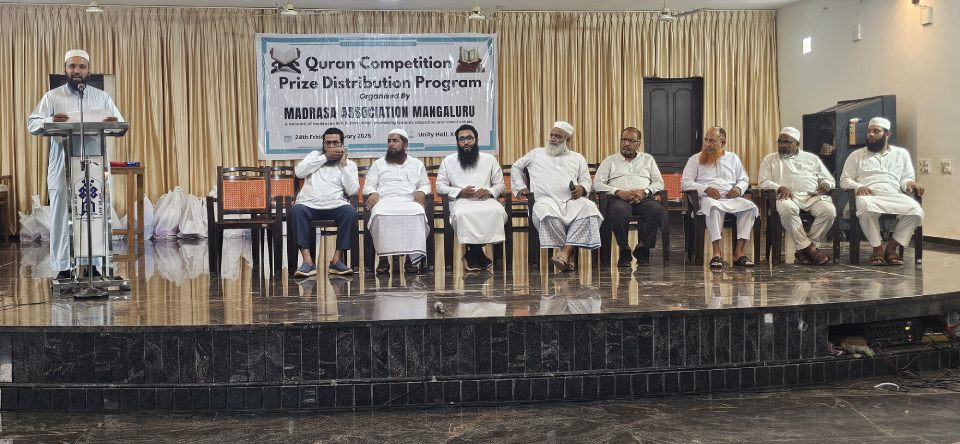
Mangaluru: The Madrasa Association organized a program at Unity Hall, Kallapu, focusing on moral and educational development. Prominent speakers addressed key aspects of Quranic teachings, character building, and parenting.
Chief guest Maulana Yahya Tangal Madani emphasized the importance of moral values and character development. In his inaugural speech, Mohammed Farhan Nadwi outlined the association’s mission to promote Quran recitation and ethical excellence.
Ejaz Swalahi, representing the Karnataka Salafi Association’s Madrasa Wing (KSEB), highlighted the need for such initiatives in shaping well-rounded students. Maulana Nizamuddin, Chief of the Deeniyat Mangaluru Unit, stressed the significance of implementing Quranic teachings in daily life.
Saeed Ismail from Jamat-e-Islami’s Educational Council spoke on instilling respect in children, while Mohammed Haneef Bolanthoor, President of SKSM’s Madrasa Wing SEB, discussed the role of effective parenting.
Maulana Shuaib Husaini Nadwi, Head of Value Education at Hira Institution, explained how applying Quranic values leads to personal and societal prosperity. The event concluded with a presidential address by Maulana Saalim Nadwi, Principal of Iqra Arabic School, who emphasized unity and progress through Quranic teachings.
Among those present were Maroof from Alqalam Institutions, P.B. Abdul Hameed, Vice President of Bolar Islamic Centre, and Faizal Natekal, owner of Unity Hall.
Let the Truth be known. If you read VB and like VB, please be a VB Supporter and Help us deliver the Truth to one and all.
Argument over bike accident leads to murder, triggers mob violence, arson in Ahmedabad; 2 held

Ahmedabad (PTI): A man was killed in a violent altercation triggered by a motorcycle accident in Dhandhuka in Gujarat's Ahmedabad district on Saturday, after which several shops were set on fire, a police official said.
Two men from different communities clashed this afternoon after their motorcycles collided, which intensified when members of one group went to the house of the other individual involved in the accident, he said.
"During the confrontation, Dharmesh Gamara (30) was stabbed in the leg with a knife. He later died due to excessive bleeding. Following his death, tensions flared, and a group of people set ablaze seven to eight roadside shops. Several properties were damaged," Ahmedabad Rural Superintendent of Police Om Prakash Jat said.
Videos circulating on social media showed small shops engulfed in flames, with thick black smoke rising in the area.
Police and fire brigade teams rushed to the scene and brought the situation under control, Jat told PTI.
"The fires have been doused," he said, adding that house-to-house combing and patrolling were underway in the area to identify those involved in the arson.
Two persons identified as Samir and Rizwan have been arrested for alleged involvement in the killing of Gamara, while 15-20 persons have been detained in connection with the arson, police said.