Majlise Islah wa Tanzeem hosts workshop on Cybersecurity, Cyber Laws in Bhatkal

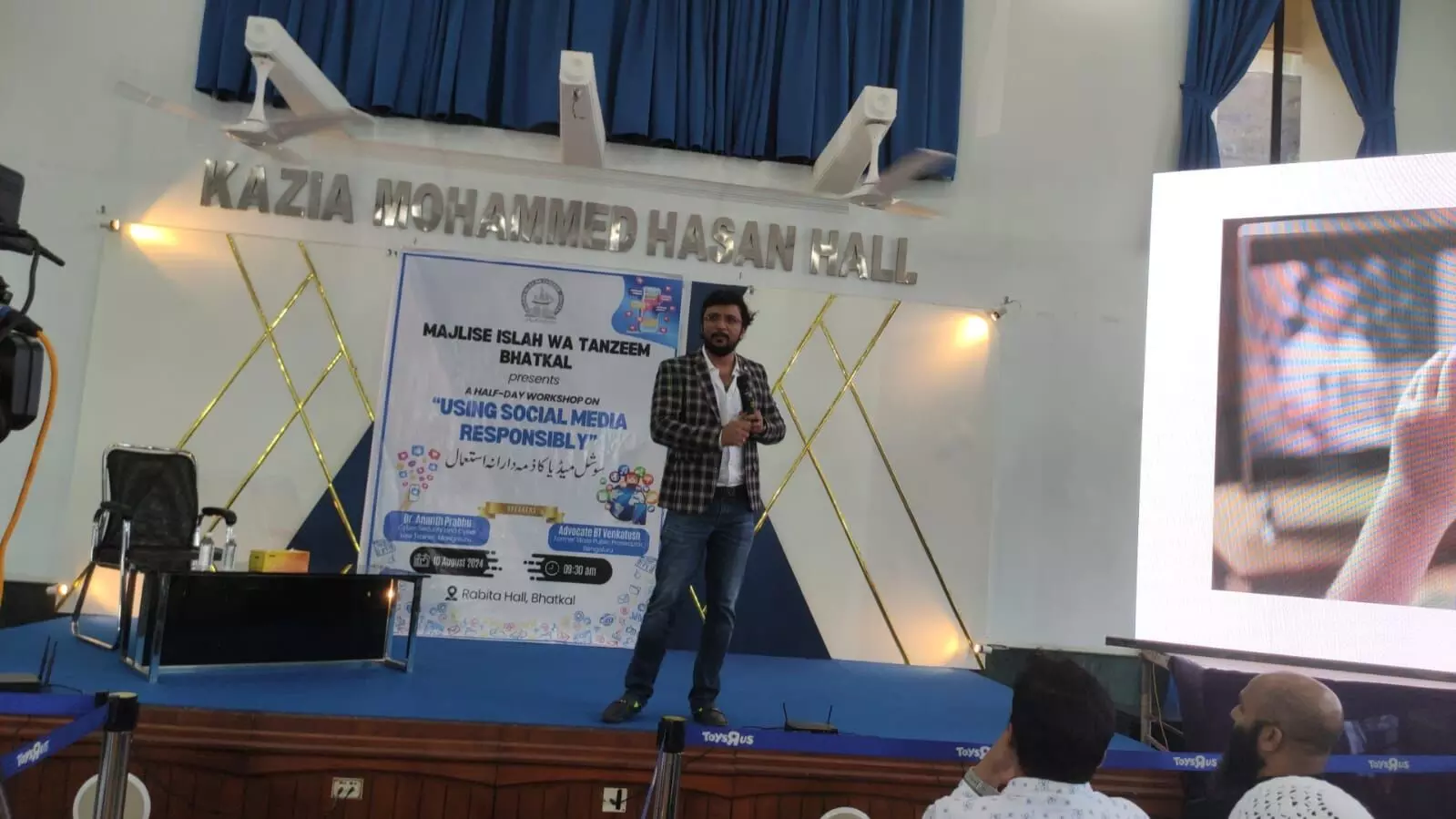
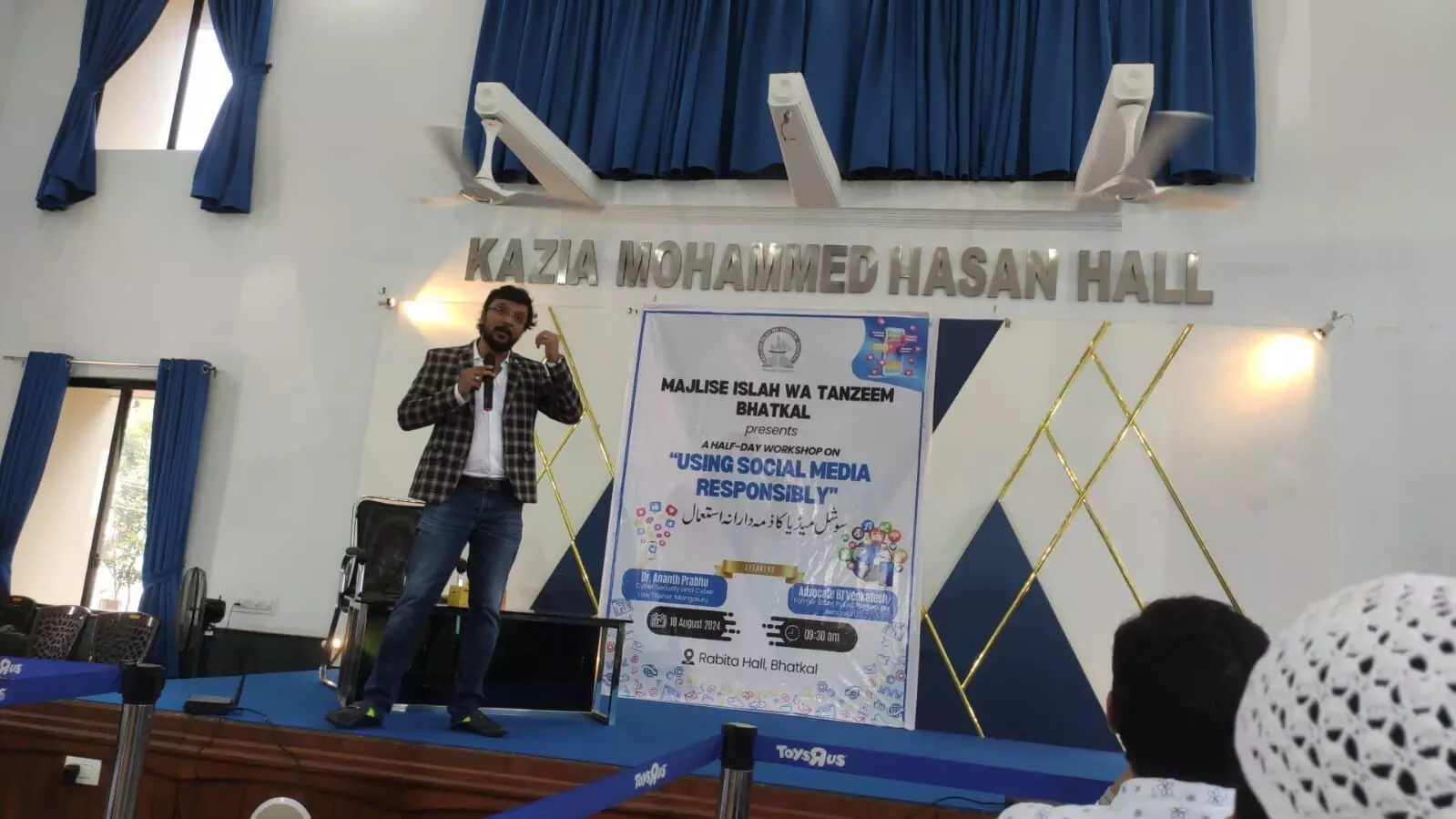
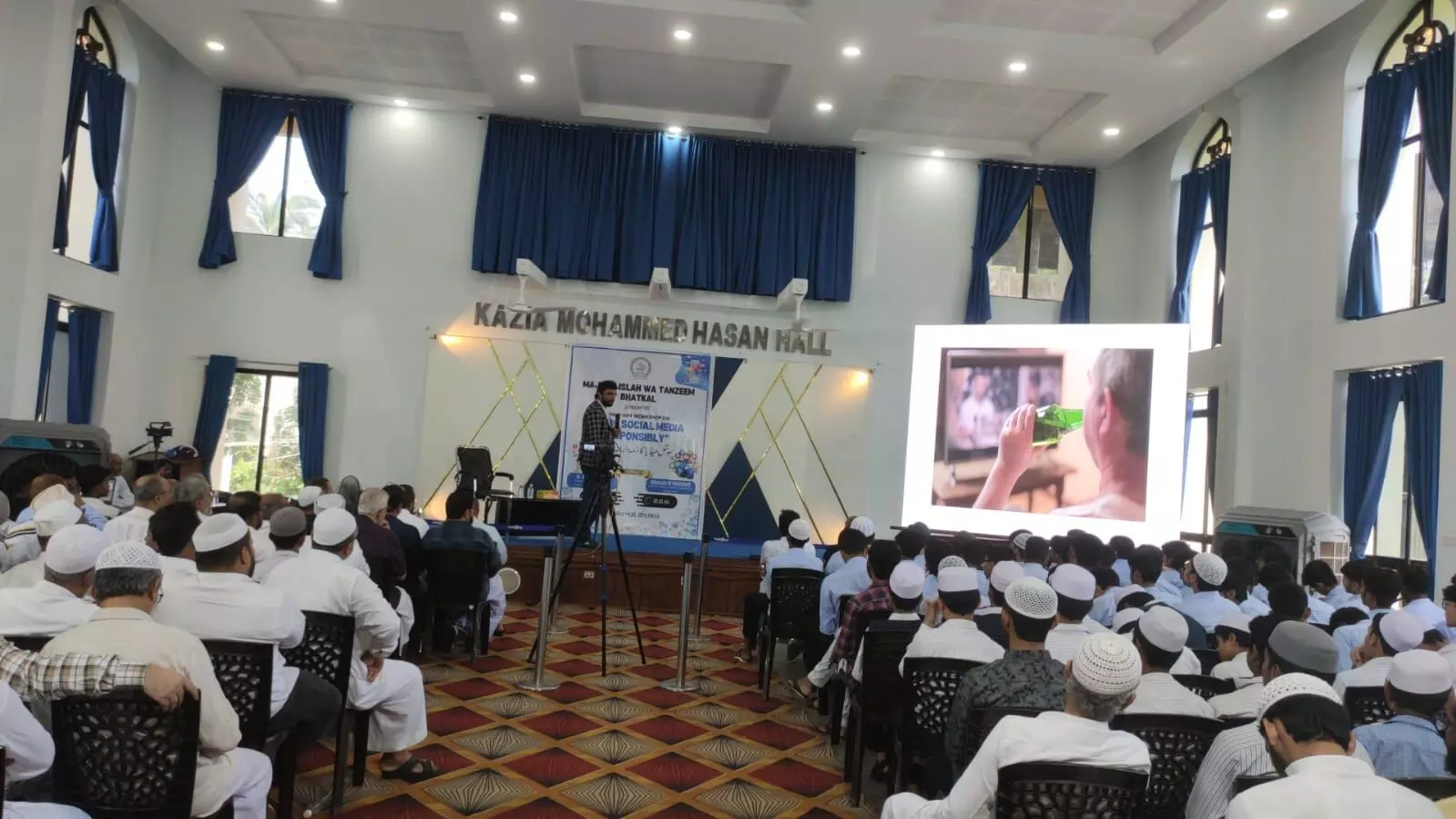
Bhatkal, August 10: The Media Watch Committee of Majlise Islah wa Tanzeem conducted a one-day workshop on cybersecurity and cyber laws at Rabita Hall, Bhatkal.
The event aimed at raising awareness among students, social media influencers, group administrators, and community leaders about the evolving digital landscape and the importance of secure online practices.
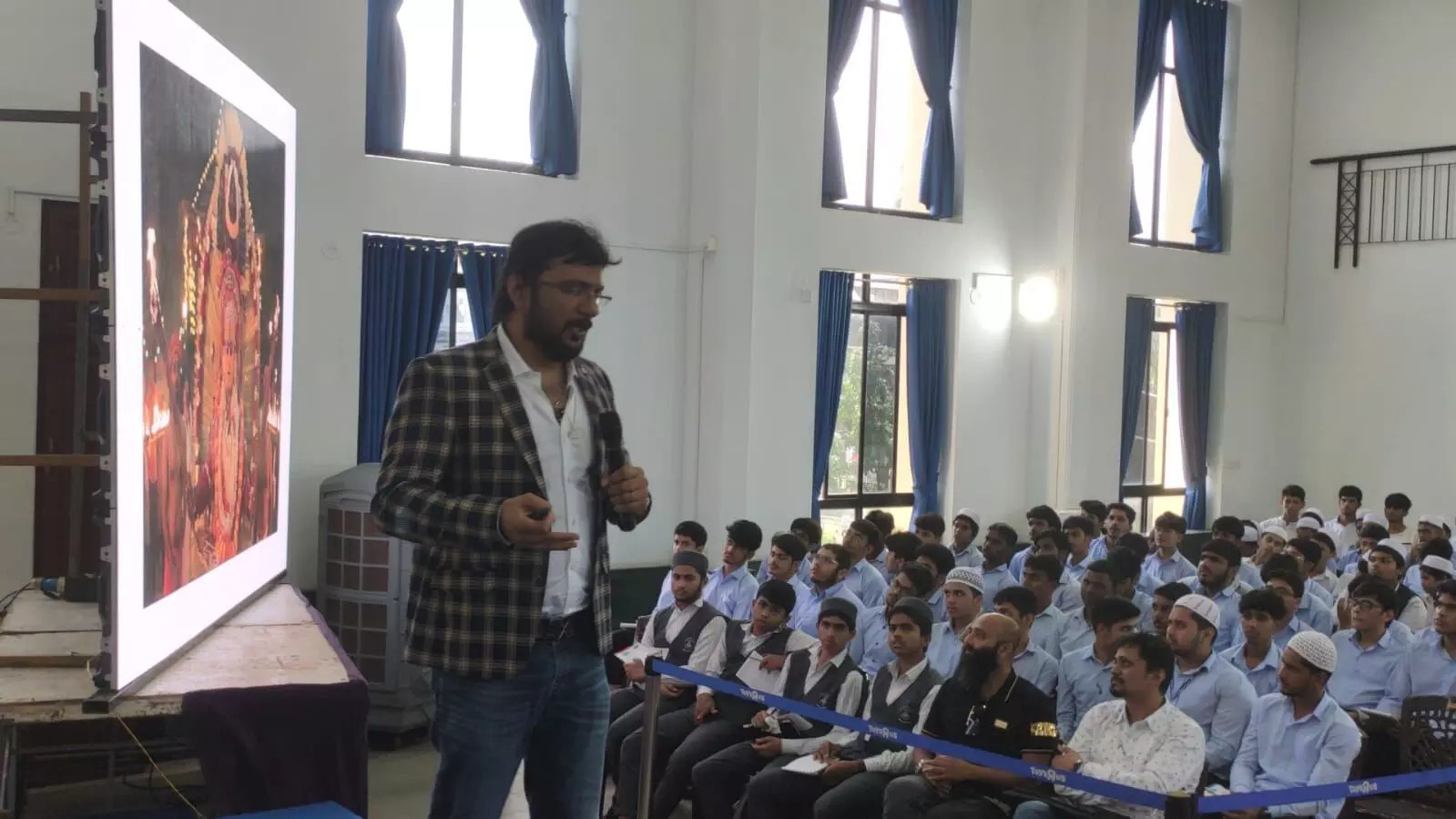
The workshop commenced with a session by Advocate BT Venkatesh, a distinguished human rights defender and former public prosecutor of Karnataka. In his address, Venkatesh explored the multifaceted role of social media in contemporary society. He described social media as a double-edged sword—while it empowers individuals to voice their opinions and connect with broader audiences, it also exposes them to risks such as misinformation, privacy breaches, and cyberbullying. Venkatesh stressed the importance of responsible social media usage, urging the audience to be discerning about the content they consume and share.
He also highlighted how social media can be a powerful educational tool, enabling students to access a wealth of information and learn new skills.
Dr. Anant Prabhu, a leading cybersecurity expert, followed with an in-depth discussion on the critical aspects of cybersecurity and the legal framework surrounding it.
Dr. Prabhu underscored the growing threat of cybercrimes, noting that as technology advances, so do the methods used by cybercriminals. He elaborated on various forms of cybercrimes, such as phishing, identity theft, and hacking, explaining how these threats can impact individuals and organizations alike.
Dr. Prabhu emphasized the need for constant vigilance and proactive measures to protect personal and sensitive information online. He advised the audience to adopt strong passwords, use two-factor authentication, and stay updated on the latest cybersecurity practices. Additionally, he discussed the legal implications of cybercrimes, detailing the laws in place to combat such offenses and protect victims.
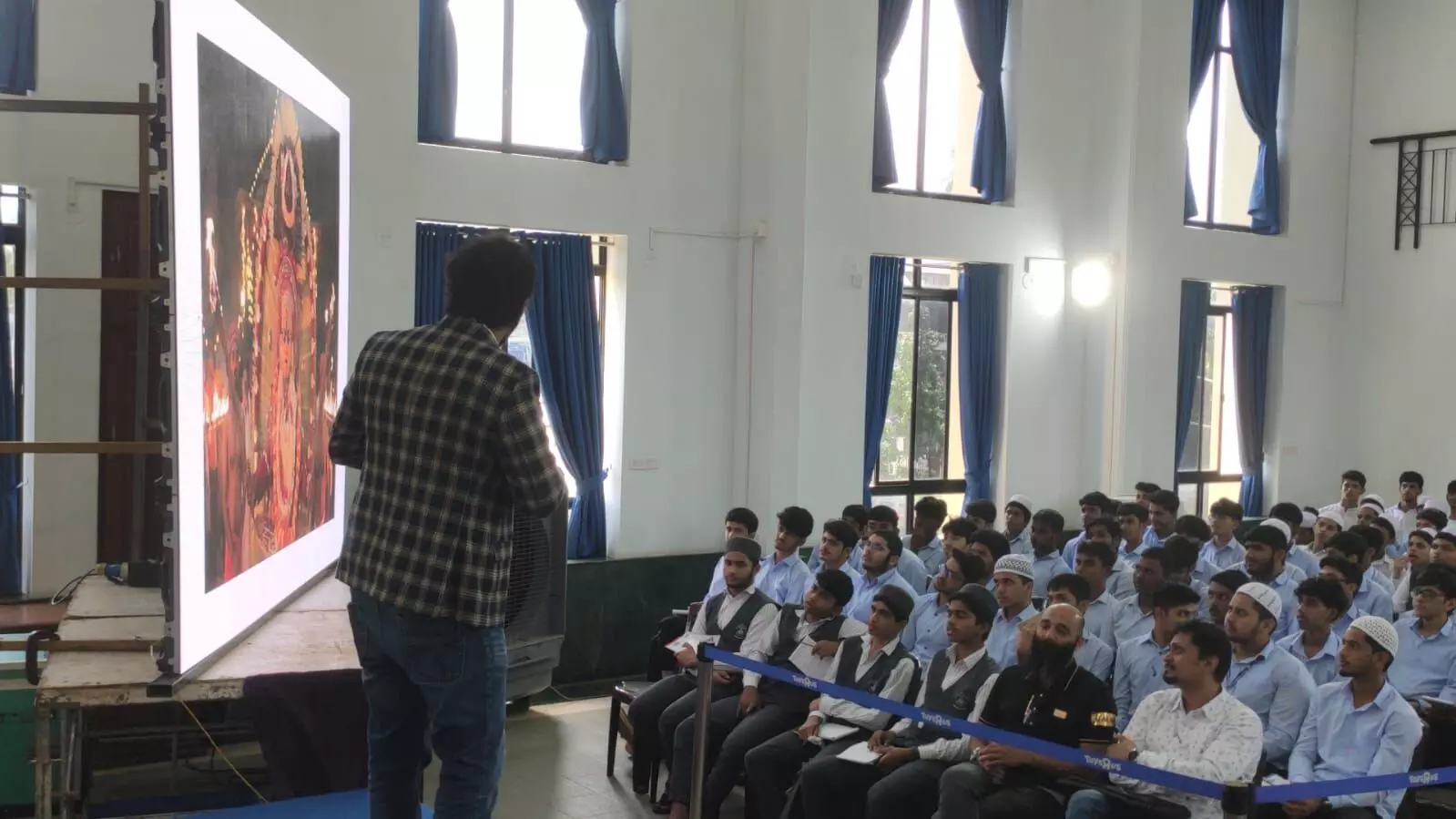
Both resource persons also interacted with the attendees, answering questions and offering personalized advice on how to navigate the digital world safely. They emphasized that while technology offers numerous benefits, it is essential to approach it with a cautious and informed mindset.
The event saw the participation of several notable figures from the community, including Majlise Islah wa Tanzeem President Inayathullah Shabandri, Vice President Ateequr Rahman Muniri, General Secretary Moulana Abdul Raqeeb MJ, and Admin Secretary Jailani Shabandri. The Media Watch Committee's Convener, Aftab Kola, Joint Convener Mubasshir Hallare, and committee member Misbah ul Haq Shaikh were also present. The workshop was further graced by the presence of Yunus Kazia, President of Anjuman Hami-e-Muslimeen and a prominent businessman, as well as Qamar Sada, Vice President of the Indian Overseas Congress and an NRI businessman, among others.
The workshop concluded with an interactive session, where participants engaged in discussions with the experts, seeking guidance on various cybersecurity issues and the ethical use of social media. The event was well-received by the attendees, who appreciated the valuable insights and practical advice provided by the speakers.

Let the Truth be known. If you read VB and like VB, please be a VB Supporter and Help us deliver the Truth to one and all.
Ordinance issued to increase number of Supreme Court judges from 34 to 38
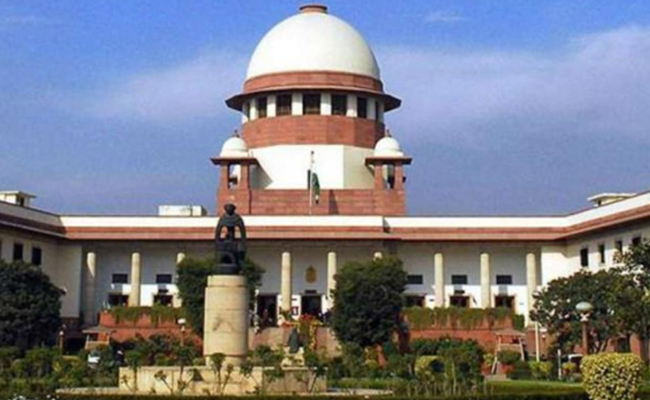
New Delhi (PTI): The government has promulgated an ordinance to increase the strength of the Supreme Court from the present 34 judges to 38, including the Chief Justice of India.
The law ministry notified the ordinance on Saturday, which amended the Supreme Court (Number of Judges) Act, 1956, to increase the sanctioned strength of the top court.
So far, the sanctioned strength of the top court was 34, including the Chief Justice of India (CJI). Now, the number of judges has been increased by four, taking the sanctioned strength to 38.
The top court will now have 37 judges, other than the CJI.
With the apex court having two vacancies at present, and the ordinance coming into force immediately, the Supreme Court Collegium will now have to recommend six names for appointment as judges in the top court.
A bill will be brought in the Monsoon Session of Parliament to convert the ordinance – an executive order – into a law passed by Parliament.
The Union Cabinet had cleared a draft bill on May 5 to increase the number of apex court judges.
The strength of the Supreme Court was last increased from 30 to 33 (excluding the CJI) in 2019.
The Supreme Court (Number of Judges) Act, as originally enacted in 1956, put the maximum number of judges (excluding the CJI) at 10.
This number was increased to 13 by the Supreme Court (Number of Judges), Amendment Act, 1960, and to 17 by another amendment to the law.
The Supreme Court (Number of Judges) Amendment Act, 1986, augmented the strength of judges from 17 to 25, excluding the CJI.
A fresh amendment in 2009 further increased the strength from 25 to 30.
Article 124(3) of the Constitution lists the qualifications required to become a Supreme Court judge.
An Indian citizen who has either served as a high court judge for at least five years, or as an advocate for 10 years, or is a distinguished jurist, can be appointed to the top court.
The strength of the Supreme Court is increased based on the recommendations of the CJI, who writes to the Union law minister. After consulting the finance ministry, the Department of Justice under the law ministry moves the Cabinet with a draft bill.