Major lapse at Udupi COVID hospital: Dead bodies of COVID patients exchanged, family protests
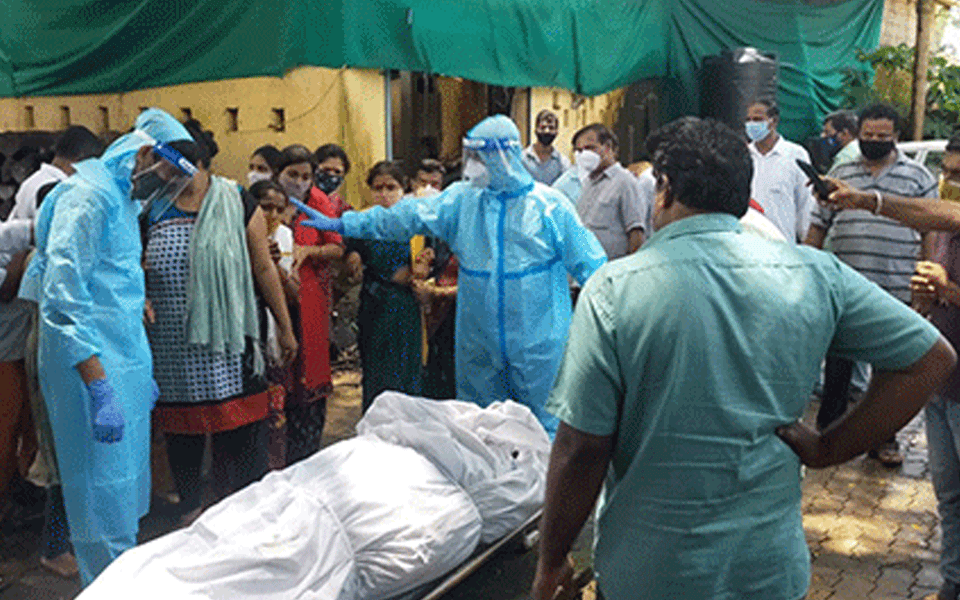
Udupi: In a major lapse by the Udupi COVID-19 hospital, the mortal remains of a patient was handed over to a different family. The incident triggered tension at the Kundapur cremation ground when the family discovered that they were handed over a youngster’s body instead of their 60-year-old family member.
A 60-year-old man from Niramballi near Koteshwar got admitted for treatment of back pain at the Hospital in Kundapur. He later tested positive for Coronavirus on July 30. However, the man died this morning failing to respond to the treatment at the hospital.
The hospital telephoned the son of the deceased about his father's death and informed of doing his funeral. As the family members demanded to perform last rites on their own, the body was packed and then taken to Kundapur cremation ground.
The family of the deceased also urged to see a glimpse of the corpse, five members were allowed to perform final rites wearing PPE kits.
While carrying out the funeral rites the lapse by the hospital came to the light when the packing of the corpse was opened, wherein the mortal remain of a different person was found.
Family members of the deceased and locals protested at the cemetery against the irresponsibility of the hospital and expressed outrage against the authorities.
Later by noon, the elderly man's body was brought to the cemetery and funeral rites were performed.
Let the Truth be known. If you read VB and like VB, please be a VB Supporter and Help us deliver the Truth to one and all.
Congress using hijab issue to pacify minority anger, alleges Karnataka LoP R Ashoka
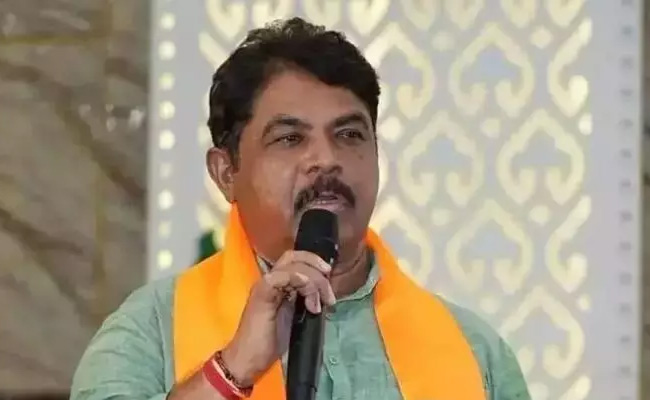
Bengaluru: Leader of Opposition in the Assembly R. Ashoka has accused the Congress government of using the hijab issue to placate what he described as discontent among minority voters after the Davanagere by-election.
In a post on X on Wednesday, Ashoka alleged that the state government, instead of addressing issues such as price rise, corruption, farmers’ distress and law and order, was attempting to retain its minority vote base by reviving the hijab issue.
Referring to the 2022 dress code introduced by the BJP government, which prohibited hijab in schools and colleges, Ashoka said the Karnataka High Court had upheld the policy and emphasised the importance of discipline in educational institutions.
He questioned the Congress government’s move to revisit the issue and asked whether setting aside the court-backed policy to benefit one community could be described as secularism.
Ashoka further alleged that while the government was willing to permit hijab, it continued to prohibit saffron shawls.
He accused the government of dividing students on religious lines rather than treating schools and colleges as spaces of equality.
Drawing a comparison with Mamata Banerjee’s government in West Bengal, Ashoka claimed that excessive appeasement politics had harmed the state and warned that the Congress in Karnataka could face a similar political response.
He said voters in Karnataka would teach the Congress a lesson for what he termed “vote-bank politics” and for compromising constitutional and judicial principles.