Mangaluru: ABVP opposes naming Aloysius College Park after Stan Swamy
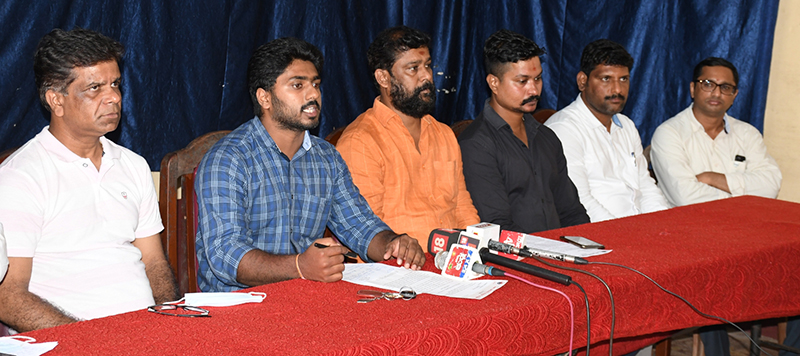
Mangaluru: ABVP Mangalore Division has demanded that the Aloysius College Park must not be named after Stan Swamy and stated, “The Park in the city's St. Aloysius College campus is being named after a fake human rights activist, terrorist, urban-Naxal Stan Swamy. The proposed naming program to be held on the 7th should be cancelled.”
Speaking at the press conference in the city on Wednesday, ABVP’s State Secretary Manikanta said, “It is staggering to see that the religion of Jesus, the pious educator who pledged peace to the world, and the educational institution that hones curiosity has come forward to bear the name of Stan Swami, a replica of cruelty. This poses a challenge to the integrity of the nation. It is questionable that the college, which has been receiving various grants from the central and state governments over the years while accepting privileges from the government, has now come forward to name after Stan Swamy. If they continue to keep the names without cancelling the nomination program, a fight will be undertaken from all the sides of Sangh Parivar”, he warned.
Mangaluru University Syndicate members Ramesh, Ravichandra, Vishwa Hindu Parishad leader Sharan Pumpwell, Hindu Jagarane Vedike leader Kishore Kumar, Bajrang Dal chief Puneet Attavar and ABVP district convener Nishan Alva were present.
Implementation of Costume Code in Temples: VHP leader Sharan Pumpwell has called on the state government to enforce the Costume code following the Kerala model in all temples of Karnataka through the Religious Council.
The garment code is already enforced in all the temples in Kerala. Similarly, this system of dress code must be implemented in all the temples in Karnataka. The Dress Code should be made compulsory for devotees to follow the Code of Righteousness in religious places of worship” said Sharan Pumpwell.
Let the Truth be known. If you read VB and like VB, please be a VB Supporter and Help us deliver the Truth to one and all.
Annpurna Devi expresses anguish over girl's rape in TN, urges NCW to act
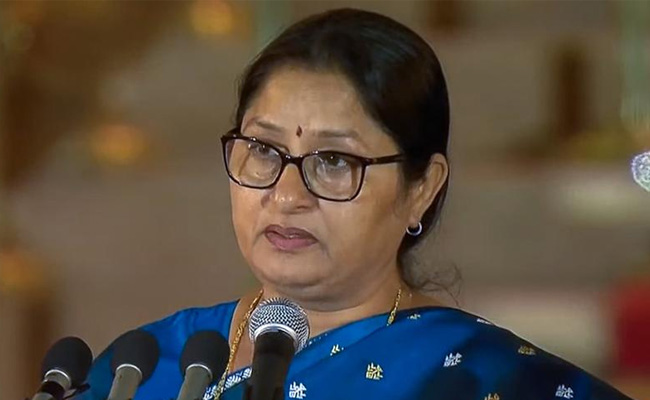
New Delhi (PTI): Union Minister for Women and Child Development Annpurna Devi on Tuesday expressed her anguish over the alleged gang rape of a girl in Tamil Nadu and urged the National Commission for Women to take immediate cognisance of the matter.
In a post on X, Devi said, "Deeply anguished by this horrific incident. I urge the NCW to take immediate cognisance and act swiftly in coordination with the concerned authorities to ensure the strictest action against all culprits."
Devi said, "Justice must be swift and unsparing — the accused must be brought to book without delay," adding, "the safety, dignity, and justice of every daughter of India remain our highest priority."
"We stand firmly with the survivor and her family in this difficult hour," she said.
Reacting to a post by former Tamil Nadu BJP president K Annamalai, who flagged concerns over the law and order situation in the state, Devi said such incidents "expose grave concerns" under the Dravida Munnetra Kazhagam government.
Annamalai, in his post, alleged that a 15-year-old girl from Kanchipuram, who had come to participate in a temple festival near Seyyaru in Tiruvannamalai district, was gangraped.
He said the incident was "deeply shocking and enraging" to him and alleged that such crimes point to a "complete failure" of law and order in Tamil Nadu.
Annamalai demanded immediate arrest of all those involved and the "harshest punishments" for the accused.
He also called for full protection and mental health counselling for the survivor and her family.