Mangaluru: CREDAI writes to DK DC urging him to stop migrant workers from leaving city
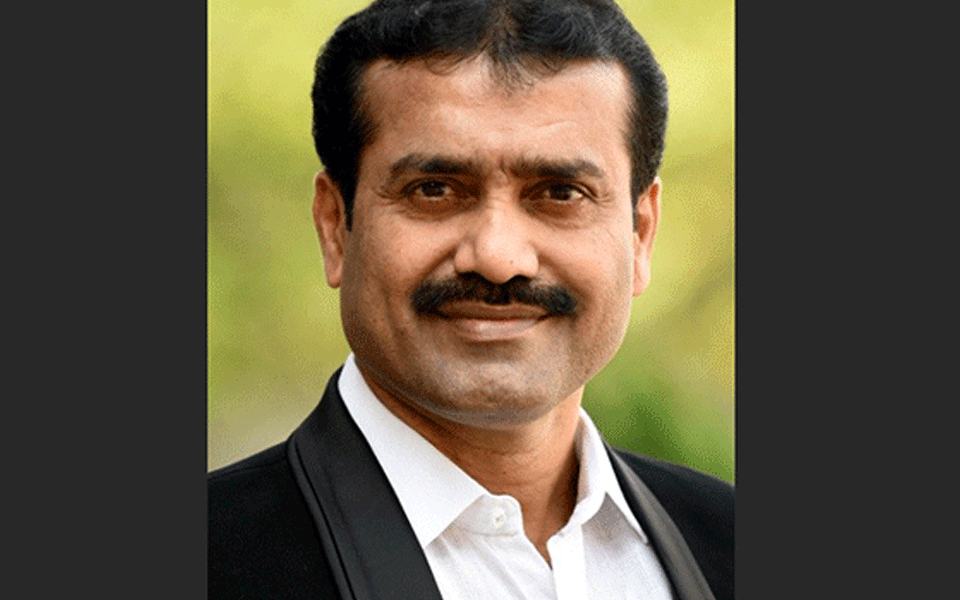
Mangaluru: Pushparaj Jain, the President of CREDAI Mangalore, on Tuesday wrote to the Deputy Commissioner of Dakshina Kannada District seeking assistance in comforting the migrant laborers who he said were leaving the city fearing lockdown amidst the second wave of COVID-19.
In a letter written to the Deputy Commissioner, Pushparaj stated the second wave of the deadly virus has “terrorized people” due to which migrant workers are mulling to leave the city. He urged the district administration to make efforts to retain them and comfort them so that the construction industry doesn’t face a shortage of workers in the coming months.
“The 2nd wave of COVID 19 has terrorized people alike due to which Migrant labors working in the construction sites have started packing their bags to their home towns fearing lockdown in Mangalore. Unless an effort is made by the District Administration and concerned authorities to retain the migrant labors, the city might get dried up causing acute shortage of labors in coming months” he wrote in the letter.
“The above situation will put particularly the construction industry under enormous pressure as projects are time-bound and any delay in completion of projects will attract huge penalties and legal tussle.
“The Project sites are ready to provide not only required medical assistance, food, shelter but also work for the migrant labors till the situation eases” the letter further stated.
The District Administration has to comfort the migrant laborers and need be release an advertisement highlighting the above to fill in confidence, he urged the district administration.
Let the Truth be known. If you read VB and like VB, please be a VB Supporter and Help us deliver the Truth to one and all.
Lebanon appoints new representative for talks with Israel, rejects linkage to Iran
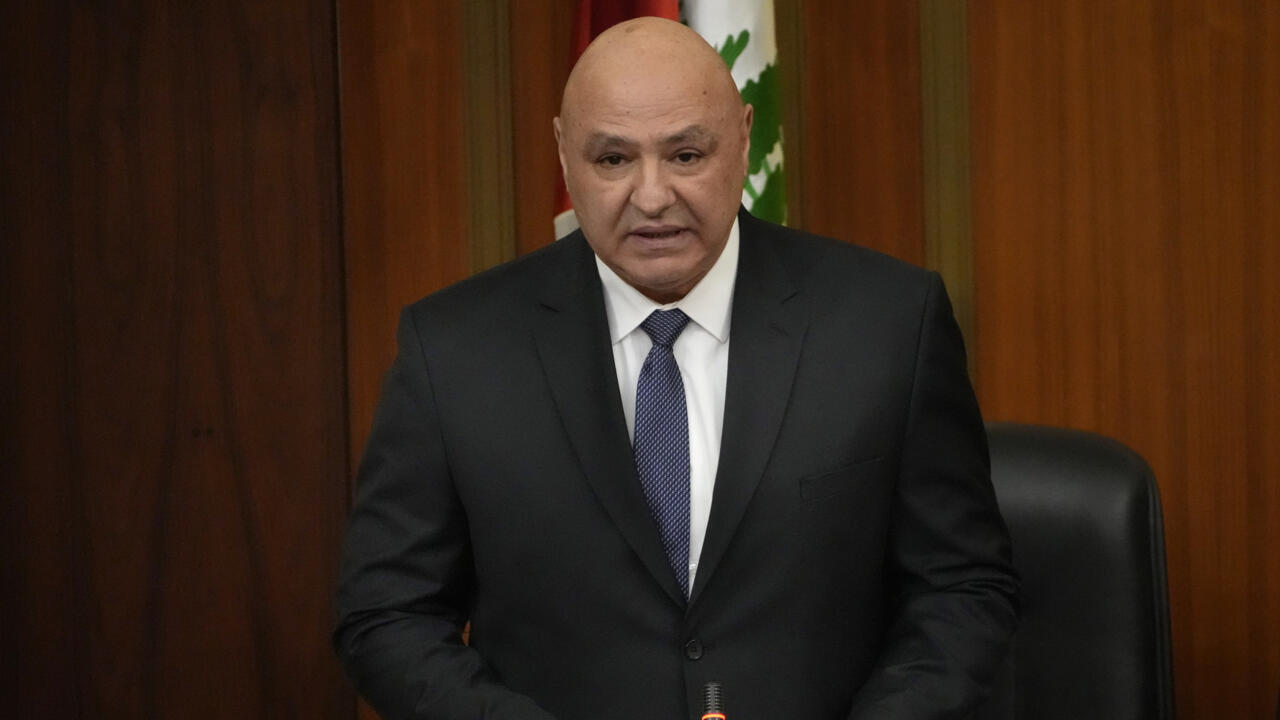
Beirut: Lebanon’s has moved to underline its independent position in ongoing regional developments, amid attempts to link the country to the broader conflict involving Iran, the United States and Israel.
President Joseph Aoun, while announcing the appointment of former US ambassador Simon Karam as Lebanon’s representative in talks with Israel, made it clear that Karam would be the sole representative for Lebanon and that there would be no substitute.
The move comes in response to what the Lebanese officials see as efforts by Iran to tie Lebanon’s situation to the wider regional conflict. Iran had indicated that there would be no ceasefire involving the US, Israel and Iran unless it also included a ceasefire in Lebanon.
Some groups, including Hezbollah and its supporters, had expressed support for linking the situations, citing concerns that the Lebanese government has limited leverage in negotiations with Israel. Lebanon is not formally a party to the conflict, and its army is considered weak.
However, others, including Prime Minister Nawaf Salam, have opposed this approach. They view Iran’s stance as an attempt to influence Lebanon’s internal affairs and see it as undermining the country’s sovereignty.
Officials backing the government’s position say the move is aimed at reaffirming Lebanon’s sovereignty and ensuring that decisions about peace and ceasefire within the country are not dictated externally.
They also see it as a safeguard, so that any breakdown in talks between the US, Israel and Iran does not automatically lead to renewed conflict in Lebanon.