Mangaluru: KCCI seeks relaxations in lockdown after June 7

Mangaluru, Jun 3: The Kanara Chamber of Commerce and Industry (KCCI) has requested the Dakshina Kannada district administration to relax certain lockdown restrictions after June 7 to keep business activities afloat.
In a memorandum submitted to DK district-in-charge Minister Kota Srinivas Poojary, KCCI president Isaac Vas requested the district authorities to permit all commercial establishments to function with a 50 percent workforce.
The KCCI also requested the authorities to permit all industries to function and to revise the present bank timings for the convenience of the general public and the traders.
While considering the lifting of the lockdown, the government may also revise the office timings if required.
The weekend curfew can be imposed for a few more weeks till the total positivity rate and total oxygen bed occupancy are within manageable limits, Vas said in the memorandum.
While appreciating the government's decision for a lockdown considering the gravity of the situation, Vas said the trade and commerce in the region have been hit hard and a few industries are bleeding during the lockdown period.
Dakshina Kannada has seen a drop in Covid cases in recent days and the vaccination drive is also picking up, the memorandum said, seeking further relaxations in the lockdown restrictions.
Let the Truth be known. If you read VB and like VB, please be a VB Supporter and Help us deliver the Truth to one and all.
Lebanon appoints new representative for talks with Israel, rejects linkage to Iran
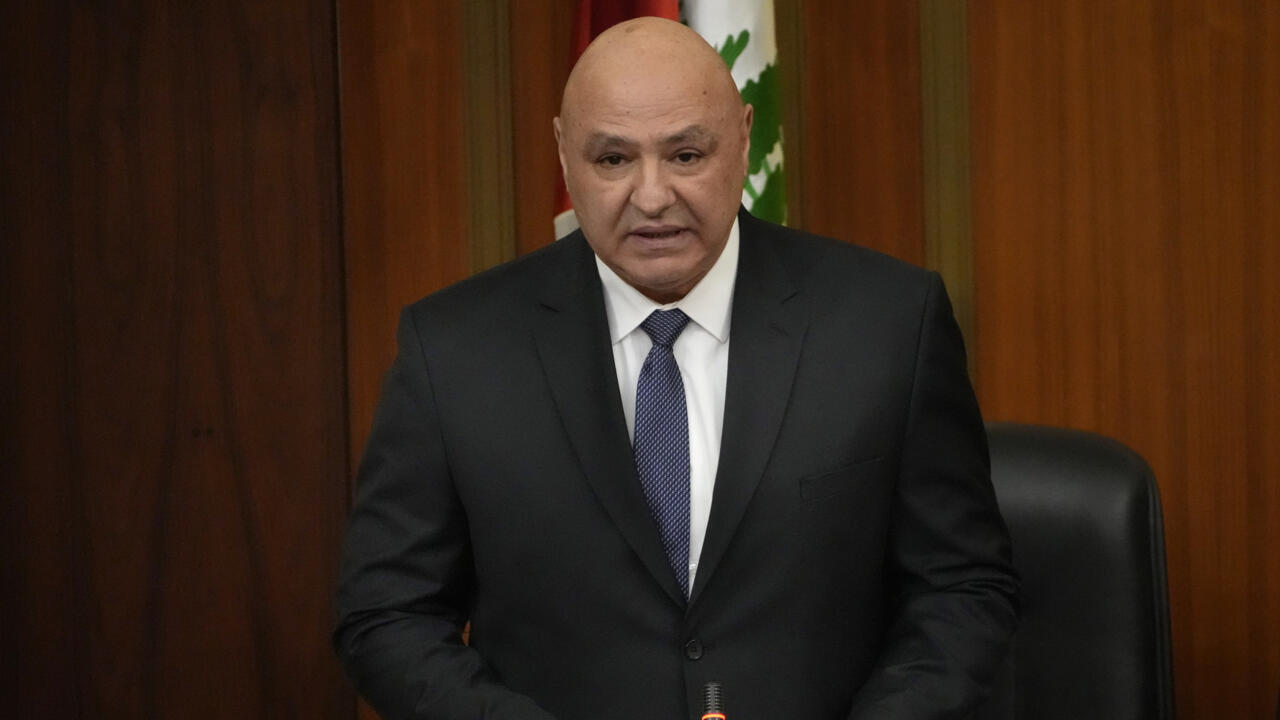
Beirut: Lebanon’s has moved to underline its independent position in ongoing regional developments, amid attempts to link the country to the broader conflict involving Iran, the United States and Israel.
President Joseph Aoun, while announcing the appointment of former US ambassador Simon Karam as Lebanon’s representative in talks with Israel, made it clear that Karam would be the sole representative for Lebanon and that there would be no substitute.
The move comes in response to what the Lebanese officials see as efforts by Iran to tie Lebanon’s situation to the wider regional conflict. Iran had indicated that there would be no ceasefire involving the US, Israel and Iran unless it also included a ceasefire in Lebanon.
Some groups, including Hezbollah and its supporters, had expressed support for linking the situations, citing concerns that the Lebanese government has limited leverage in negotiations with Israel. Lebanon is not formally a party to the conflict, and its army is considered weak.
However, others, including Prime Minister Nawaf Salam, have opposed this approach. They view Iran’s stance as an attempt to influence Lebanon’s internal affairs and see it as undermining the country’s sovereignty.
Officials backing the government’s position say the move is aimed at reaffirming Lebanon’s sovereignty and ensuring that decisions about peace and ceasefire within the country are not dictated externally.
They also see it as a safeguard, so that any breakdown in talks between the US, Israel and Iran does not automatically lead to renewed conflict in Lebanon.