Mangaluru: Mohtisham's ' 'Canopy' bags ACCE(I) MLR Ultra Tech Award 2021
Award is conferred by Association of Consulting Engineers India, Mangalore Centre
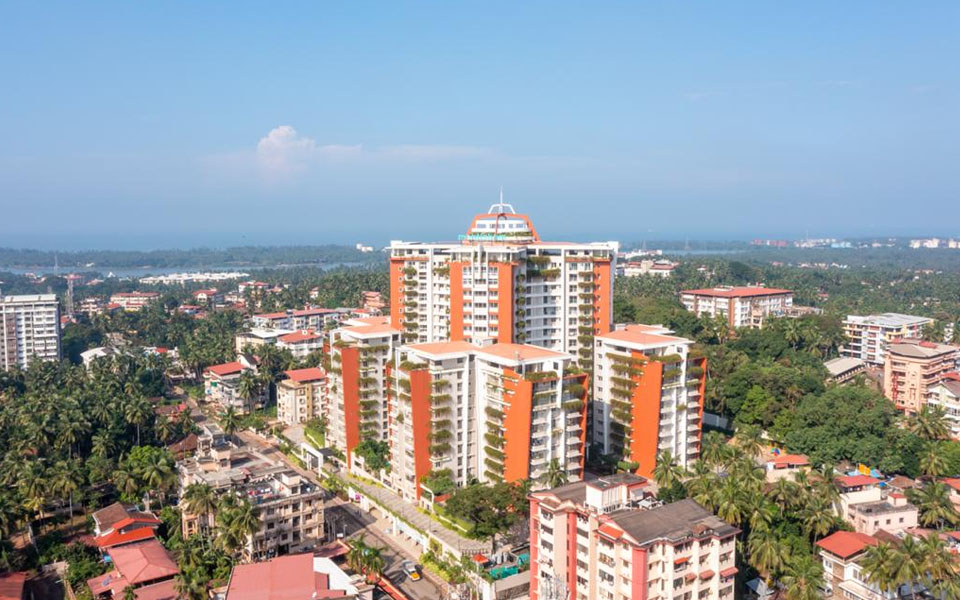
Mangaluru: Mohtisham Complexes Pvt. Ltd., one of the most renowned builders of the city has bagged the prestigious Association of Consulting Engineers India, Mangalore Centre’s Ultra Tech Award 2021 for “Well-built Concrete Structure (Multi-Storey) in Dakshina Kannada, Udupi, Shivamogga, and Chikkamagaluru District” for the year 2021.
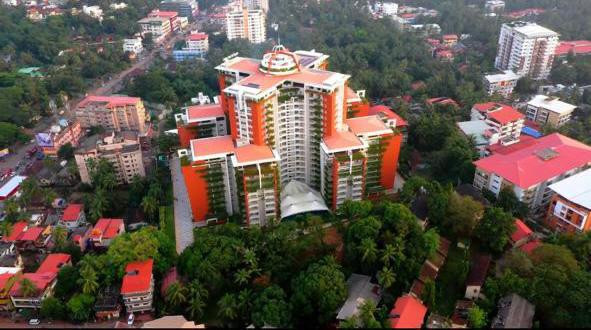
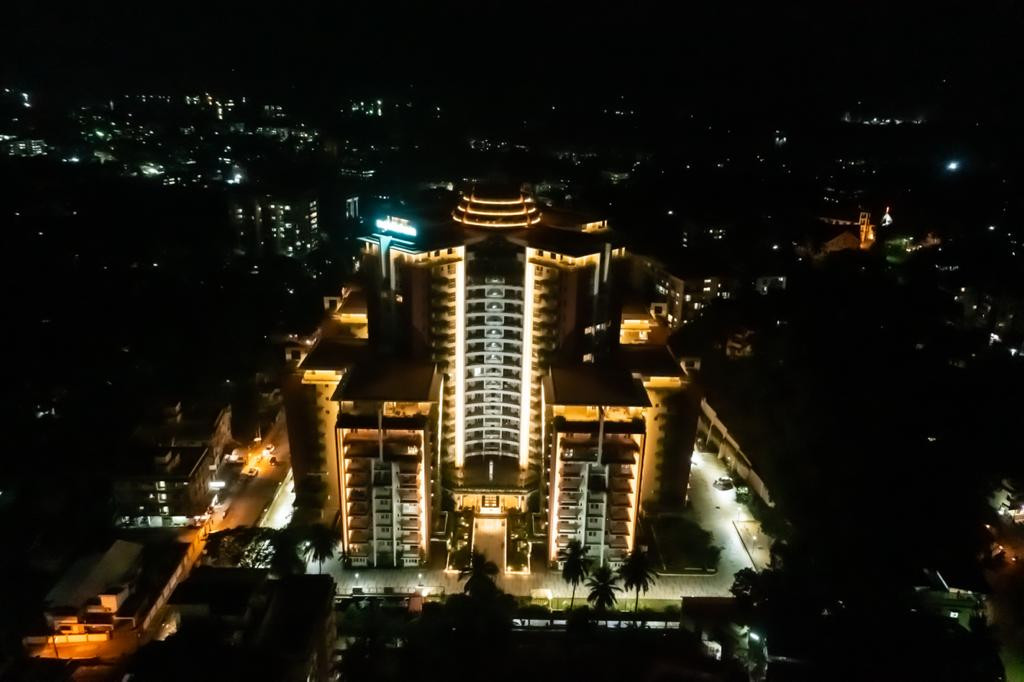
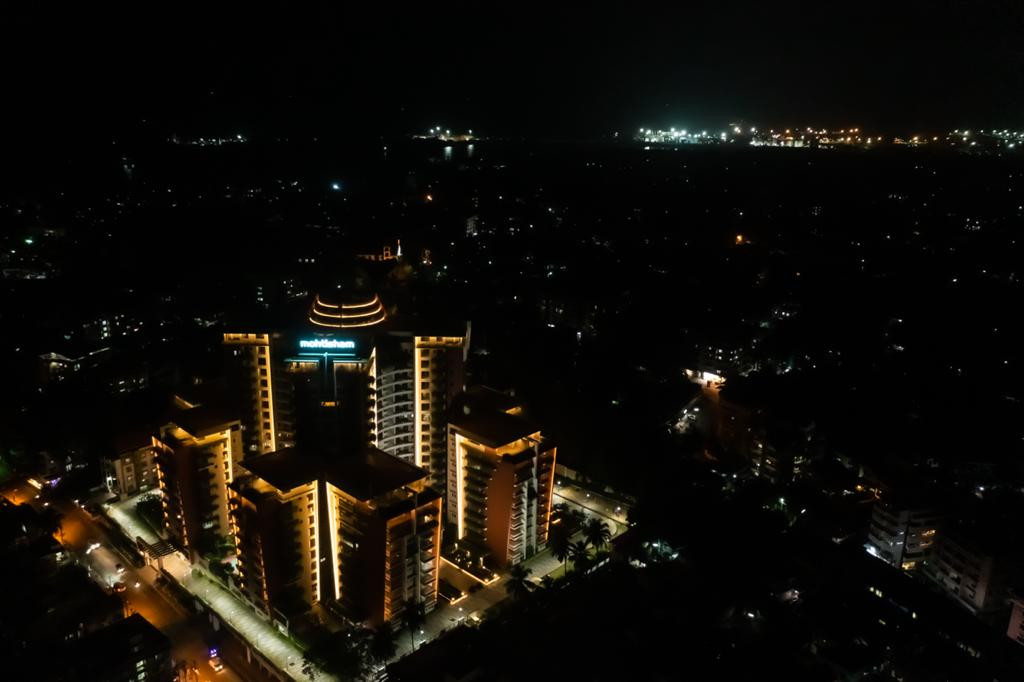
Mohtisham, who have been the pioneer of several prestigious projects in the city has bagged the award for their project “Canopy” located in Urwa in Mangaluru.
The award will be conferred at the “Awards Nite” that will be held on Tuesday 11th January 2022 at the Milagres Church Hall in the city.
S.M.Arshad, Managing Director of Mohtisham Complexes Pvt Ltd. told Vartha Bharati “This award is an acknowledgment of our continuous endeavor to raise the standards & develop the highest quality, ultra-luxury residential projects having world-class infrastructure & amenities for a comprehensive/modern lifestyle in line with our vision to enhance Mangalore’s skyline.”
MOHTISHAM COMPLEXES PVT. LTD which commenced its operation in the year 1990, is the leading property developer in Mangalore with 31 years of experience in building Residential Apartments, Commercial Complexes & Malls. Around 50 properties developed & in the process of development with a total land area of about 50 Acres.
“Every Mohtisham project takes care of the community living provisions required to ensure peaceful co-existence. By undertaking the pre-requisites of collective living, due attention is paid to common facilities and long-term maintenance issues, all this without burdening investors time and again. Innovative practices have ensured that minimum funds are required to be used for maintenance purposes,” an official statement from the company stated.
“Mangalore city today is a picture of the multi-dimensional growth that Mohtisham had envisioned way back in 1990. It is Mohtisham’s unflinching commitment to quality and adherence to standards that has set the benchmark for its performance. This quality consciousness exemplifies all projects of Mohtisham. The iconic City Centre Mall of Mangalore, Ivory Towers Apartments, and now Canopy and Fernhill Apartments stand testimony to our efforts at innovation and quality consciousness,” the company says.
Let the Truth be known. If you read VB and like VB, please be a VB Supporter and Help us deliver the Truth to one and all.
Rahul's exhilarating 152 powers DC to 264/2
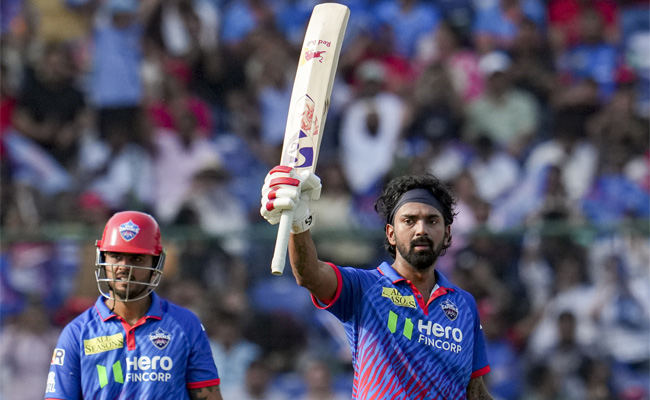
New Delhi (PTI): KL Rahul blended grace with power to script a stroke-filled 152, the third-highest individual IPL score, while Nitish Rana (91) batted with authority as the duo powered hosts Delhi Capitals to a mammoth 264 for 2 against Punjab Kings here on Saturday.
Setting a target for the first time this season, the Capitals came out with clear intent, attacking anything in their arc from the outset.
The home team hit a total of 29 fours and 13 sixes to put on board the highest total of the 2026 IPL season.
Striking at over 200 throughout the 20 overs, Rahul (152 off 67 balls) unfurled a range of classical strokes all around the ground, seamlessly combining timing with aggression to put up the highest-score ever by an Indian in the IPL.
With the knock, he also became only the third player to go beyond 150-run mark after Chris Gayle (175) and Brendon McCullum (158).
Dropped on 18 by Shashank Singh, he made full use of the reprieve, forging a 220-run stand with local boy Rana for the second wicket. It was second biggest stand in IPL history behind 229 set by Virat Kohli and AB de Villiers.
Rana looked completely at ease on his home ground. His 44-ball knock, laced with 11 fours and 4 sixes, provided the perfect foil as the duo kept the scoreboard ticking at a brisk pace.
Rahul set the tone early, striking back-to-back boundaries in the second over before Pathum Nissanka chipped in with a crisp four.
Although Punjab struck an early blow with Nissanka top-edging to the keeper, their bowlers found little respite thereafter. They were also guilty of a few misfields, which only added to their woes.
Rahul and Rana seized control, punishing anything loose and propelling Delhi to 68 for one, DC's best powerplay score of the season before plundering 145 runs in the middle overs.
Rana then shifted gears in spectacular fashion, taking apart Australian pacer Xavier Bartlett in the 12th over for 28 runs.
The left-hander dealt exclusively in boundaries, smashing two sixes and four fours in a sequence of 6,4,4,4,4,6.
At the other end, Rahul was equally ruthless, taking a liking to Vijaykumar Vyshak in the 16th over, from which he plundered three sixes and a four, as Delhi tightened their grip on the contest.