Mangaluru: Move to new office in Padil within a month, ministers tell Dakshina Kannada DC
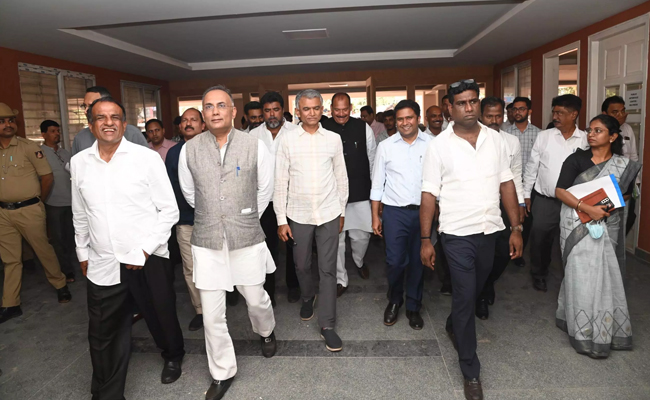
Mangaluru: District In-charge Minister Dinesh Gundu Rao and Revenue Minister directed Deputy Commissioner MP Mullai Muhilan on Sunday to shift to the new office complex of the DC within a month’s time.
The ministers, who were in the city on Sunday for the Republic Day celebrations, visited the new office complex and inspected the construction. They were appreciative of the spacious room and conference hall provided for the offices of the District In-charge Minister, the MP and the new office provided to Speaker and Mangaluru MLA UT Khader.
The minister, however, stressed that it was important that all the officers, starting with the DC, utilize the new facility and shift the offices of their respective departments to the building at Padil.
As DC Muhilan said more funds would be needed to allocate the remaining space for offices of the Enforcement Directorate and other Central government agencies, the Revenue Minister assured that the funds would be provided to meet the requirements of the office complex.
Dinesh Gundu Rao said on the occasion that a master plan was being devised to utilize the heritage building and the old office building of the DC at Hampankatta. The district officers also planned to develop the complex into a museum and cultural centre for people to visit, he added.
MLCs Manjunath Bhandary and Ivan D’Souza, Mangaluru City Corporation Commissioner Ravichandra Nayak and other officers and leaders were present on the occasion.
Let the Truth be known. If you read VB and like VB, please be a VB Supporter and Help us deliver the Truth to one and all.
Argument over bike accident leads to murder, triggers mob violence, arson in Ahmedabad; 2 held

Ahmedabad (PTI): A man was killed in a violent altercation triggered by a motorcycle accident in Dhandhuka in Gujarat's Ahmedabad district on Saturday, after which several shops were set on fire, a police official said.
Two men from different communities clashed this afternoon after their motorcycles collided, which intensified when members of one group went to the house of the other individual involved in the accident, he said.
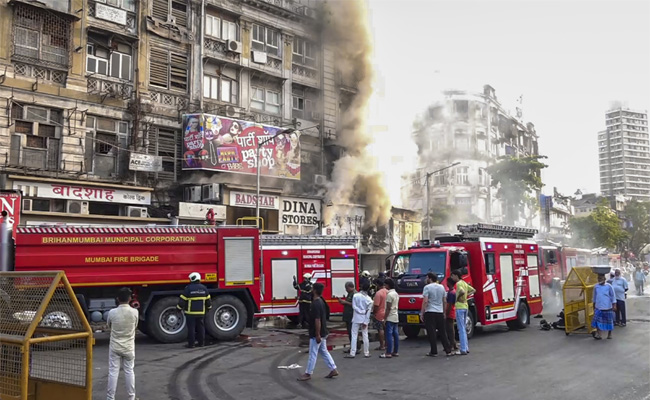
"During the confrontation, Dharmesh Gamara (30) was stabbed in the leg with a knife. He later died due to excessive bleeding. Following his death, tensions flared, and a group of people set ablaze seven to eight roadside shops. Several properties were damaged," Ahmedabad Rural Superintendent of Police Om Prakash Jat said.
Videos circulating on social media showed small shops engulfed in flames, with thick black smoke rising in the area.
Police and fire brigade teams rushed to the scene and brought the situation under control, Jat told PTI.
"The fires have been doused," he said, adding that house-to-house combing and patrolling were underway in the area to identify those involved in the arson.
Two persons identified as Samir and Rizwan have been arrested for alleged involvement in the killing of Gamara, while 15-20 persons have been detained in connection with the arson, police said.