Mangaluru: Prohibitory orders issued in view of NEET exams
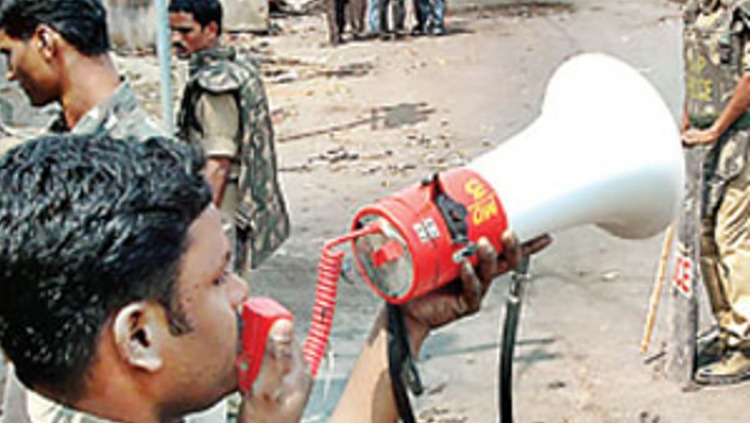
Mangaluru: Prohibitory orders have been issued under the Mangaluru City Police Commissionerate limits in the background of National Eligibility cum Entrance Test (NEET) examinations scheduled to be held on May 5 across 18 examination centers.
The Deputy Commissioner of Law and Order and Special Executive Magistrate Siddhartha Goyal issued the orders, declaring the area around 200 meters of the examination center as prohibitory area to prevent any kind on illegal activities, untoward incidents and to conduct the examination in a transparent and error-free manner.
The order prohibits activities such as assisting in cheating during the exams, writing answers on slips or other materials, and distributing or transmitting prohibited materials within the 200-meter radius around the examination centers.
Additionally, the operation of Xerox shops within this 200-meter radius is prohibited one hour before the starting of the exam and during its duration. The use of electronic communication devices, including mobile phones, telephones, Bluetooth devices, and pagers, is strictly prohibited within the examination center premises.
Let the Truth be known. If you read VB and like VB, please be a VB Supporter and Help us deliver the Truth to one and all.
Congress using hijab issue to pacify minority anger, alleges Karnataka LoP R Ashoka
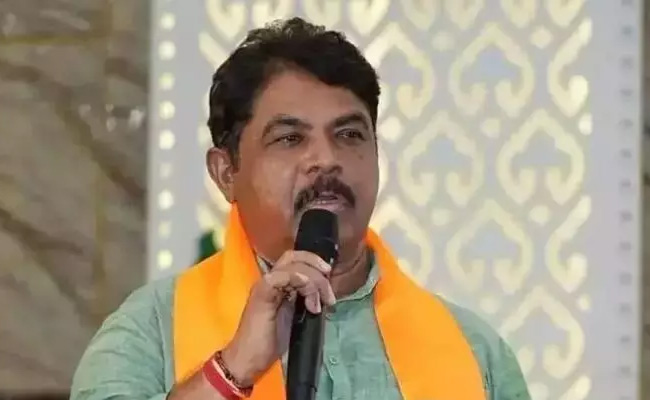
Bengaluru: Leader of Opposition in the Assembly R. Ashoka has accused the Congress government of using the hijab issue to placate what he described as discontent among minority voters after the Davanagere by-election.
In a post on X on Wednesday, Ashoka alleged that the state government, instead of addressing issues such as price rise, corruption, farmers’ distress and law and order, was attempting to retain its minority vote base by reviving the hijab issue.
Referring to the 2022 dress code introduced by the BJP government, which prohibited hijab in schools and colleges, Ashoka said the Karnataka High Court had upheld the policy and emphasised the importance of discipline in educational institutions.
He questioned the Congress government’s move to revisit the issue and asked whether setting aside the court-backed policy to benefit one community could be described as secularism.
Ashoka further alleged that while the government was willing to permit hijab, it continued to prohibit saffron shawls.
He accused the government of dividing students on religious lines rather than treating schools and colleges as spaces of equality.
Drawing a comparison with Mamata Banerjee’s government in West Bengal, Ashoka claimed that excessive appeasement politics had harmed the state and warned that the Congress in Karnataka could face a similar political response.
He said voters in Karnataka would teach the Congress a lesson for what he termed “vote-bank politics” and for compromising constitutional and judicial principles.