Mangaluru: Sharp increase in COVID-19 cases with untraceable source of infection in Dakshina Kannada
District reported 196 new cases, five deaths on Sunday
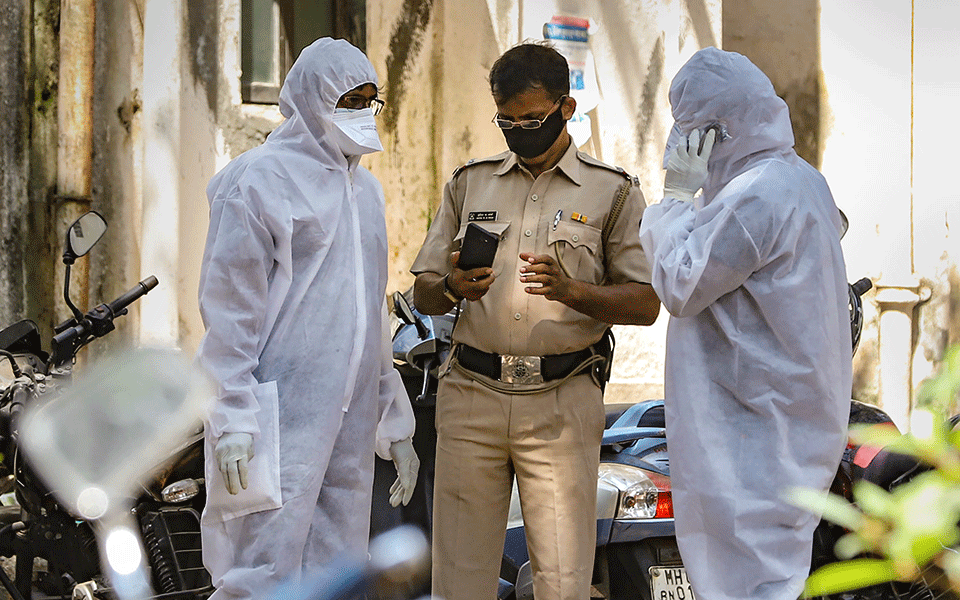
Mangaluru: Dakshina Kannada on Sunday recorded as many as 196 new cases of COVID-19, a record single-day spike in cases in the District. With this, the total number of cases reported in the District so far has gone up to 2,230.
The District also reported 90 patients who recovered from the virus and were discharged from the hospital on Sunday.
Of the infected people, 20 had been in primary-level contact with earlier patients, 91 had an influenza-like illness (ILI), 16 had a severe acute respiratory infection (SARI), and 10 had come to the district from abroad. In addition, the tracing of the source of infection for 57 patients was still being done by the administration.
District Deputy Commissioner, Sindhu B Rupesh while addressing the media added that the infected patients are being treated at both Government COVID Hospital in the city and other private hospitals here.
The district on Sunday witnessed 57 cases whose source of infection is not known yet, this in particular has raised concern for the administration. While, earlier, positive cases were found due to primary-level contact with infected patients or in people returning from other places, the district in the last few days has witnessed a sharp spike in cases with untraceable sources of transmission of the virus.
Let the Truth be known. If you read VB and like VB, please be a VB Supporter and Help us deliver the Truth to one and all.
Two people killed as poultry vehicle rams into parked truck in Belagavi
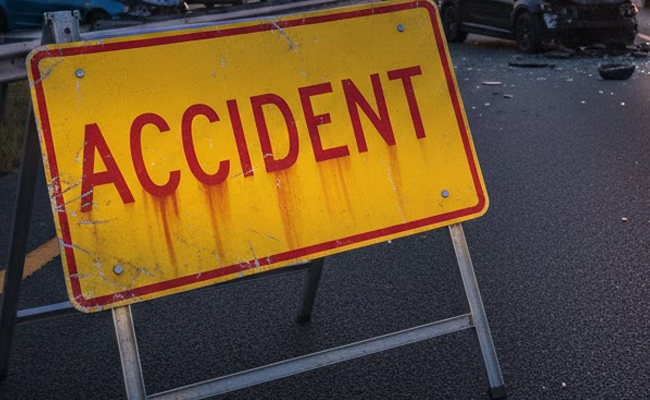
Belagavi (Karnataka) (PTI): Two people were killed, and another was severely injured after a goods vehicle transporting poultry birds allegedly rammed into a stationary truck on a national highway in Belagavi in the early hours of Tuesday, police said.
The deceased have been identified as Wasim (28) and Mubarak (22), both natives of Shivamogga district, they said.
The driver of the vehicle, Basavaraj Eerappa Hanchinamani (37), suffered critical injuries and has been admitted to a hospital, police said.
According to police, the accident occurred when the driver reportedly lost control of the vehicle, allegedly due to drowsiness, and crashed into a truck parked along the highway.
The goods vehicle was en route from Kolhapur to Sorab in Shivamogga district, carrying poultry. Several chickens were also killed in the impact, a senior police officer said.
Police personnel from the Hirebagewadi Police Station visited the spot and conducted an inspection.
Injured people and the bodies of the deceased were shifted to a hospital, police added.