Mangaluru: Two die, three survive, three missing in tug boat mishap
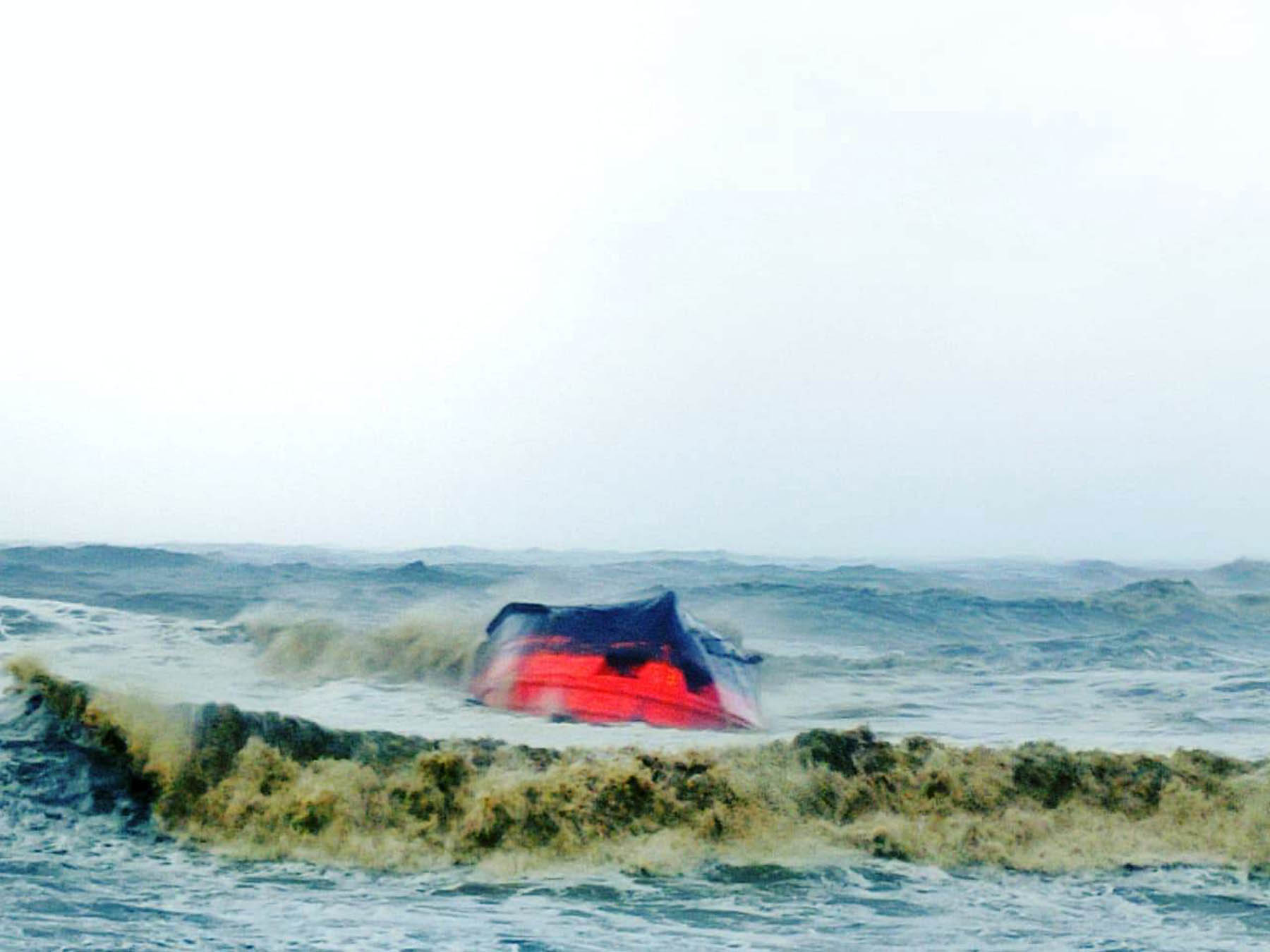
Mangaluru, May 16: Two persons have died and three crew members have gone missing in the tug boat-capsize in the sea, said Mangalore Refinery and Petrochemicals Limited (MRPL) on Sunday.
The boat 'Alliance' capsized on Saturday.
Three people out of eight on board the boat have reached the shore and been put under the care of the authorities, said general manager (corporate communications) of MRPL, which had contracted the boat, Rudolph Noronha said in a statement.
Also, he clarified that another tug vessel Coromandel, which came under distress off the Kaup coast in Udupi district also on Saturday, does not belong to MRPL and it does not have any contract with the company.
Alliance belonged to Underwater Service Company Limited.
The company assists us under a contract to facilitate SPM (single- point mooring) operations whenever our crude cargo comes there through ships. On Friday, it had unloaded the cargo from one such ship and was supposed to return by the end of the day.
However, it started to move towards the port after due clearance on Saturday and underwent distress, the statement said.
MRPL has received information that there were eight people on board at the time of the mishap.
While three have survived by reaching shore, two have died and their bodies been recovered, the statement said.
The remaining three crew members are missing and details of communication with port and rescue operations shall be updated, Noronha said in the statement.
We are pained to inform that, one TUG vessel named Alliance, which belongs to M/s Underwater services company Ltd, with 9 of their men on board had faced distress today. This company assists us in Cargo unloading near our SPM and functions in coordination with port.
— MRPL-ONGC (@MRPL_CC) May 15, 2021
MRPL
Let the Truth be known. If you read VB and like VB, please be a VB Supporter and Help us deliver the Truth to one and all.
Lebanon appoints new representative for talks with Israel, rejects linkage to Iran
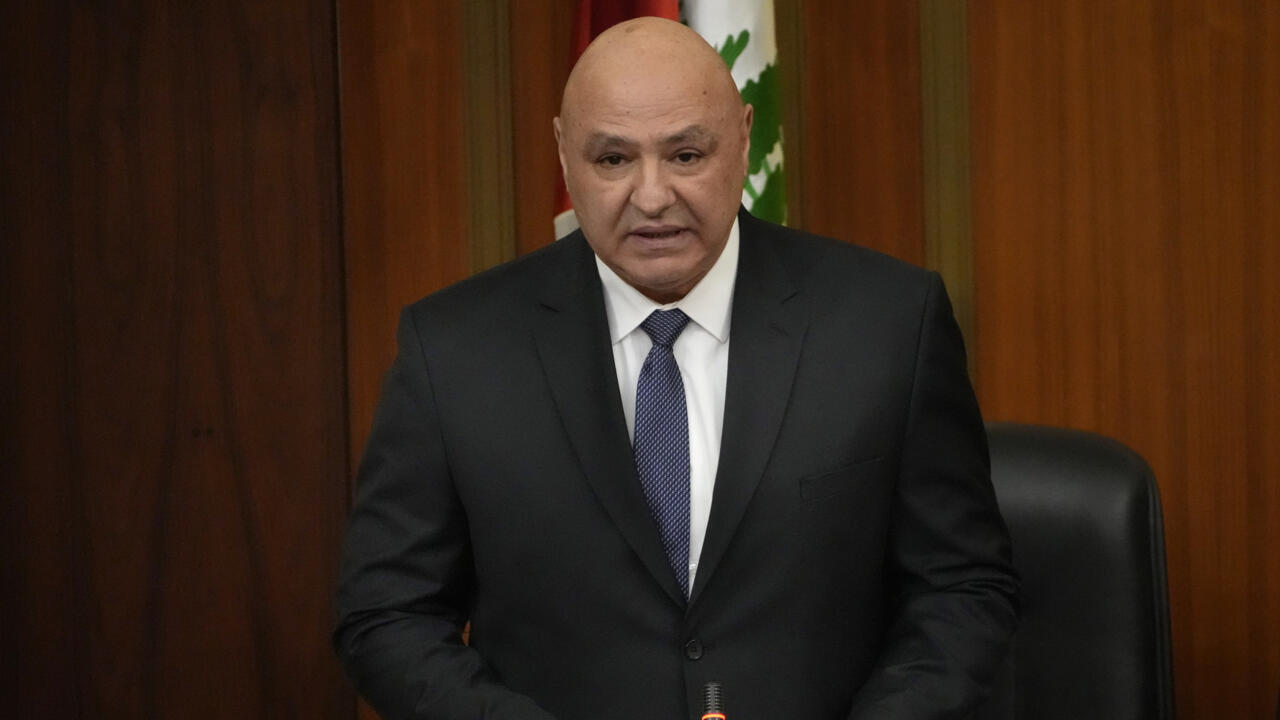
Beirut: Lebanon’s has moved to underline its independent position in ongoing regional developments, amid attempts to link the country to the broader conflict involving Iran, the United States and Israel.
President Joseph Aoun, while announcing the appointment of former US ambassador Simon Karam as Lebanon’s representative in talks with Israel, made it clear that Karam would be the sole representative for Lebanon and that there would be no substitute.
The move comes in response to what the Lebanese officials see as efforts by Iran to tie Lebanon’s situation to the wider regional conflict. Iran had indicated that there would be no ceasefire involving the US, Israel and Iran unless it also included a ceasefire in Lebanon.
Some groups, including Hezbollah and its supporters, had expressed support for linking the situations, citing concerns that the Lebanese government has limited leverage in negotiations with Israel. Lebanon is not formally a party to the conflict, and its army is considered weak.
However, others, including Prime Minister Nawaf Salam, have opposed this approach. They view Iran’s stance as an attempt to influence Lebanon’s internal affairs and see it as undermining the country’s sovereignty.
Officials backing the government’s position say the move is aimed at reaffirming Lebanon’s sovereignty and ensuring that decisions about peace and ceasefire within the country are not dictated externally.
They also see it as a safeguard, so that any breakdown in talks between the US, Israel and Iran does not automatically lead to renewed conflict in Lebanon.