Mangaluru woman lodges complaint against husband for theft of gold from cupboard at home

Mangaluru: A woman residing in KPT Vyasanagar has lodged a formal police complaint against her husband, alleging the theft of a substantial amount of gold jewelry that she had meticulously stored in her home cupboard. The complainant, Renisha Noronha, has accused her husband, Mohammad Ilias, of being involved in the alleged theft.
Renisha Noronha, who resides in an apartment with her husband and their son, revealed that she had entrusted her gold jewelry to the cupboard locker at their residence. The stolen jewelry, amounting to 75 pawns of gold, encompassed a variety of pieces. These included 25 pawns of wedding gifts from her parents, 20 pawns gifted by her parents, an additional five pawns she had acquired herself, and a final set of 25 pawns bestowed by her in-laws. Renisha underscored that the knowledge of this cache of gold was shared exclusively between her and her husband.
ALSO READ: 45-day-old girl dies in Belthangady hospital, family allege medical negligence
The situation took a turn in April when a disagreement led Renisha to temporarily move to her mother's residence. Upon her return to their apartment a month later, she discovered her husband's week-long absence. This raised suspicions, prompting her to examine the cupboard locker, revealing the shocking disappearance of her gold holdings.
Efforts to contact Ilias bore no fruit until he finally responded to her calls three days later. He openly admitted to taking the gold and subsequently divulged his actions. Renisha claims Ilias had challenged her and even stated that he had pledged the gold at a bank for a sum of Rs 28.5 lakh. Moreover, Ilias confessed to enlisting an accomplice named Prabhakar who helped manage the gold transaction. Reportedly, Prabhakar arranged for the melted gold worth Rs 12 lakh to be sold.
Renisha Noronha's formal complaint, lodged with the Kadri Police, targets both her husband Ilias and his associate Prabhakar.
Let the Truth be known. If you read VB and like VB, please be a VB Supporter and Help us deliver the Truth to one and all.
Trump says he ‘hasn’t even thought about’ continuing Iran ceasefire
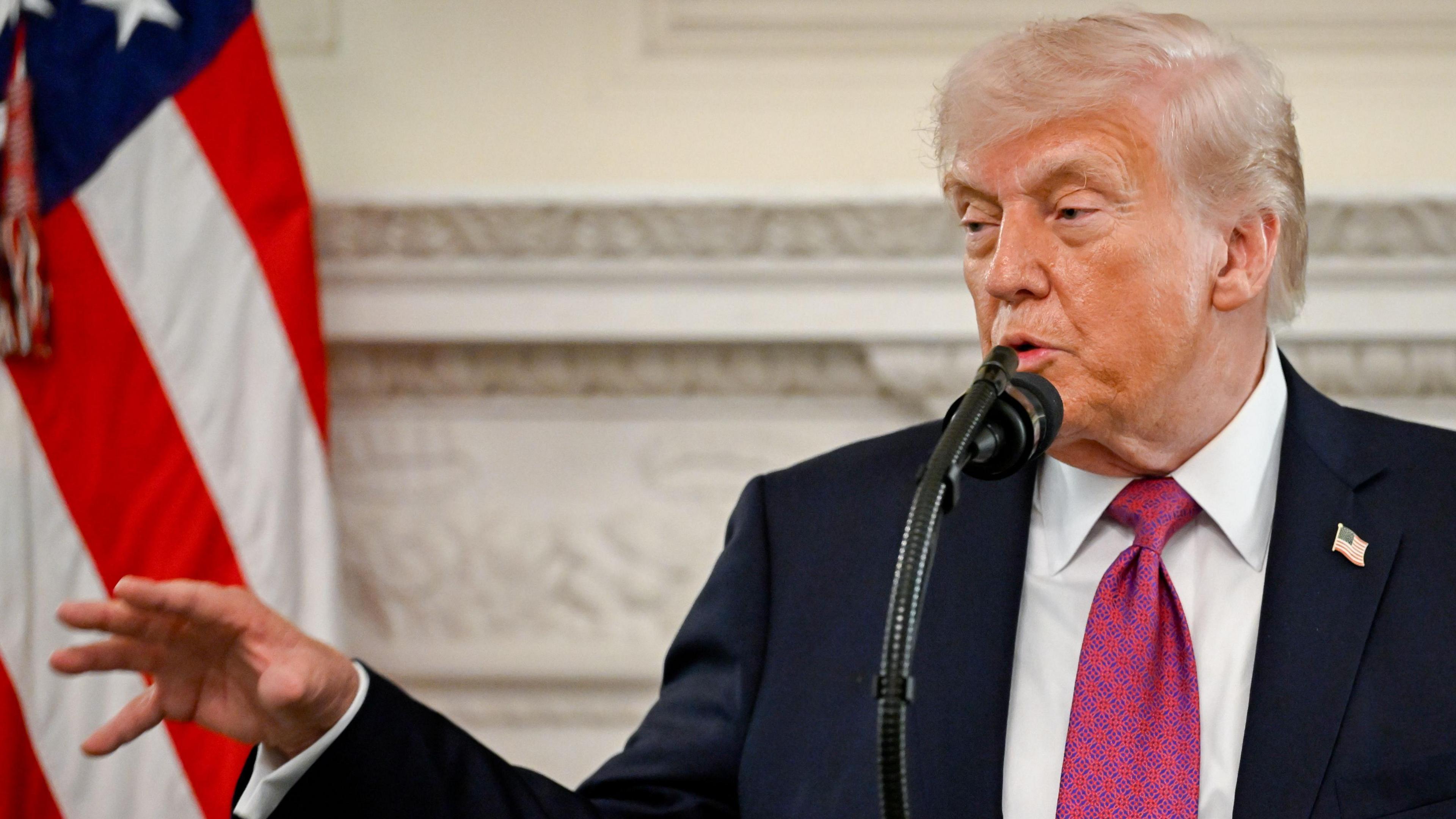
Washington: US President Donald Trump has said he has not yet considered whether he would continue the ceasefire involving Iran, while also claiming the United States holds the advantage in negotiations.
Speaking to reporters, Trump said he was prepared to make a deal with “whoever is running the show” in Iran.
“They are fighting with each other, there’s tremendous infighting. They’re probably fighting for leadership in many cases. I think they’re fighting not to be leader because we knocked out two levels of leaders,” he said.
Trump added, “When they want they can call me. We have all the cards, we’ve won everything.”
Referring to ongoing negotiations, he said, “They gave us a paper that should’ve been better. And, interestingly, immediately when I cancelled it [envoy trip to Pakistan], within 10 minutes we got a new paper that was much better.”
“We talked about they will not have a nuclear weapon, very simple … They offered a lot, but not enough,” he added.
When asked whether he would continue the ceasefire, Trump replied, “I haven’t even thought about it.”
The remarks come as uncertainty remains over the future of the temporary truce and broader negotiations between Washington and Tehran.