Mangaluru: Yenepoya PU College wins "INFERN 2022" football tournament at Bearys Arena Ground
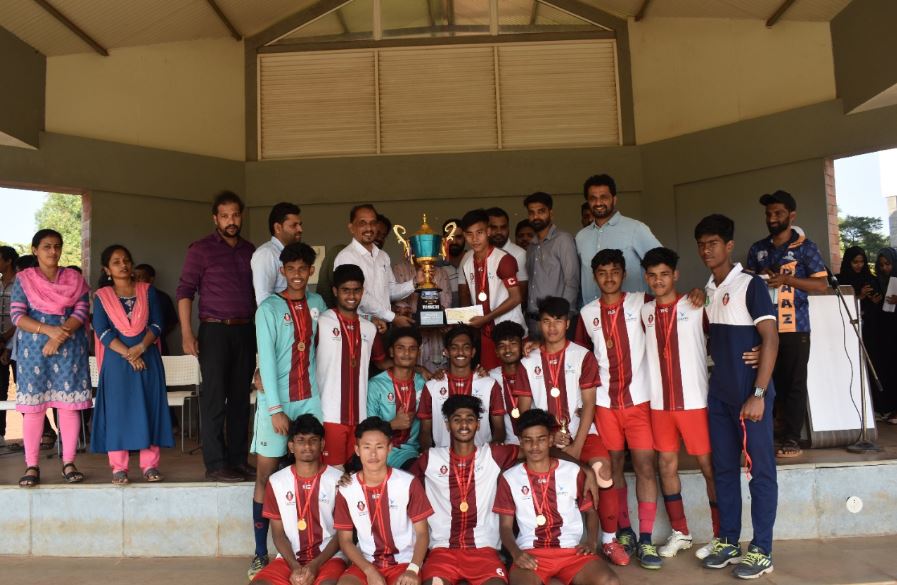
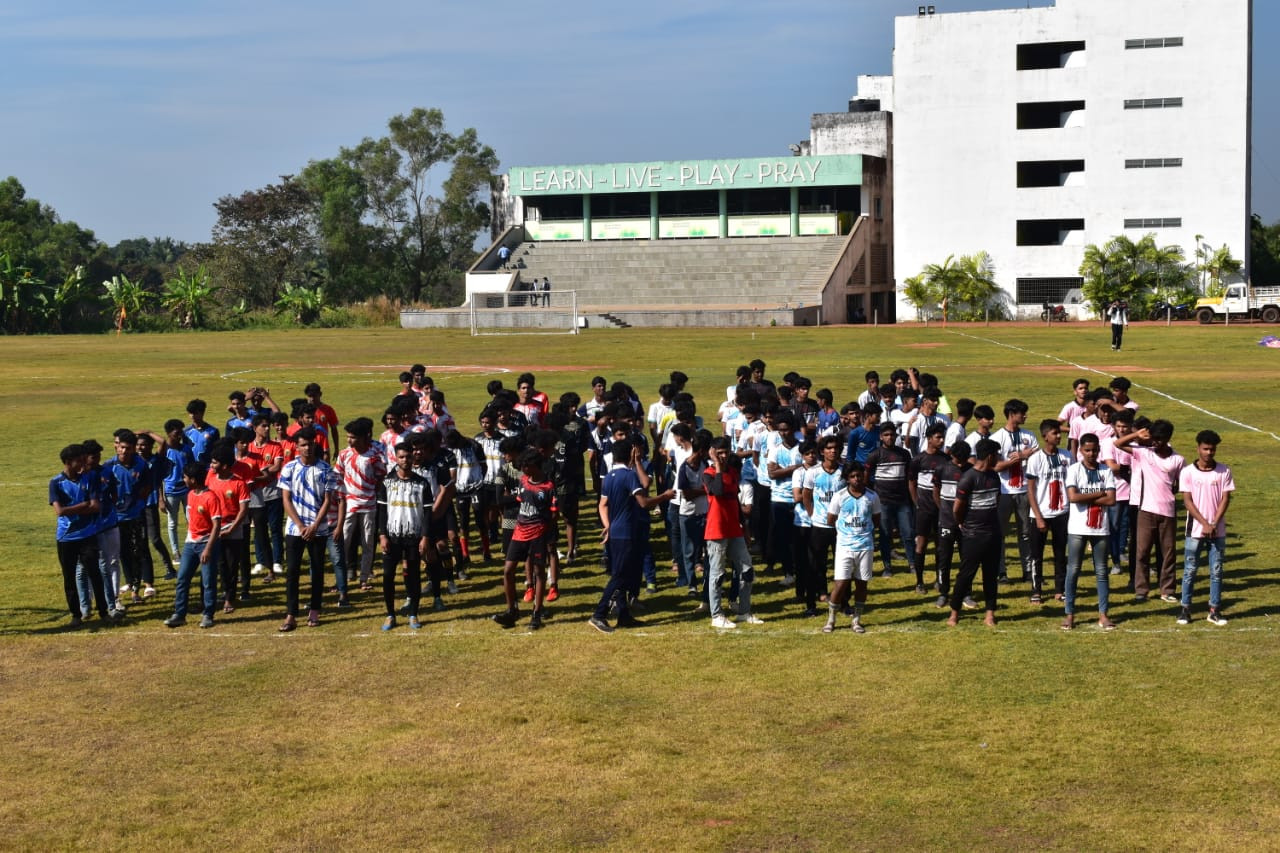
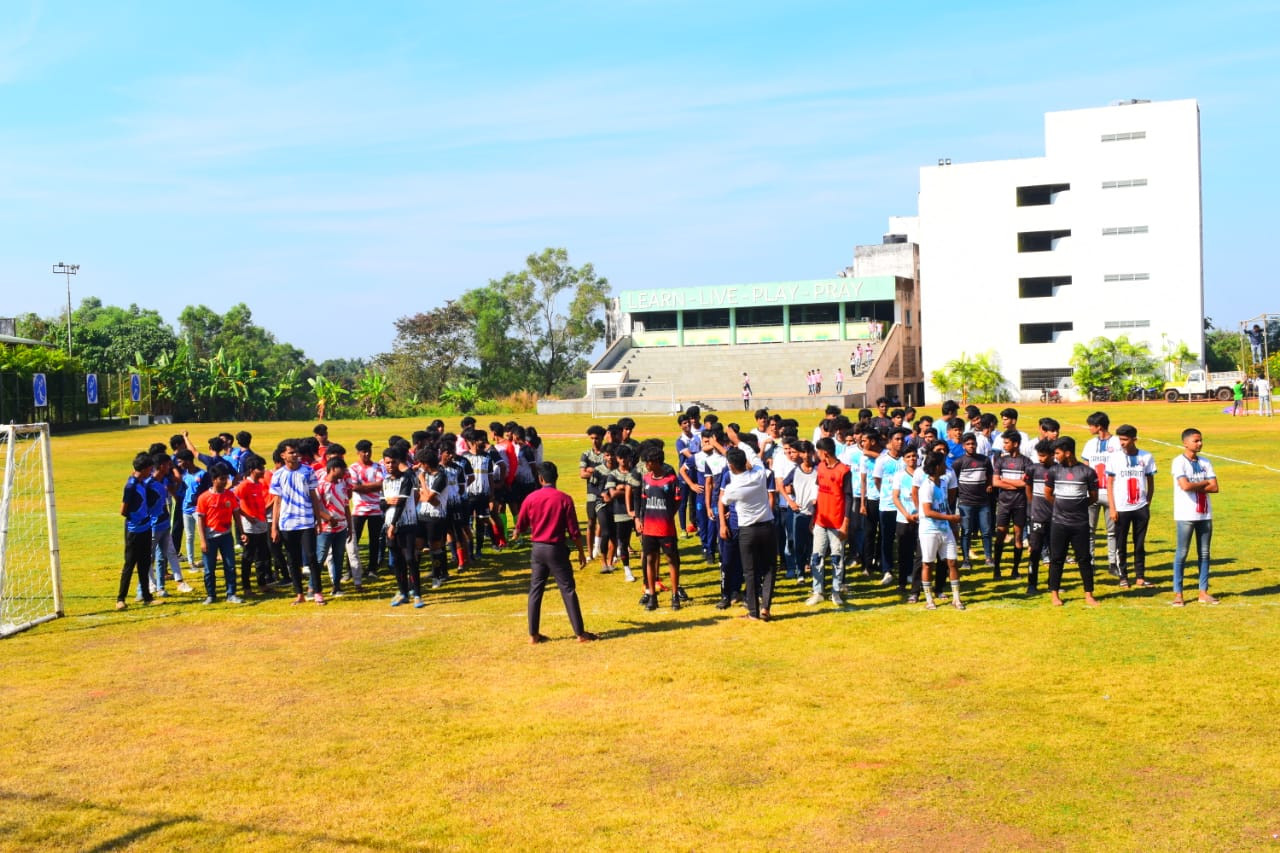
Mangaluru: An Intercollegiate PU level football tournament “INFERN 2022” was held on 30th & 31st Dec 2022 at Bearys Arena Ground here in the city.
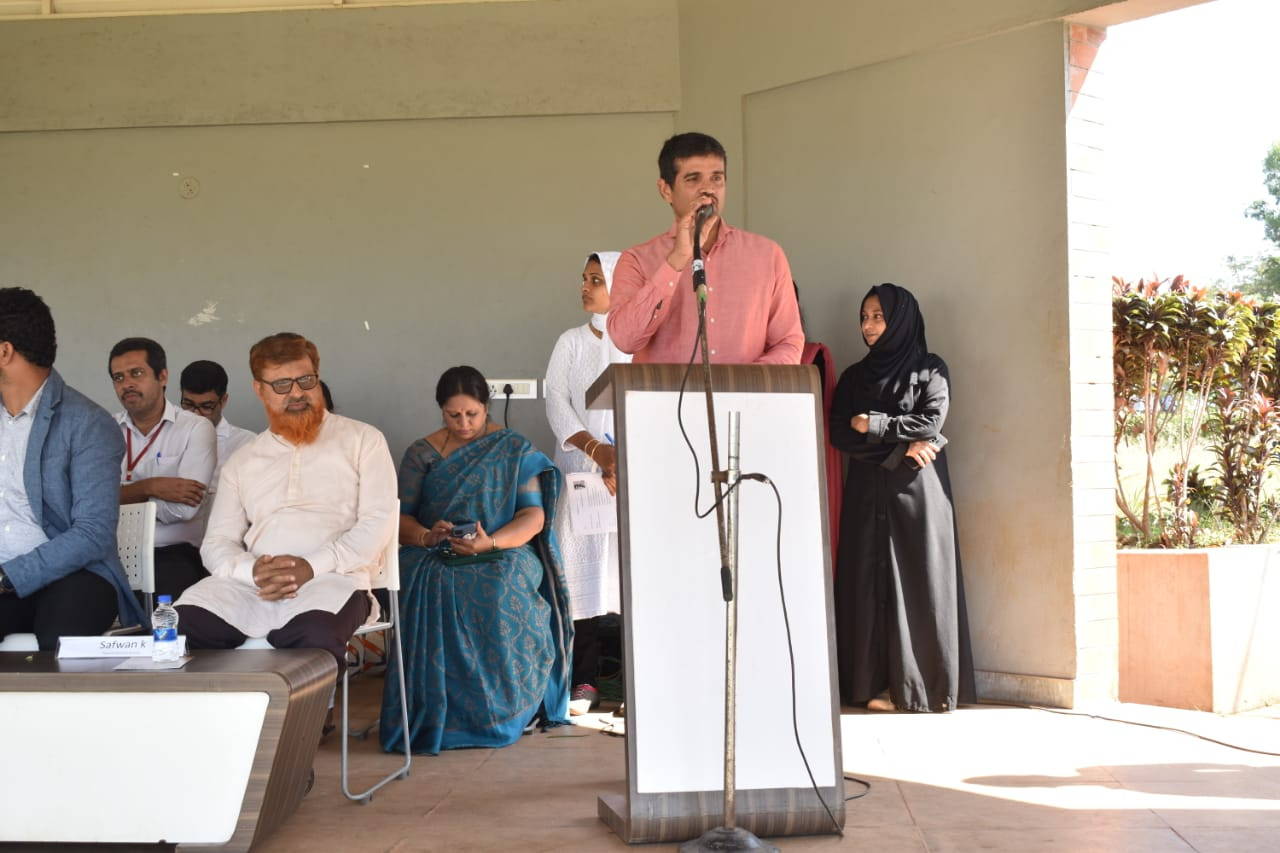
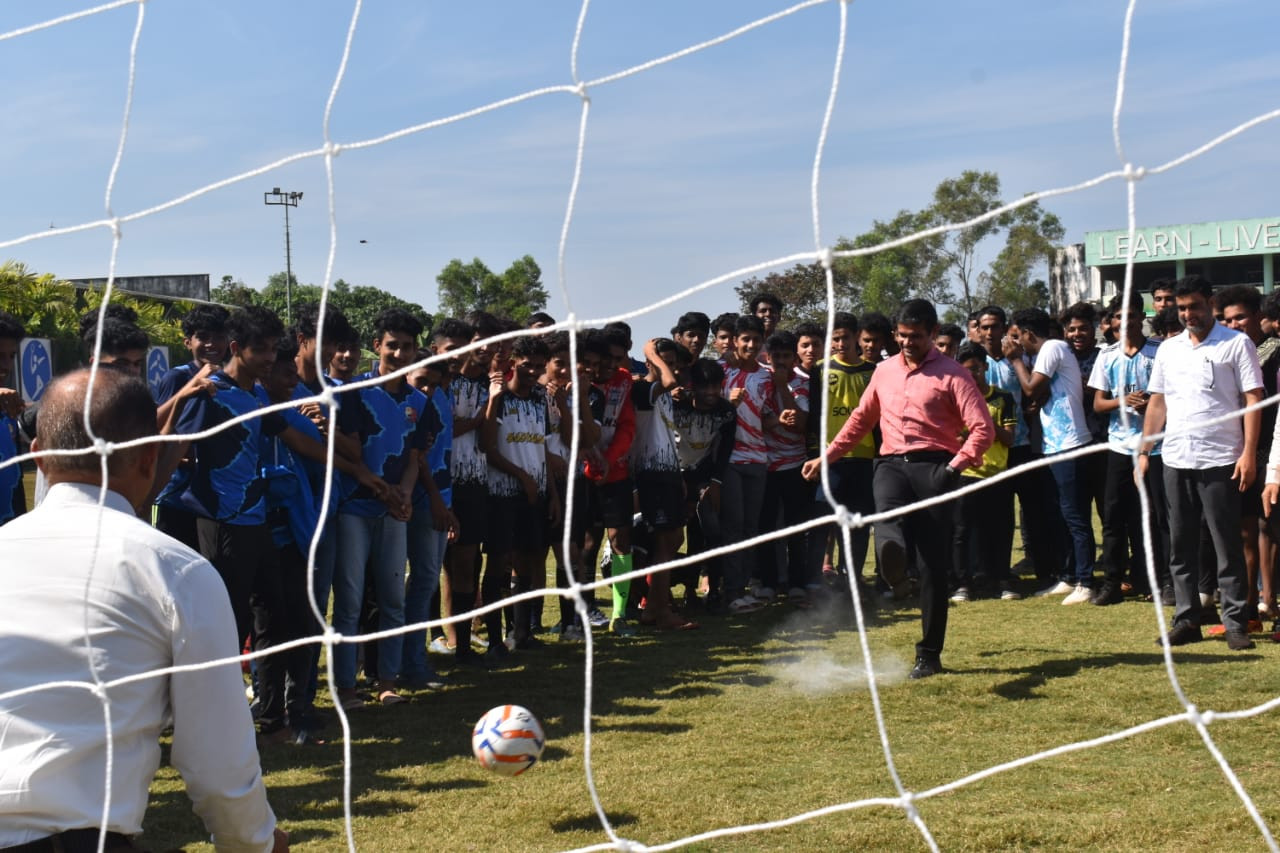
A total of 22 teams participated in the tournament that was inaugurated by Chief Guest Dr. Gerald Santhosh D’Souza, Dean of Physical Education & Chairman, Mangalore University along with Principals of BIT, BIT Polytechnic, Architecture school and Emerging Sciences and Various heads of Departments Staff and Students of Bearys Group of Institutions.
Dr. Gerald spoke about the importance of true Sportsmanship and how the energy in the players and spectators triggered his memory of his college days.
The tournament was held on a League cum Knockout match basis. A total of 14 matches were played during league stages on the first day. From the league matches, 4 teams were selected – Pandyaraj Ballal PU College, Al- Furqan PU College Moodbidre, GHSS PU College Kumble, and Yenepoya PU College Jeppinamogaru.
Two Semi-final rounds and a final round having 8 matches were conducted on the second day to decide the winning team.
The final match was played between Yenepoya PU College Jeppinamogaru and GHSS PU College Kumble.
The tournament astonished the whole crowd with the vigor and spirit of the players throughout the game. In the finals, Yenepoya PU College emerged as the champions by scoring 5-0 goals against GHSS PU College.
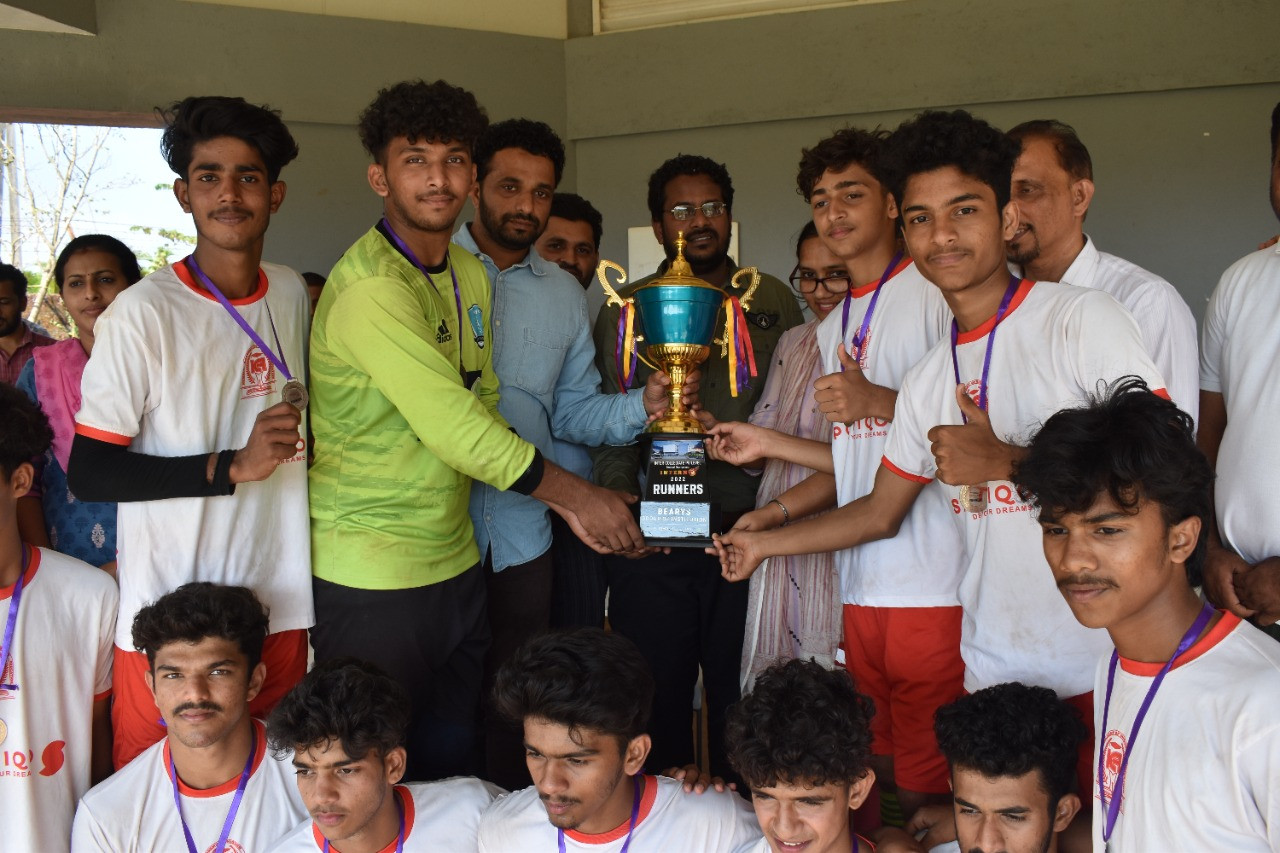
After the match, a Valedictory Ceremony of the tournament was held at Bearys Arena Ground Dr. Aziz Musthafa, Principal of Bearys Institute of Emerging Sciences was the Chief Guest. He congratulated the winners as well as the runners for trying till the last minute and not giving up.
Winners were later felicitated along with runners as well as the individual award winners. The event was coordinated by Safwan, Physical Education Director, BIT along with Prof Minhajuddeen and Prof Dileep as faculty coordinators.
Let the Truth be known. If you read VB and like VB, please be a VB Supporter and Help us deliver the Truth to one and all.
ED raids in case against former Punjab Police DIG Bhullar, linked entities
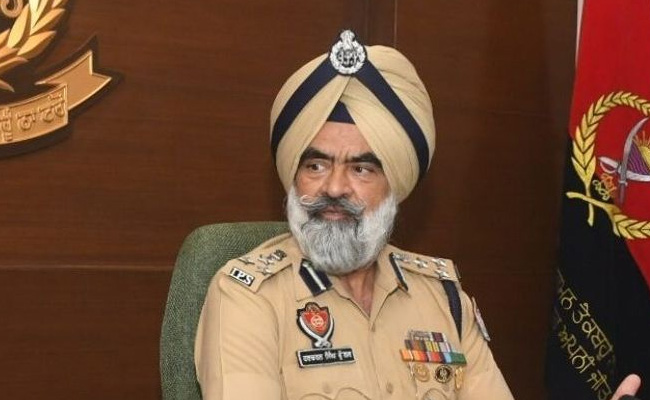
Chandigarh (PTI): The Enforcement Directorate on Monday conducted searches at multiple locations in Punjab as part of a money laundering probe against former state police DIG Harcharan Singh Bhullar and entities linked to him, officials said.
They said about 11 premises in Chandigarh, Ludhiana, Patiala, Nabha and Jalandhar linked to the accused, his associates and suspected benamidars (the owner in whose name a benami property is held) are being covered under the Prevention of Money Laundering Act (PMLA).
The Enforcement Directorate (ED) probe stems from a Central Bureau of Investigation (CBI) case registered against Bhullar on allegations that he sought illegal gratification through a middleman for settlement of a criminal case, along with detection of assets disproportionate to known sources of income.
The searches aim to trace further proceeds of the alleged crime, identify benami assets and gather evidence related to money laundering, ED officials said.
Bhullar, who was serving as the deputy inspector general (DIG) of police (Ropar Range), was arrested by the CBI in October 2025 after a scrap dealer alleged that bribe was demanded from him through an intermediary to settle a case.